Society5 min
Ulzzang: the style born from a Korean photo contest
Ulzzang, aegyo-sal, circle lenses, V-line: where this Korean style comes from, what it actually requires and why the word has aged in Korea.
Read
Editorial features on the cultures, history and languages of Asia. Filter by culture, by topic, or search for what inspires you.
Ulzzang, aegyo-sal, circle lenses, V-line: where this Korean style comes from, what it actually requires and why the word has aged in Korea.
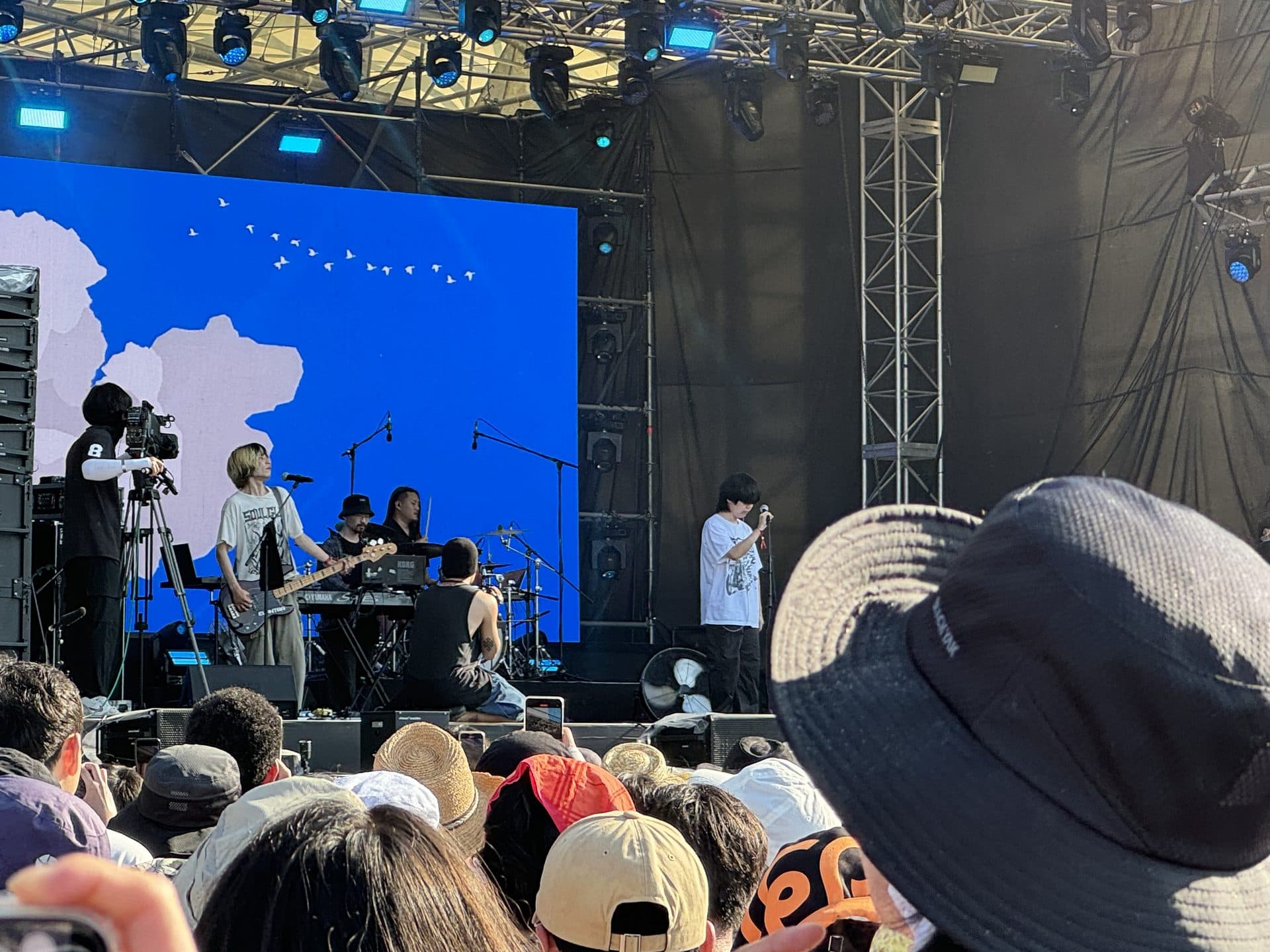
Crying Nut, Jang Kiha, Hyukoh, wave to earth, Parannoul: the story of Korea's independent scene, its clubs, its labels and its way out through abroad.
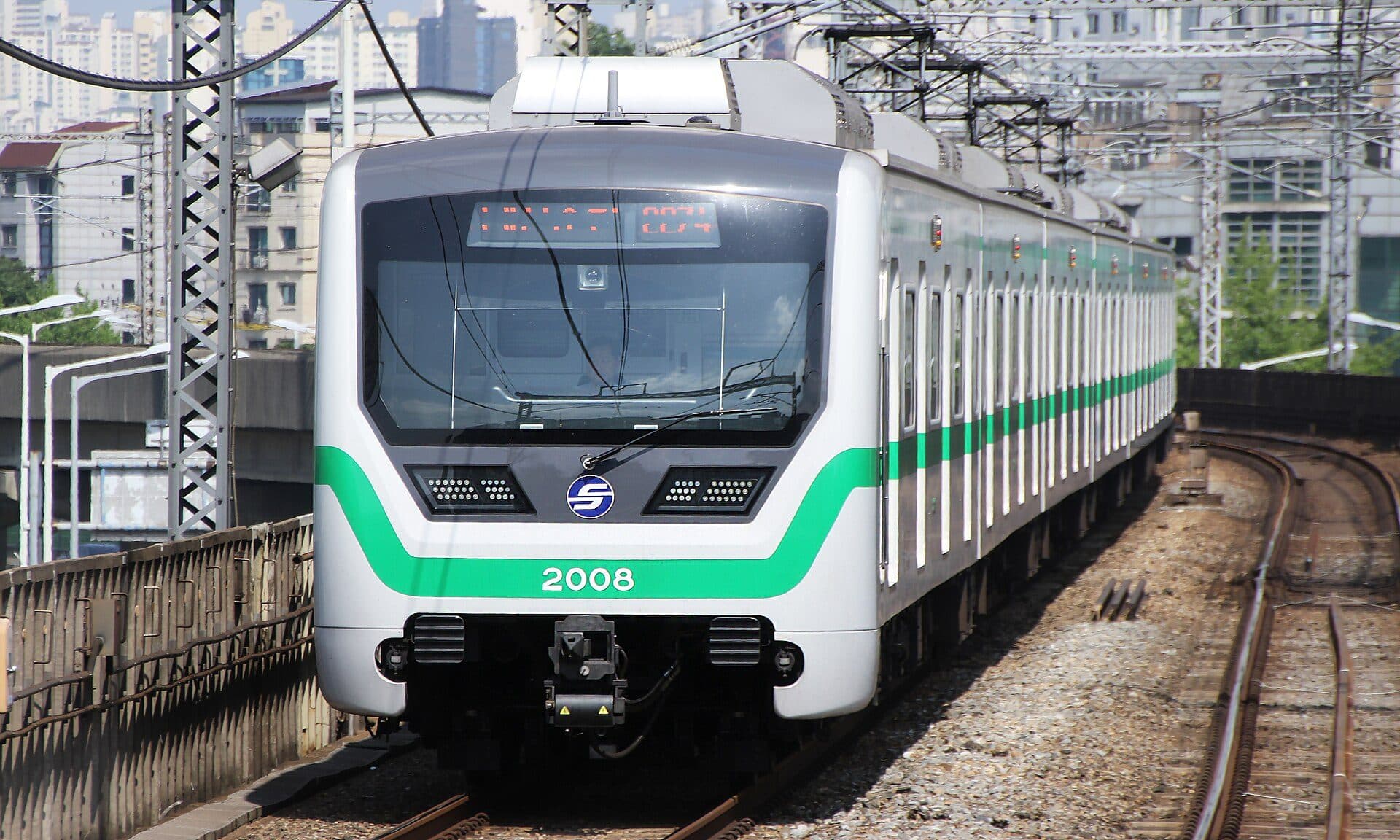
T-money card, free transfers, numbered exits, Climate Card: everything to understand about the Seoul subway before you go underground.

Seoul to Busan in 2h15, technology born from the TGV, the rival SRT, standing tickets: how the KTX works and how to travel on it without slipping up.
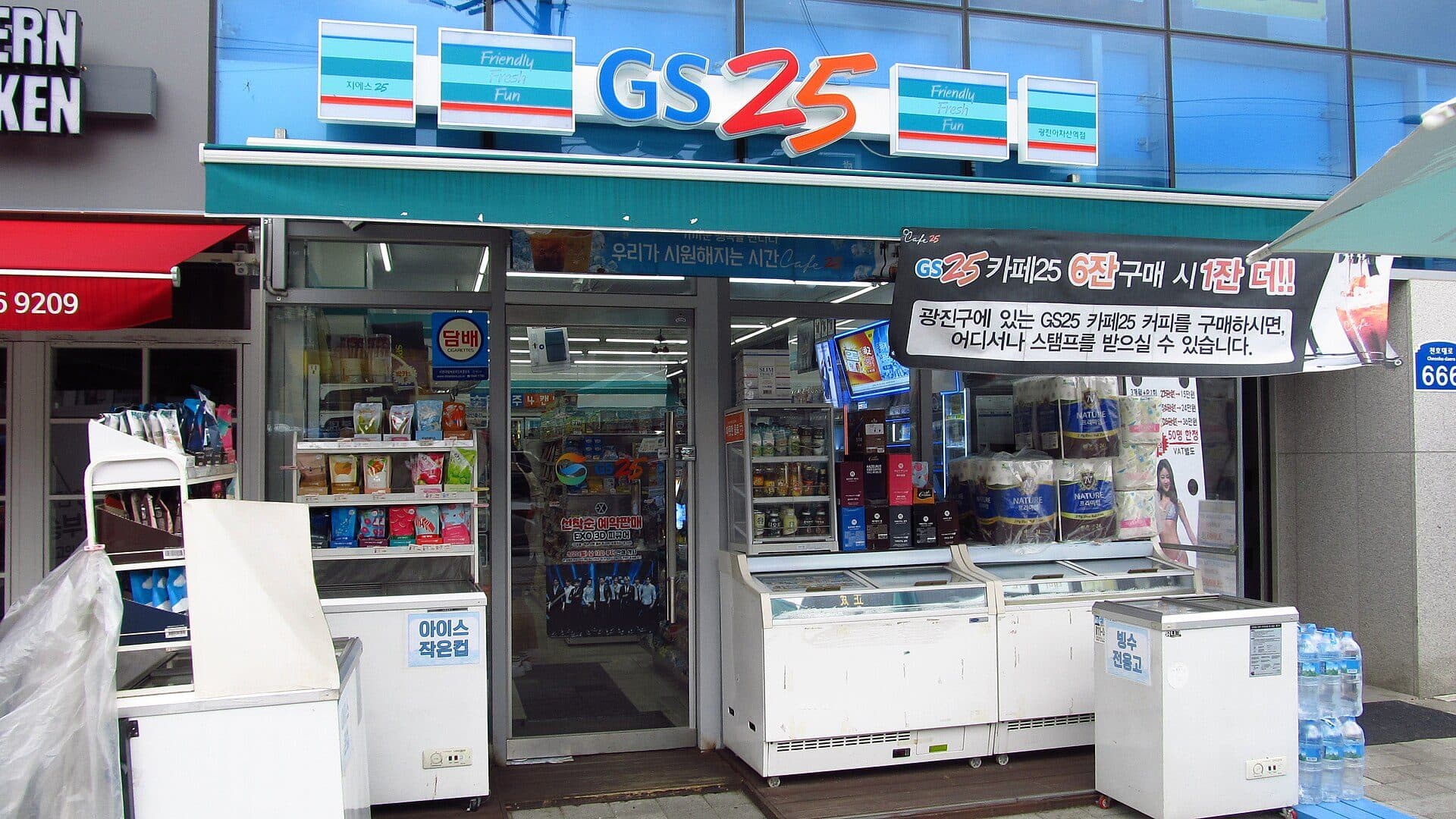
GS25, CU, 7-Eleven, Emart24: why Korea holds the world record for convenience stores per capita, what to eat there and what "hyeja" means.
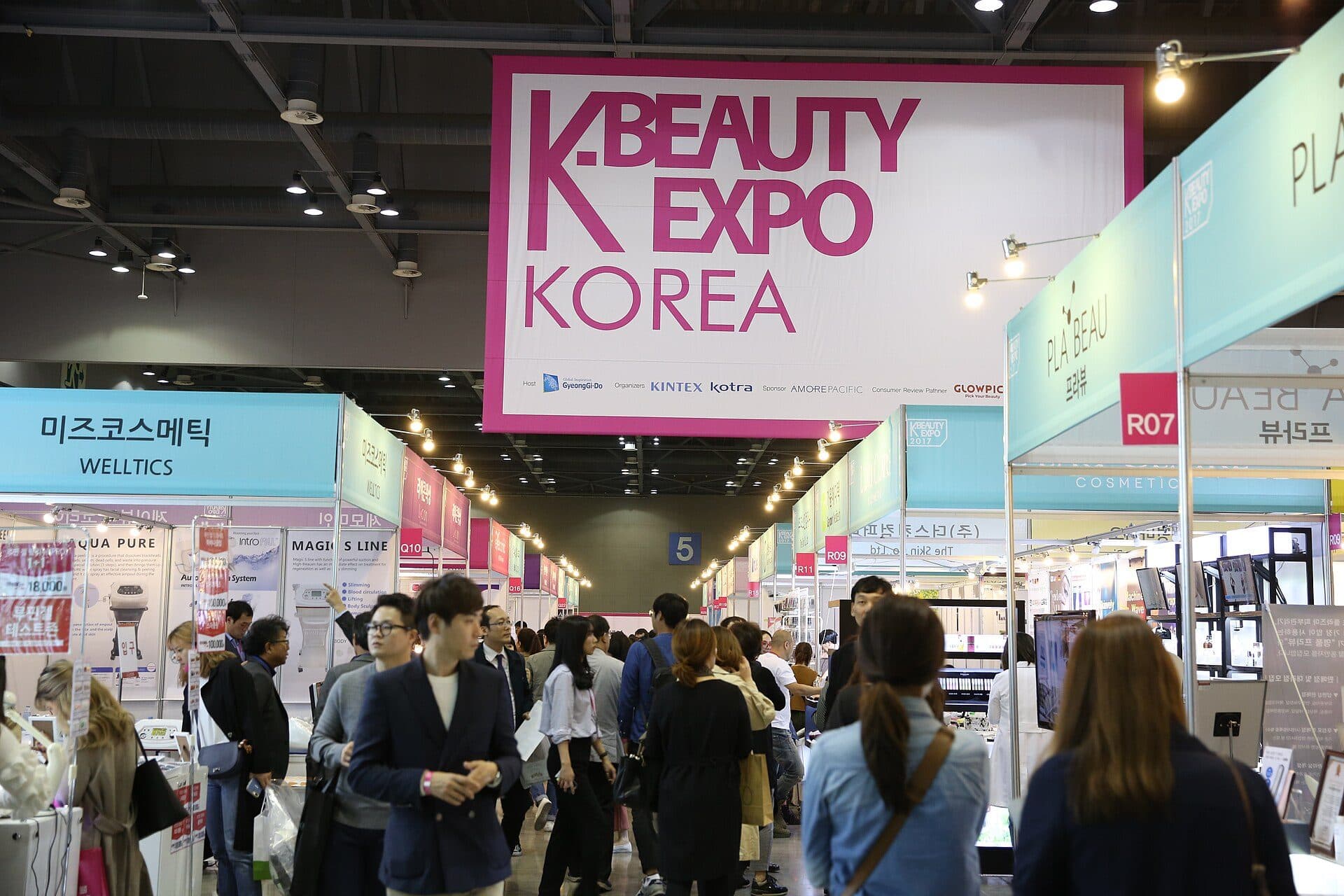
Honey skin, glass skin, cloud skin, jelly skin: what each Korean skin finish actually means, where the names come from, and how the routines differ.
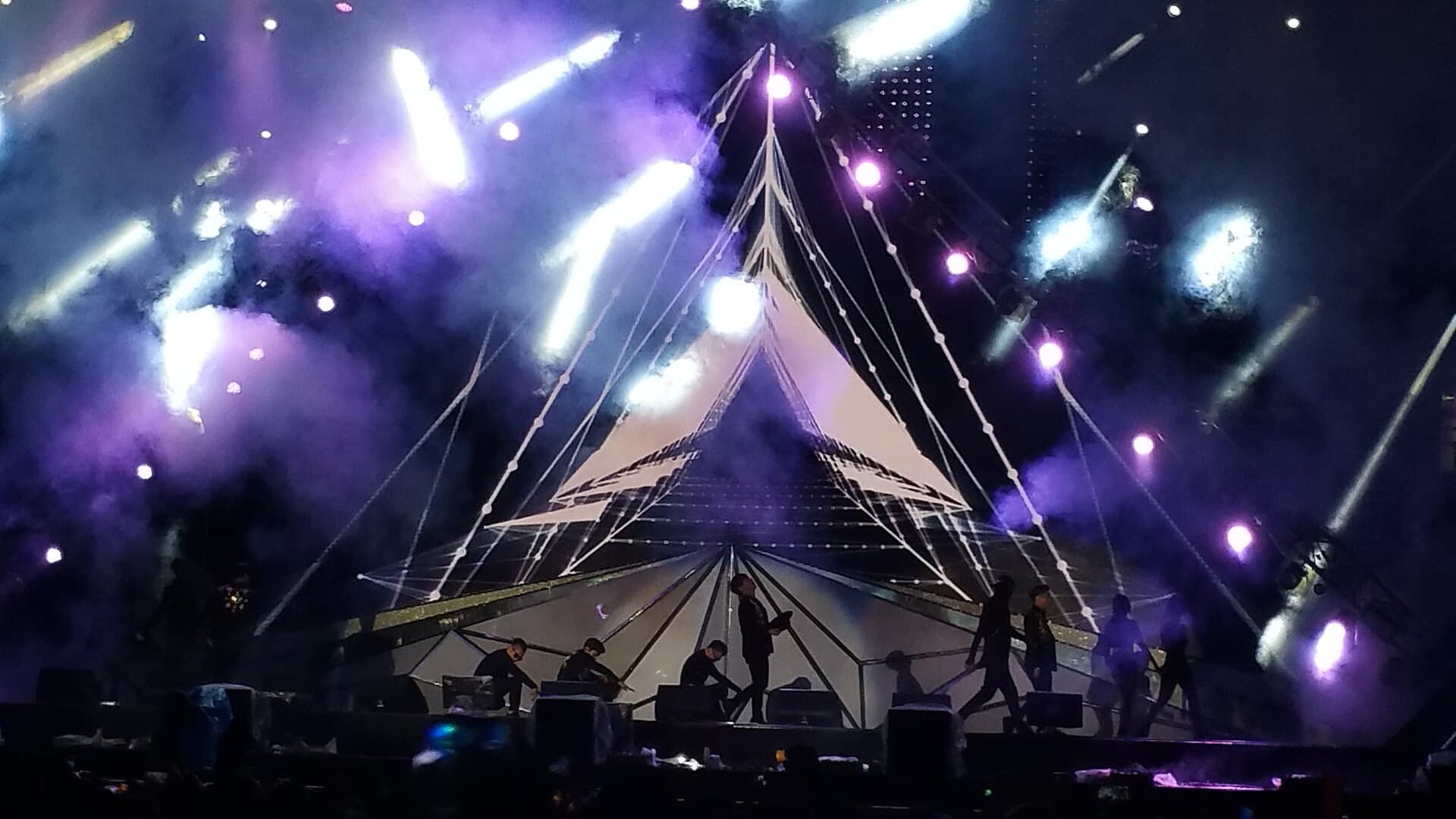
Three concrete cogs behind K-pop's export: distribution through YouTube, the song camps where foreign writers build the hits, and state support.
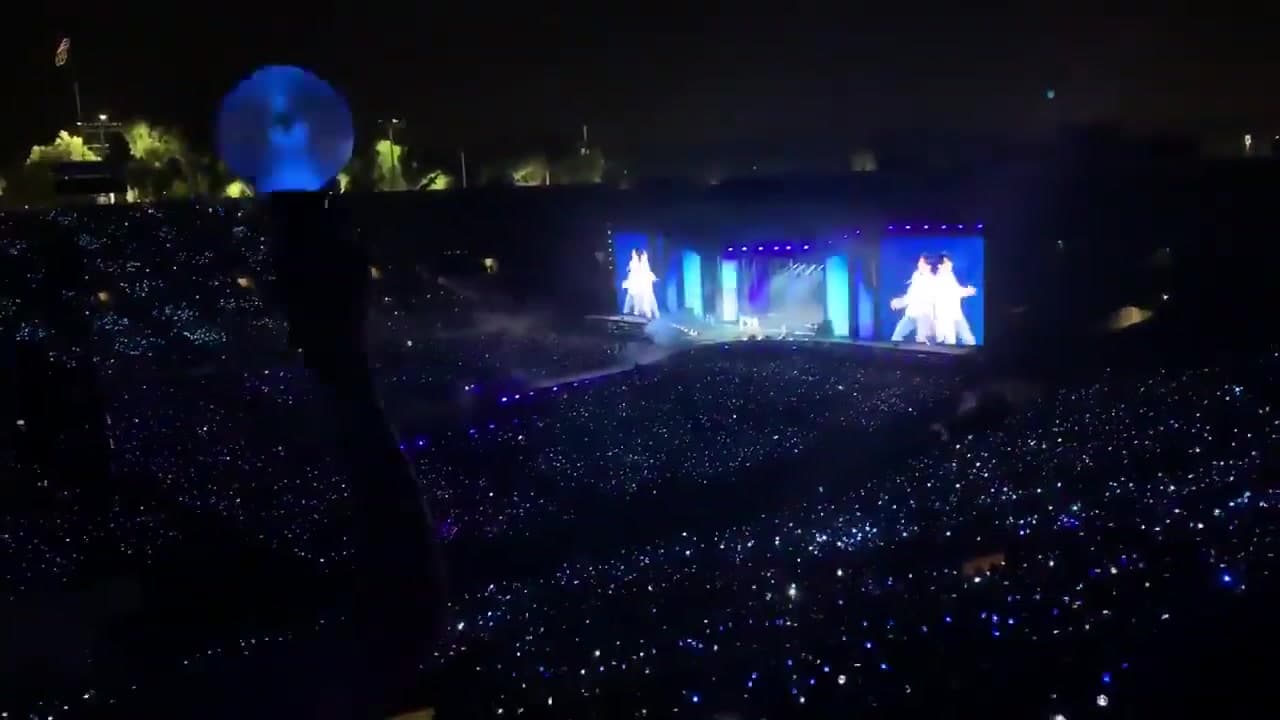
From the small Big Hit agency to stadiums and the United Nations: the story of BTS, the stages of its global breakthrough, the role of ARMY and what it changed for K-pop.
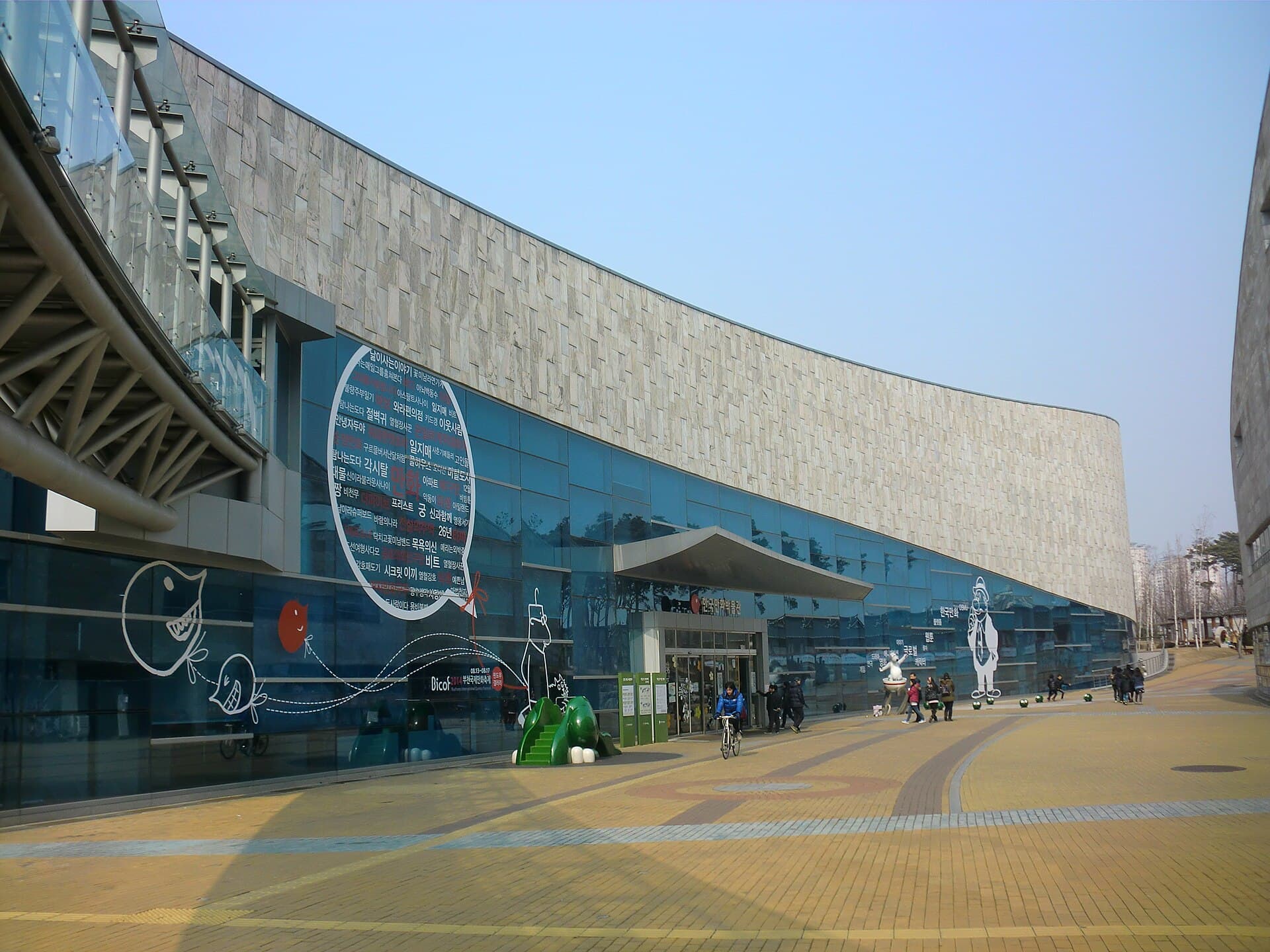
The long panel, silence made of empty space, the thumb as a cut: what vertical scrolling changed in drawn storytelling, and what it cannot do.
From a 2016 web novel to the first Korean Anime of the Year: the trajectory of Solo Leveling, its narrative codes and what it changed for webtoons.
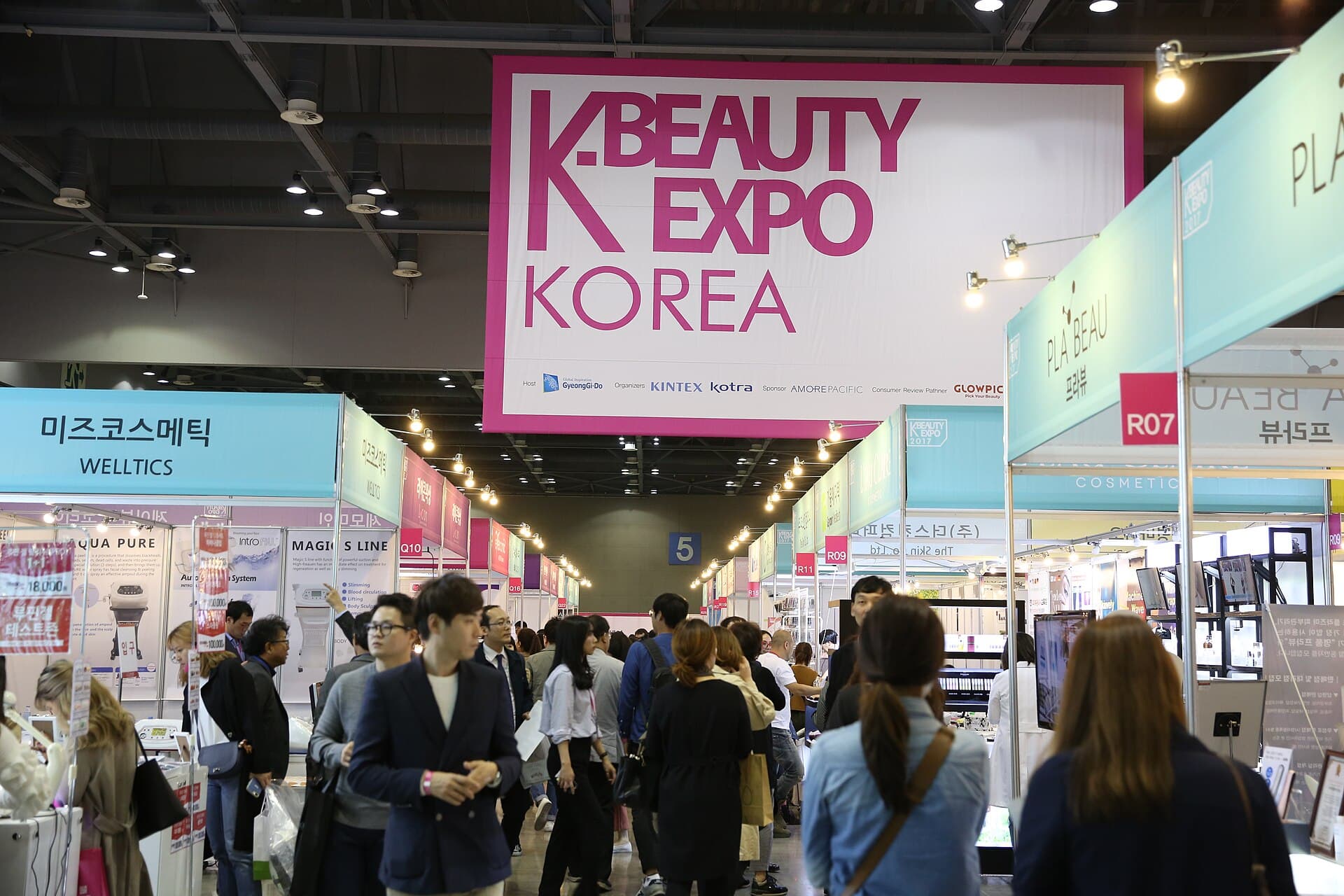
Routines, hero products, ingredients and business models: what really separates Korean, Japanese and Chinese cosmetics, without the marketing shortcuts.
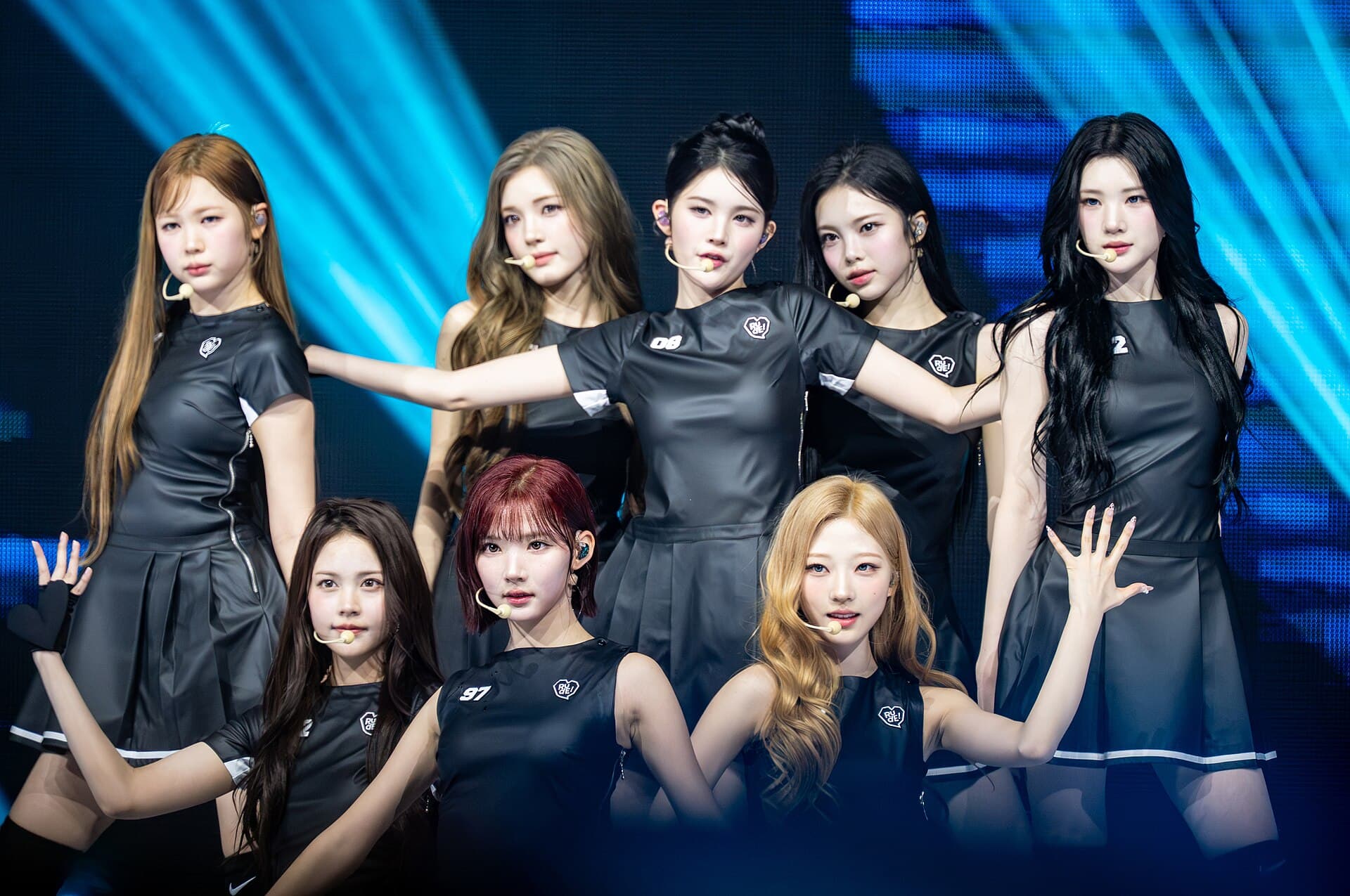
Hearts2Hearts, KiiiKiii, ALLDAY PROJECT, AHOF: what the 2025-2026 rookie class really says about K-pop's fifth generation and its new methods.
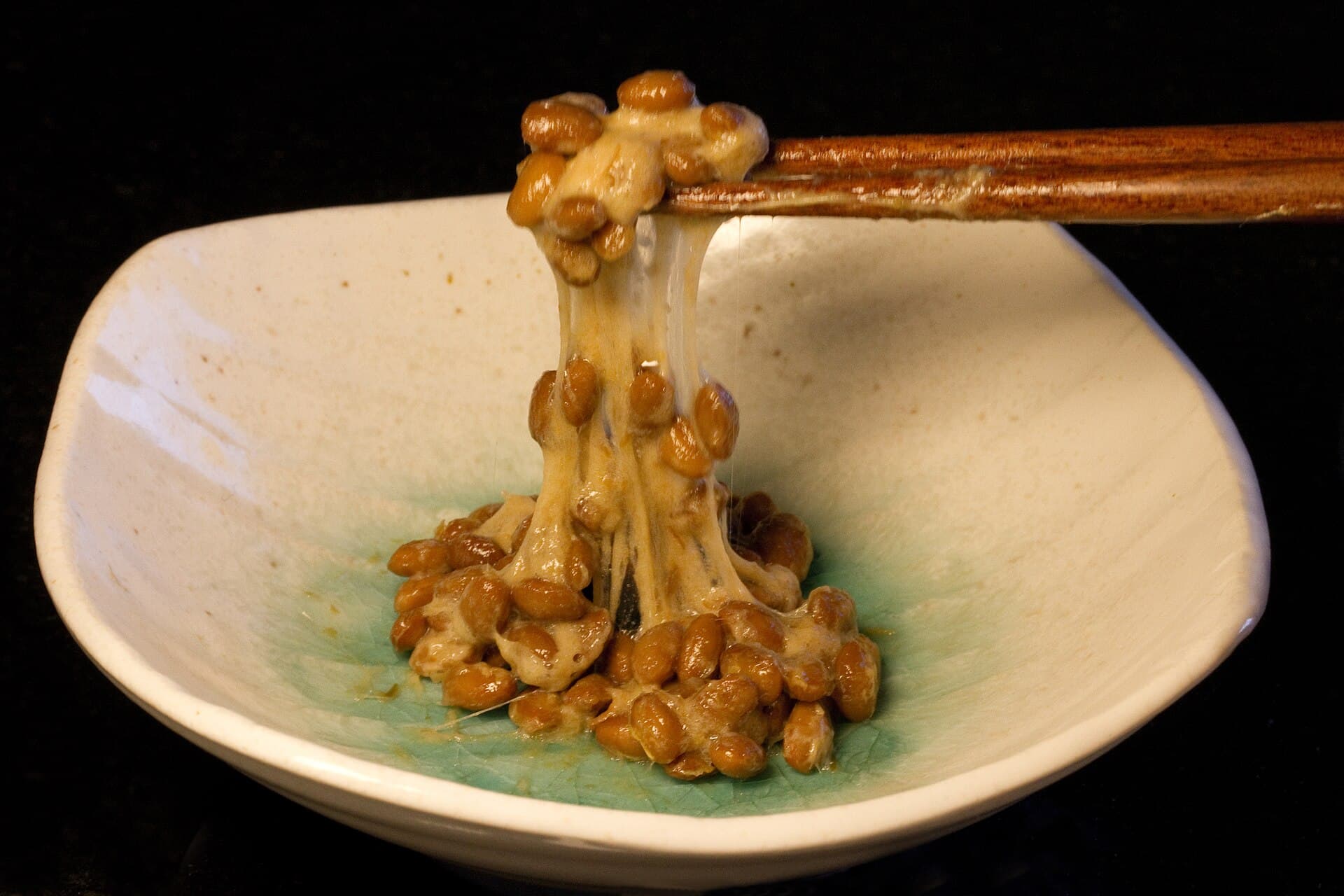
Bacteria, moulds, salt and time: what really separates Japanese nattō, Korean kimchi and Sichuan doubanjiang, and the common ancestor that links them.
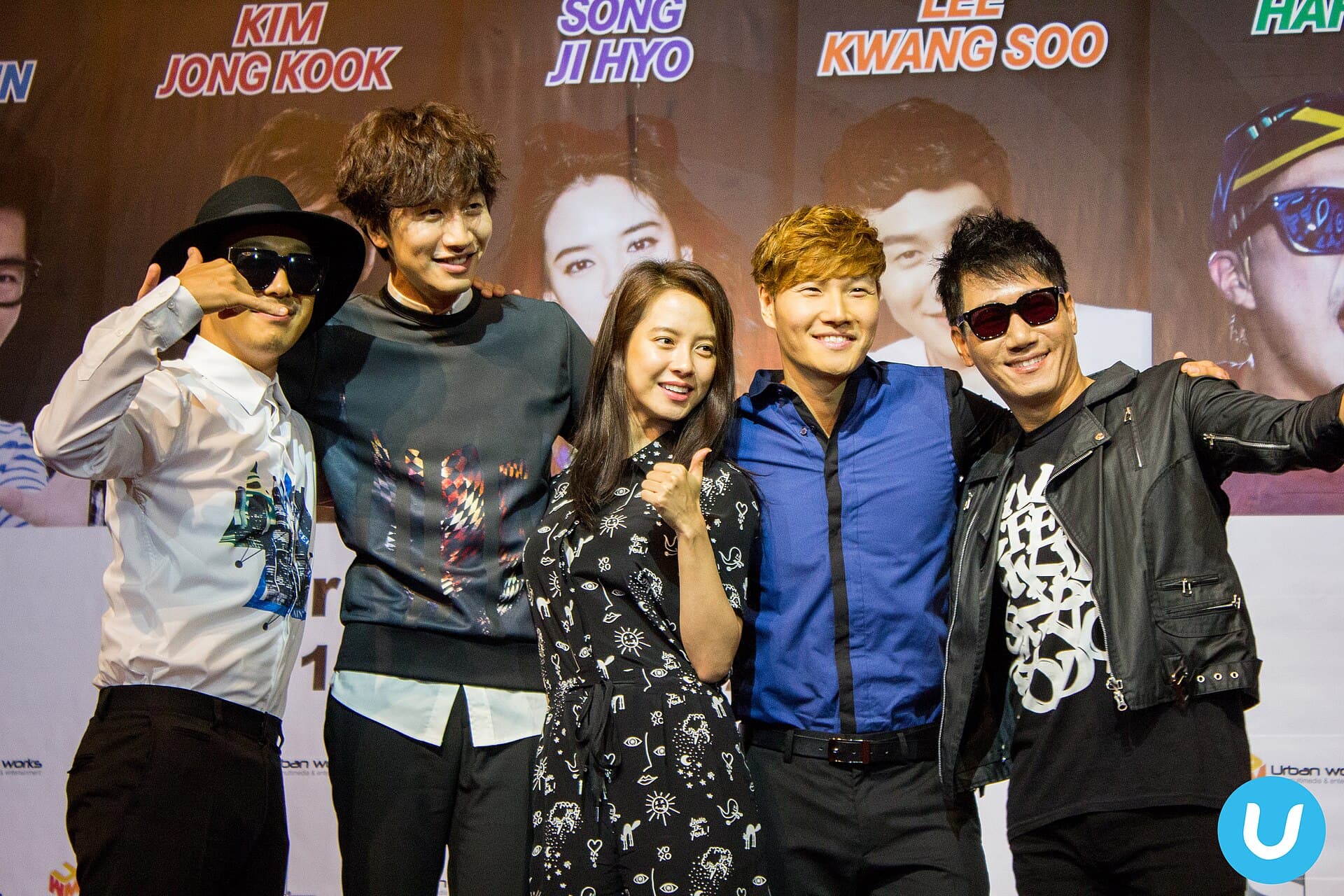
Running Man, Infinite Challenge, the Na PD shows: how Korean variety invented its own grammar, its forfeit games and its conquest of Netflix.
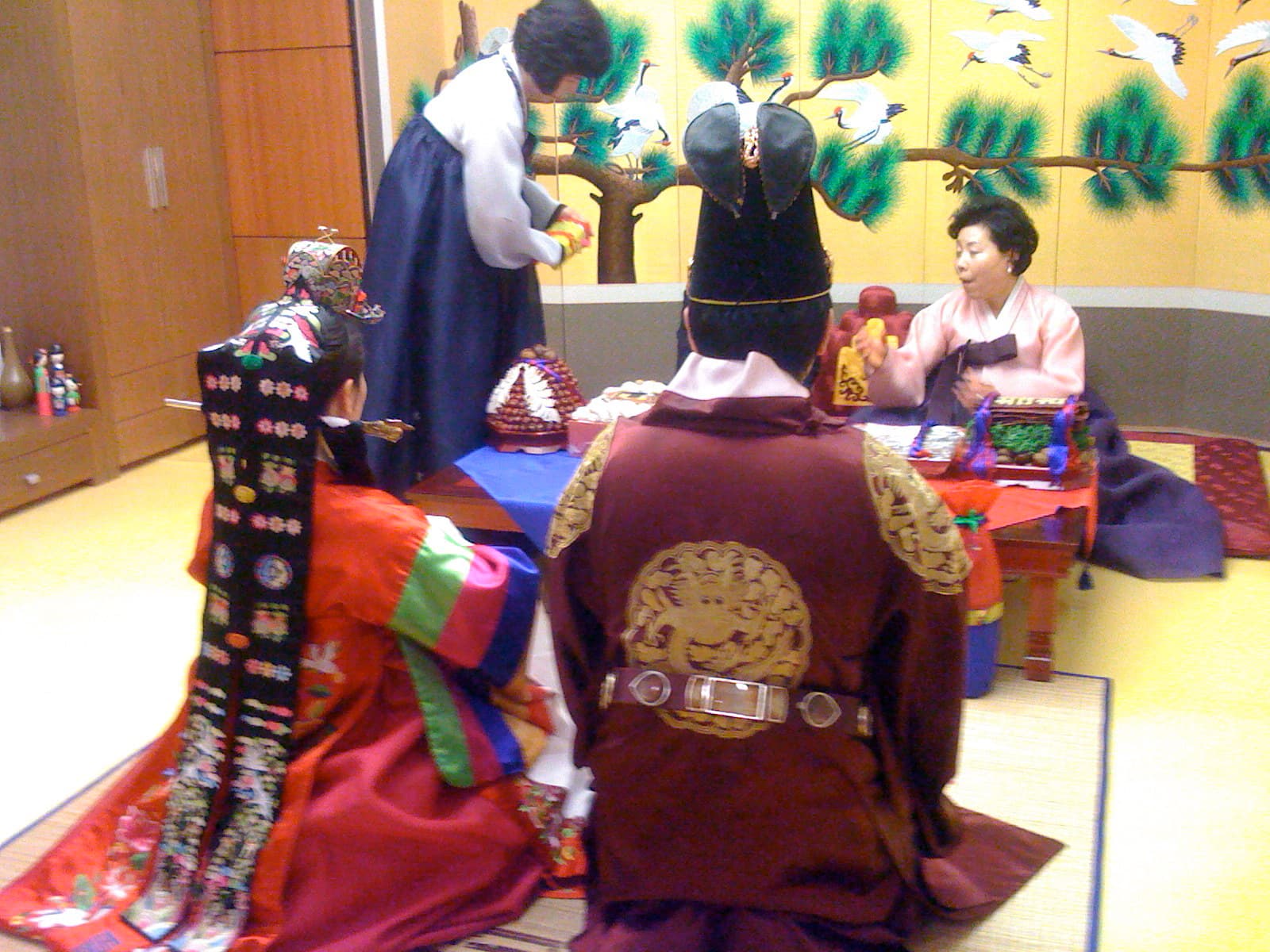
A thirty-minute ceremony, the pyebaek rite, congratulatory cash envelopes, dowries and a marriage rebound: how South Korea gets married today.
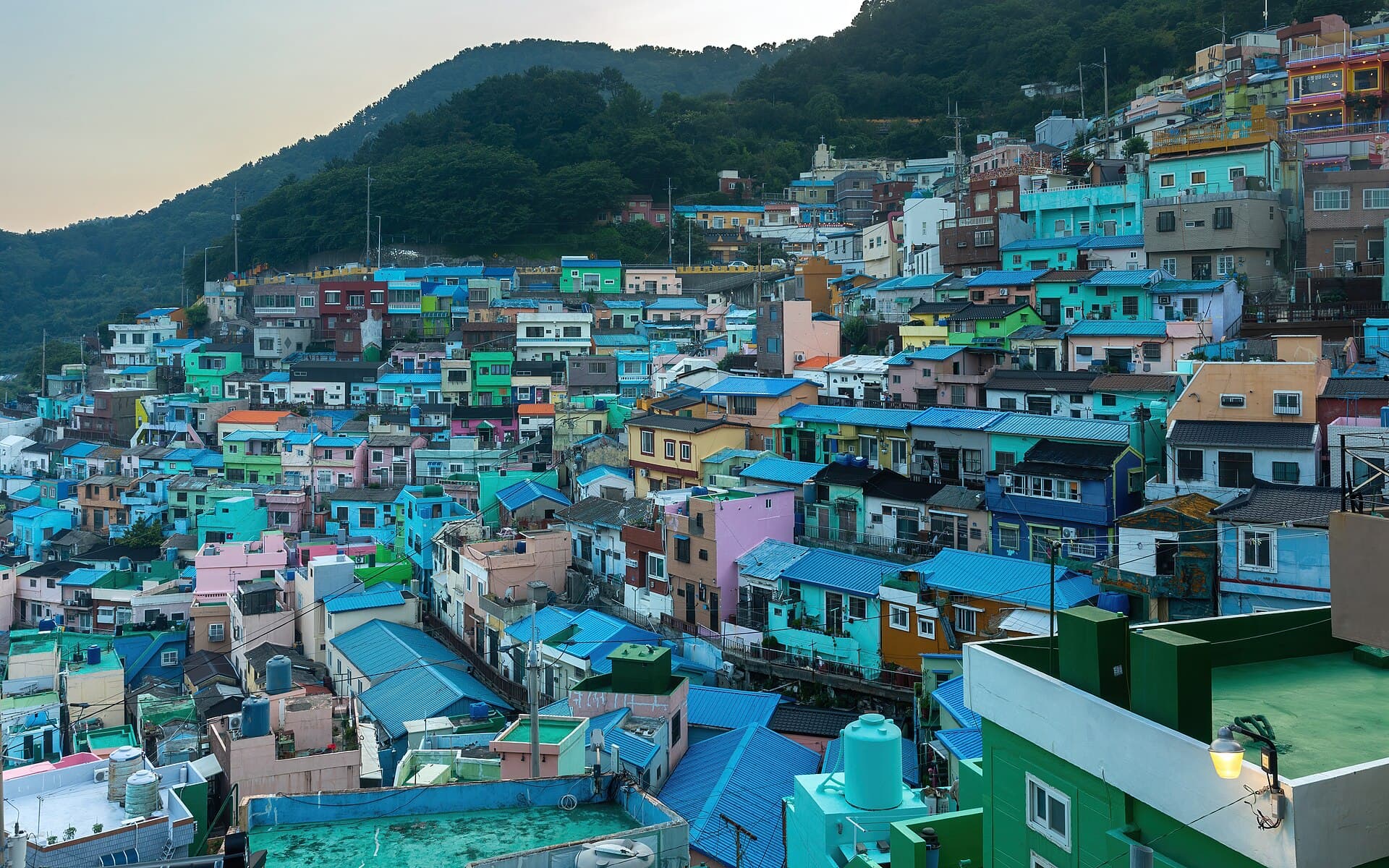
Nampo, Seomyeon, Haeundae, Gwangalli, Gamcheon: how Busan is laid out, what the war left in its street plan and where to go for what.
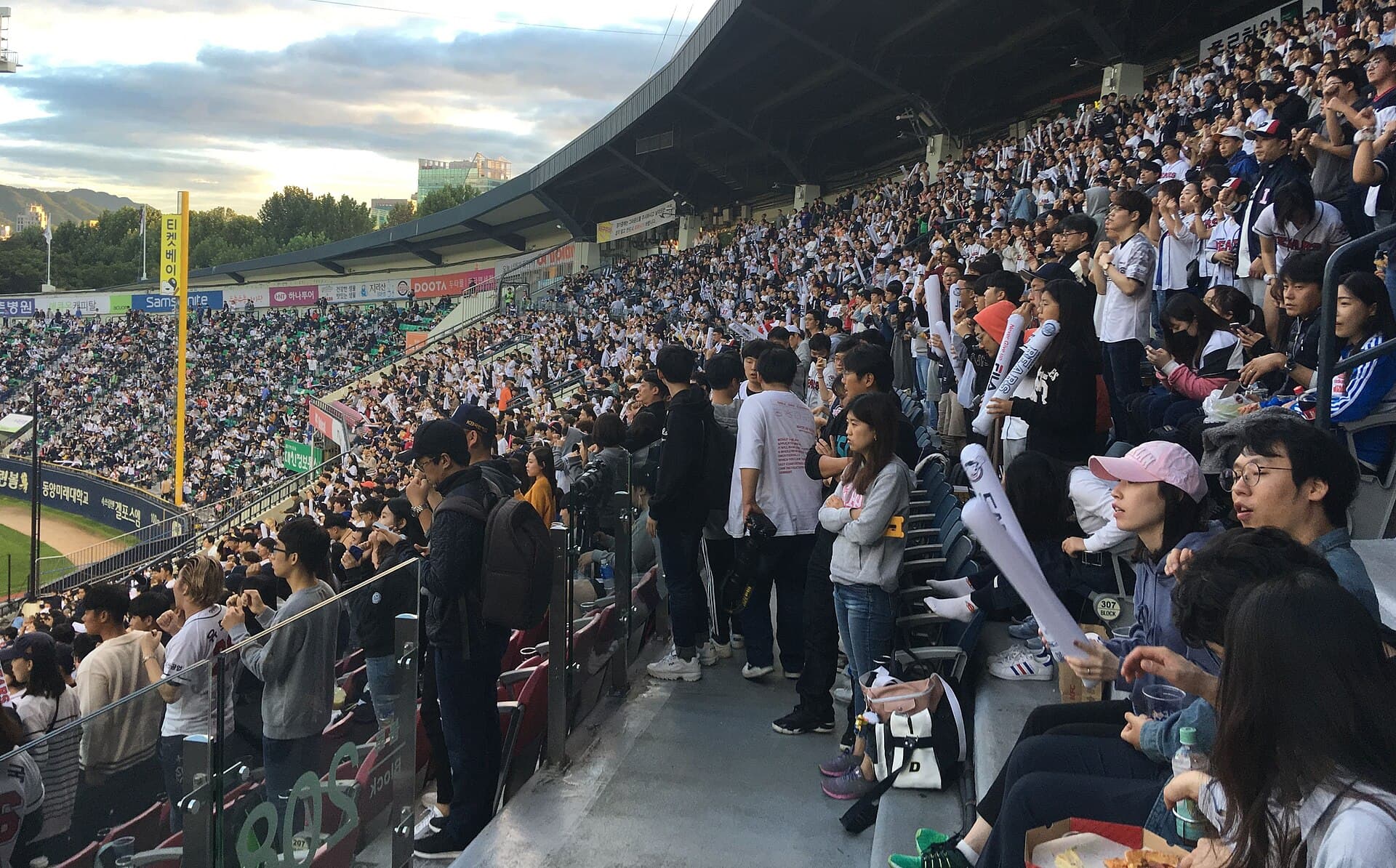
Per-player chants, a cheer leader facing the crowd, fried chicken in the stands and a ten-million attendance record: how baseball became Korea's biggest sport.
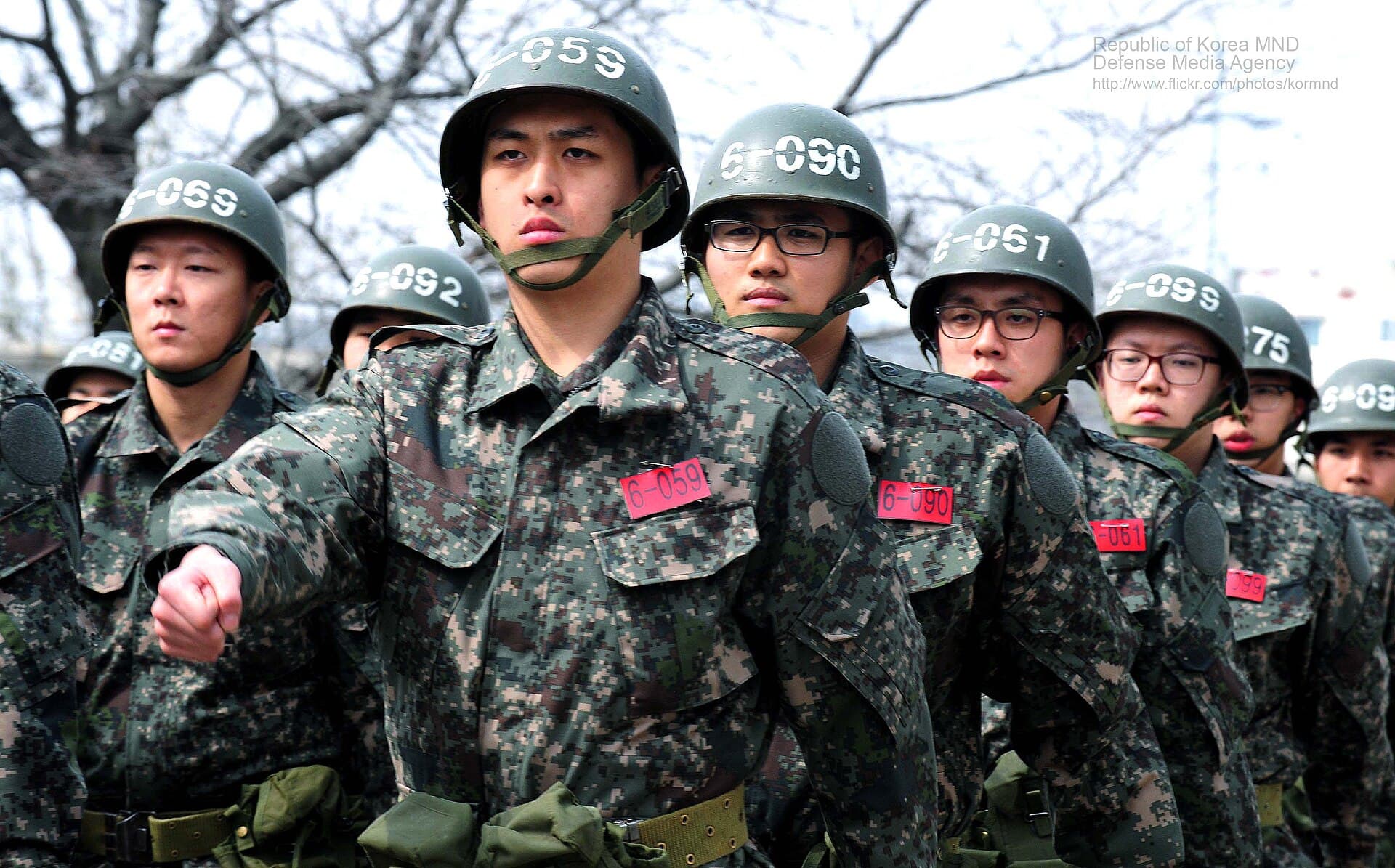
18 to 21 months depending on the branch, a seven-grade fitness exam, vanishingly rare exemptions: how South Korean conscription works and what it costs.
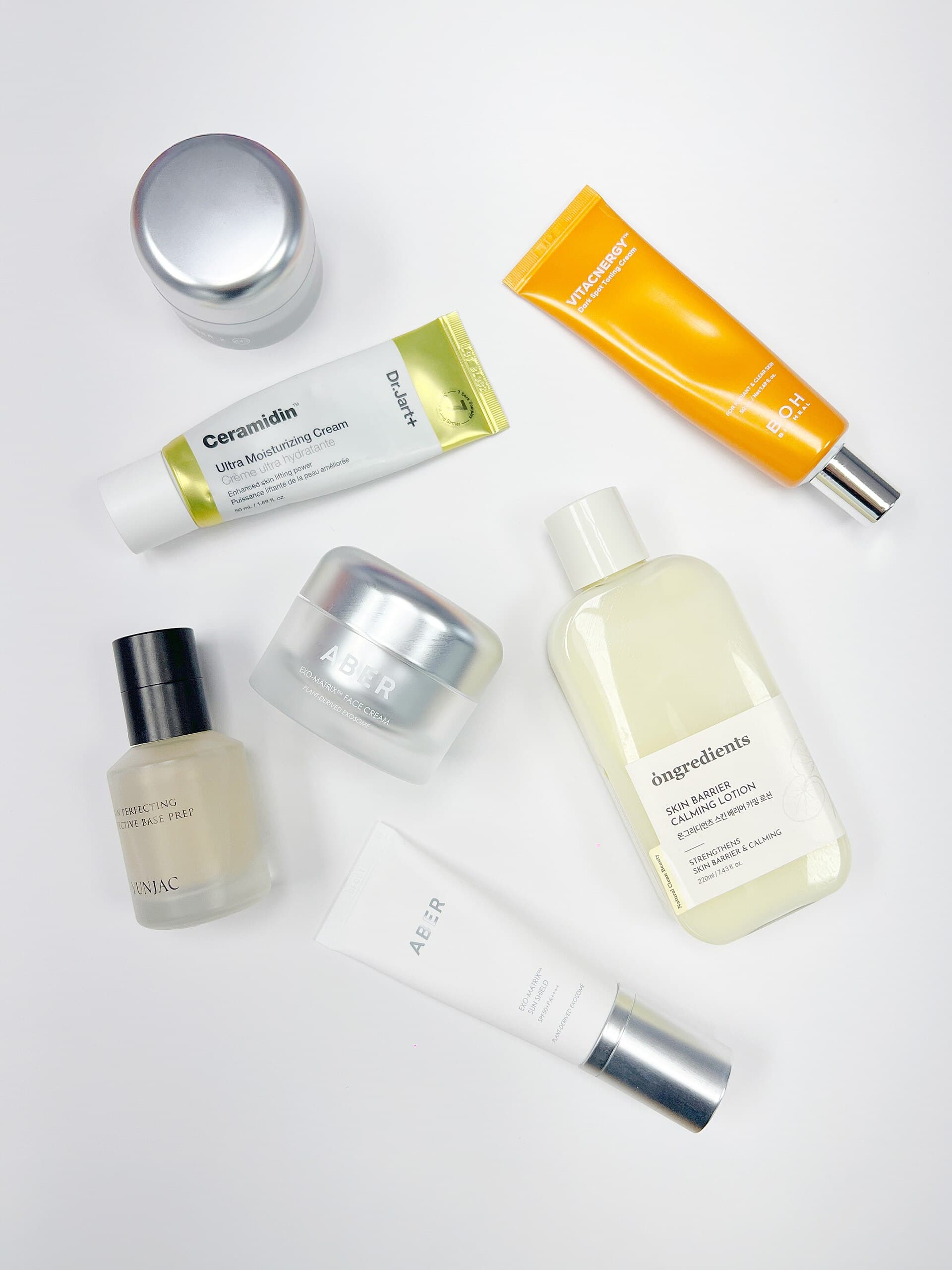
Skip-care versus the ten-step routine: what each camp removes, what it keeps, and how to choose according to your skin type.
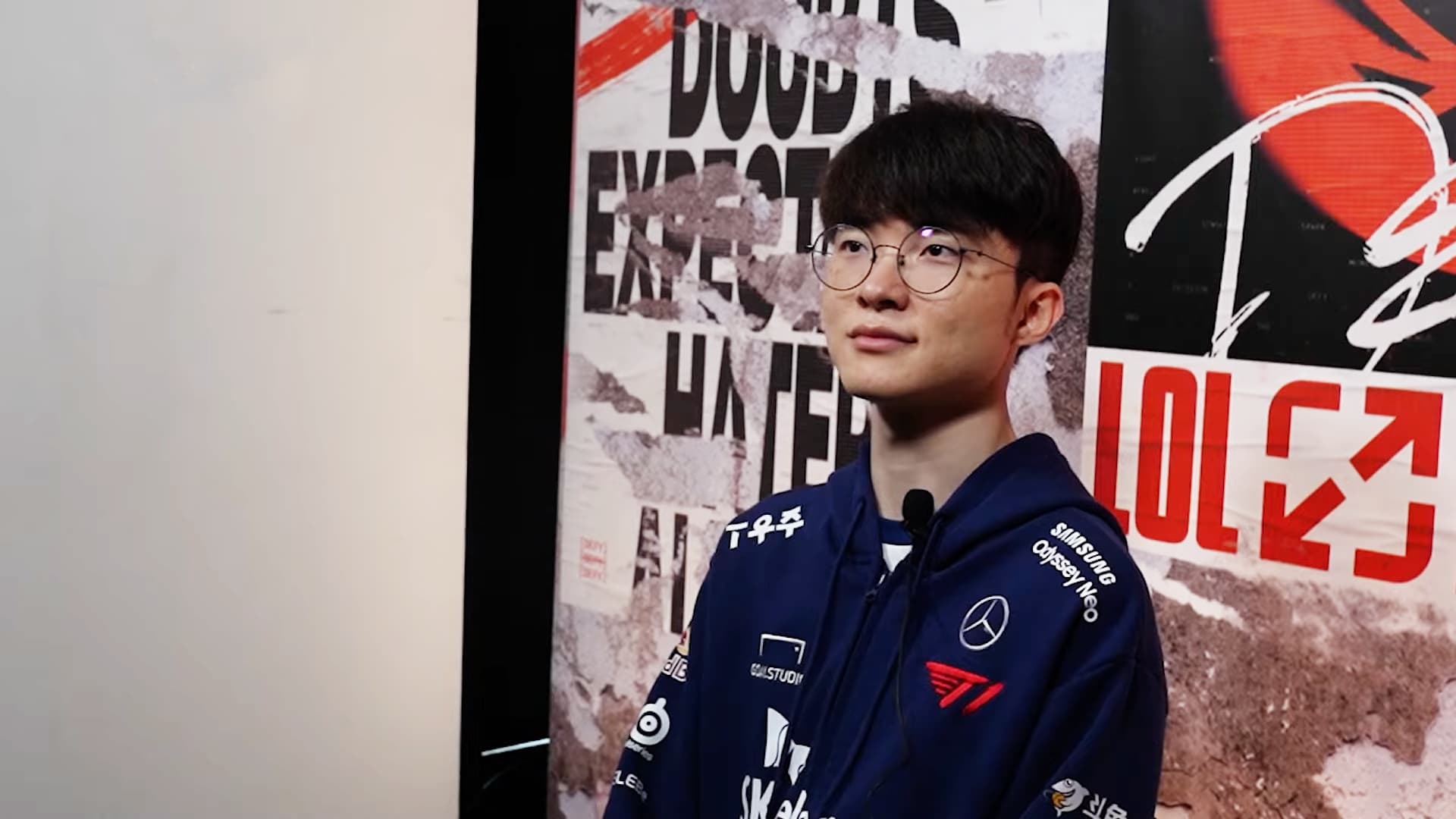
The PC bang as a laboratory, a television channel that created a profession, the state stepping in: the five reasons Korea's grip on e-sport has lasted.
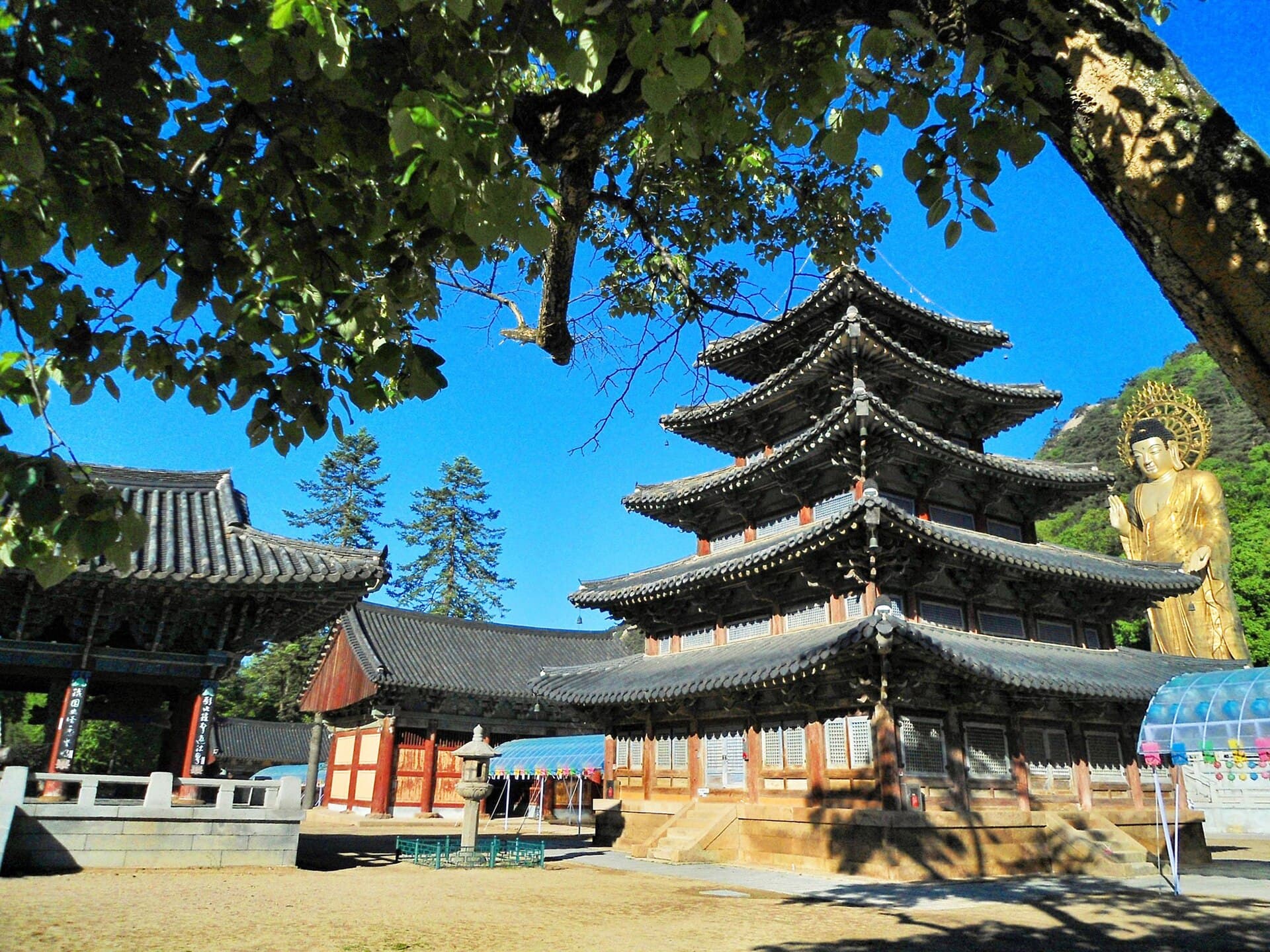
Born from a hotel room shortage in 2002, templestay now runs in nearly 150 Korean temples. The schedule, the rules, the monastic kitchen and the vocabulary.
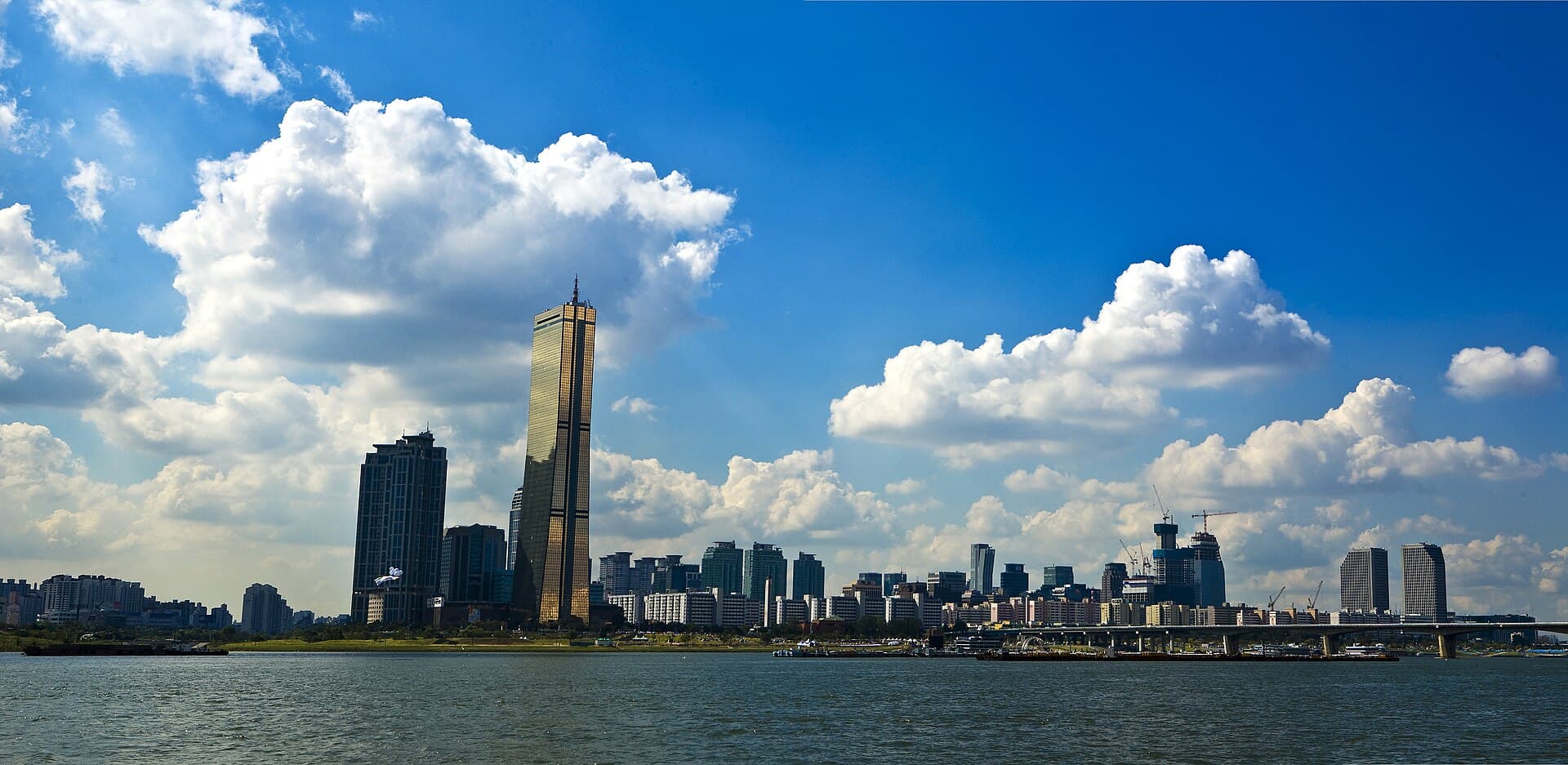
Gangbuk and Gangnam, gu and dong, subway exits: how Seoul is organised, what each district is for, and how to read a Korean address without getting lost.
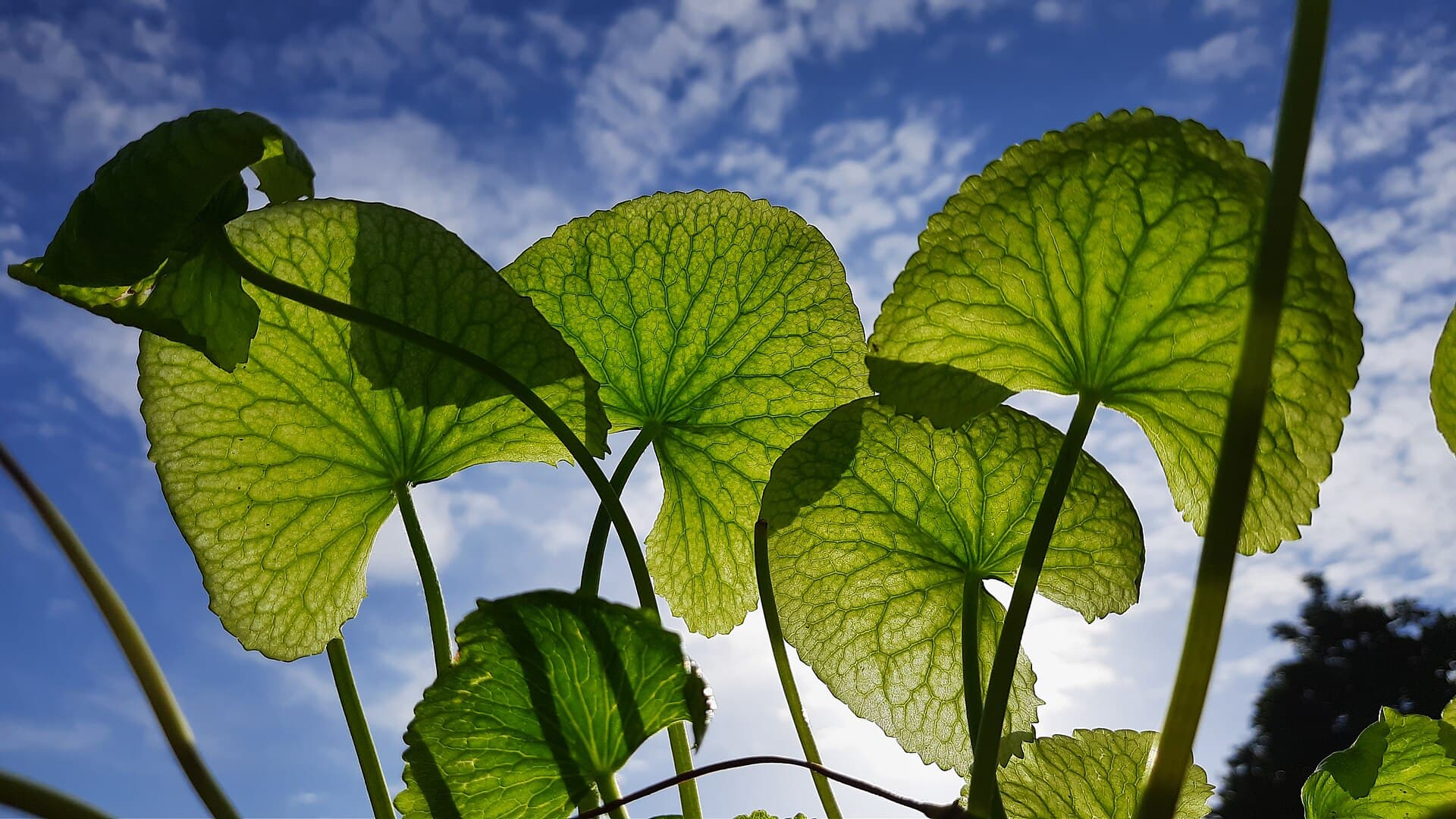
Snail mucin, propolis and centella asiatica: where these three Korean ingredients come from, what they actually contain, and how to read the percentages on the front.
Thirty years in four waves, who broadcasts what, the narrative codes to see once, and the beginner mistakes that spoil your first series.
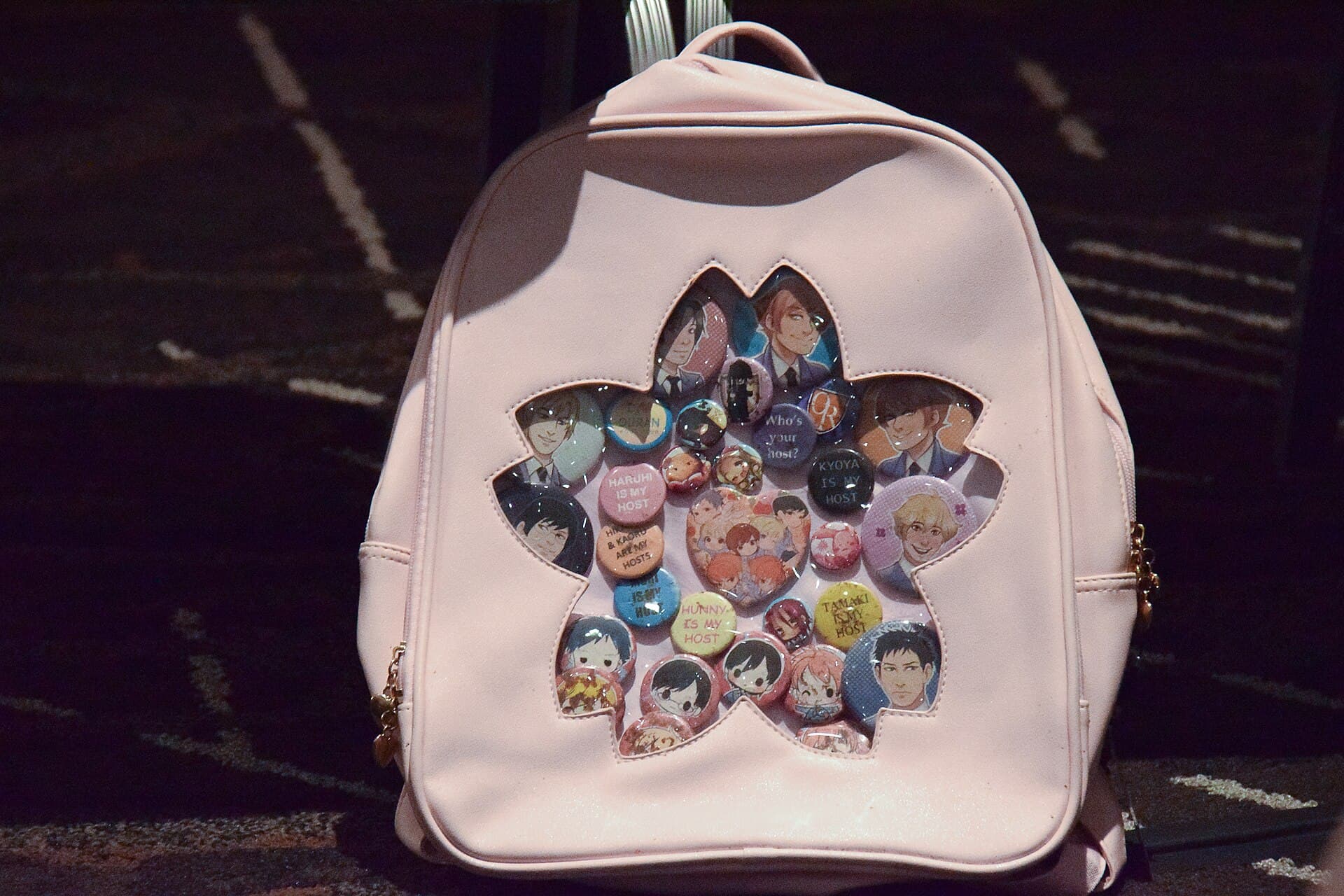
Bias, bias wrecker, ultimate bias, oshi, choeae, weifen: how Asian fandoms turned picking a favourite into an institution, a vocabulary and an economy.
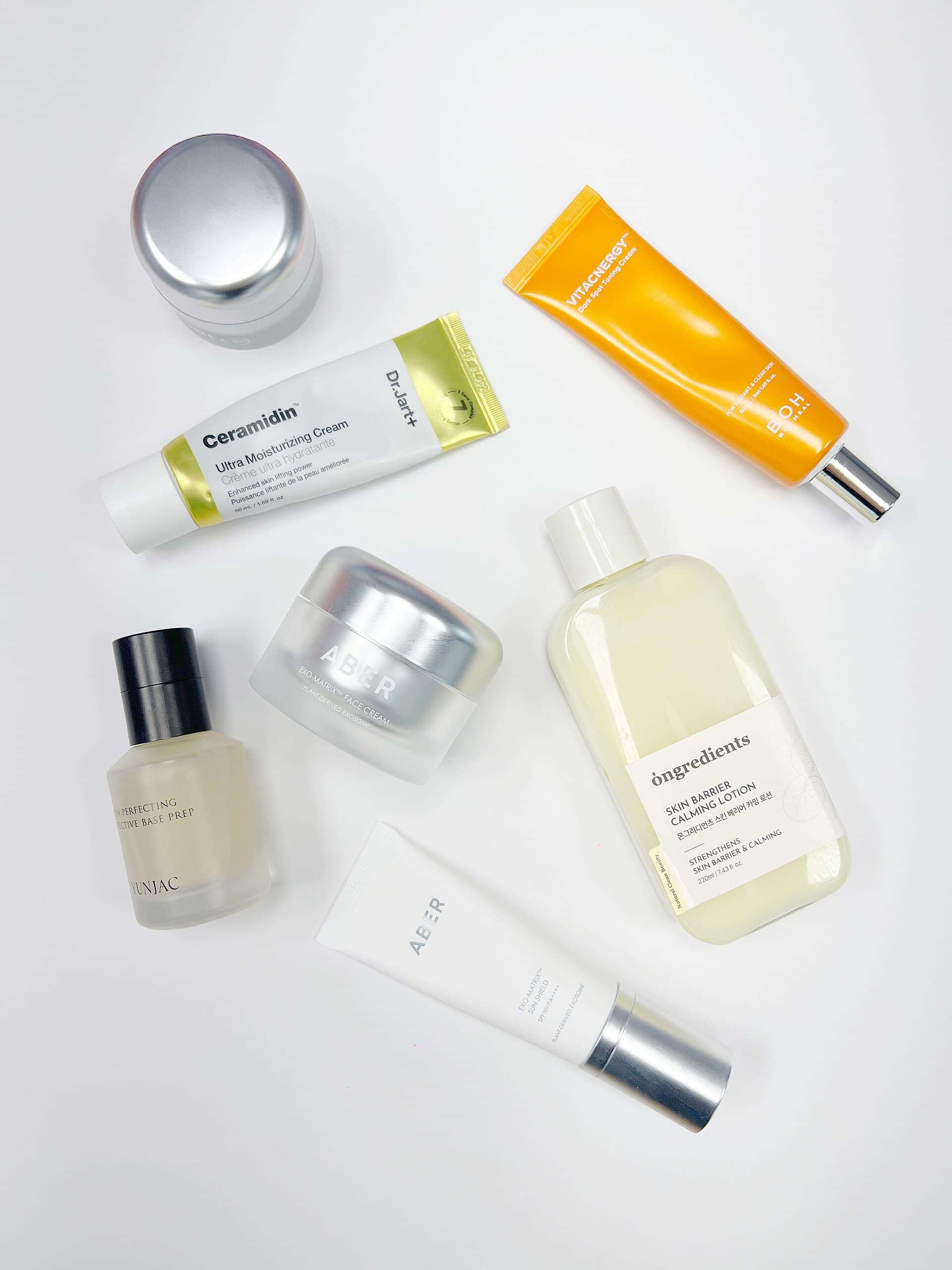
Salmon DNA, extracellular vesicles, fermentation filtrates: where the three actives shaping Korean skincare come from, and what they actually do.
Where the term comes from, the real protocol, what Seoul clinics add and the traps to avoid: what Korean glass skin actually requires, without empty promises.
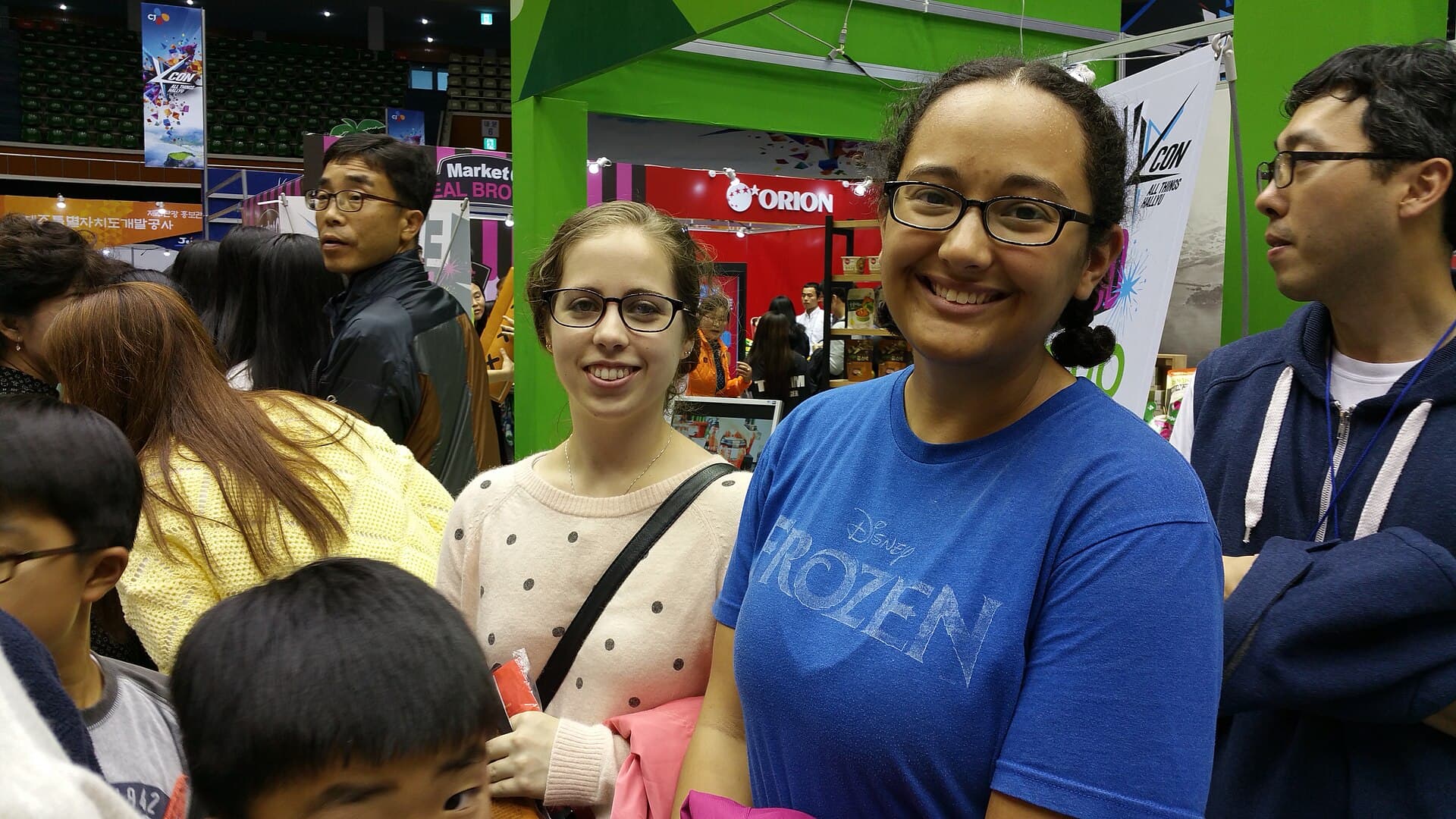
How a K-pop fandom works: official names, colours, fanchants, Bluetooth lightsticks, fancafés and paid platforms, plus the lexicon and economy of devotion.
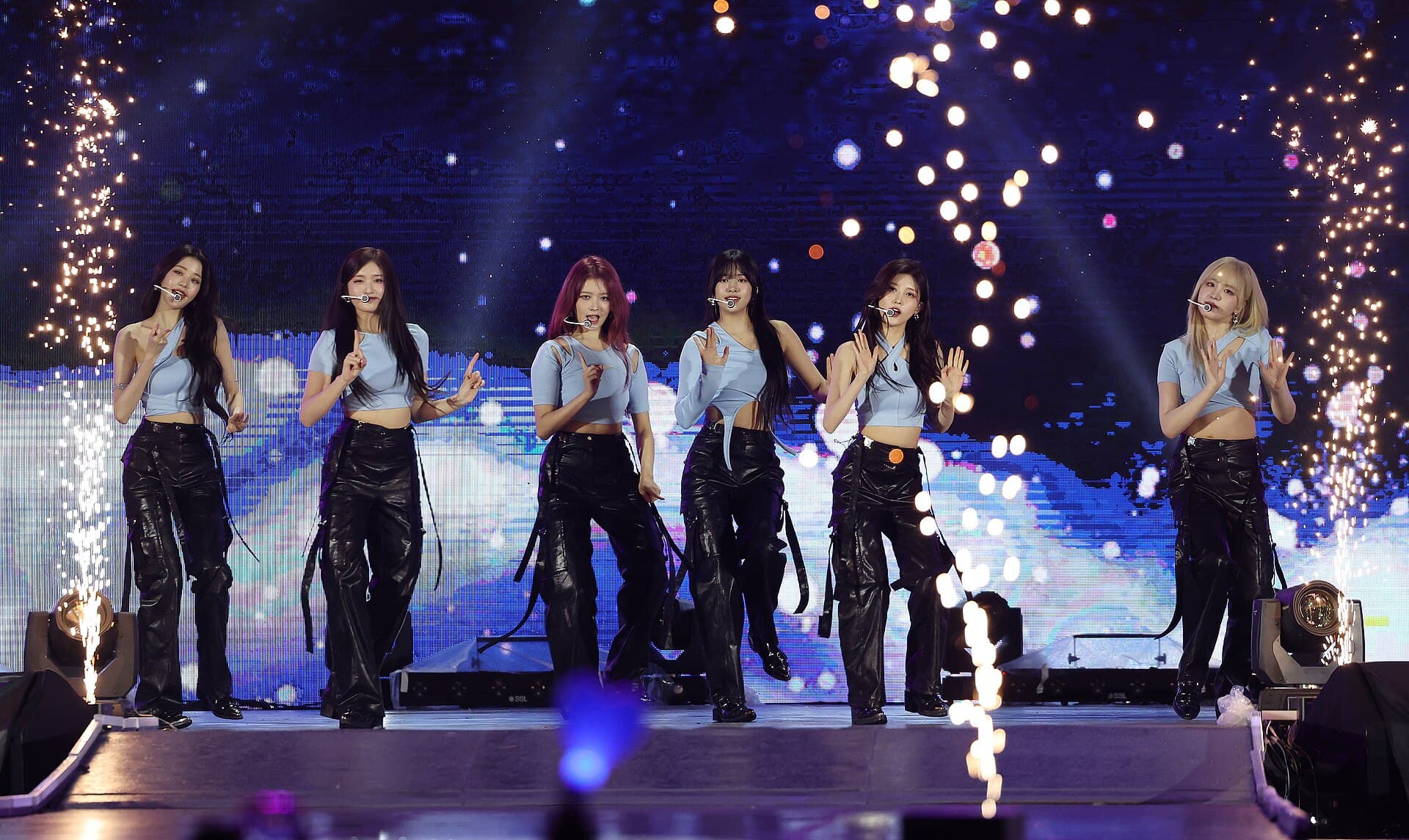
The K-pop comeback decoded: teaser schedules, multi-version albums, first-week sales, music shows, TikTok challenges and the human cost of the cycle.
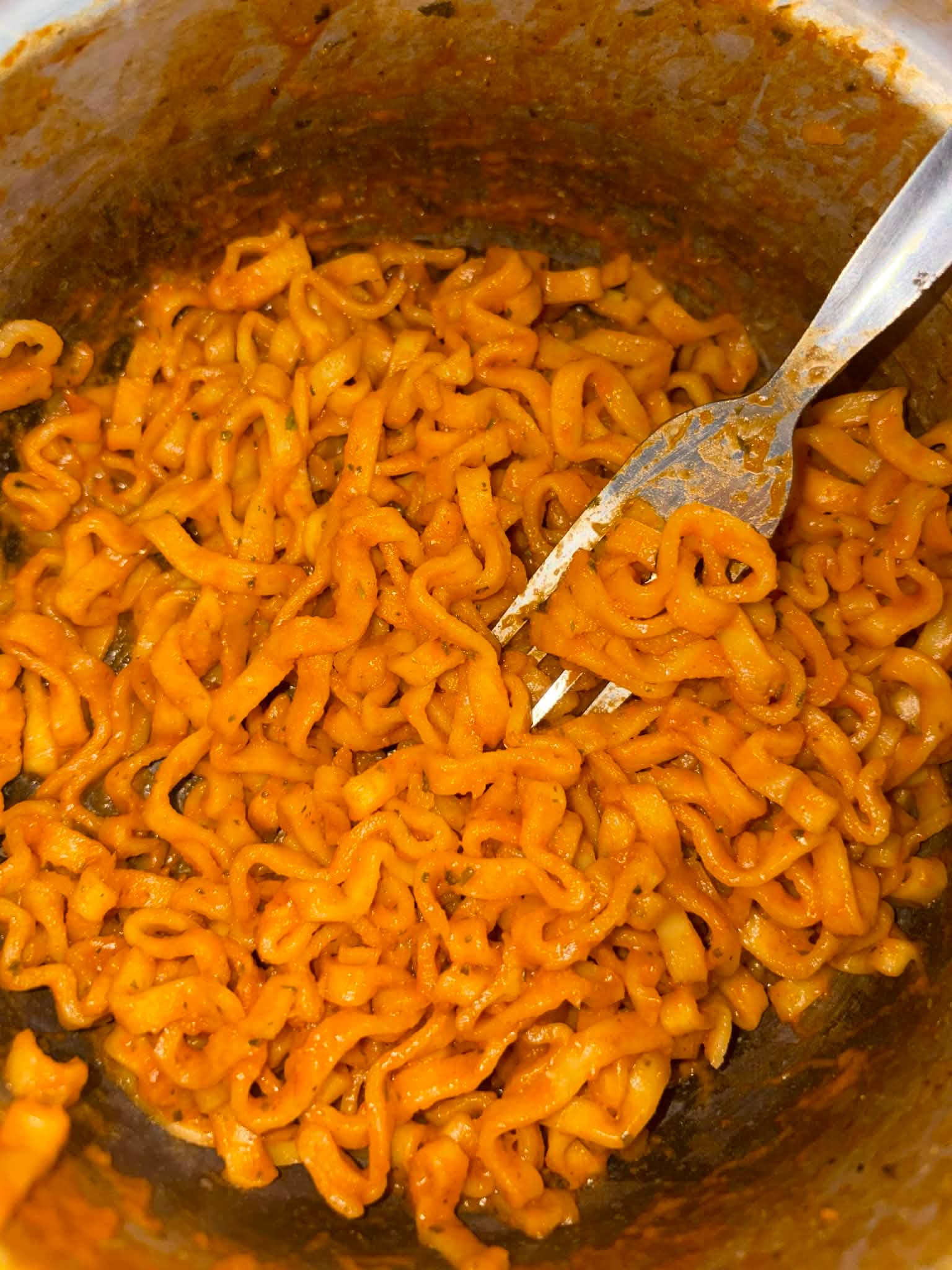
Ramyeon (라면) is not Japanese ramen: almost always instant and fiery. From Samyang in 1963 to the global Shin Ramyun and the ram-don of Parasite.
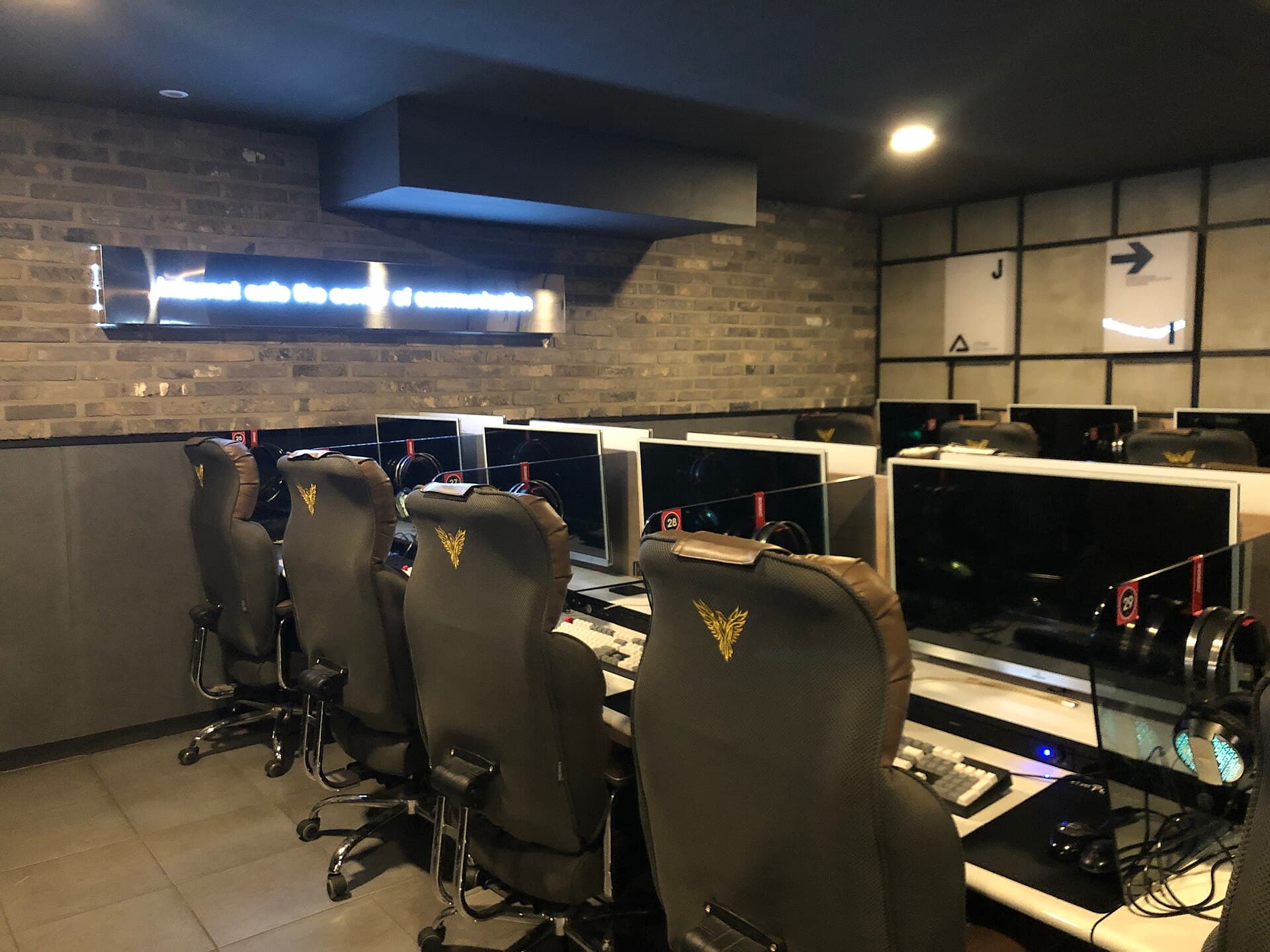
Birthplace of the MMORPG and free-to-play, Korea gave the world Lineage, MapleStory and a business model that reshaped the global games industry.
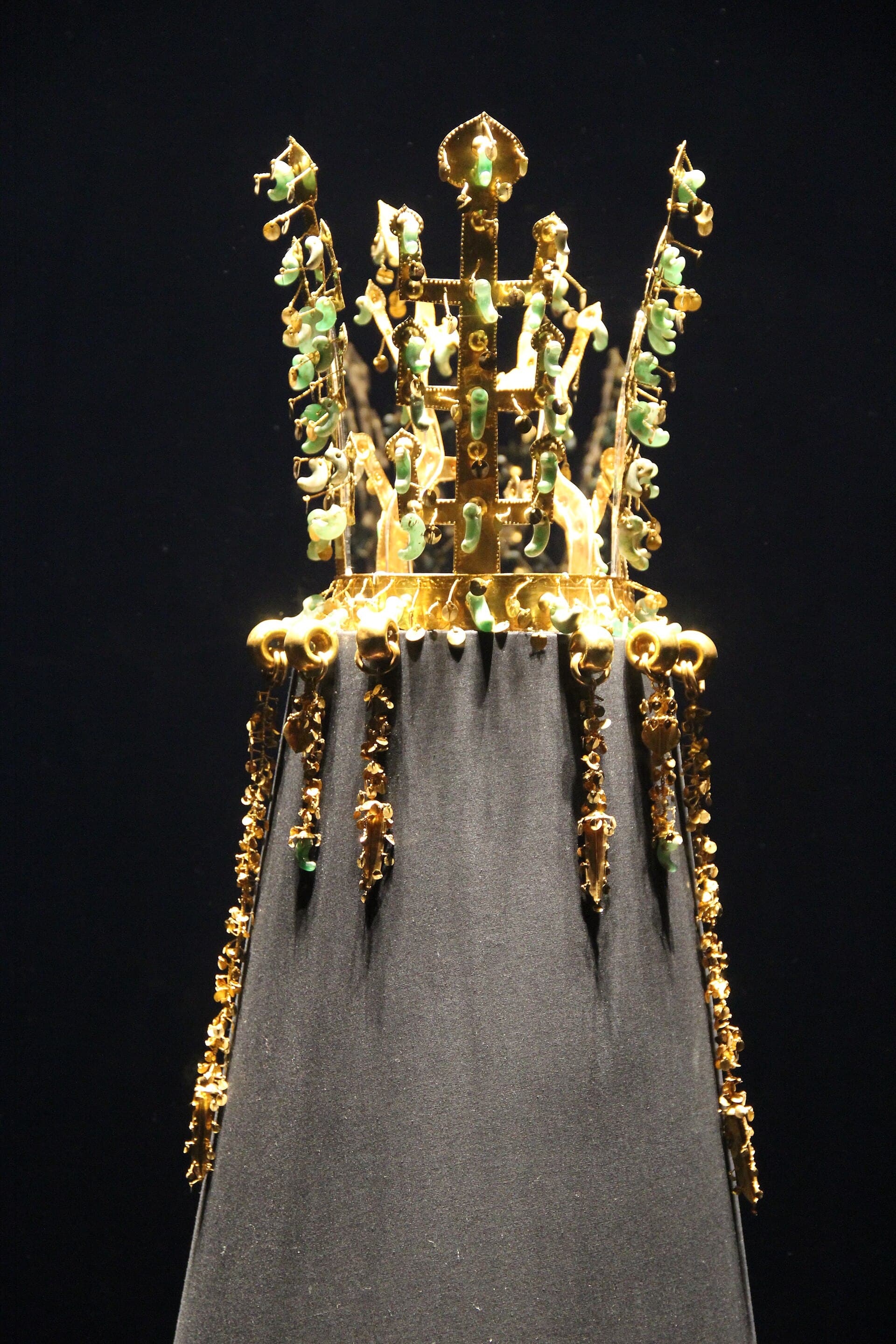
Two thousand years in five names: the founding kingdom, the Three Kingdoms, unified Silla, Goryeo which gave the country its name, and Joseon which lasted five centuries.
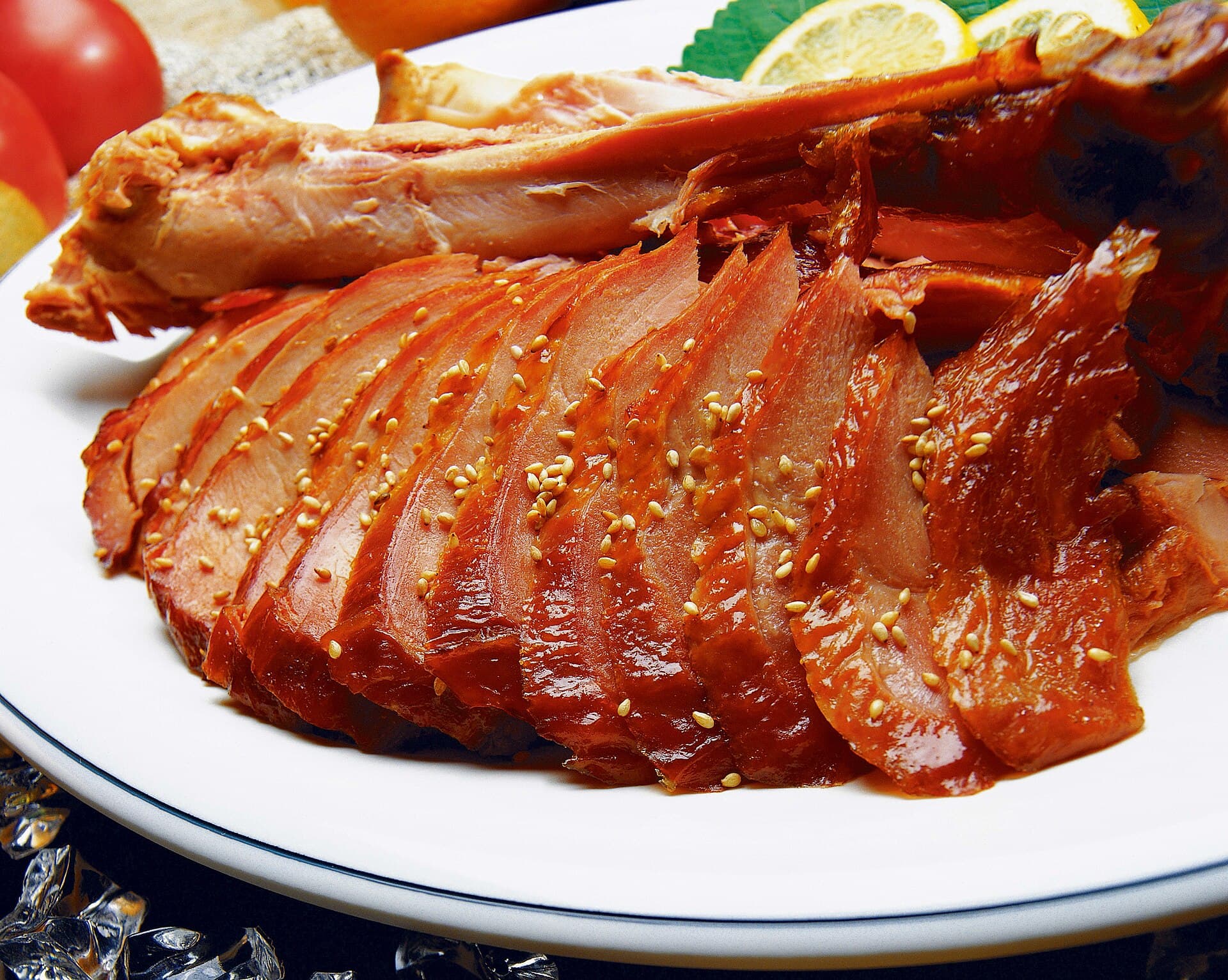
Mukbang, those videos of people eating on camera, was born in South Korea around 2009. The story of a portmanteau, a shared distant meal and a worldwide hit.
Hundreds of clinics in a few streets, double eyelid surgery as a graduation present, medical tourism, and the real figures of the Korean market.
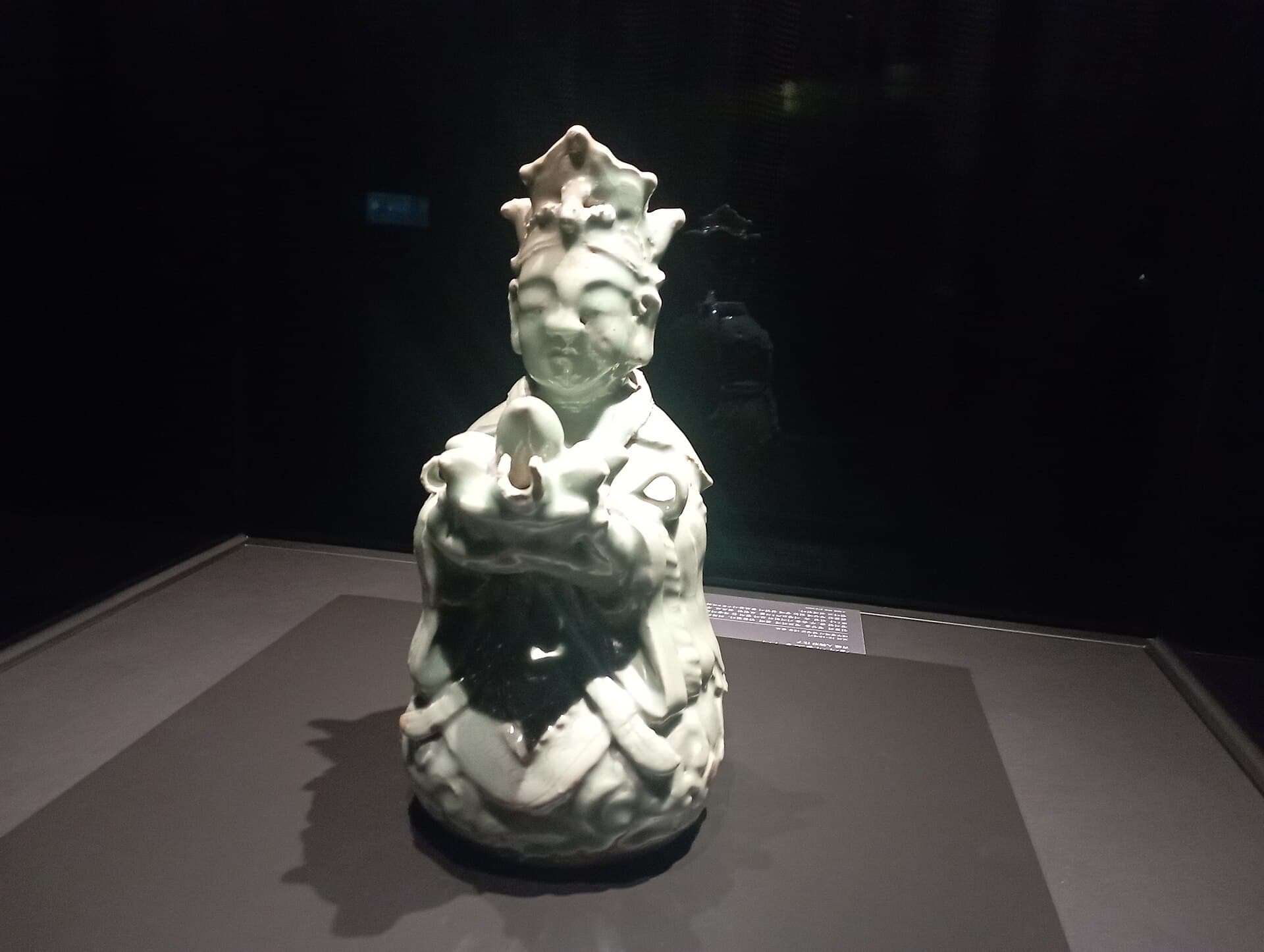
The word Korea comes not from Joseon but from Goryeo, the dynasty of 918 to 1392: Wang Geon, celadon, the Jikji, and the caravans that carried the name west.
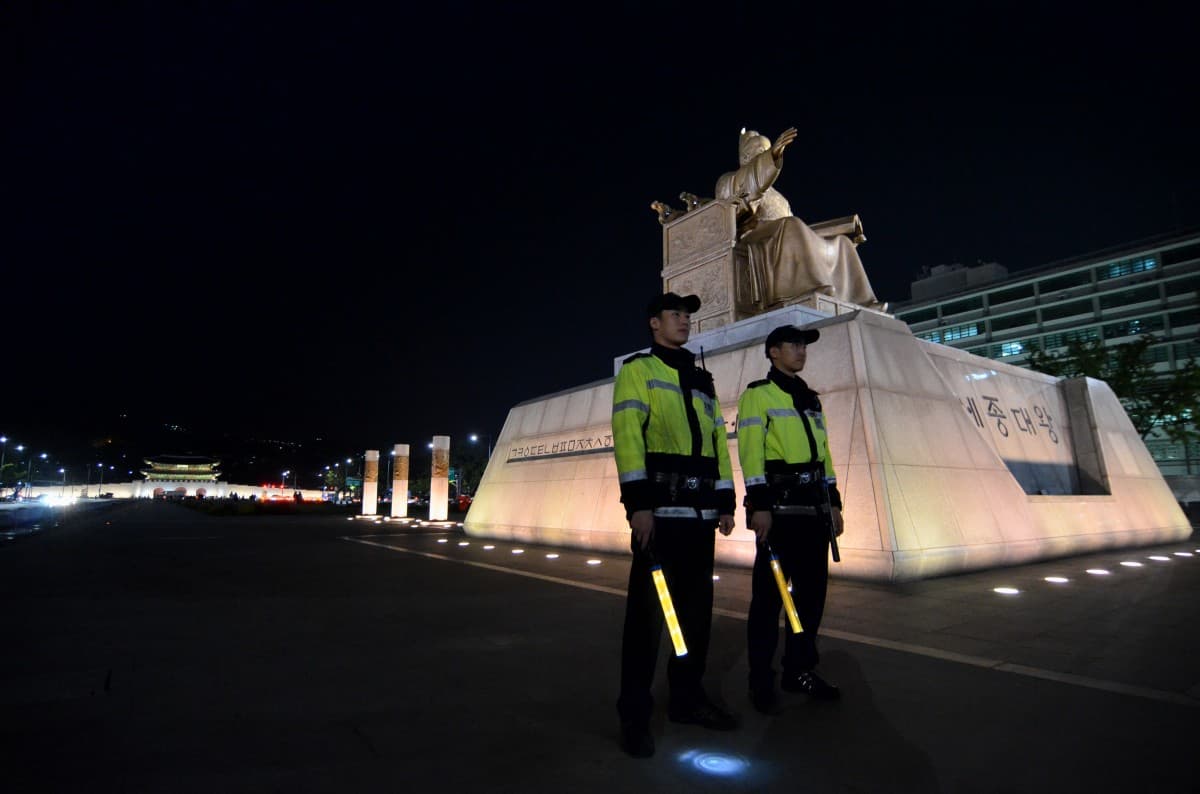
A portrait of Sejong the Great (1397-1450), 4th king of Joseon: his accession, the scientific golden age of his reign, and the invention of hangeul.
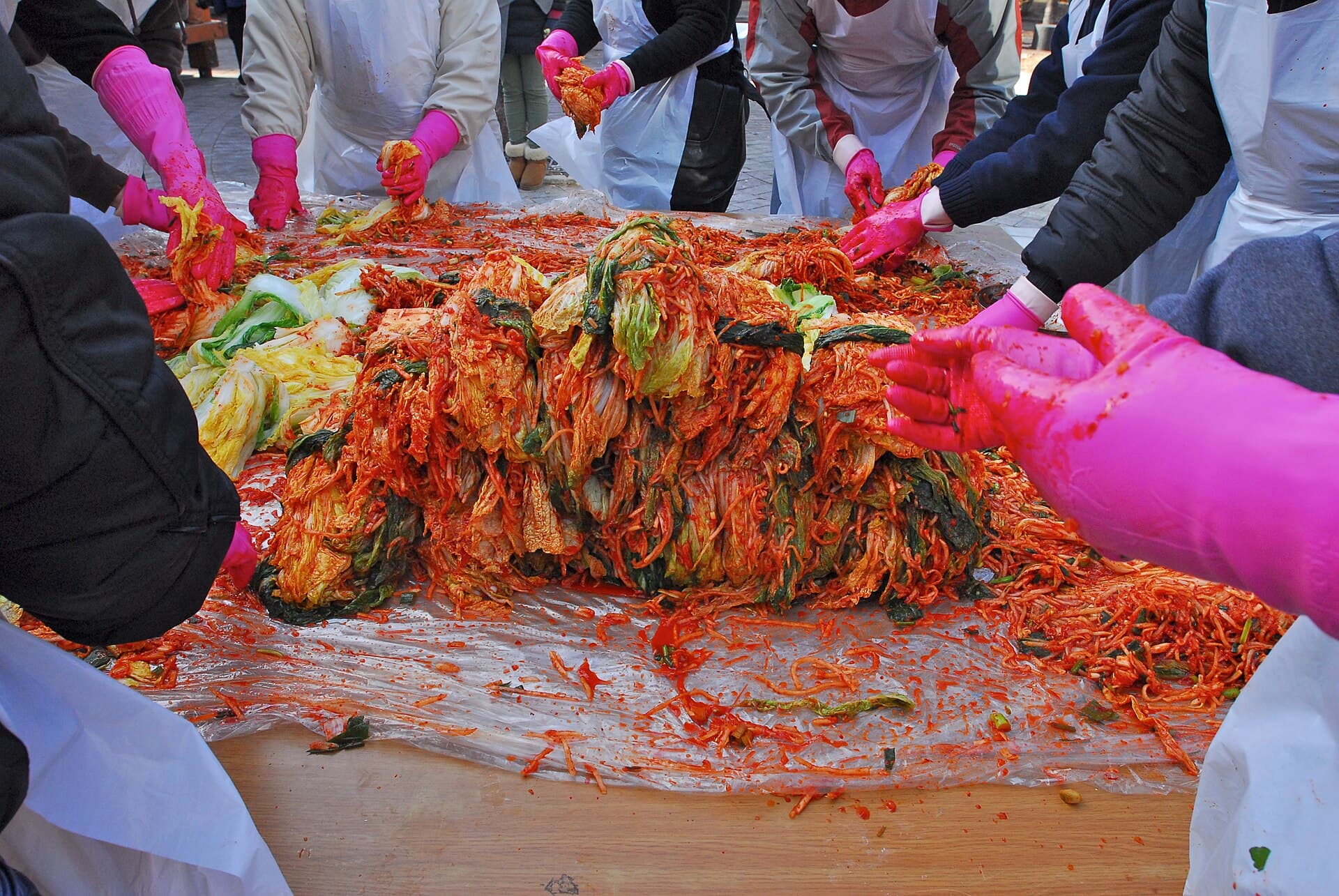
Every autumn, families and neighbors salt dozens of cabbages together. Meet kimjang, the communal kimchi-making listed by UNESCO in 2013.
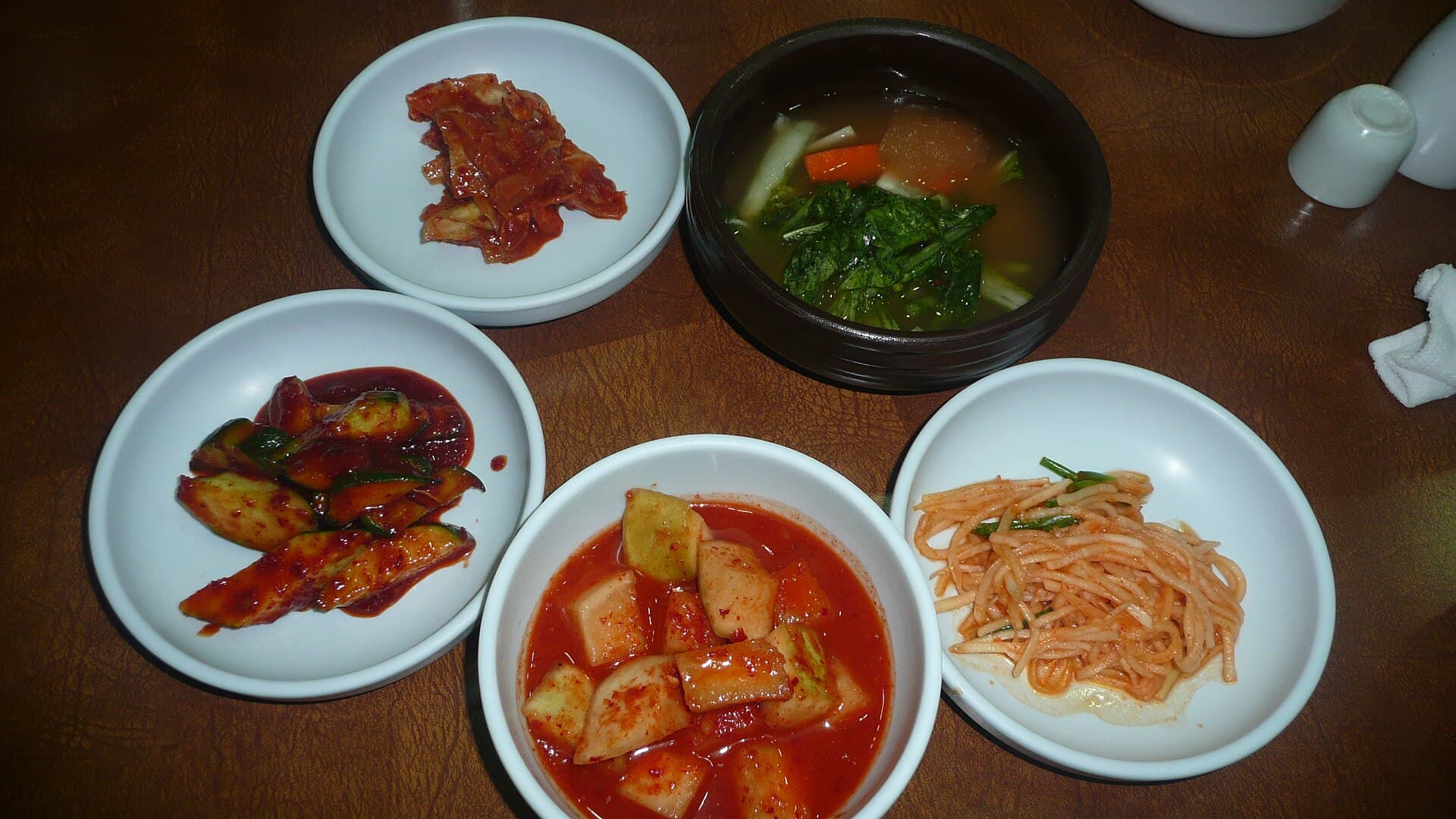
Kimchi is not one dish but a family: whole cabbage, cubed radish, winter brine, summer versions. The edible atlas of a national fermentation.

Baby voice, finger heart, buing buing: aegyo is a Korean relational language. Origins, repertoire, the gender debate, and its Asian cousins decoded.
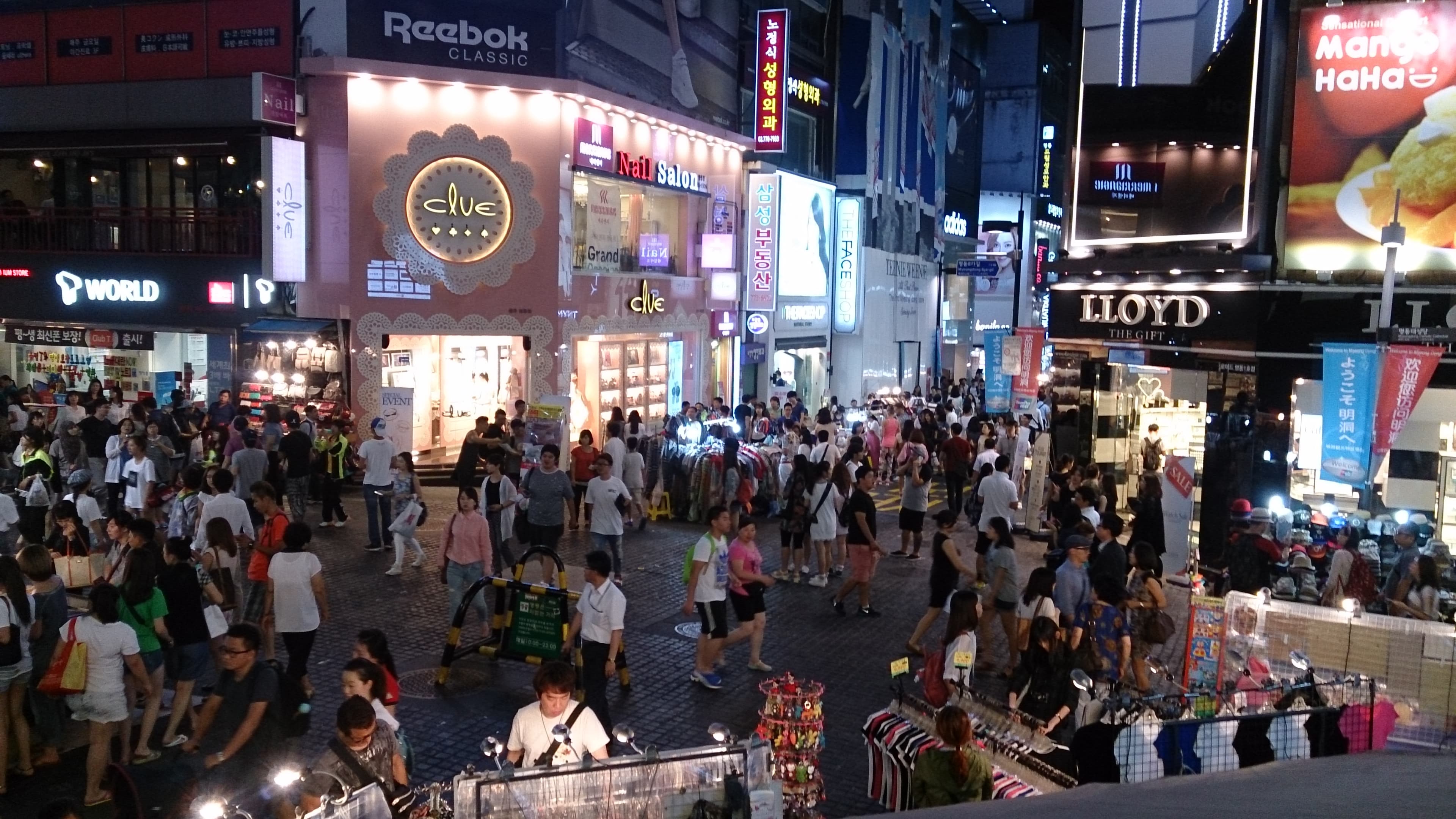
Bullet delivery, the world's fastest internet, the Miracle on the Han River: inside palli-palli, the national reflex that built Korea and sometimes broke it.
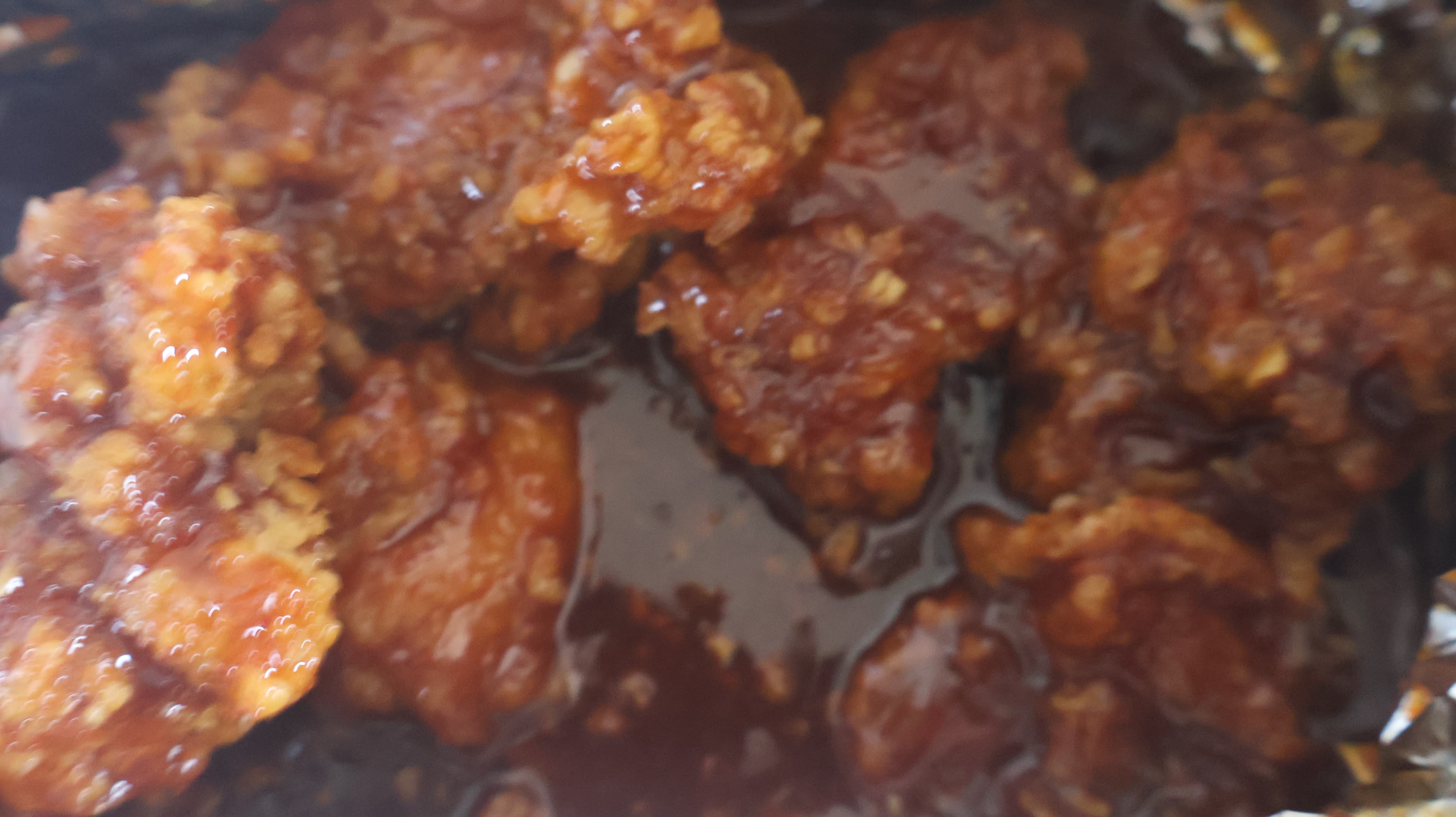
Crisp fried chicken and cold beer: how chimaek became a ritual of Korean sociability and a cultural export of the country.
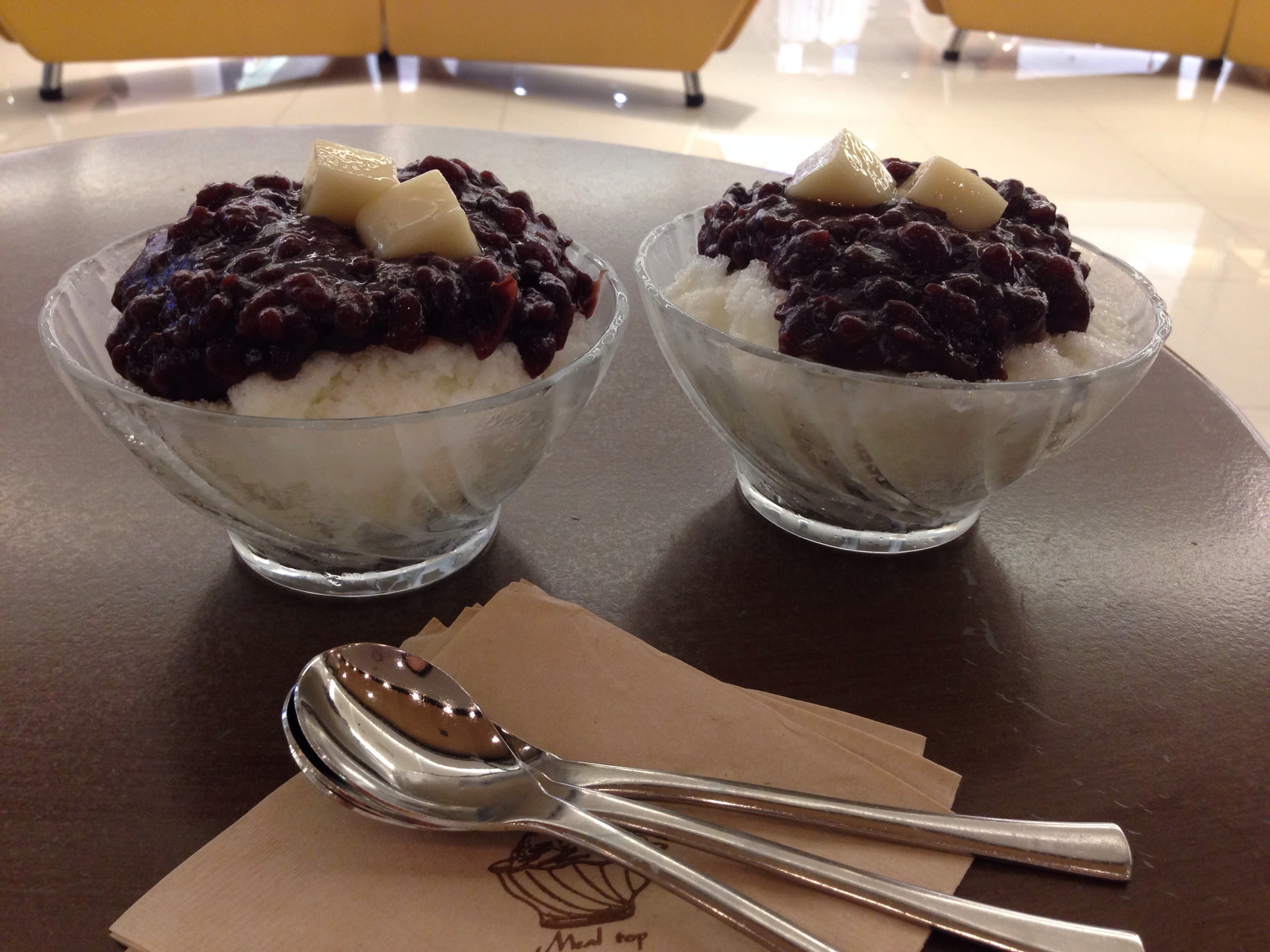
From royal ice-storage dessert to Instagrammable chains: a journey through patbingsu, the mountain of shaved ice that cools the Korean summer.
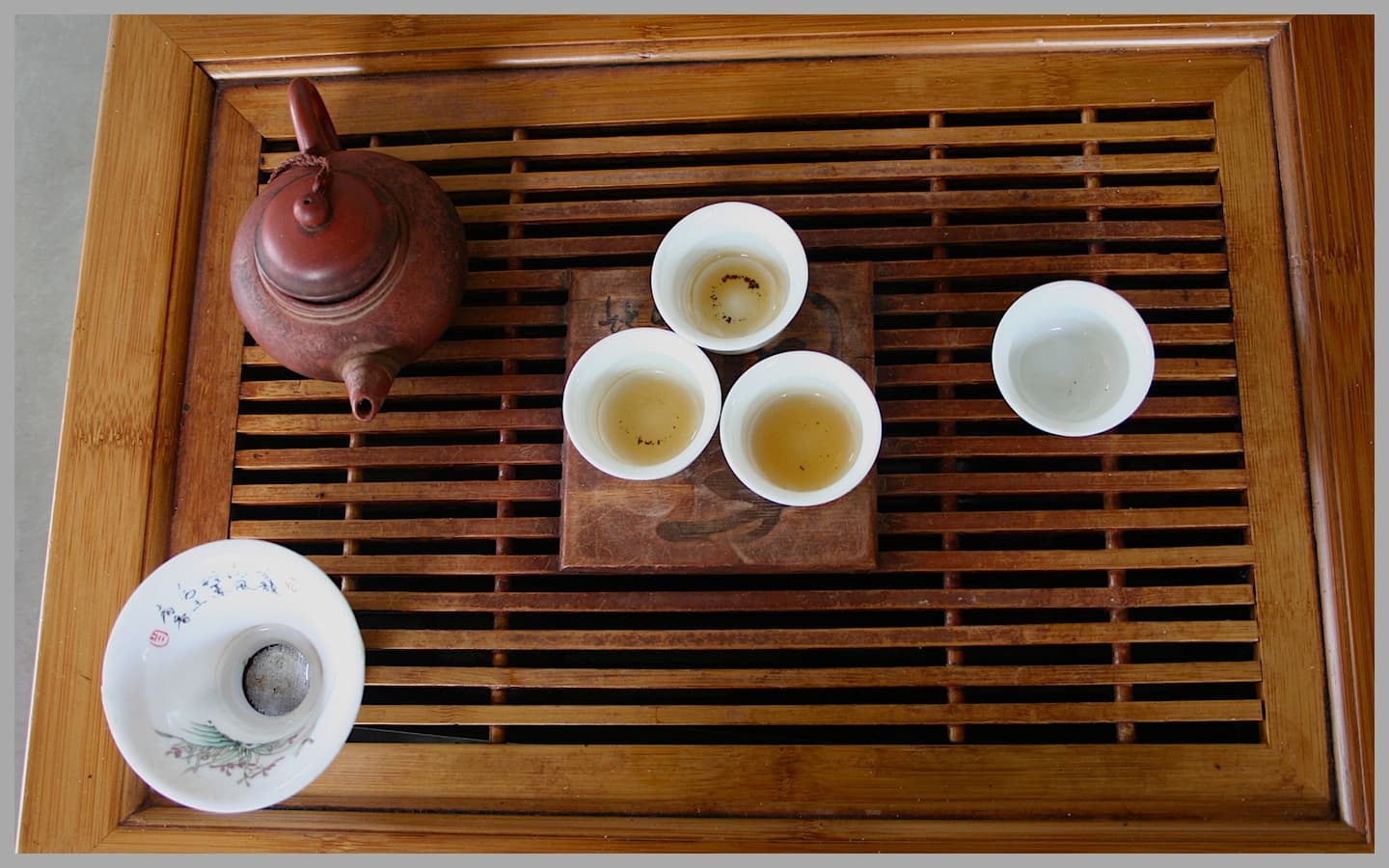
Tea was Asia's mother drink. In a century, the Japanese kissaten, Korean dalgona and China's Luckin have installed coffee alongside it.
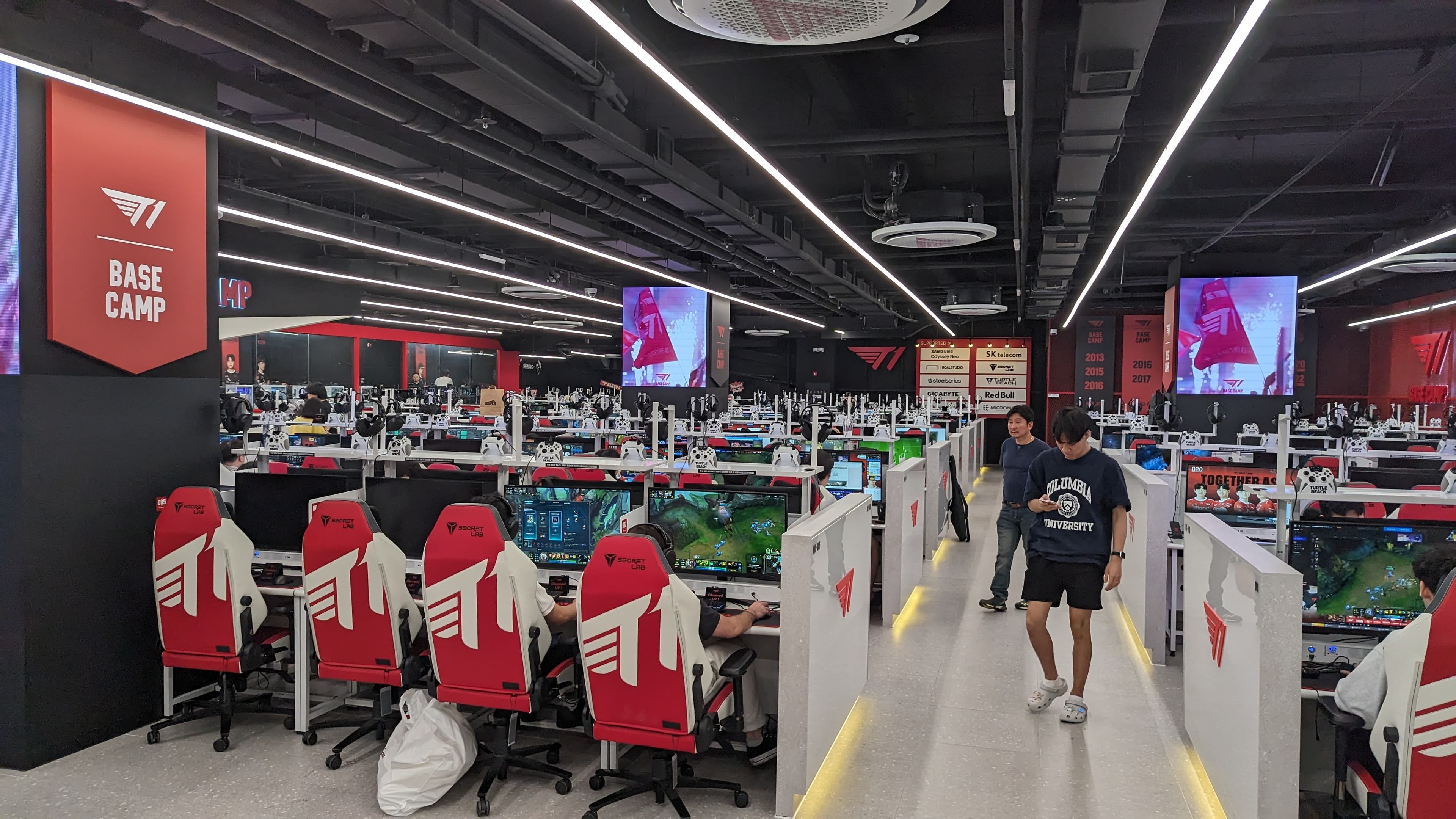
Born of the 1997 crisis and the StarCraft wave, Korea's PC bang industrialized a passion and invented modern e-sports.
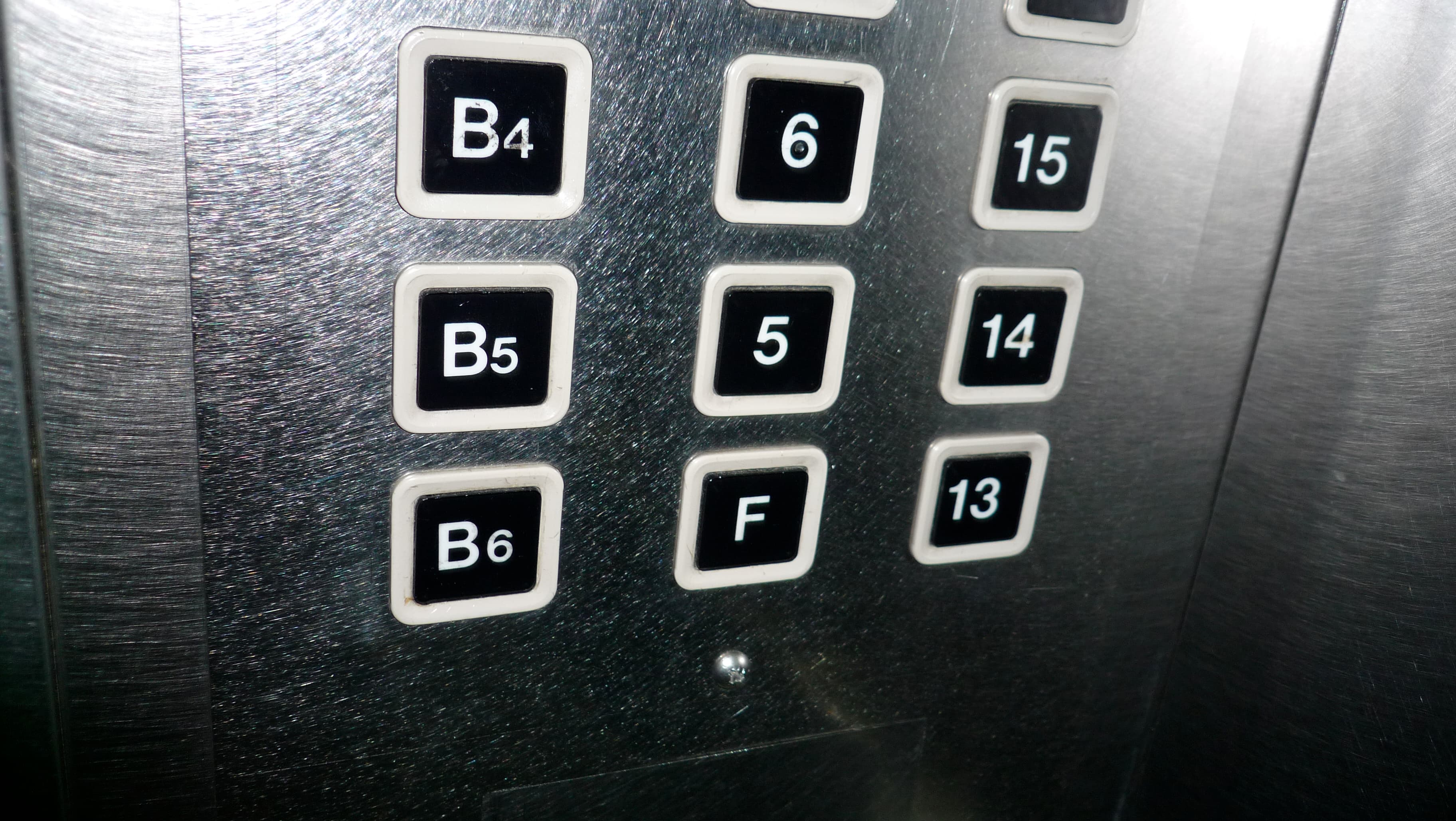
Lifts with no fourth floor, names forbidden in red ink, death by fan, auspicious days: a deep dive into Korean superstitions about numbers and dates.
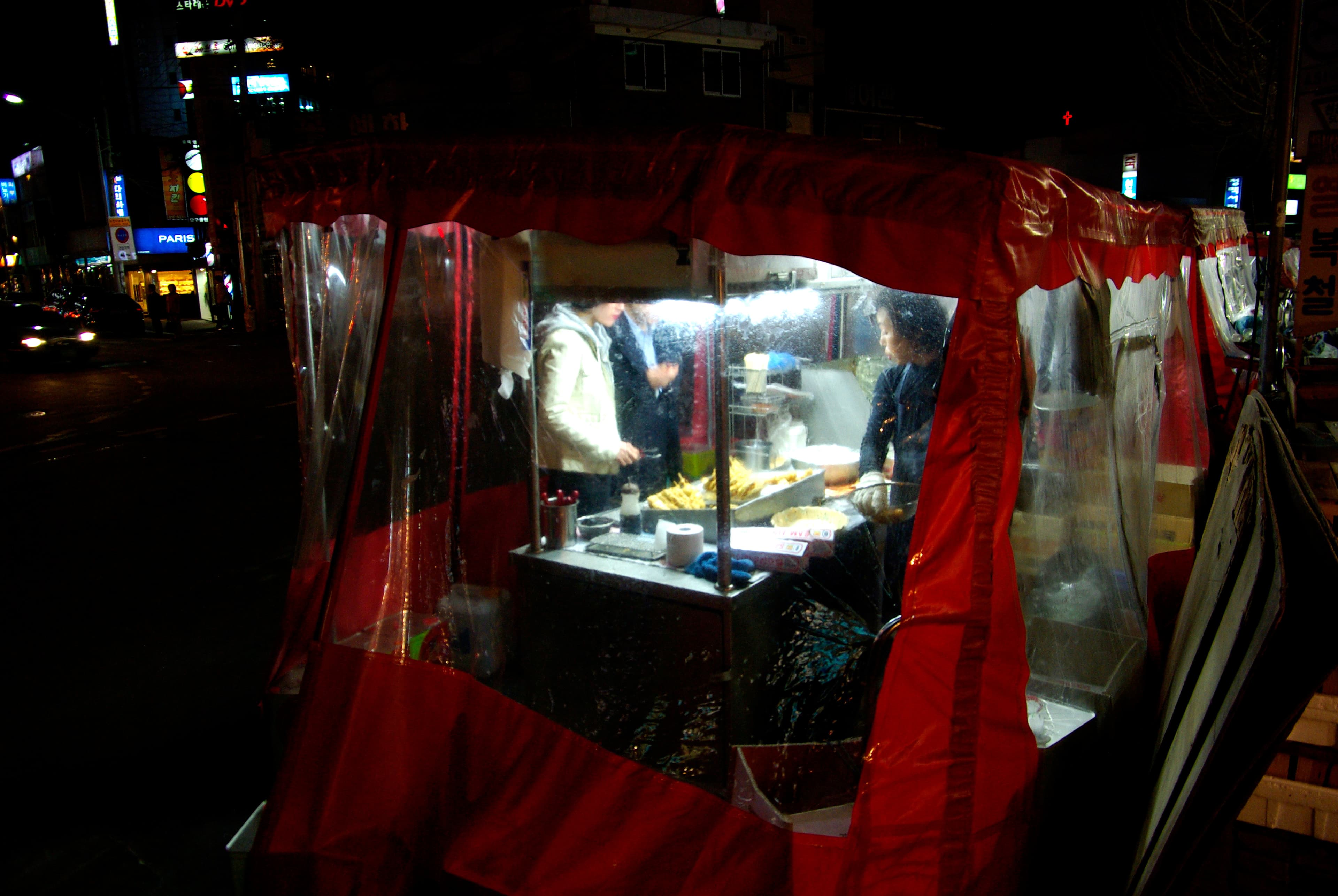
Molten hotteok, egg-filled gyeranppang, spicy tteokbokki, winter bungeoppang: a hungry guide to Korea's street snacks and how to order them.
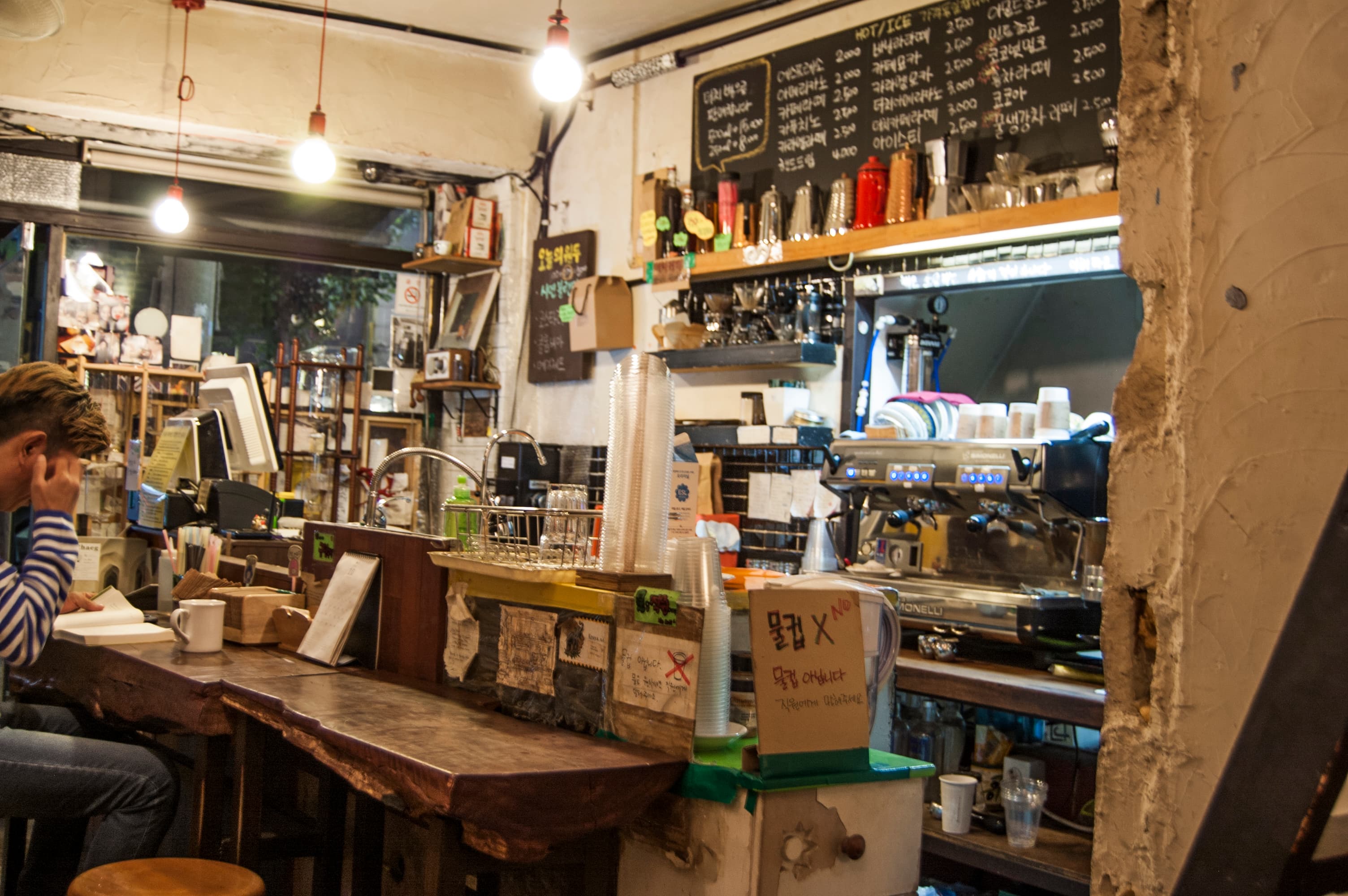
A country that runs on coffee: the café as living room and office, the galaxy of theme cafés, and how to order like a local.
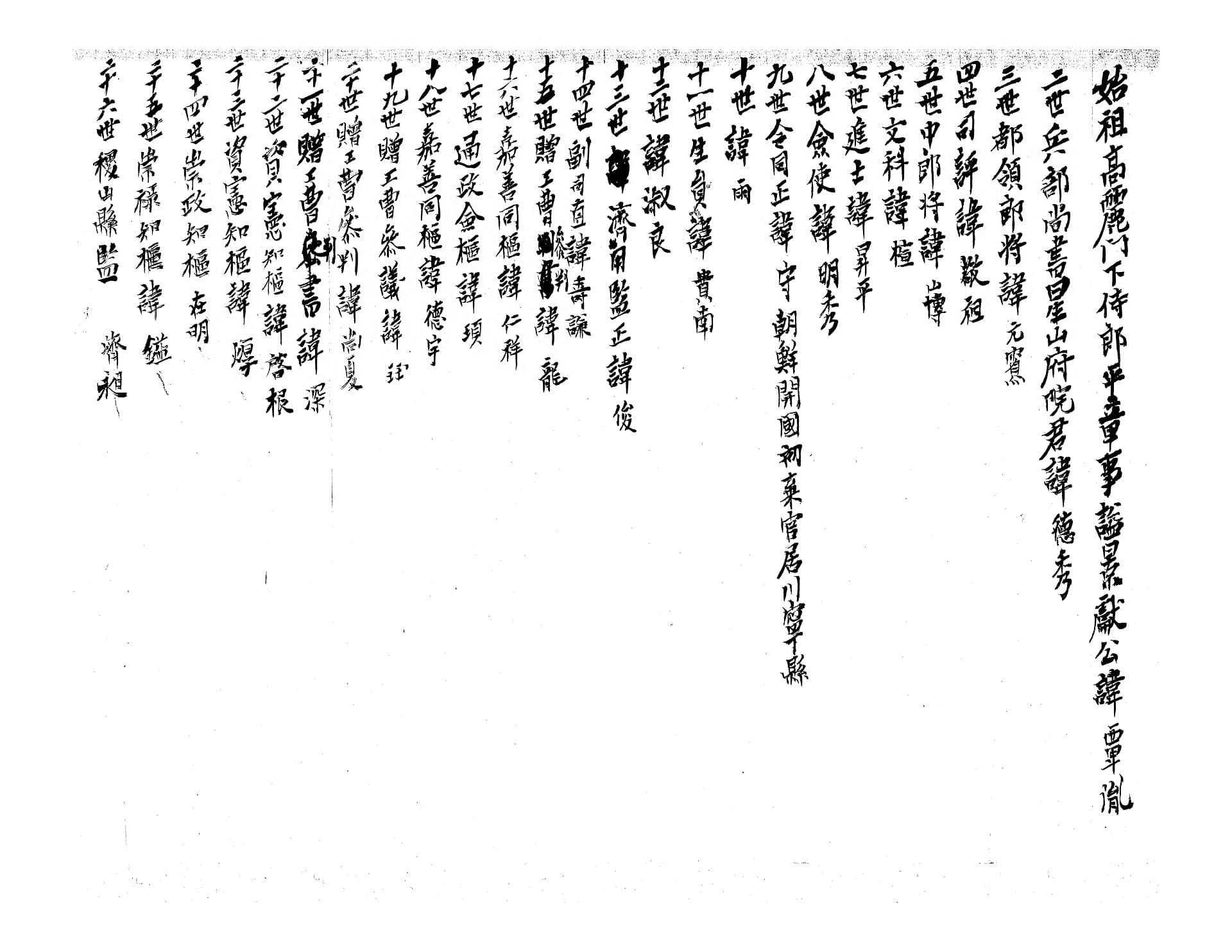
Why Kim, Lee and Park cover 45% of Koreans: bon-gwan clans, jokbo genealogies, the Gabo Reform and the ban on same-clan marriage.
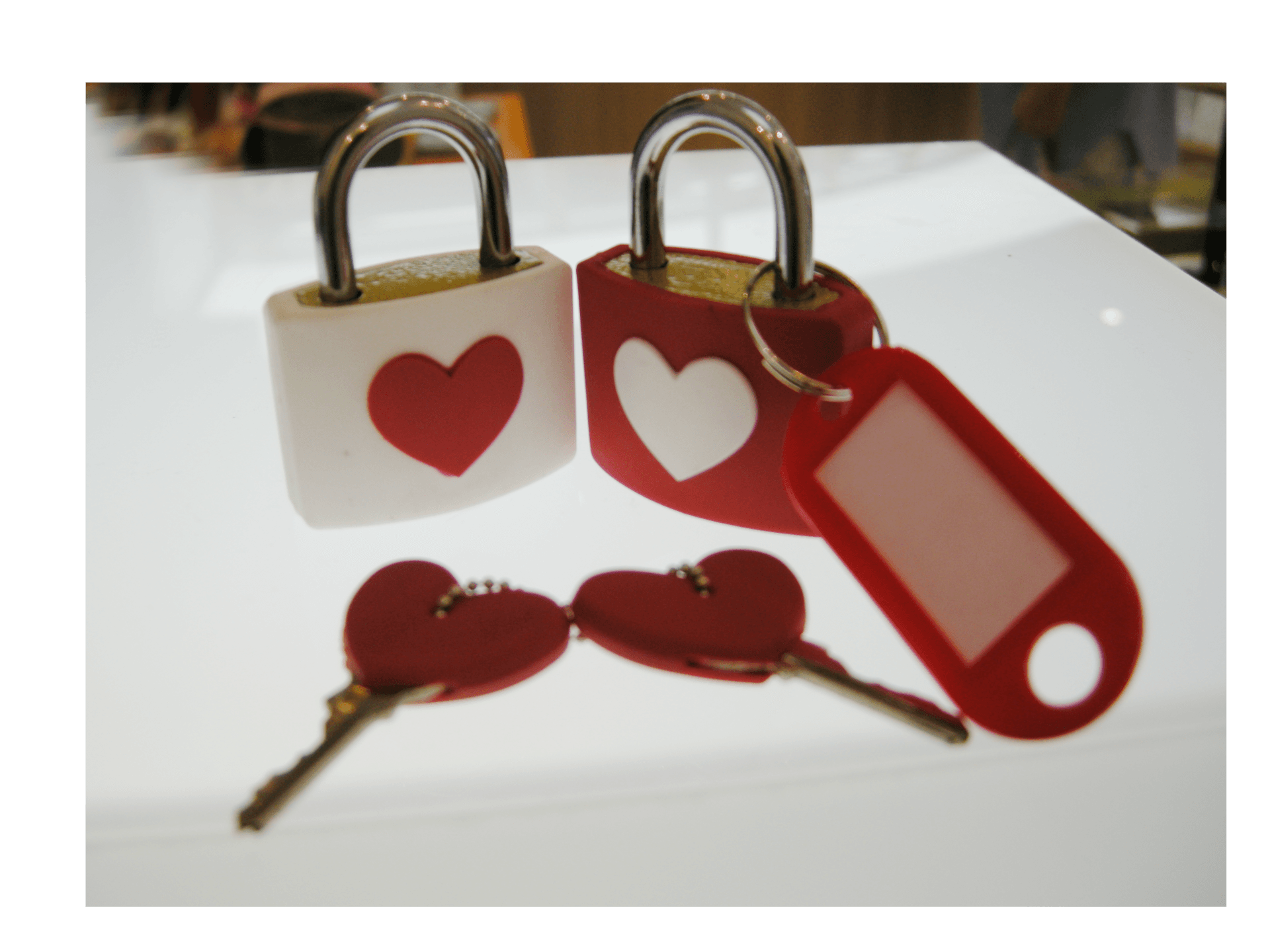
The keopeullook, those matching outfits worn by Korean couples, weaves together rings, the 100-day milestone and Pepero Day. A look at a highly coded social ritual.
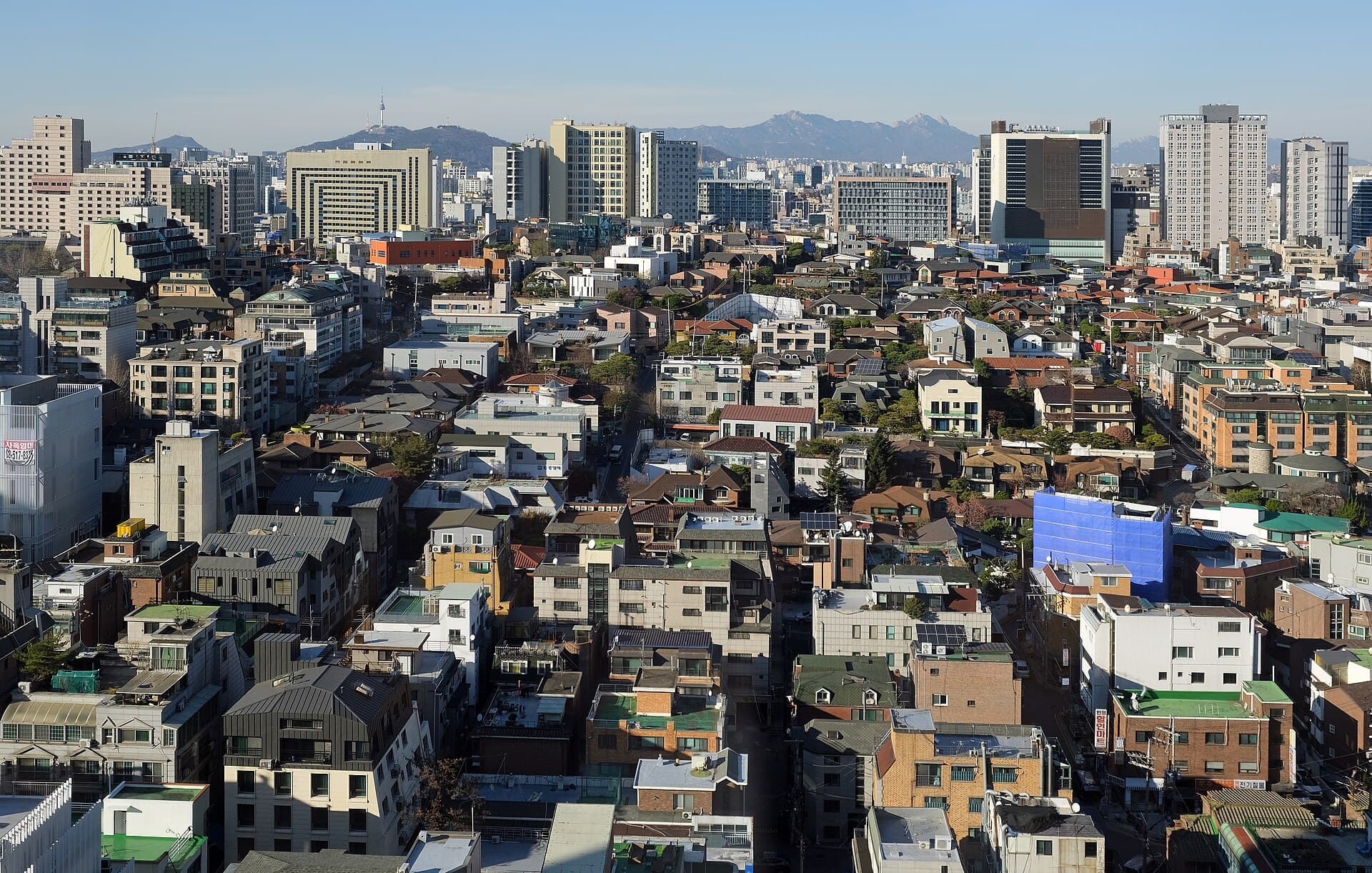
S-line, V-line, small face: the vocabulary that turns a body into geometry, Gangnam, appearance-based discrimination, and Escape the Corset.
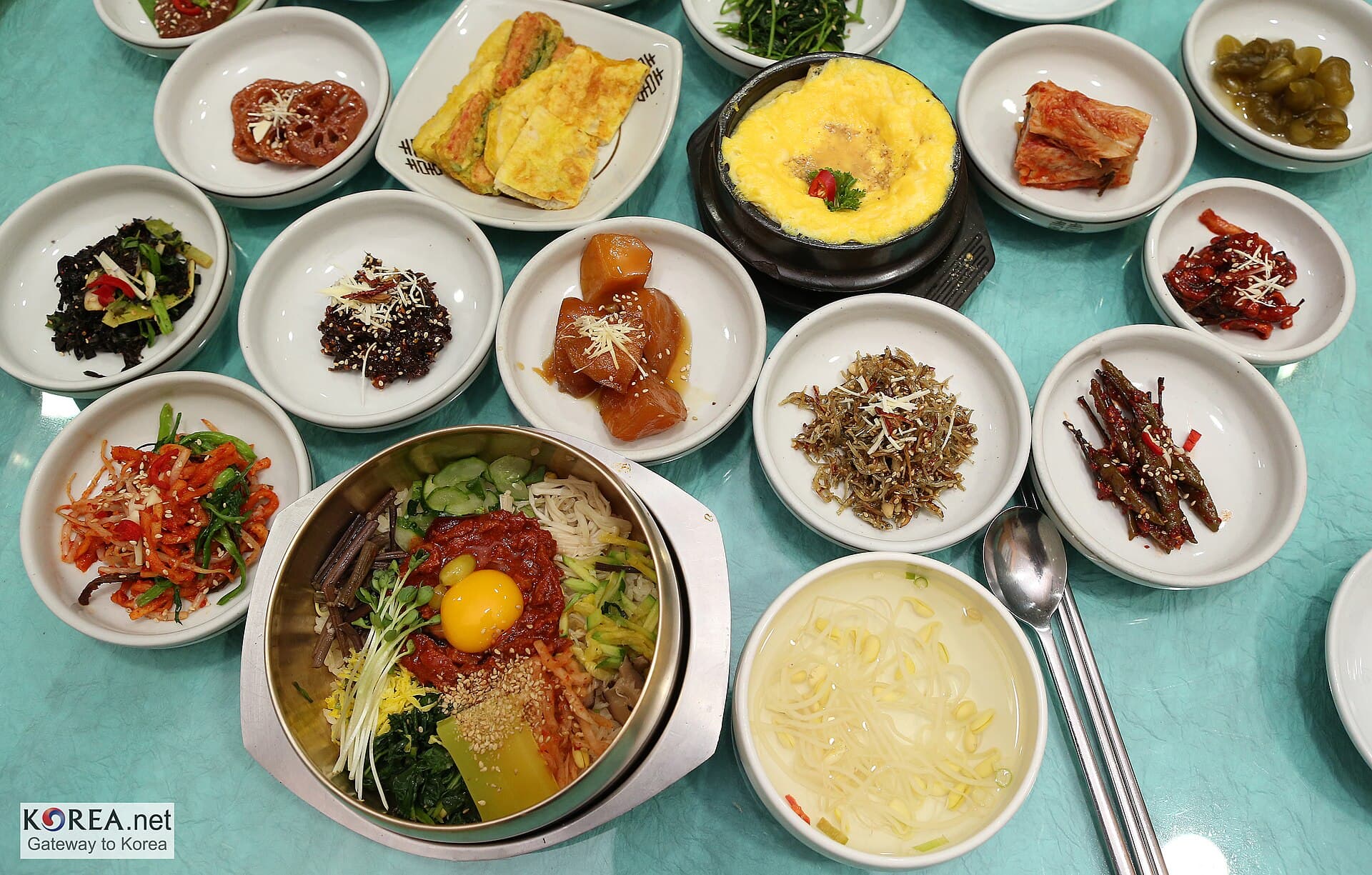
Jeong (정), the Korean affective bond said to be untranslatable: definition, miun jeong, uri and the culture of we. Understanding the feeling that weaves society.
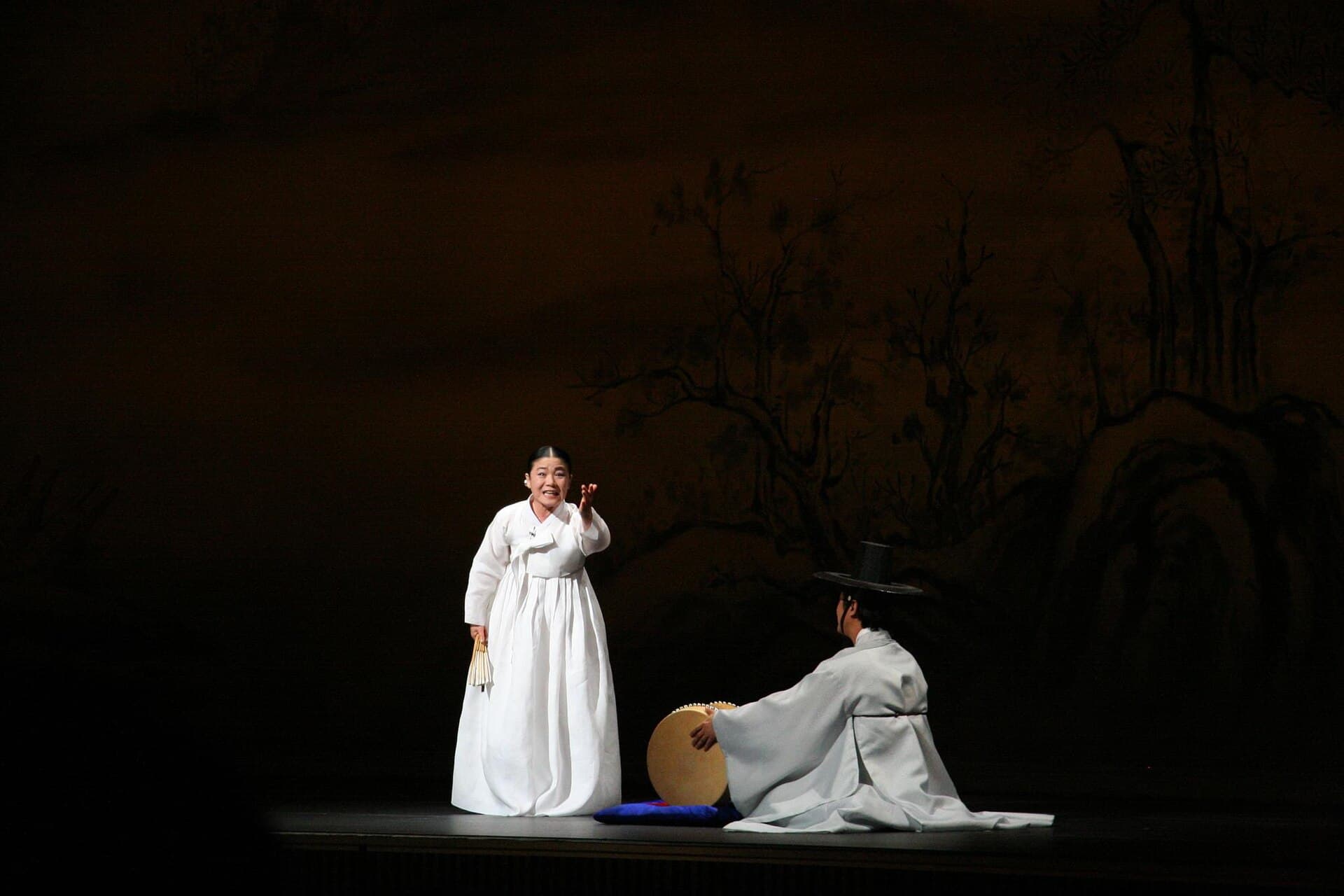
Han (한, 恨), that Korean sorrow made of swallowed resentment and endurance, is it an age-old essence or a colonial invention? An honest inquiry.
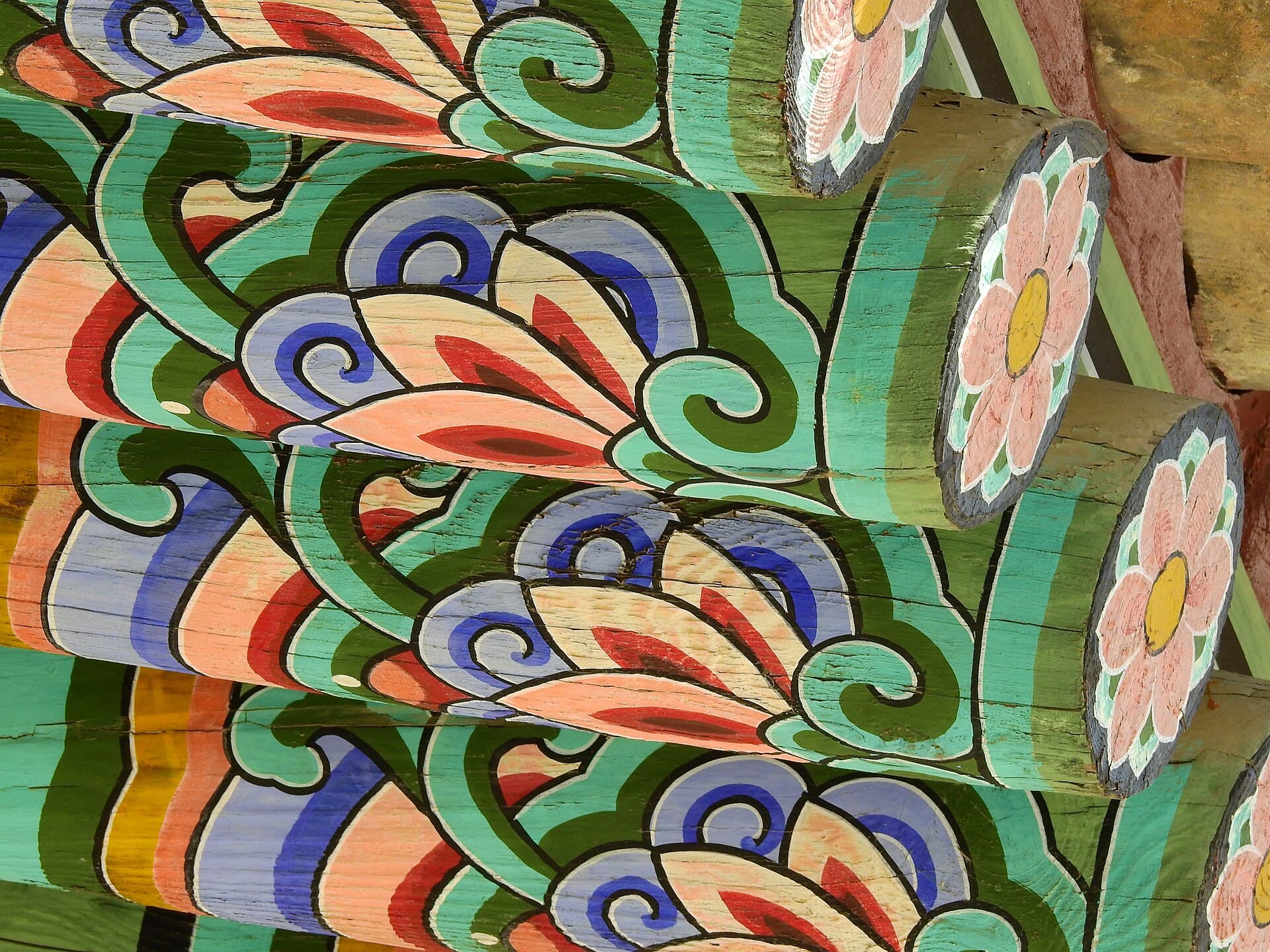
Blue, red, yellow, white, black: dancheong paints Korea's temples and palaces. Decoding the five cardinal colors and their symbolism.
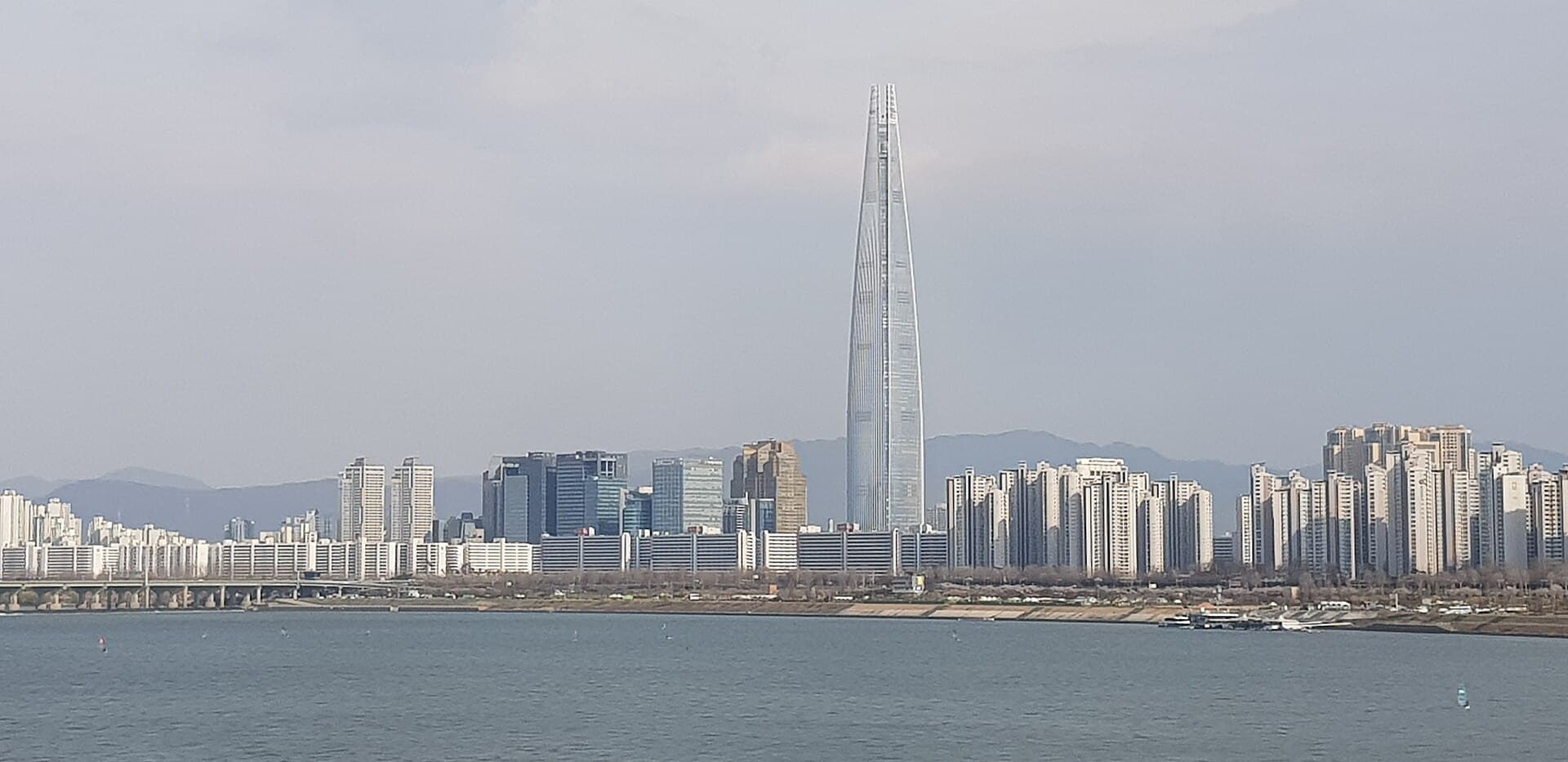
The anatomy of chaebols: zaibatsu roots, circular shareholdings, low-capital family control and billion-dollar successions at Samsung, Hyundai and LG.
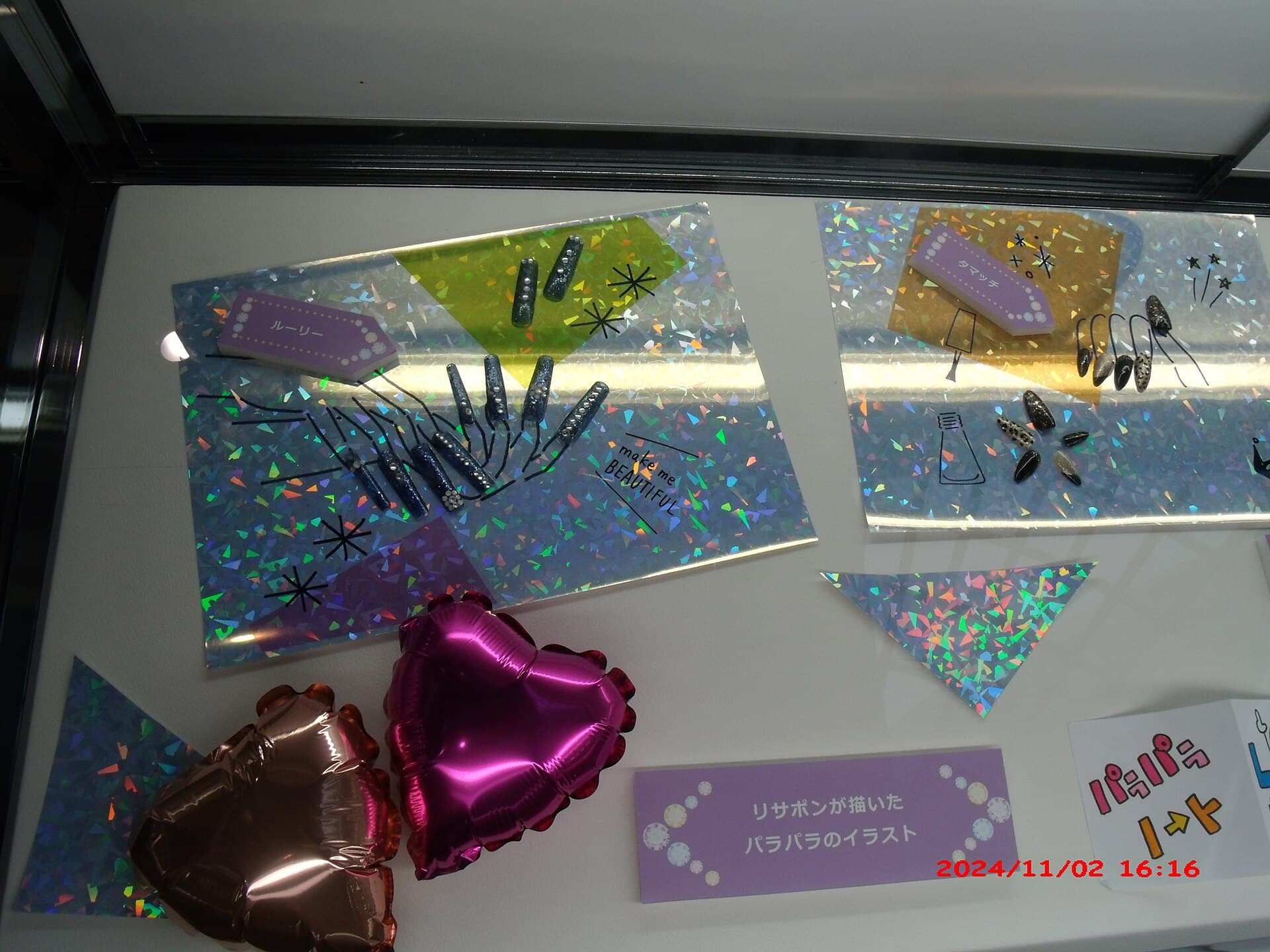
3D reliefs and jewels in Japan, minimalist jelly nails in Korea: a journey through Asian nail art, its techniques, its salons, and its global reach.
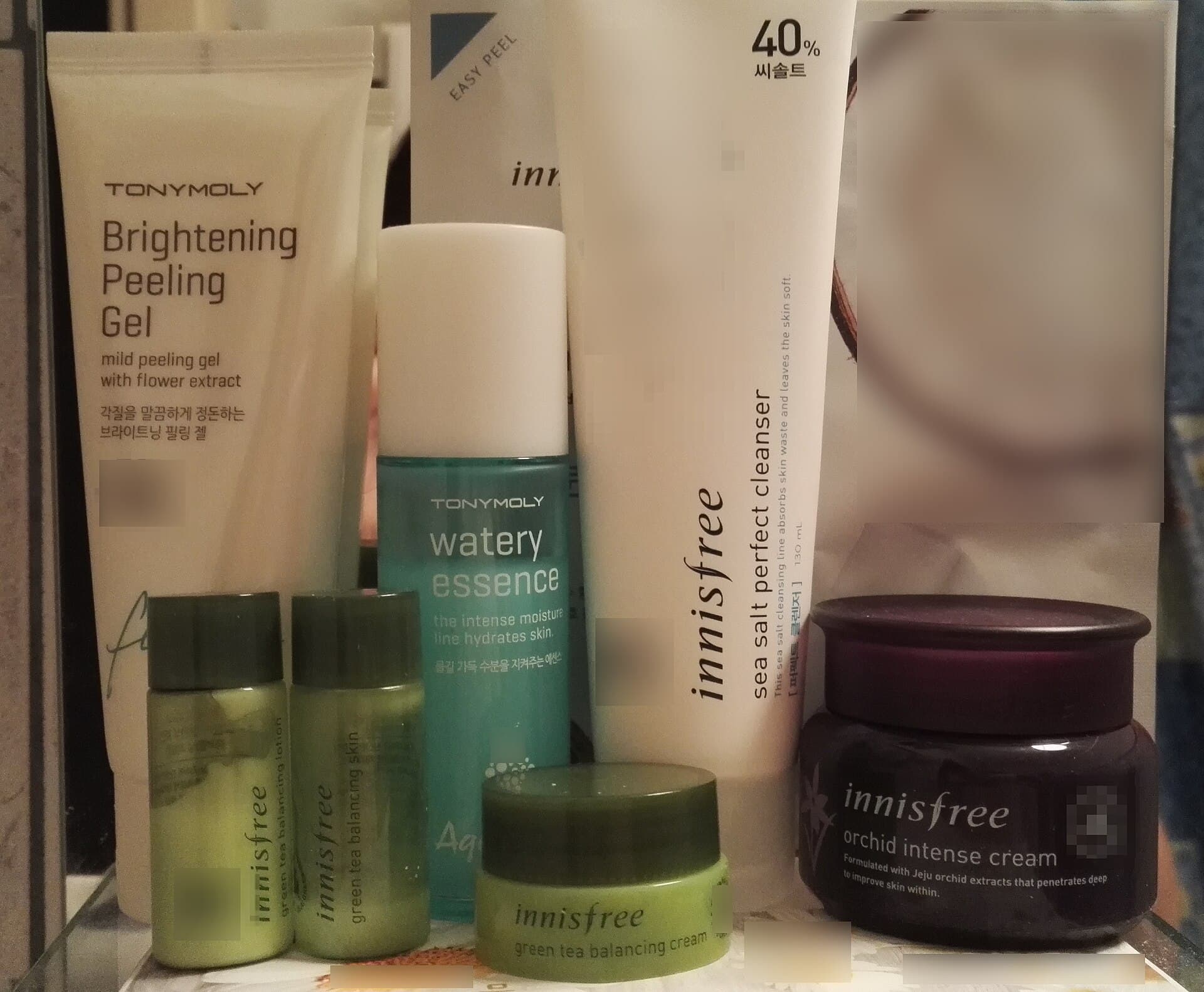
Oil cleanser then foam cleanser, fermented essences and the 7 skin method: the two gestures that truly build Korea's glass skin.
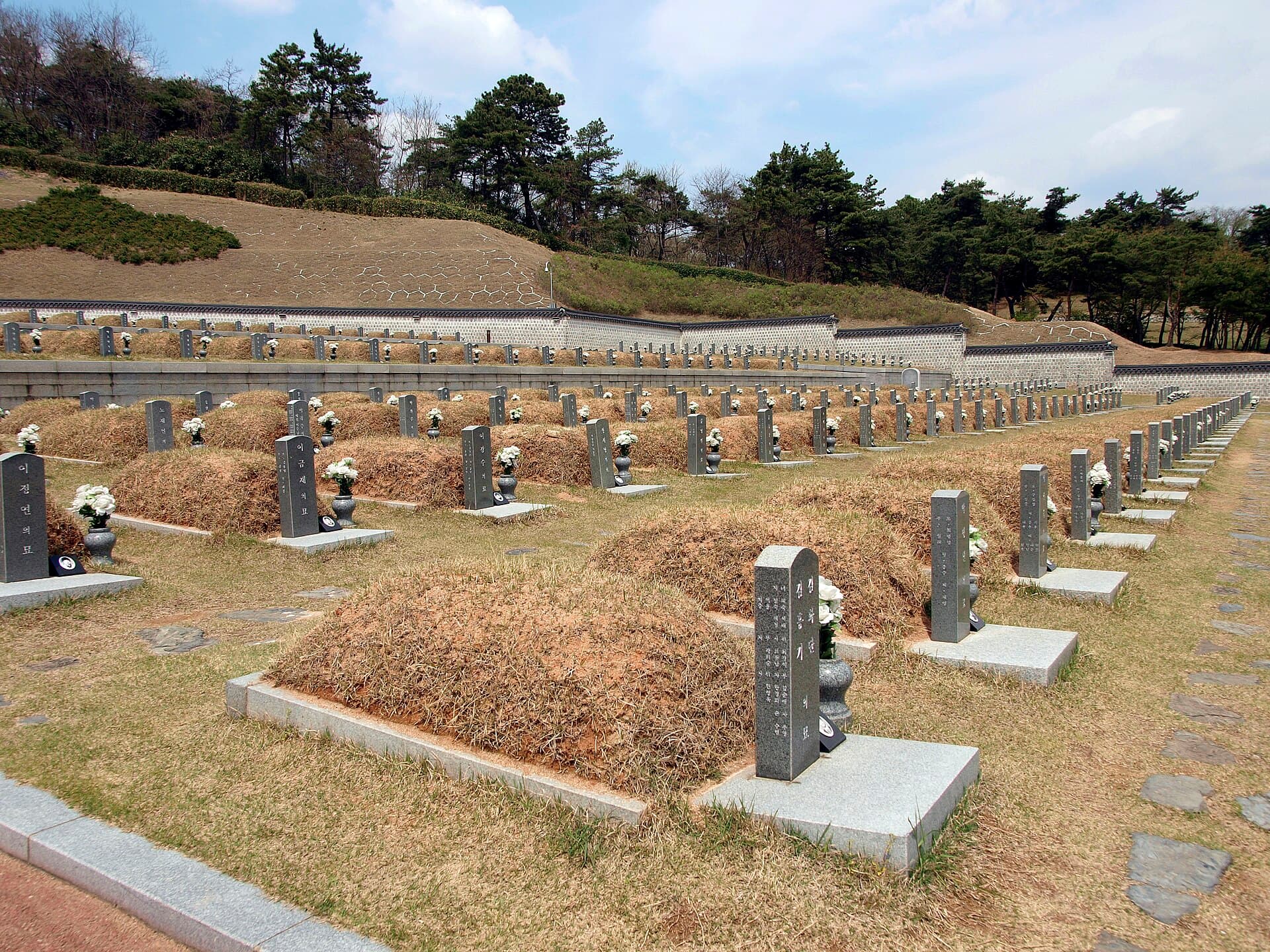
From May 18 to 27, 1980, the city of Gwangju rose against martial law. The story of the massacre, its cover-up, and its democratic legacy.
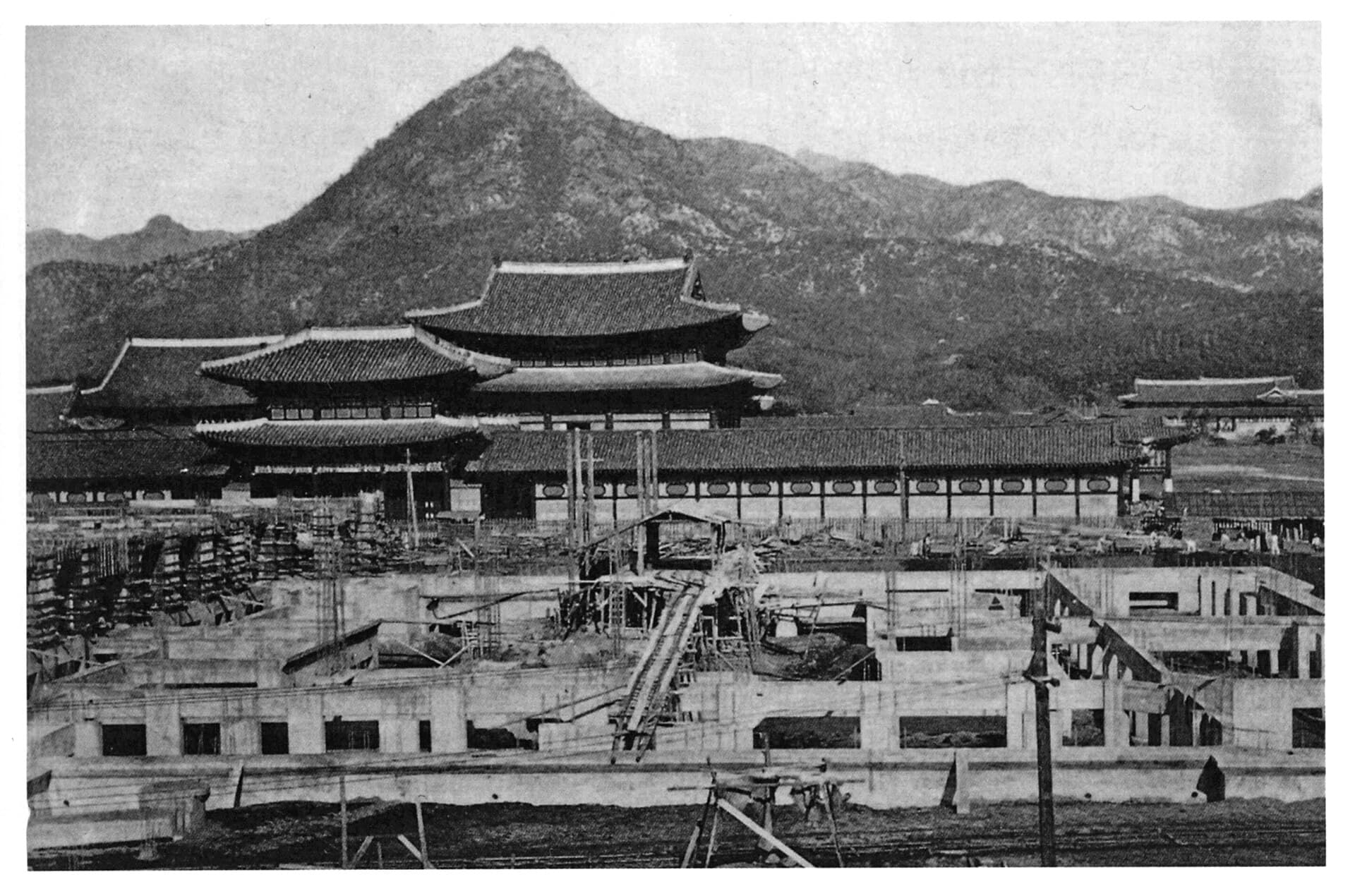
The 1910 annexation, the March 1st Movement, forced assimilation, forced labor: thirty-five years of Japanese colonial rule that still haunt Korea today.
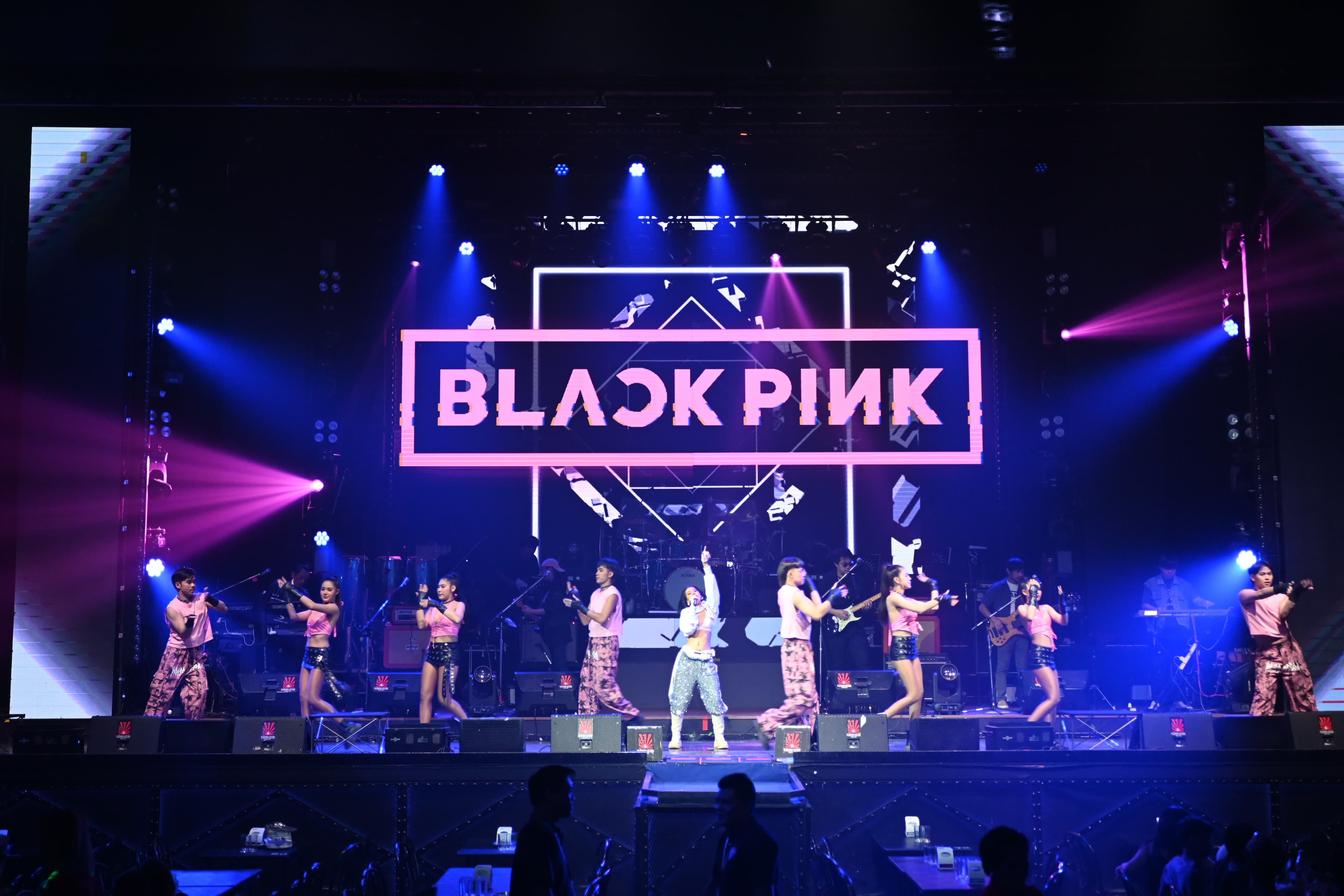
How the trainee system works in South Korea. Recruitment from age 10, 2-7 years of intensive training, Big 4 (HYBE, SM, JYP, YG), trainee debt and 2025 reforms.
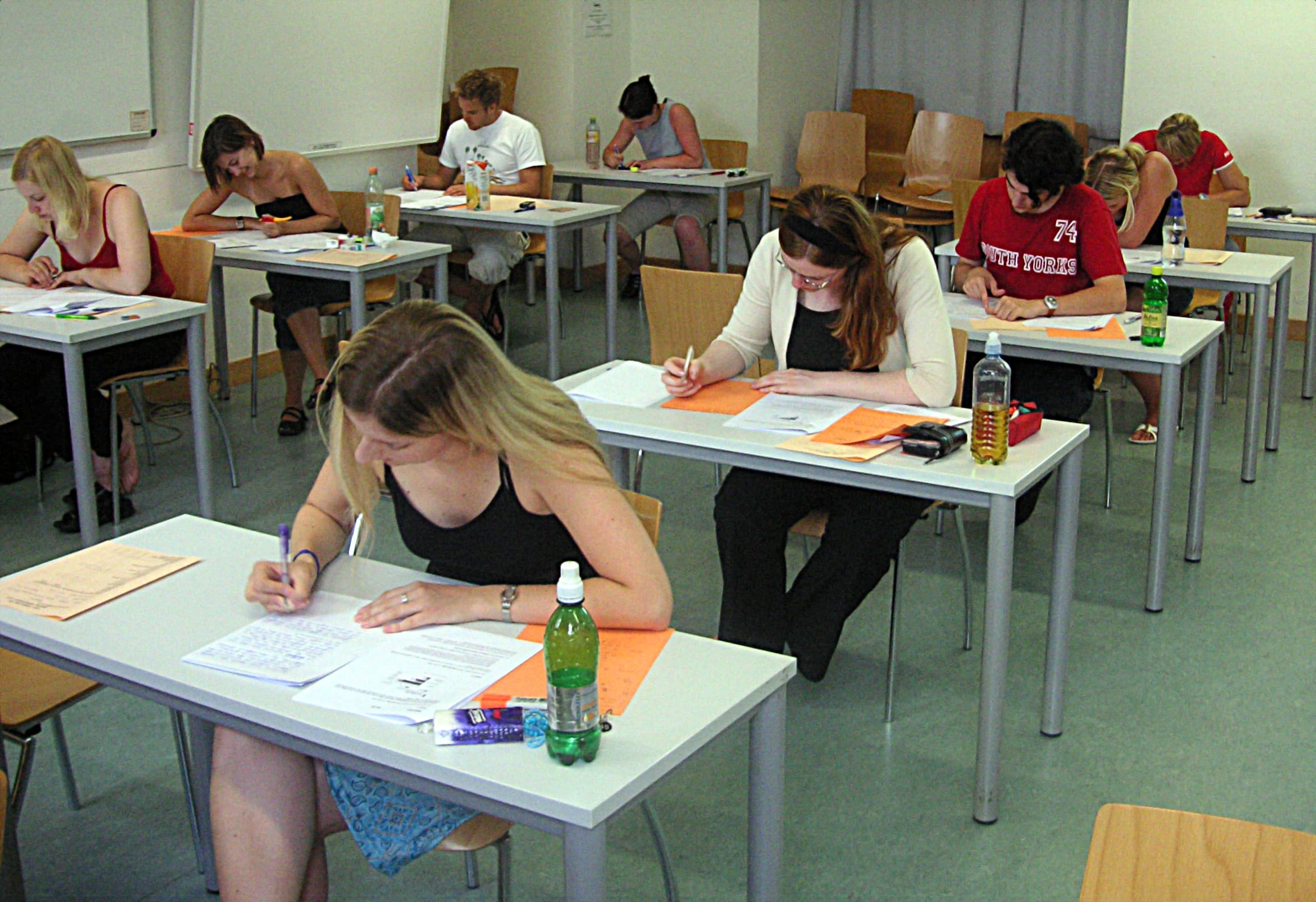
The Suneung, South Korea's university entrance exam, is more than a test: it's a national event that determines destinies and reveals a society's obsessions.
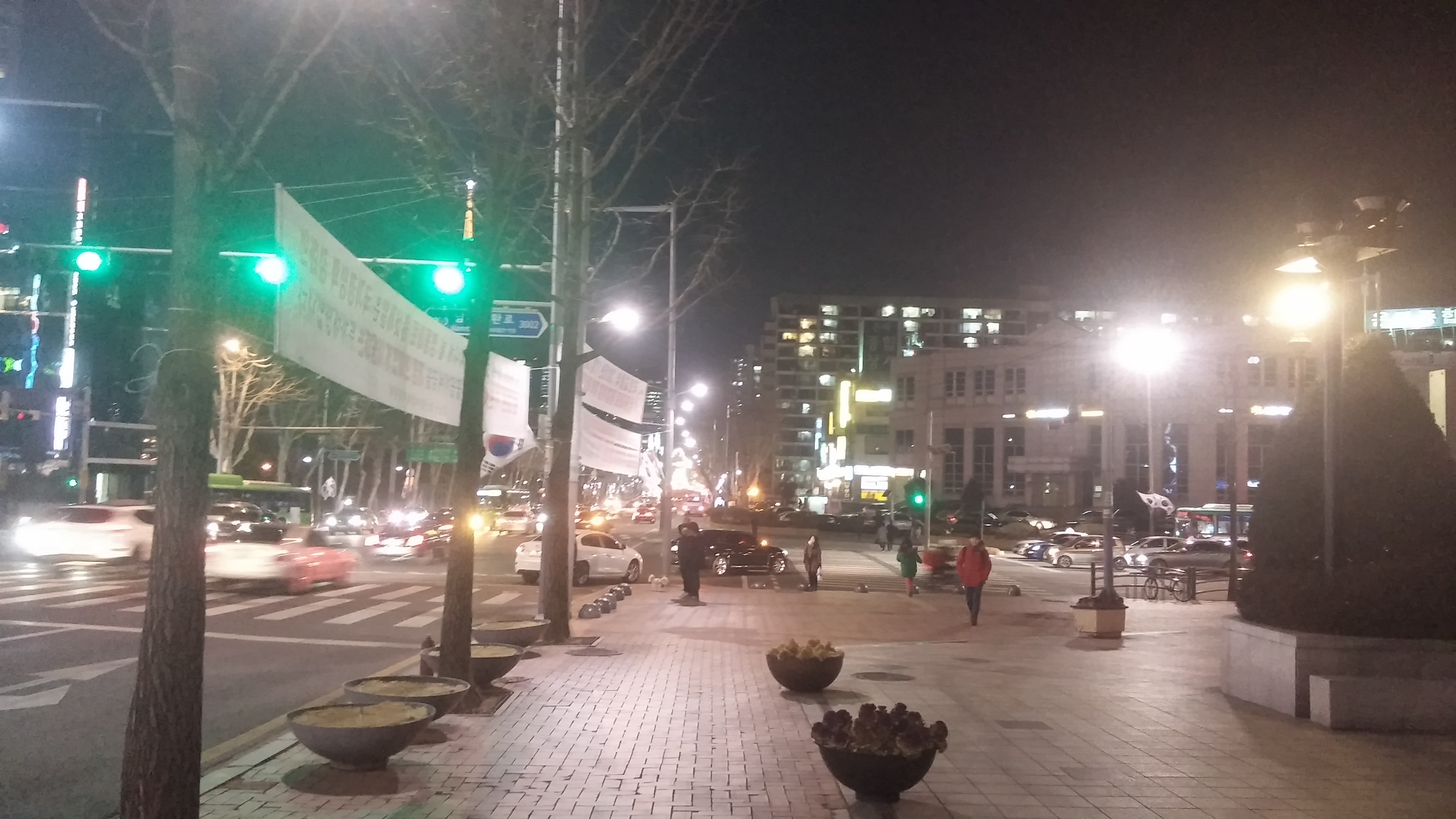
Hagwon, the ubiquitous private academies in South Korea, shape the daily lives of millions of students. A deep dive into a parallel education system, between excellence and excess.
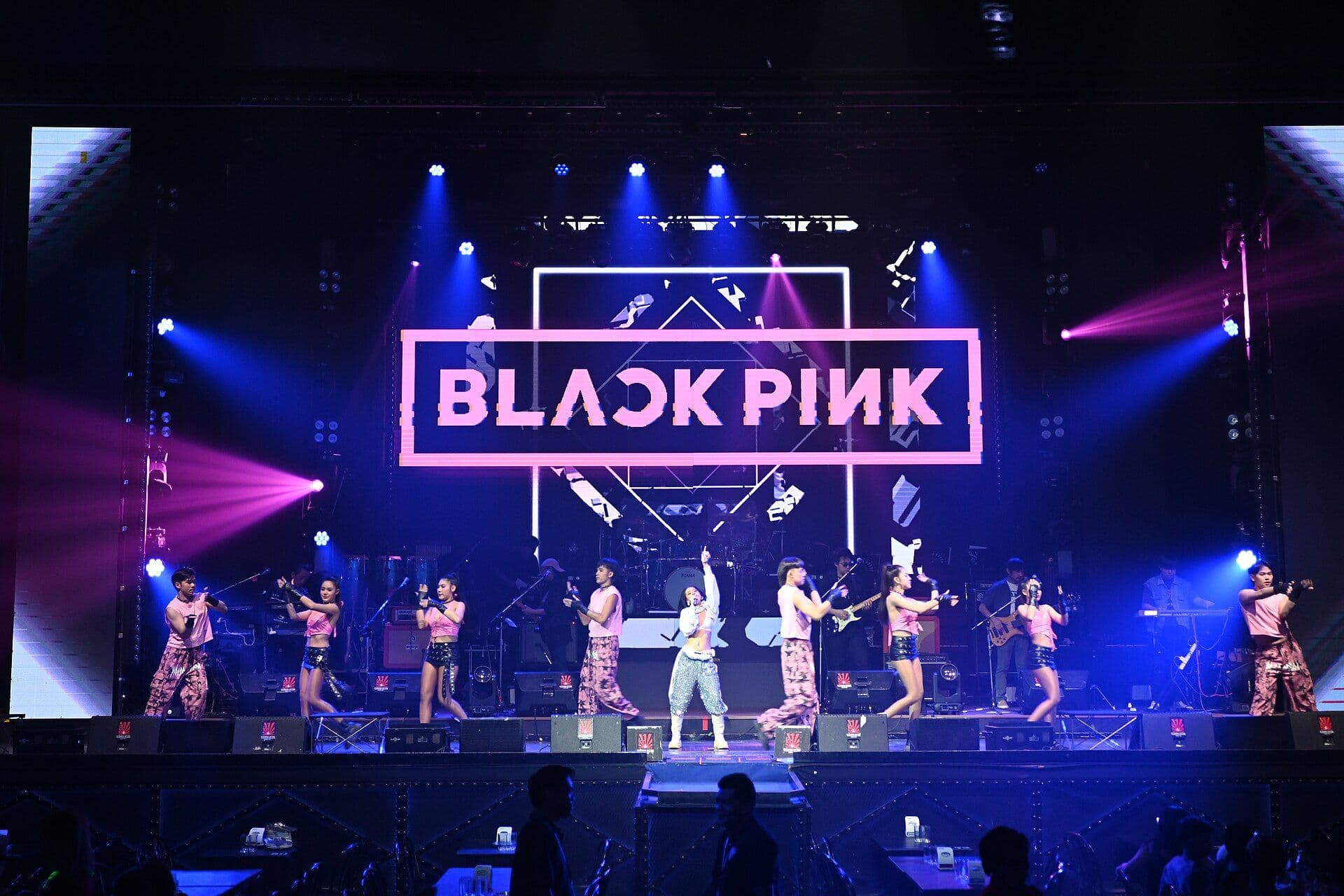
Seo Taiji, TVXQ, BTS, NewJeans: what really separates K-pop's five generations, with dates, founding groups and shifts in the model.
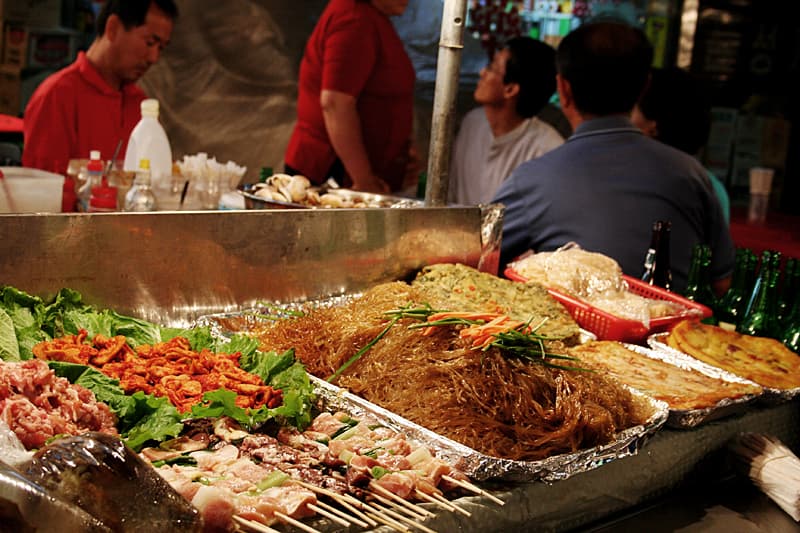
Discovering Korean pojangmacha: history, atmosphere, signature dishes (tteokbokki, odeng, somaek) and their place in popular culture and K-dramas.
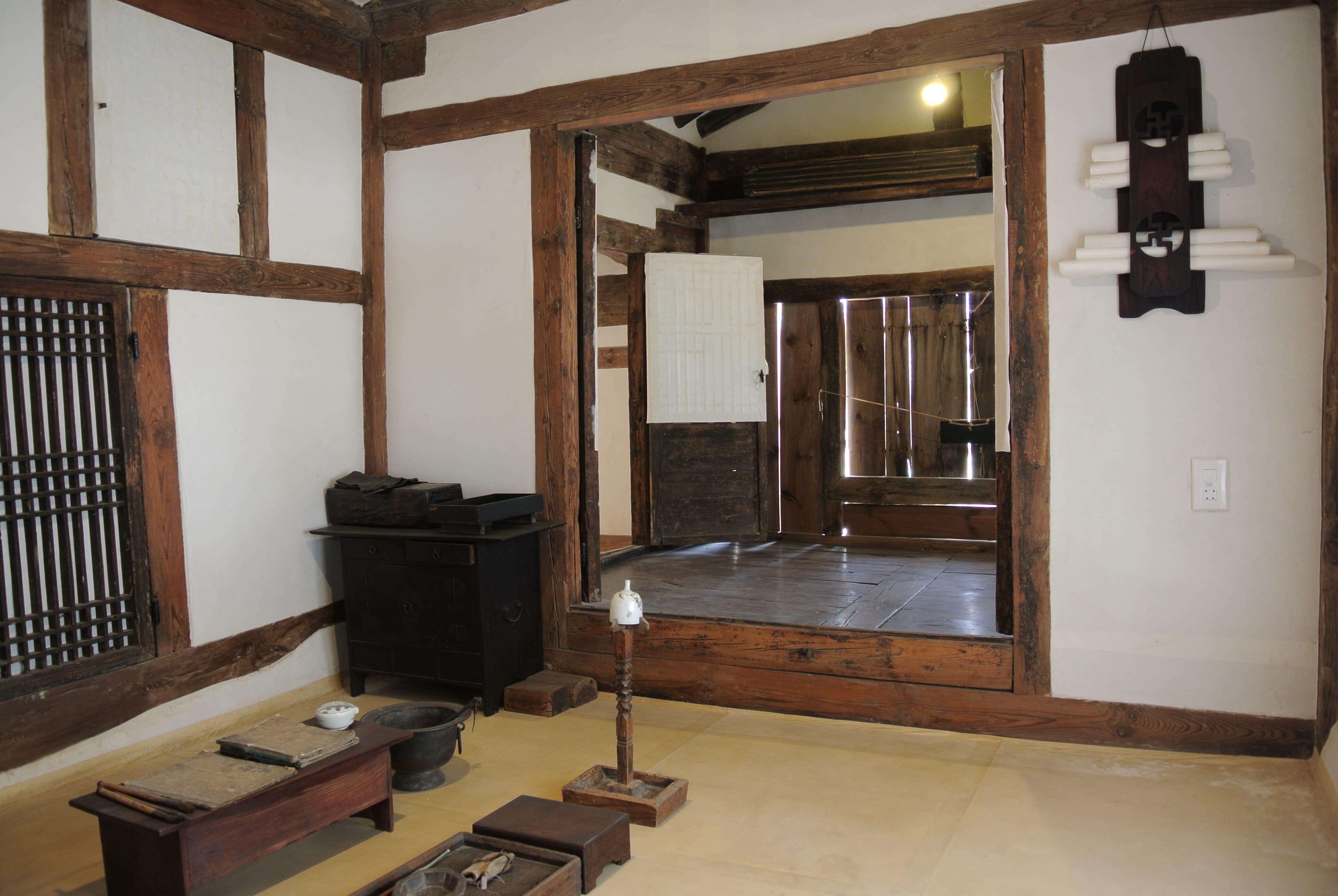
History and workings of Korean ondol: the underfloor heating that shaped architecture, sleeping habits, cuisine and daily life in Korea.
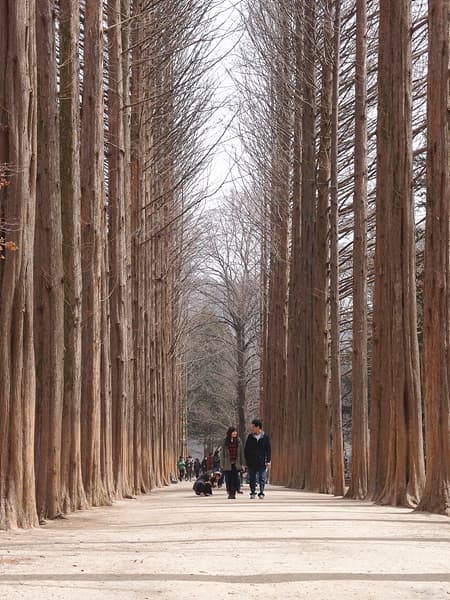
Discover Namiseom, Nami Island in Gapyeong: the legendary Winter Sonata filming location, metasequoia lanes, culture and tourism in South Korea.
From Hana Yori Dango to Boys Over Flowers, a look back at the history of a franchise that crossed borders, languages, and screens, from shojo manga to the most widely exported K-drama of the 21st century.
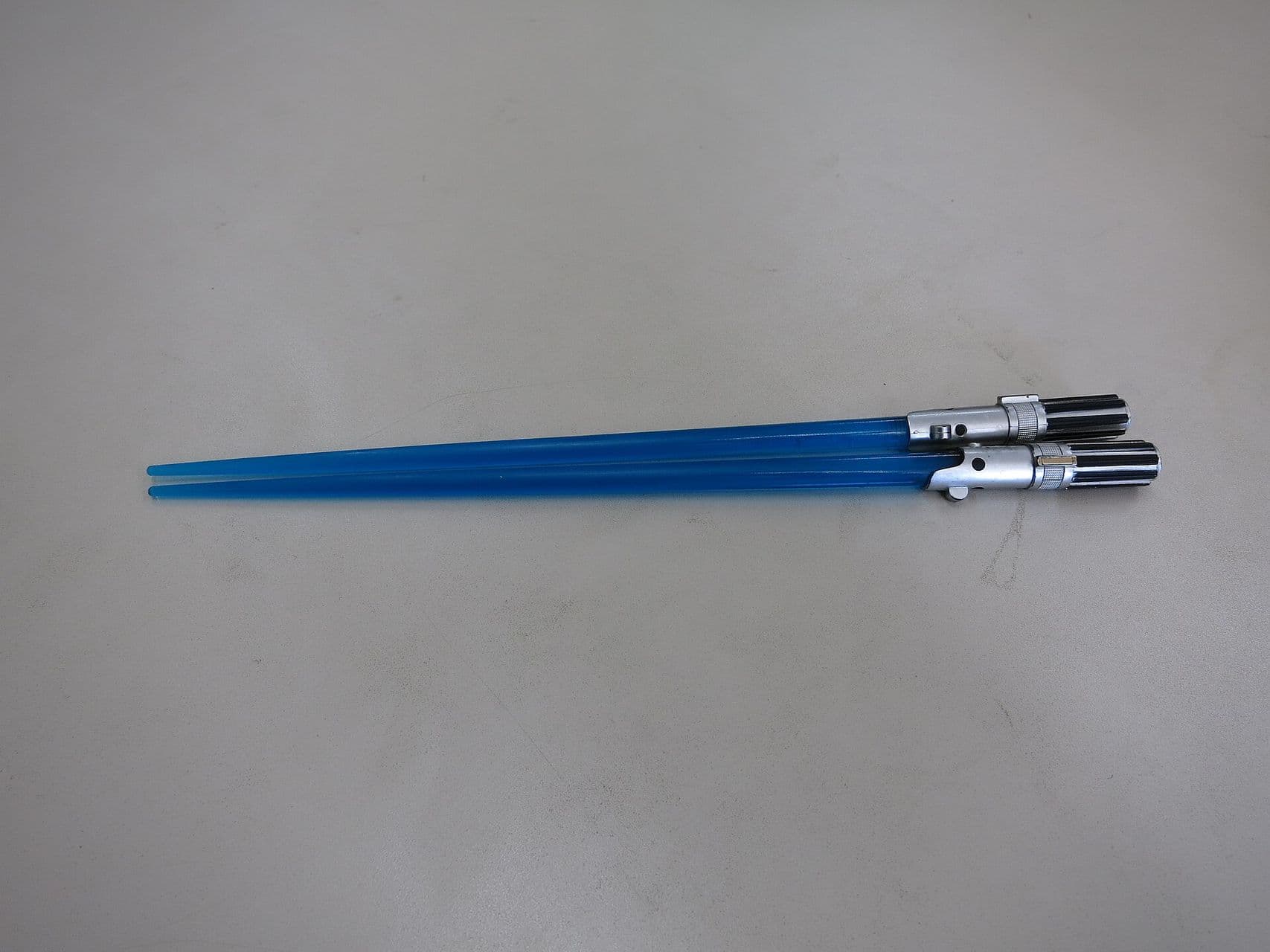
The chopstick guide for Asia: Chinese origin, Japanese shapes, Korean metal, table manners and taboos to know in Japan, Korea and China.
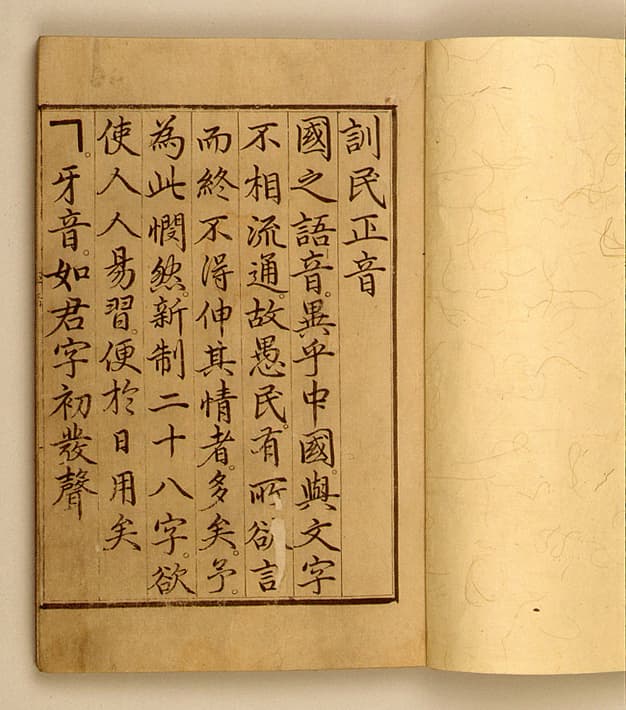
The story of Hangeul, the Korean alphabet created in 1443 by King Sejong. Origins, how the jamo work, syllable blocks, and why it can be learned in a morning.
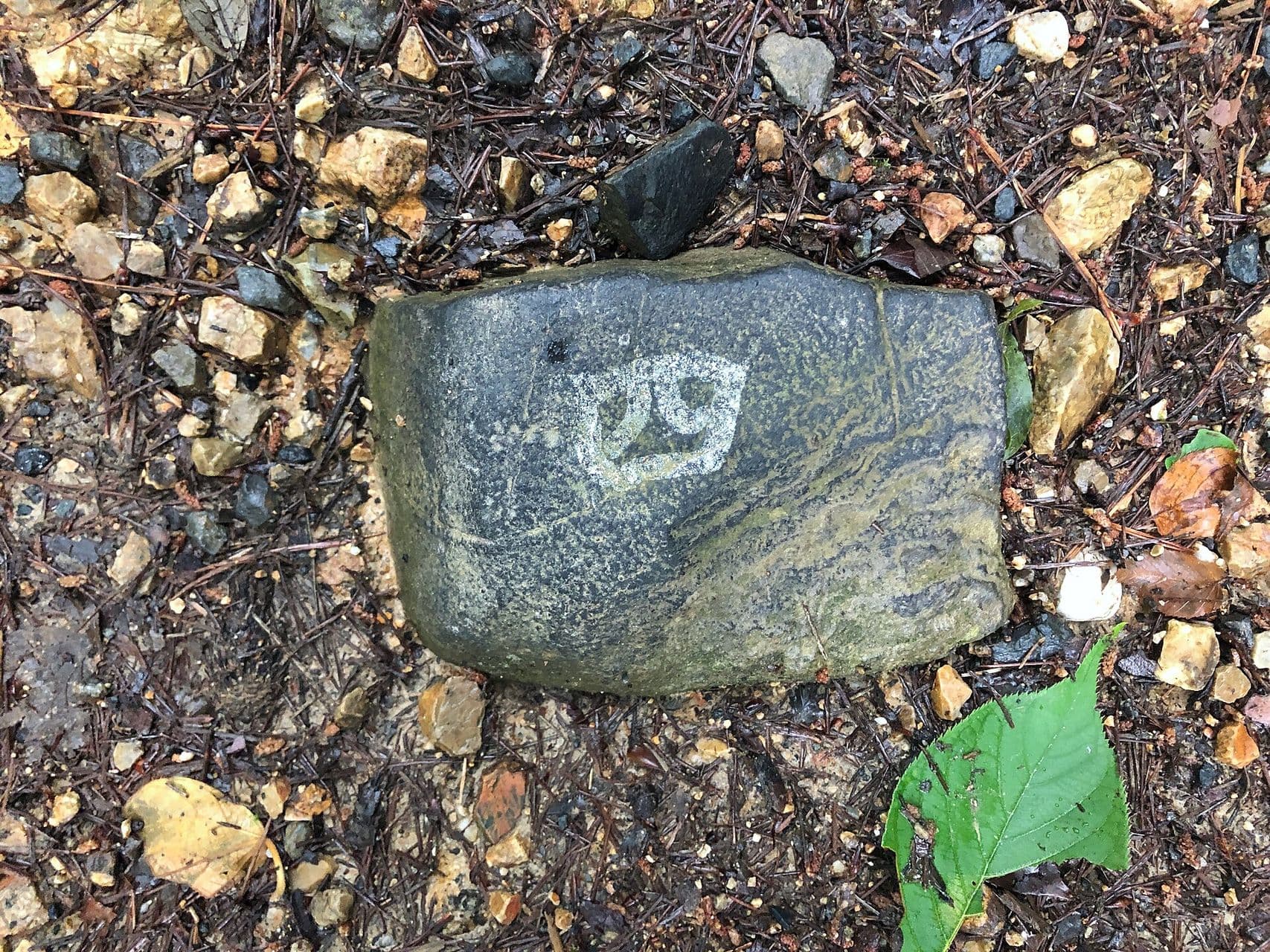
China, Japan, Korea: three languages, three sets of homophones, the same fourth floor missing from the lifts. A comparative table of the digits.
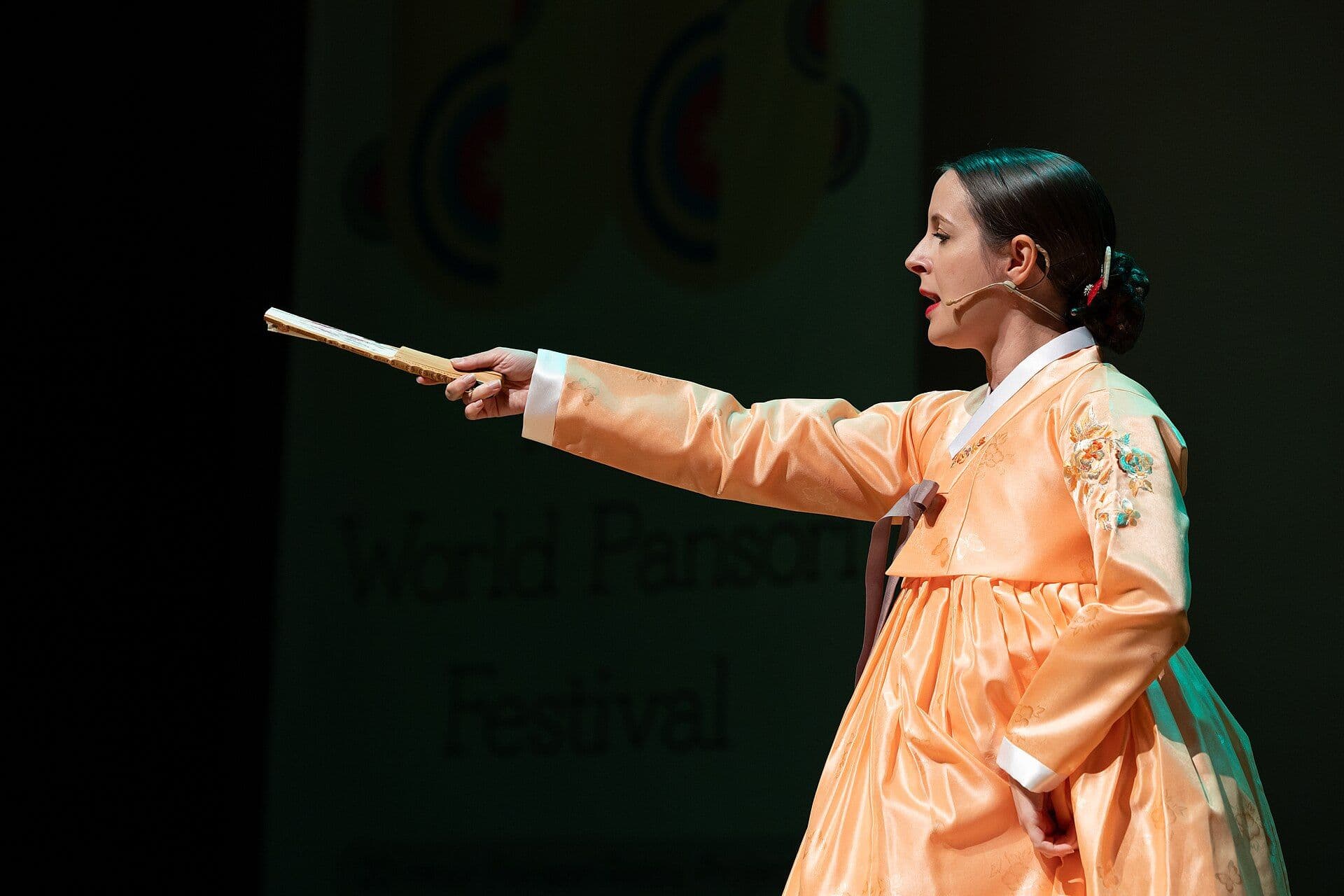
Discovering pansori, the Korean epic chant: the singer and his drum, han, the great tales, the UNESCO listing and its surprising revival.
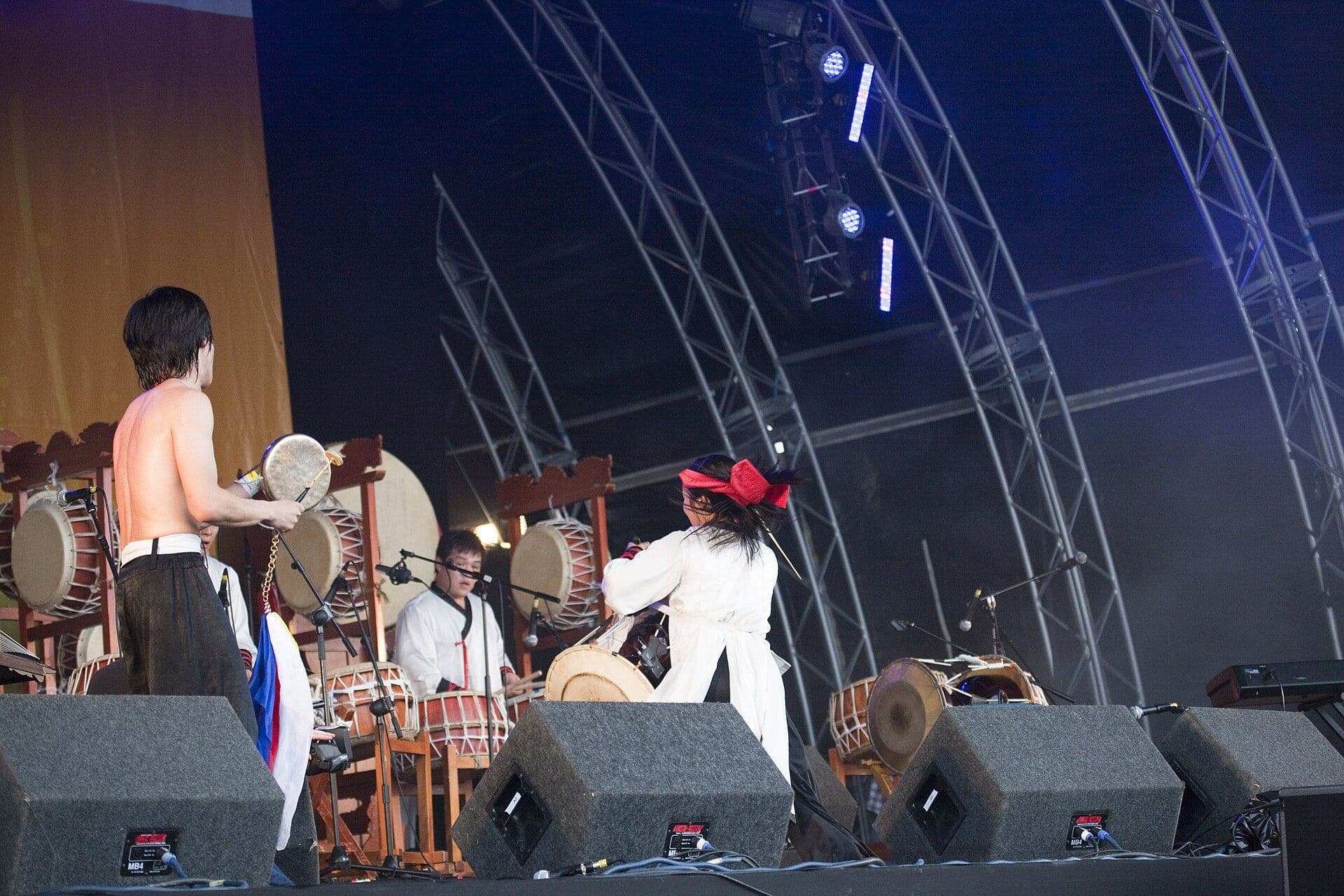
History and meaning of samulnori, Korean percussion: four instruments, the peasant roots of pungmul, cosmic symbolism and the move from street to stage.
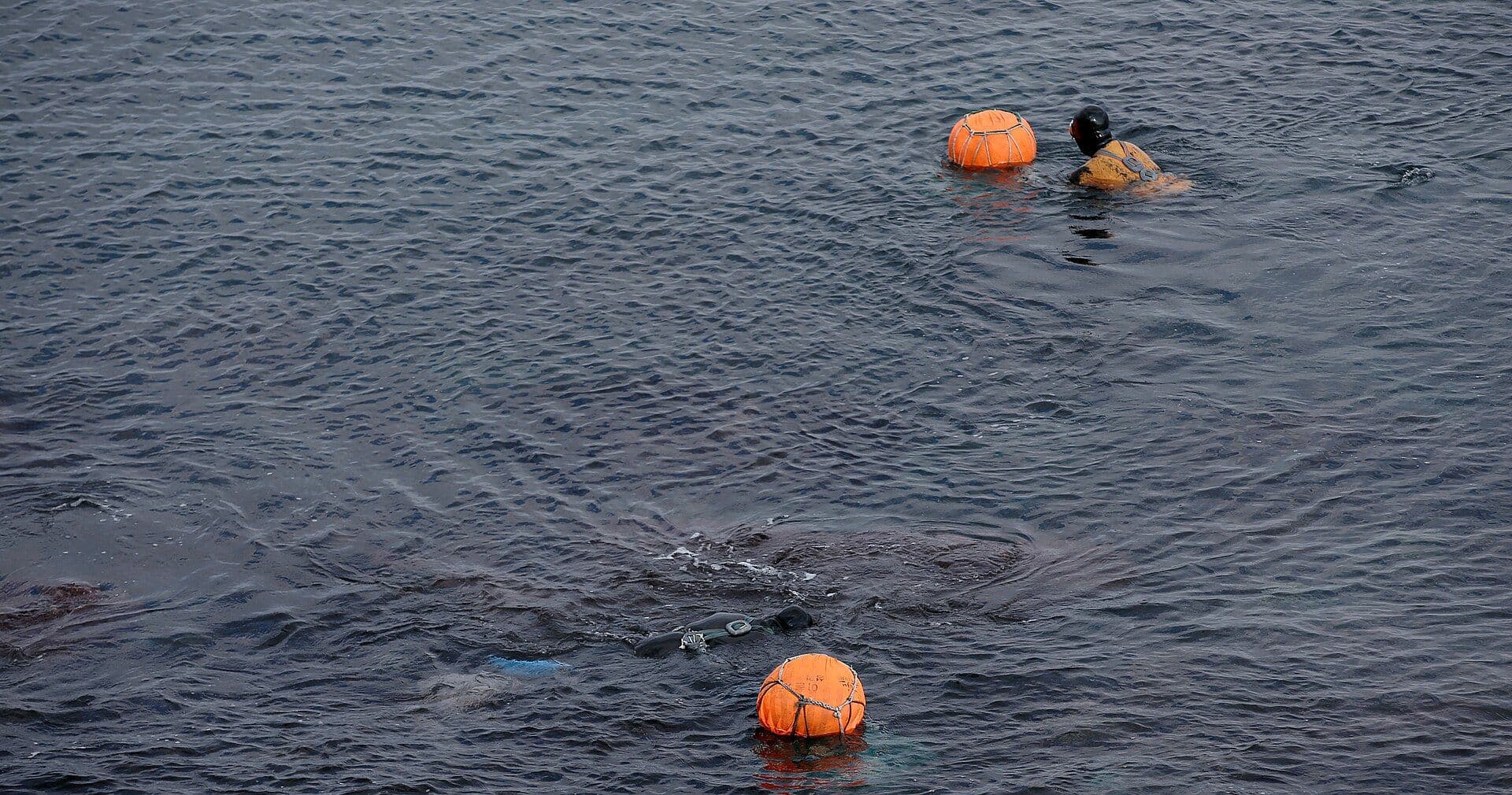
History of the haenyeo, the traditional women divers of Jeju Island: free-diving harvest, matriarchal society, the sumbisori breath and threatened UNESCO heritage.
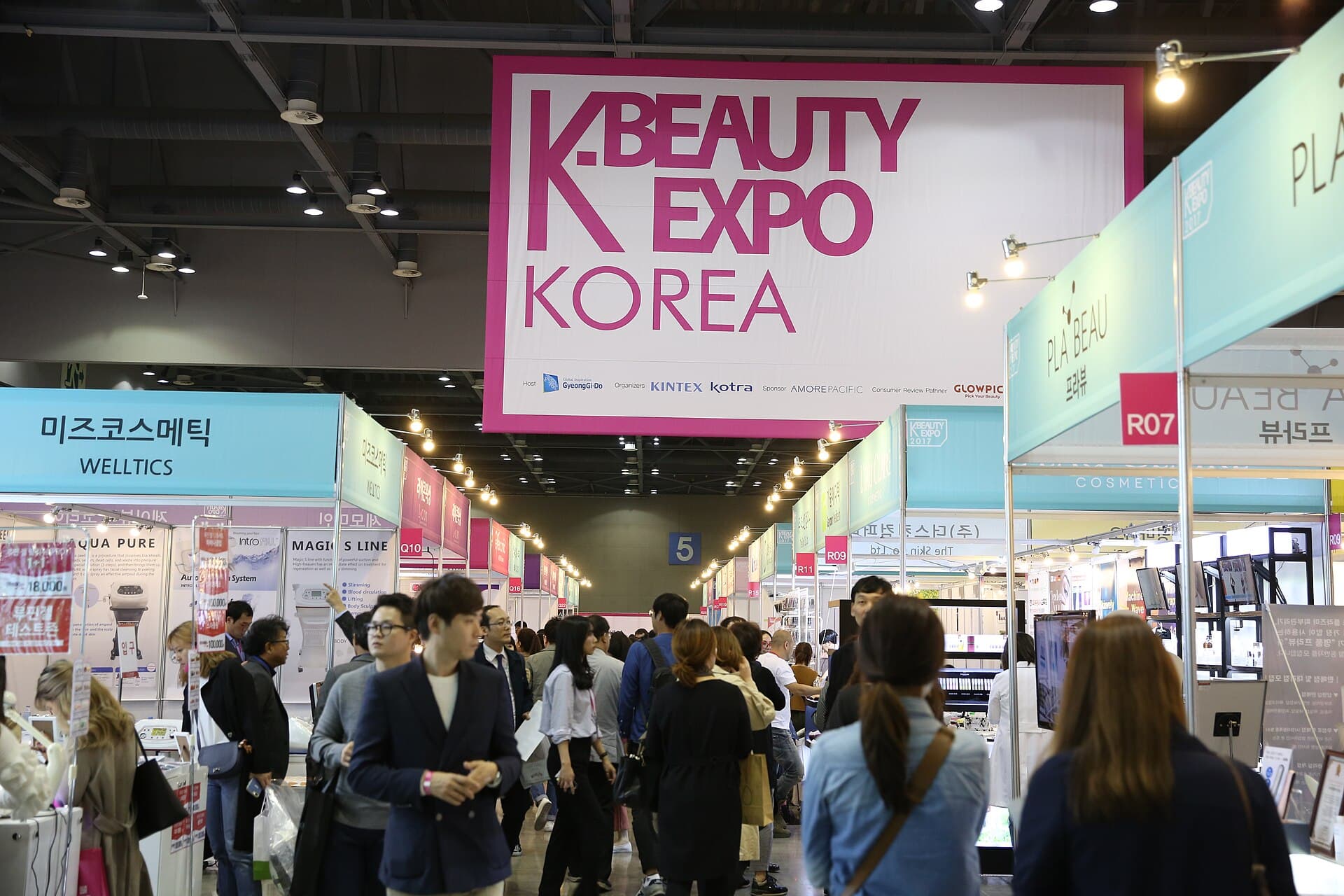
Oil cleanser, foam, exfoliant, toner, essence, serum, mask, eye cream, moisturiser, sunscreen: what each step is for, and which ones can be skipped.
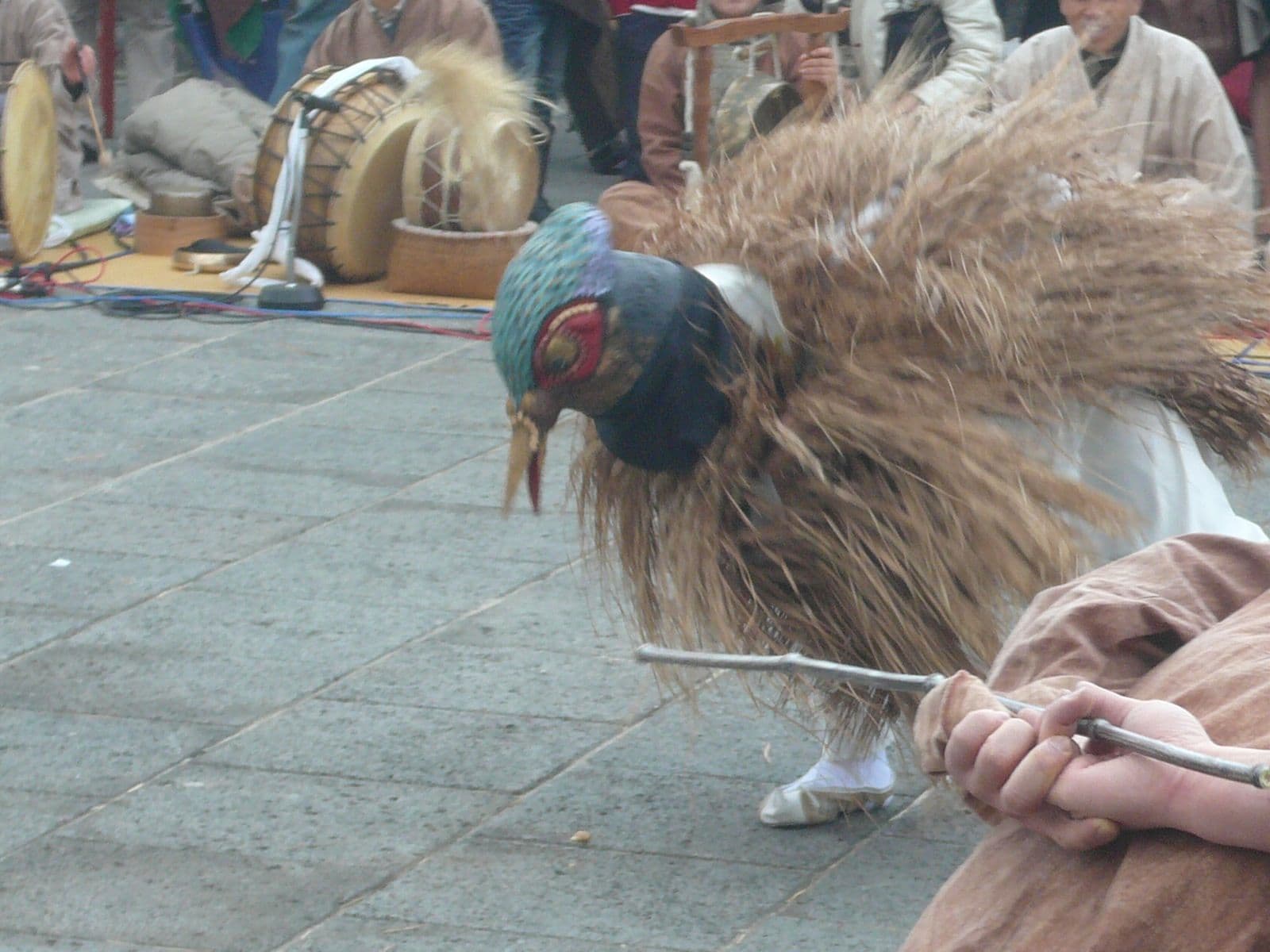
History and meaning of talchum, Korean masked dance theatre: tal masks, satire of the powerful, village rites, regional variants and UNESCO heritage status.
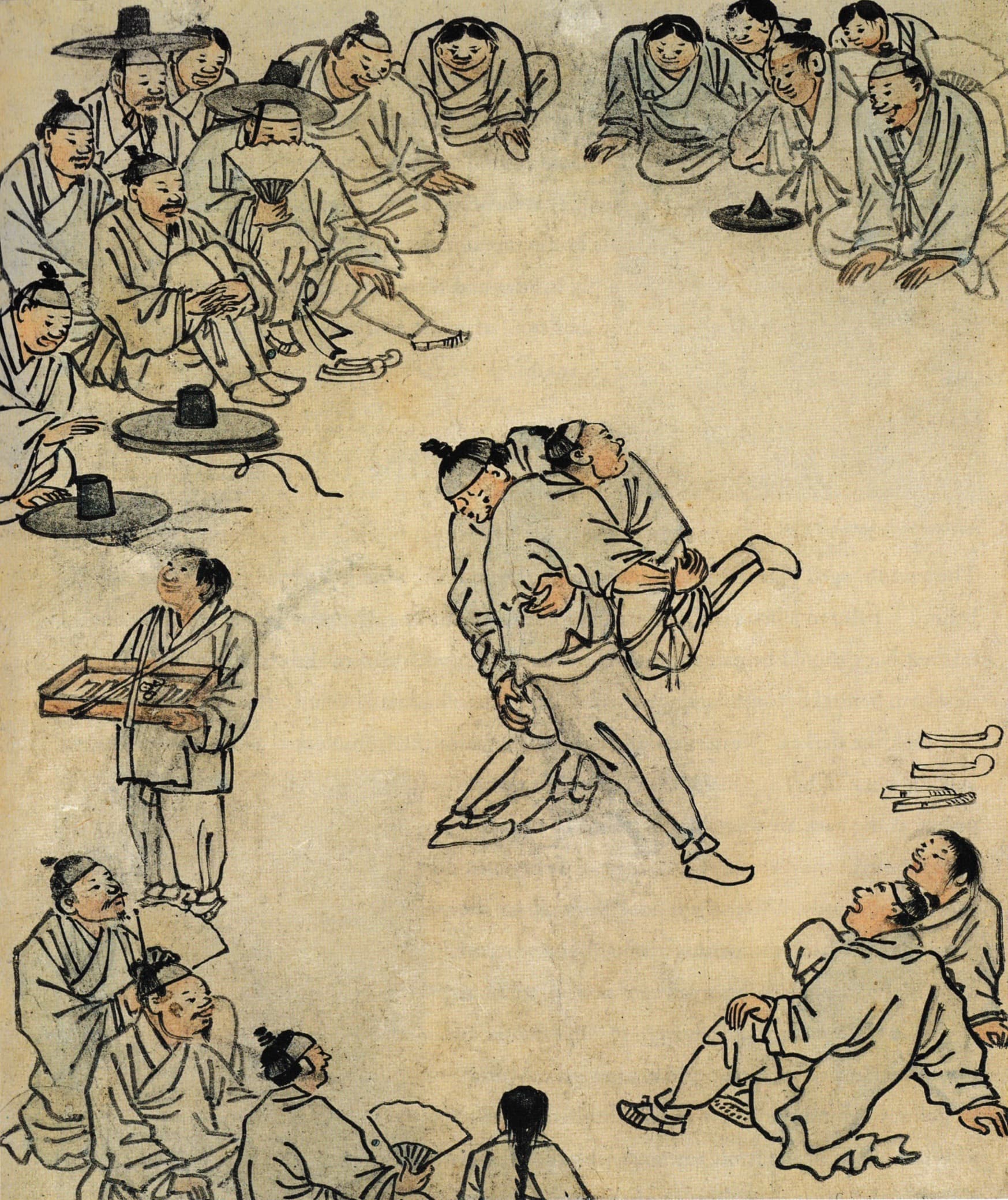
History and rules of ssireum, Korean traditional wrestling: the satba belt, the sand ring, the bull prize, the Cheonha Jangsa title and UNESCO heritage status.
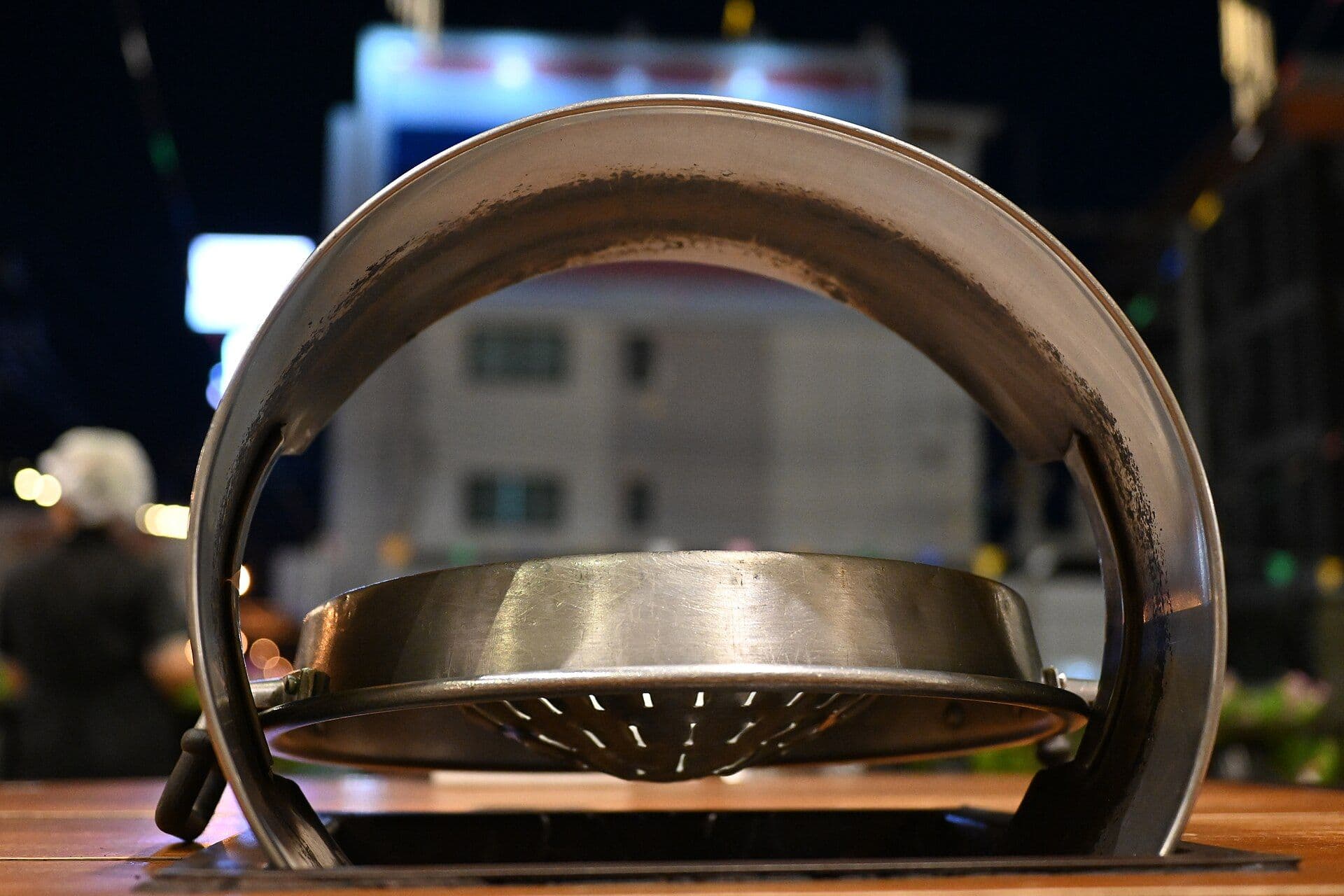
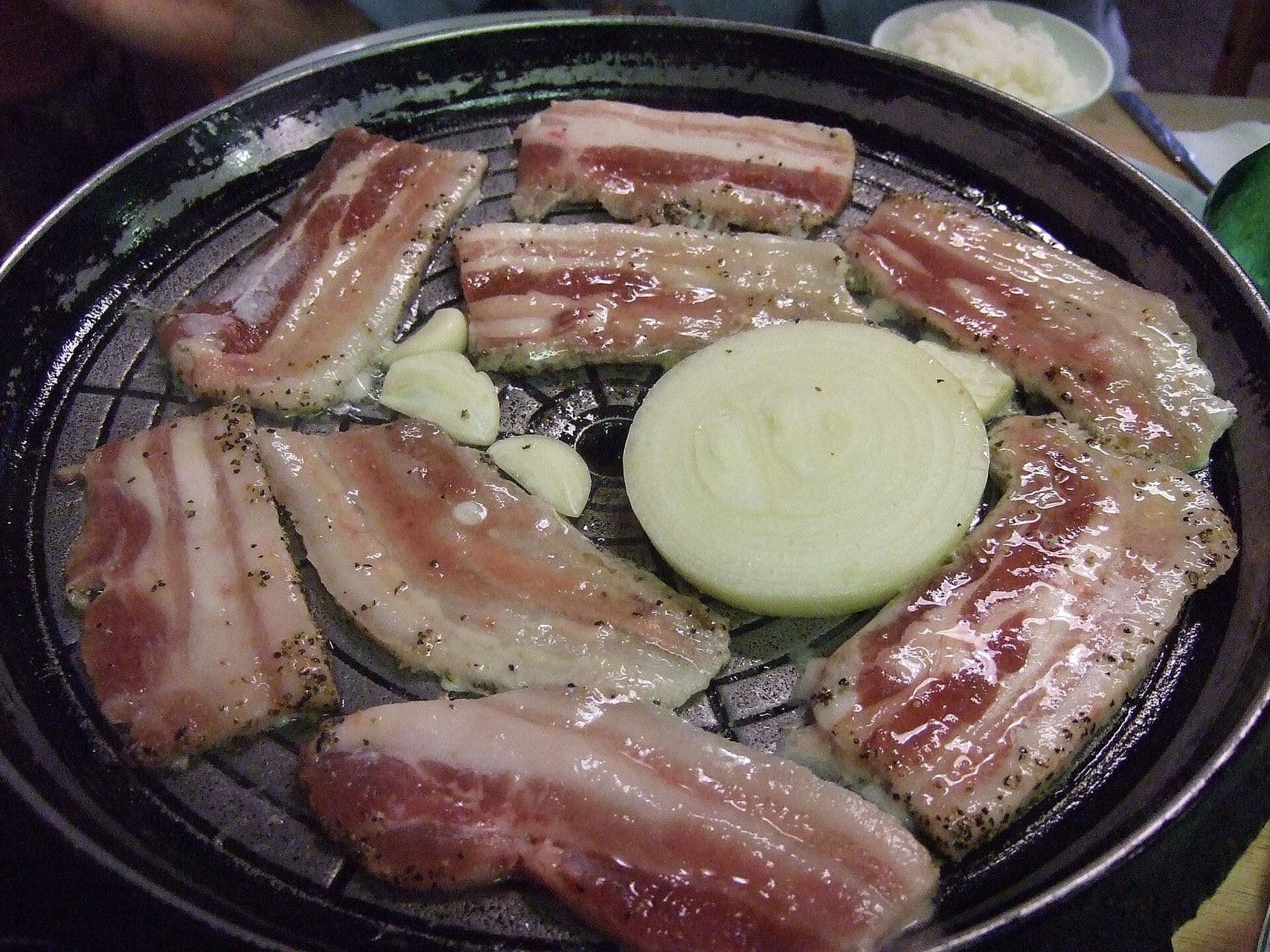
History and codes of Korean barbecue (gogi-gui): the table-top grill, samgyeopsal, galbi, bulgogi, the art of ssam and the conviviality of the Korean table.
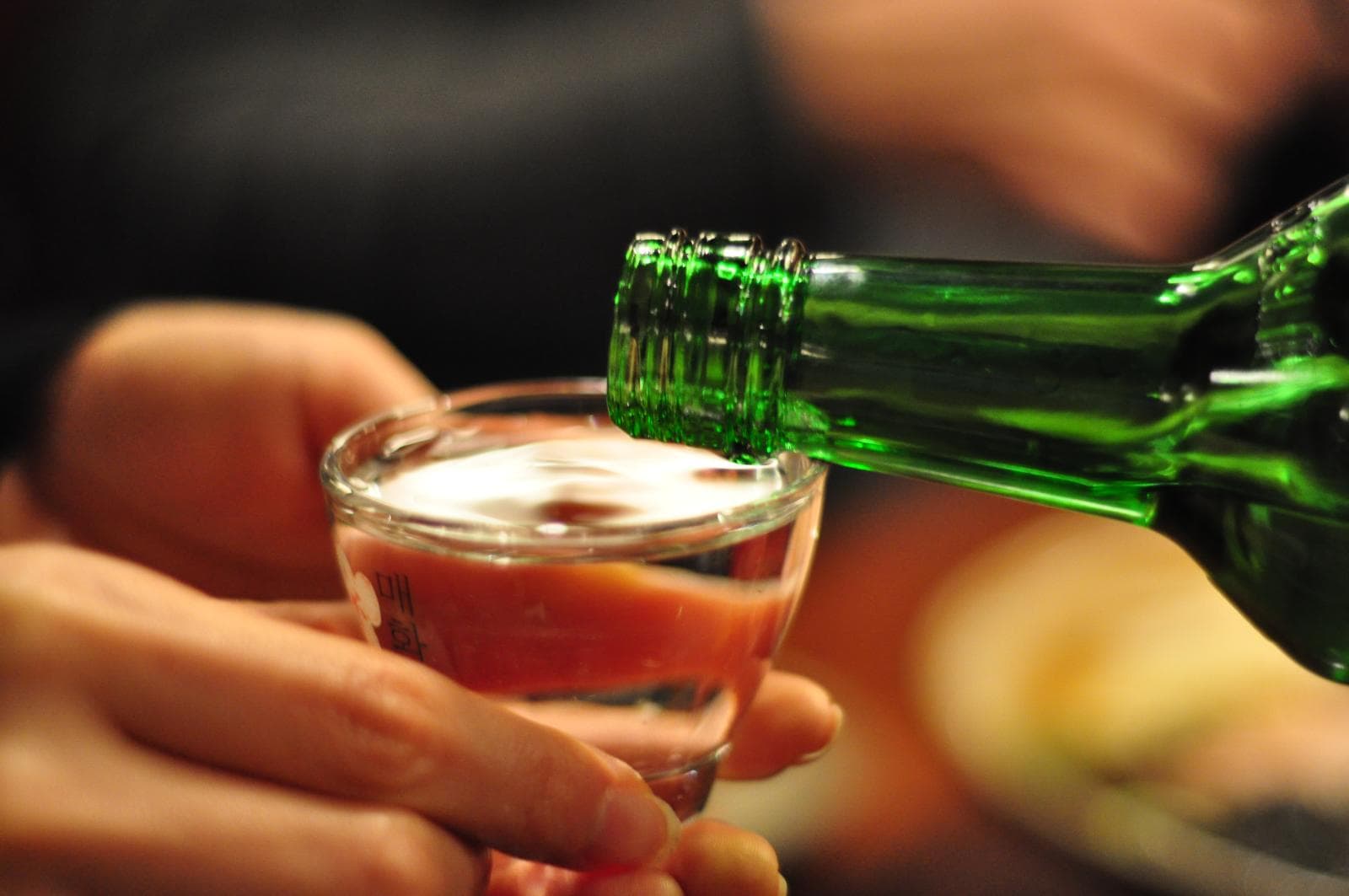
The history of soju, Korea's national spirit: its Mongol origins, the rice ban, the Jinro brand, the etiquette of the glass and soju's place in Korean culture.
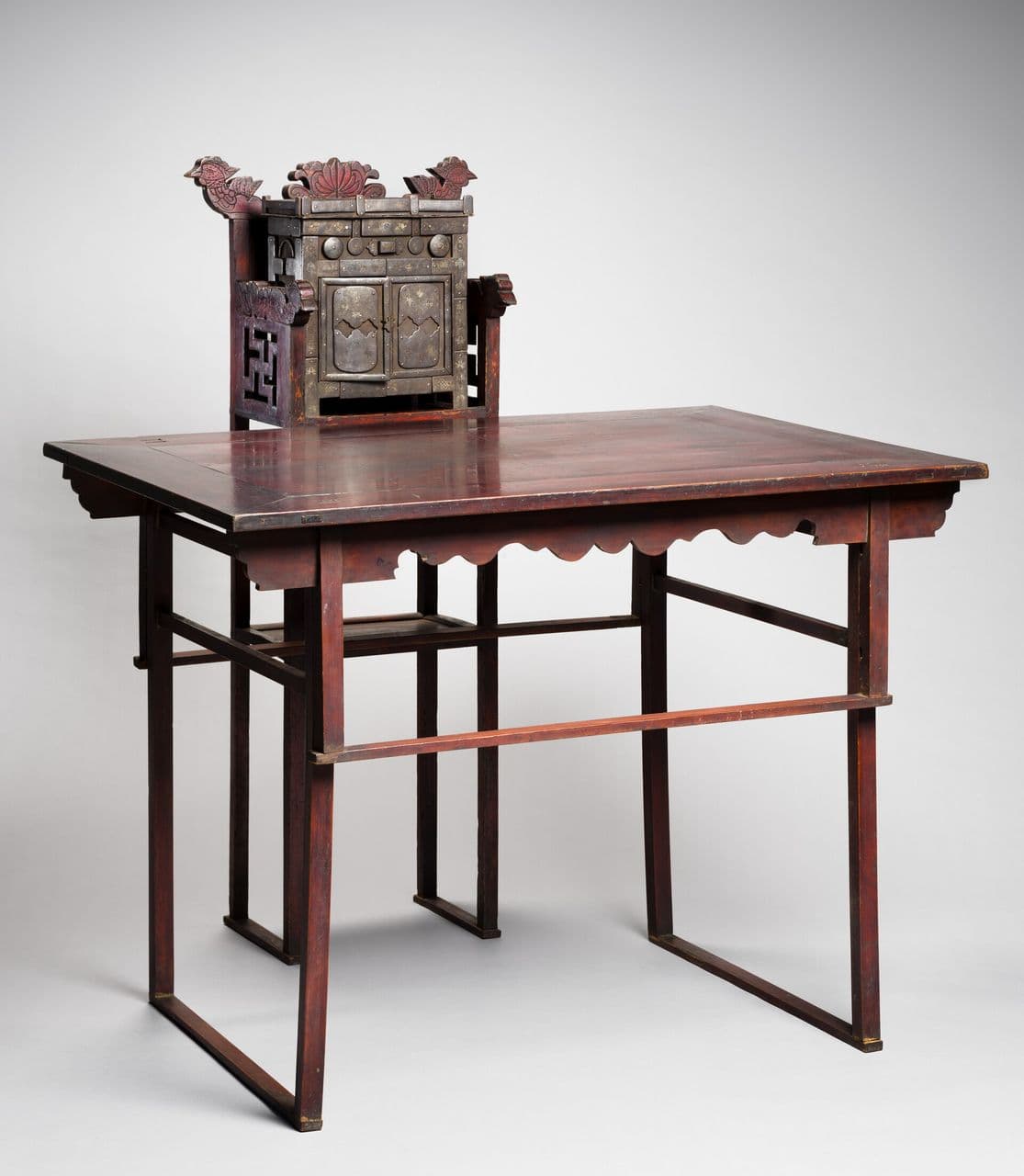
Discovering jesa, the Korean ancestral rite: its Confucian roots, the offering table and its rules, the charye of Chuseok and Seollal, and its evolution today.
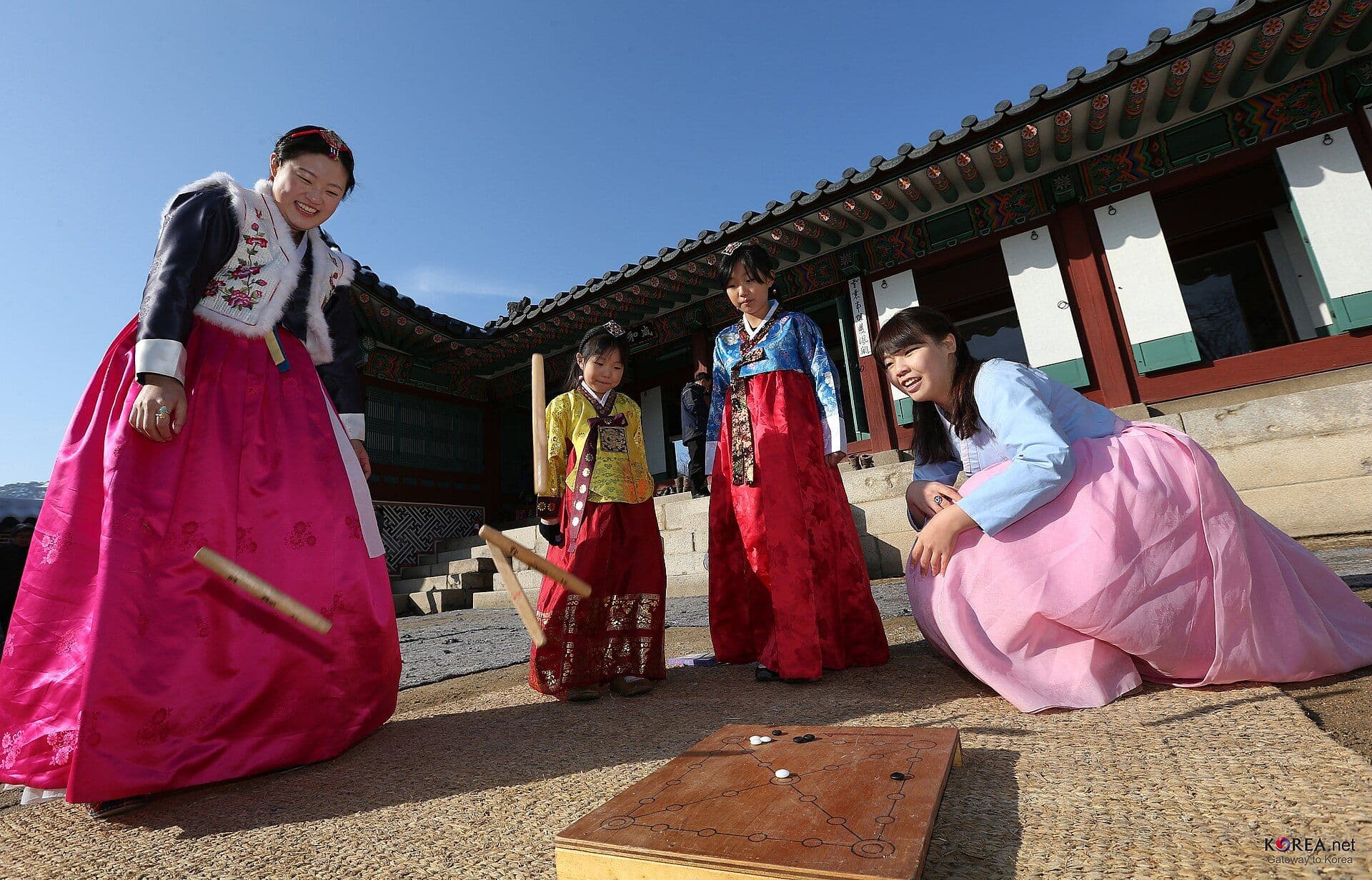
Traditions and rites of Seollal, the Korean Lunar New Year: the journey home, ancestral charye rite, the sebae bow, tteokguk soup and the yutnori game.
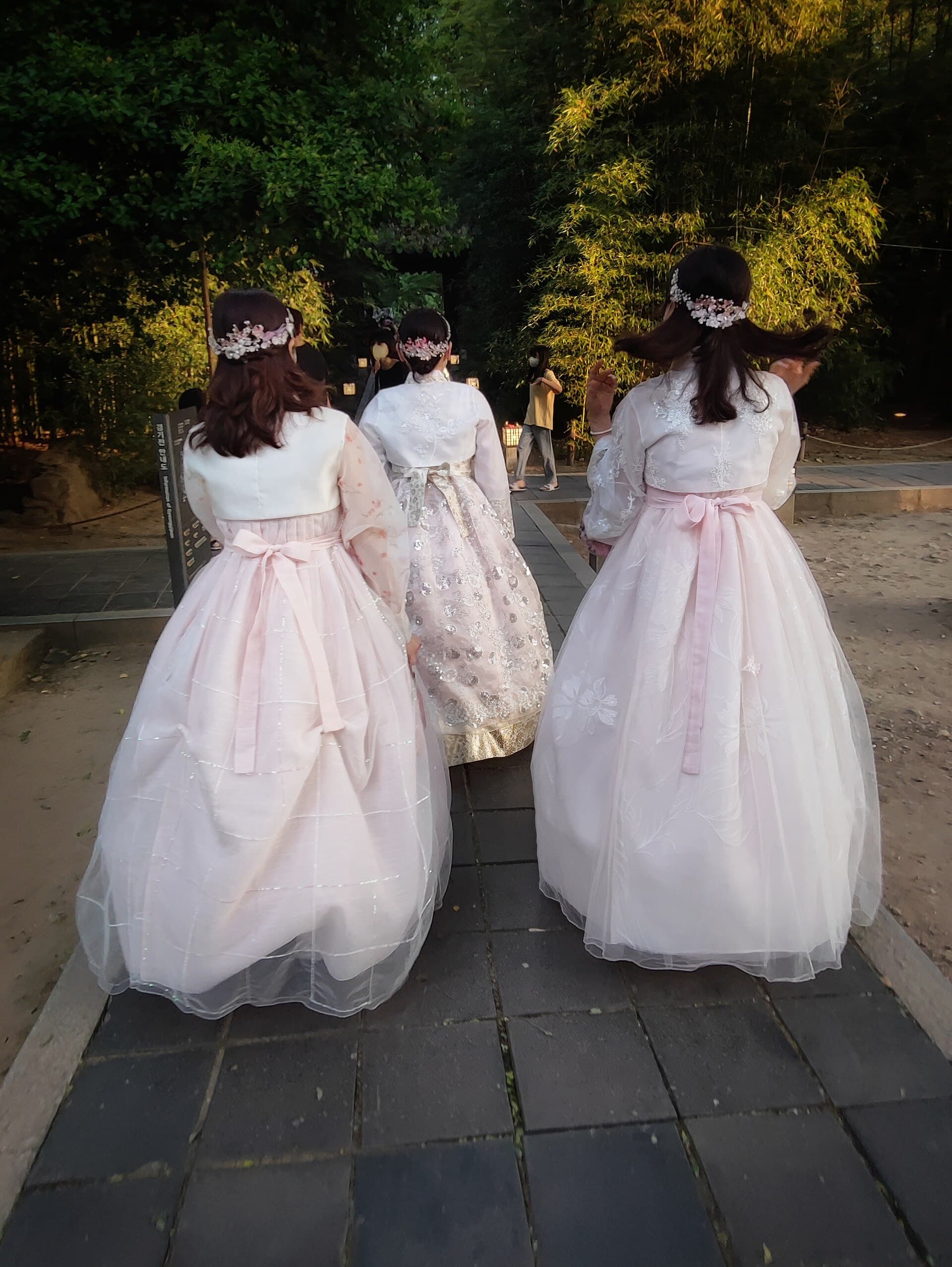
All about the hanbok, Korea's traditional dress: origins, jeogori and chima, obangsaek colors, etiquette, modern revival, and rental at Seoul's palaces.
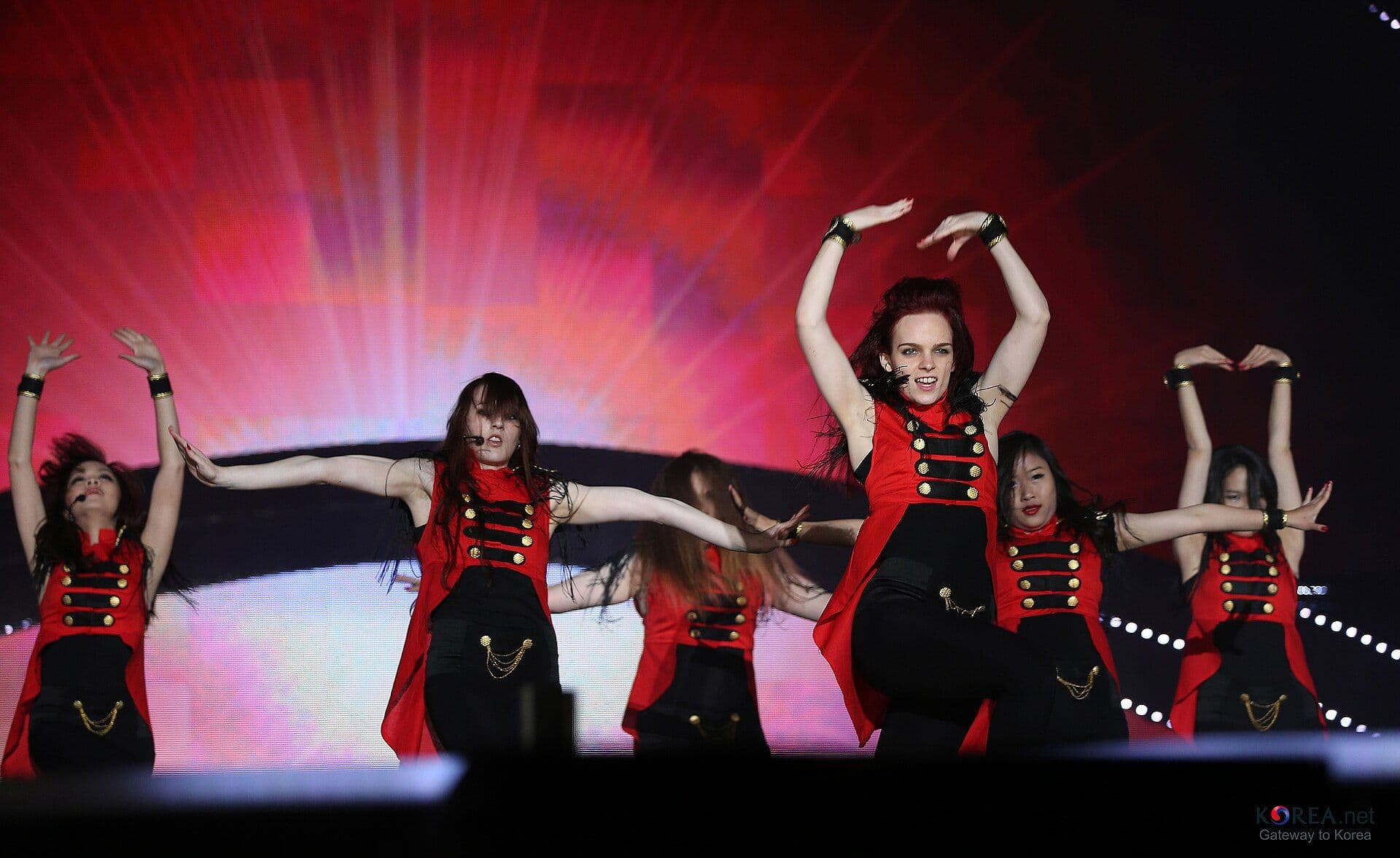
The history of hallyu, the Korean wave: the birth of the term, K-dramas, K-pop, Parasite and Squid Game, soft power and the state strategy behind a global phenomenon.
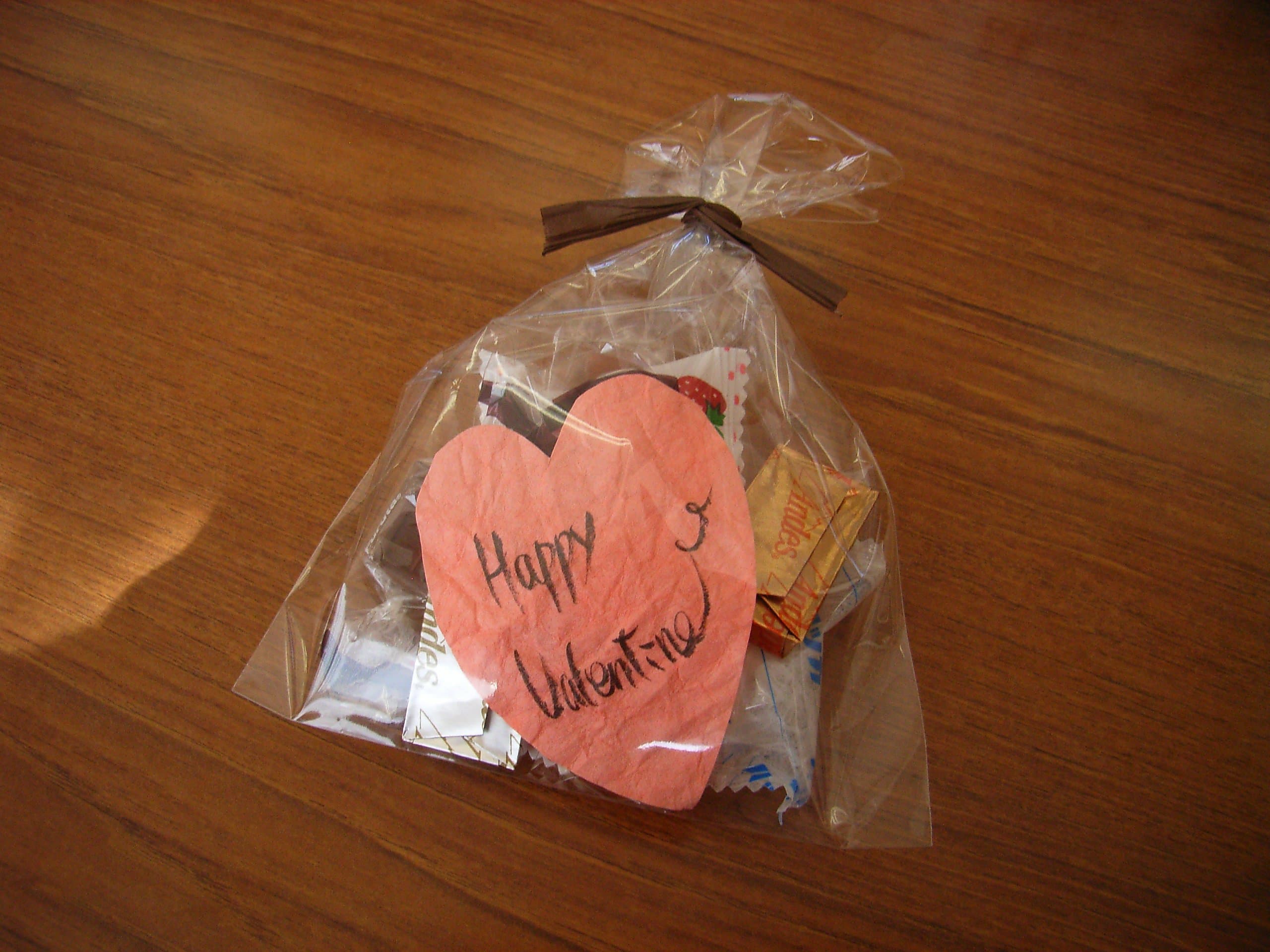
From Valentine's to White Day and Black Day, how Japan, Korea, and China reinvented love holidays. Plus: the horror game White Day.
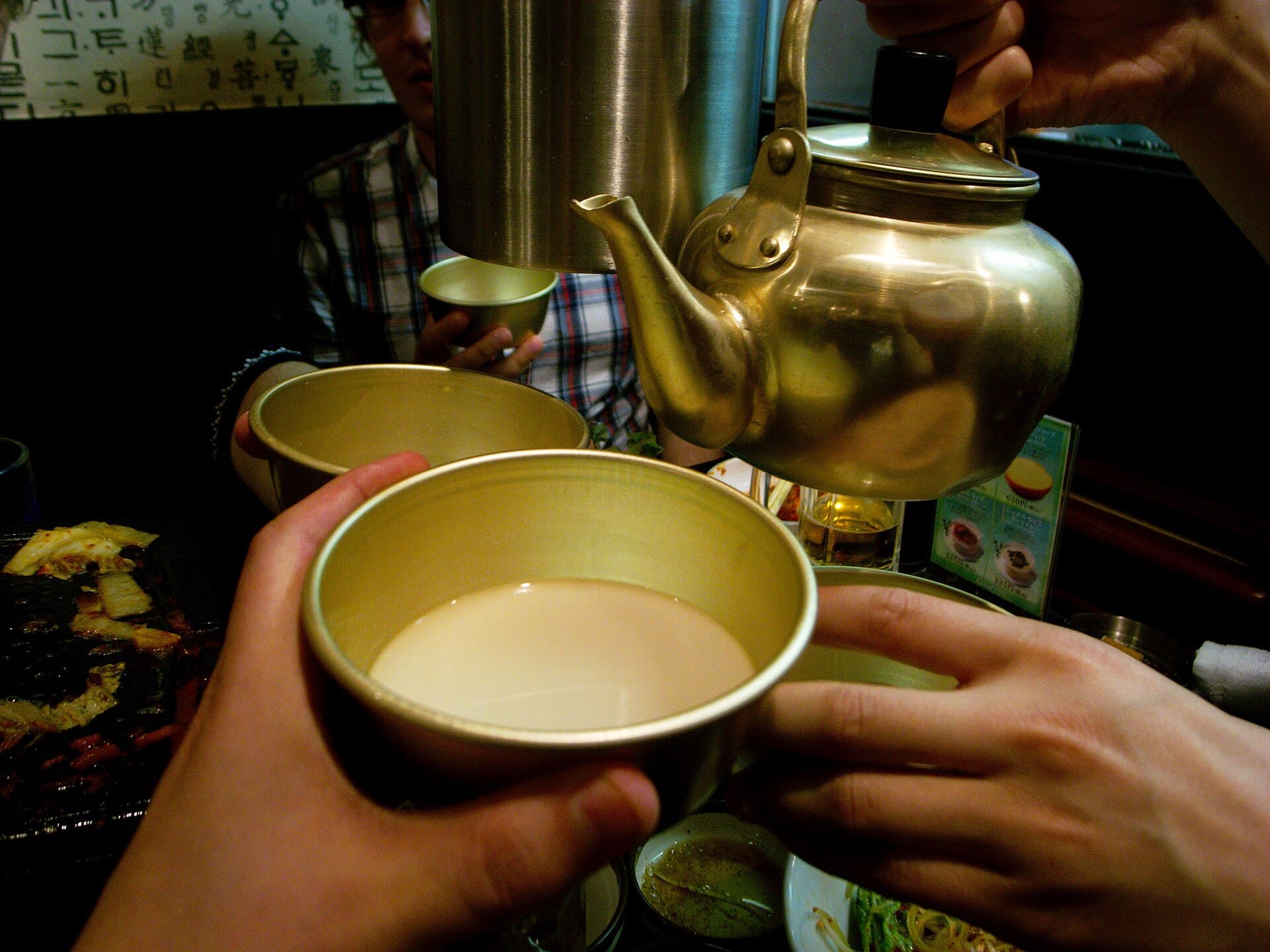
History and secrets of makgeolli, Korea's cloudy, fizzy rice wine: nuruk fermentation, the farmers' drink, rainy-day pajeon pairing, and trendy revival.
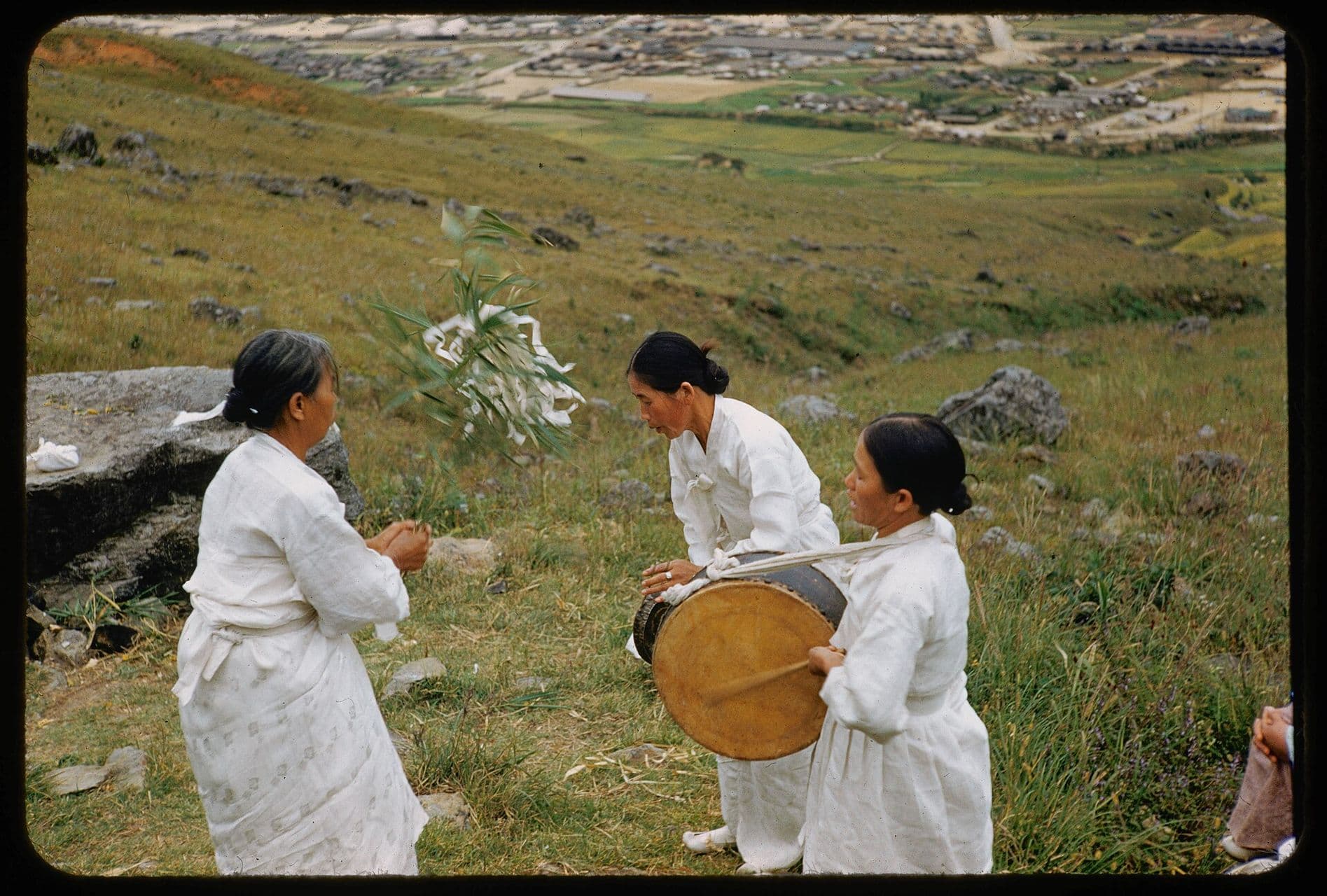
Discovering Korean shamanism (muism): the mudang, the gut ritual, the spirits, its prehistoric roots, its survival and its presence in today's Korea.
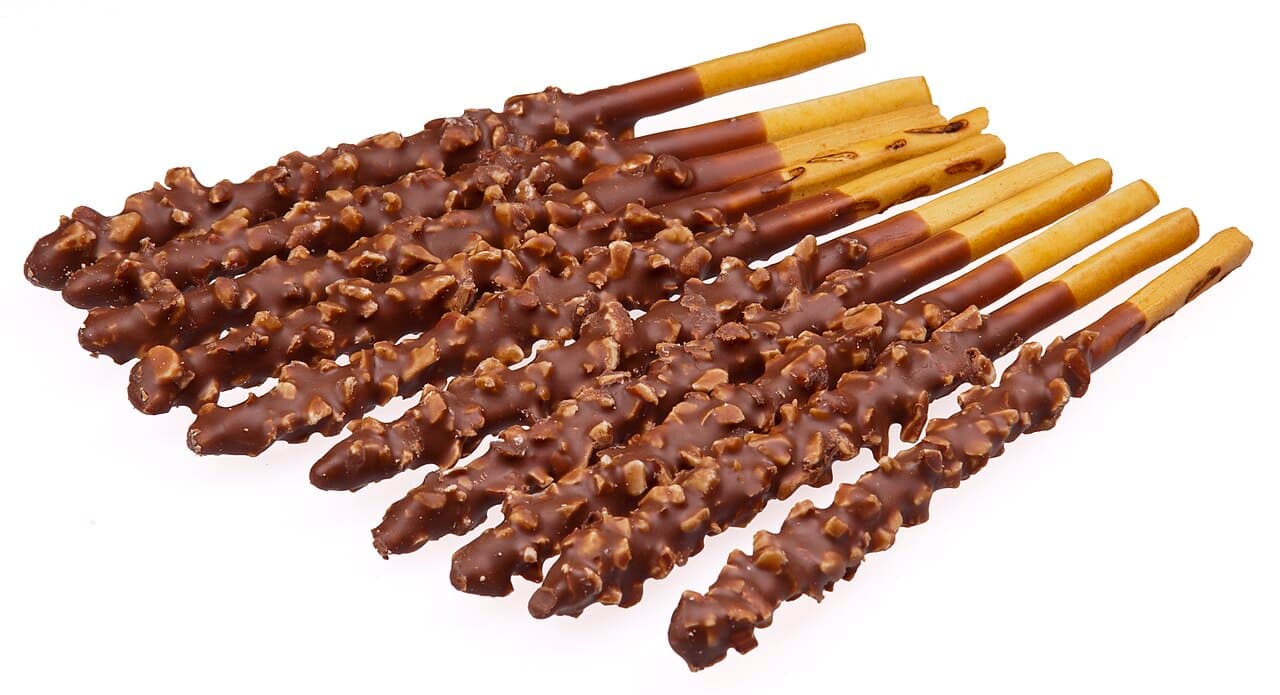
On 11/11, South Korea celebrates Pepero Day. History of Lotte's iconic snack, marketing genius, Pocky Day rivalry, and cultural phenomenon.
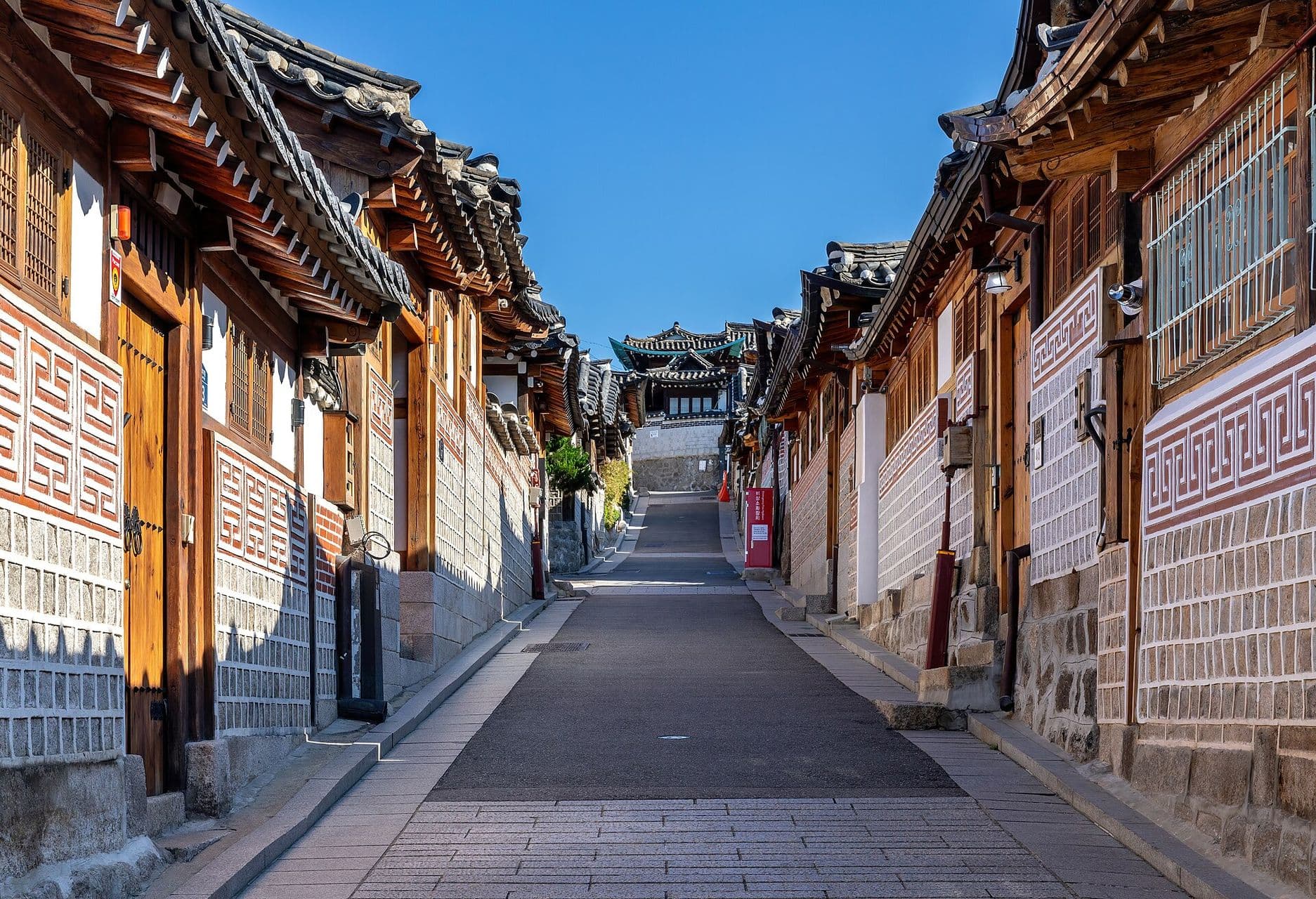
History and secrets of the hanok, the traditional Korean house: ondol underfloor heating, maru wooden floor, curved tiled roofs, hanji paper and harmony with nature.
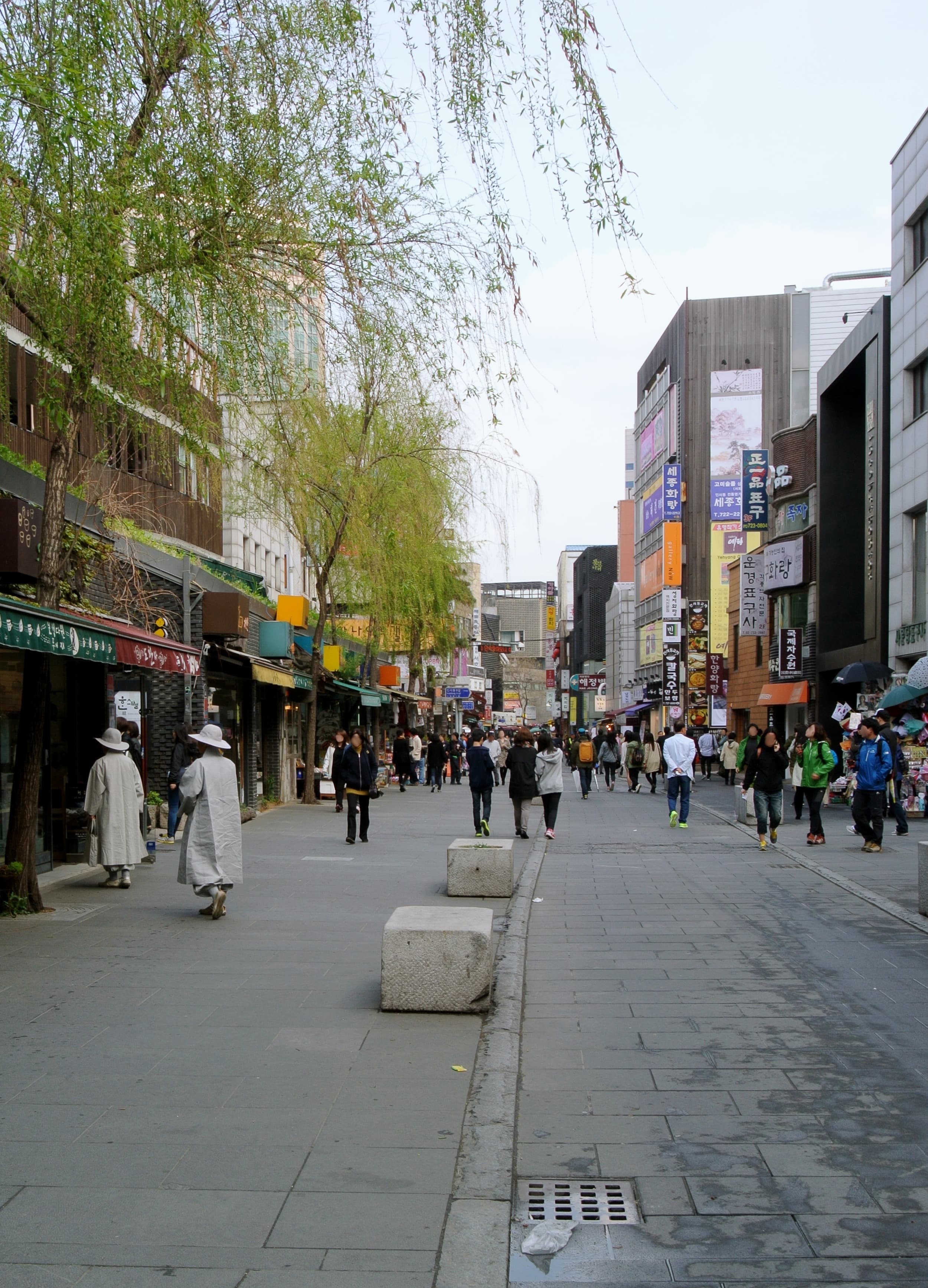
Oppa, Noona, Hyeong, Senpai, Kohai, Gege, Jiejie: understanding the honorific titles governing social relationships in Japan, Korea, and China.
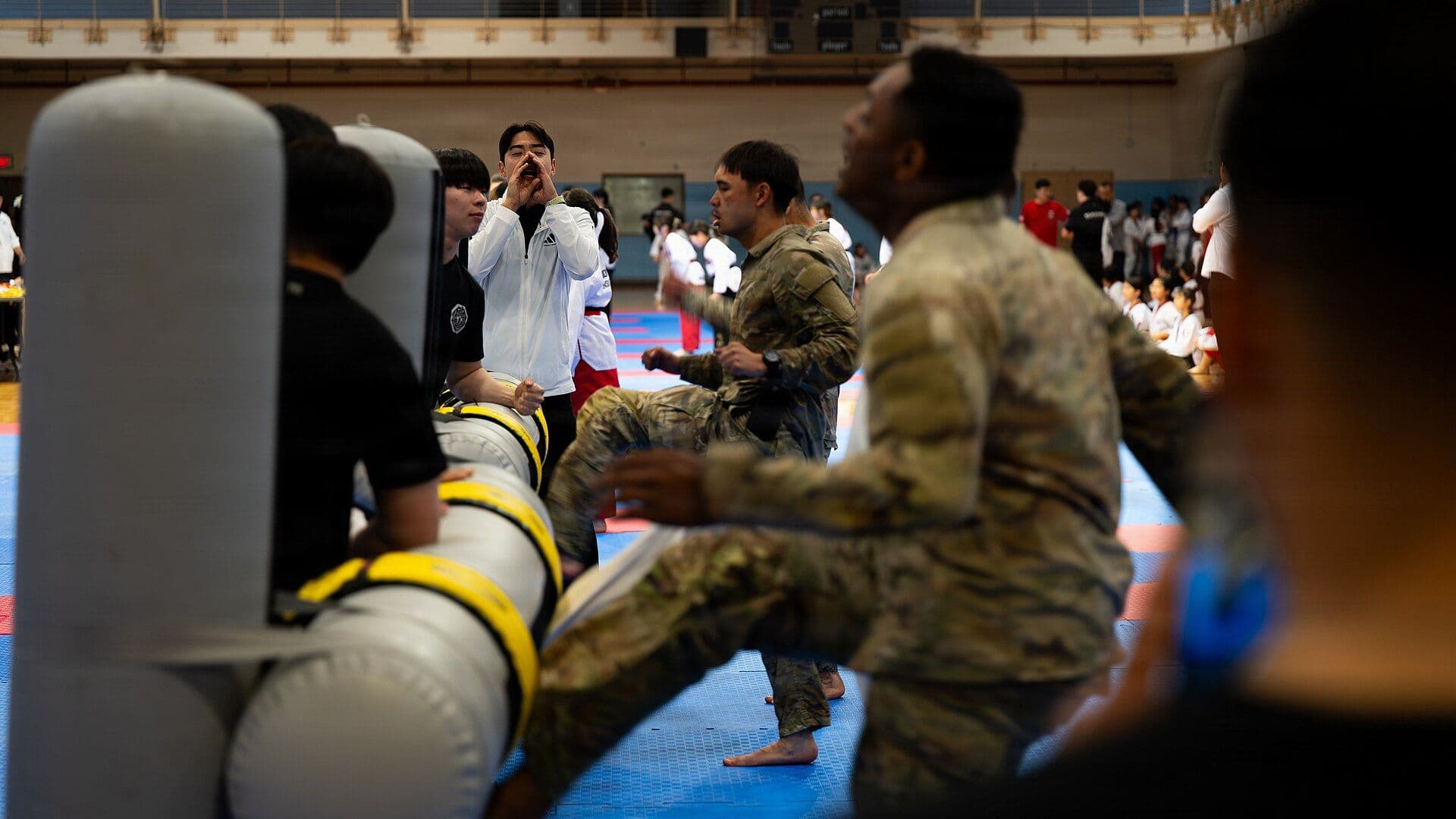
The history of taekwondo, the Korean martial art: its origins after 1945, the unification of the kwans, the ITF/WTF rift, the belts, the poomsae and the Olympic path.
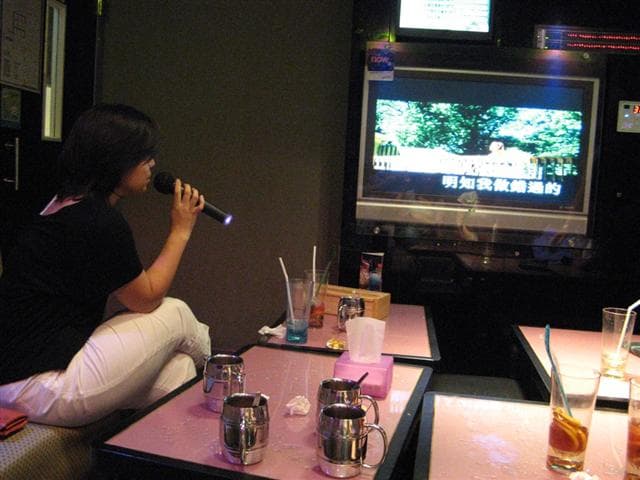
History of karaoke, from its invention in Japan to noraebang culture in Korea and KTV in China. How a machine changed our evenings.
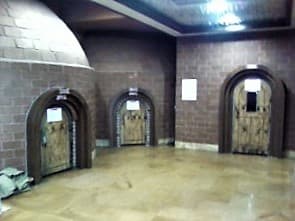
Discovering the jjimjilbang, the 24-hour Korean public bathhouse: hot and cold baths, heat rooms, matching uniforms, baked eggs, body scrubs and the etiquette of nudity.
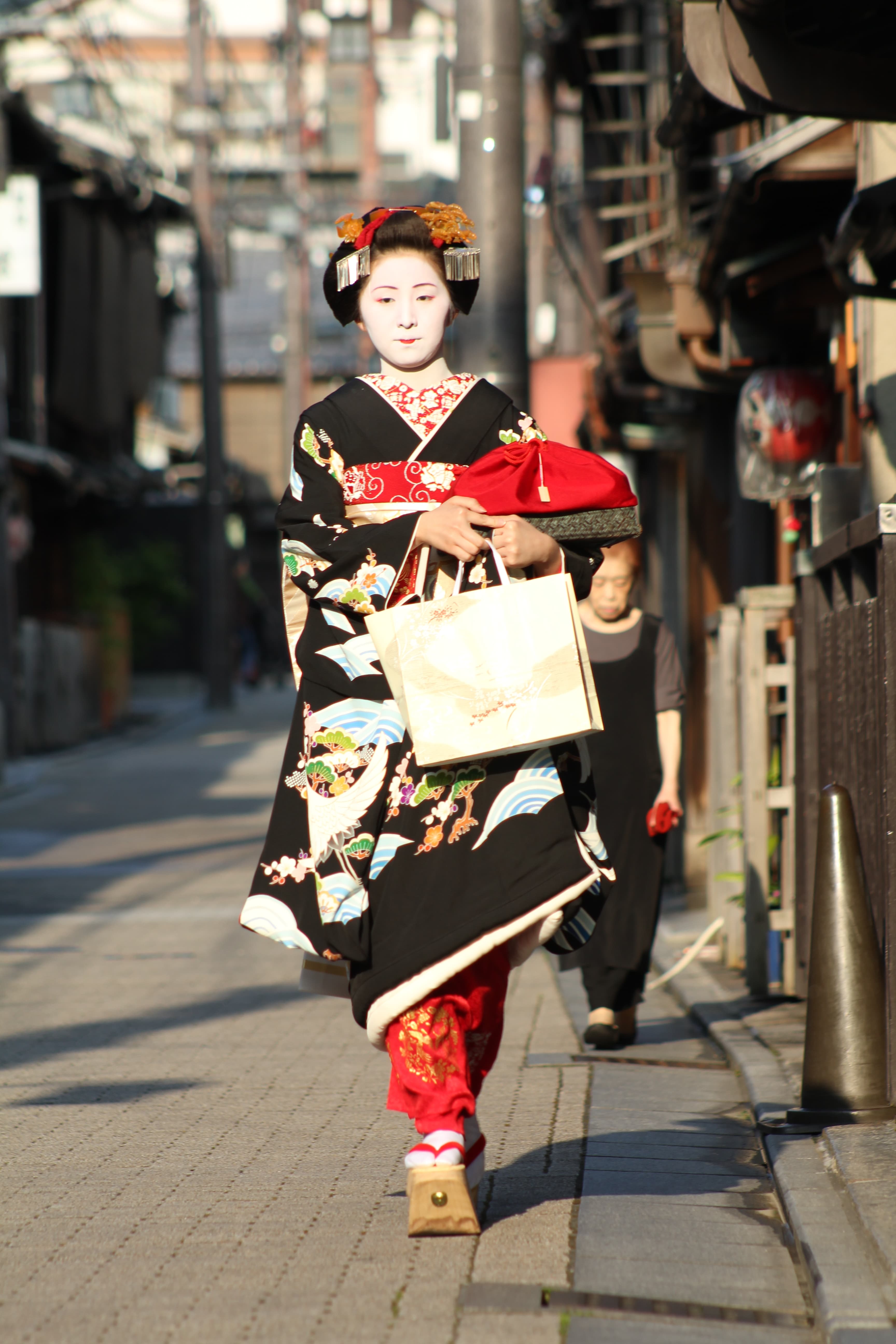
Shōjo, seinen, hallyu, xianxia, webtoon: a dictionary of the terms, genres and traditions of Japan, South Korea and China, sorted by country.
From Ib to Mad Father, Misao to White Day: explore the Japanese and Korean indie horror games that terrified a generation through pixel art, dread and unforgettable storytelling.
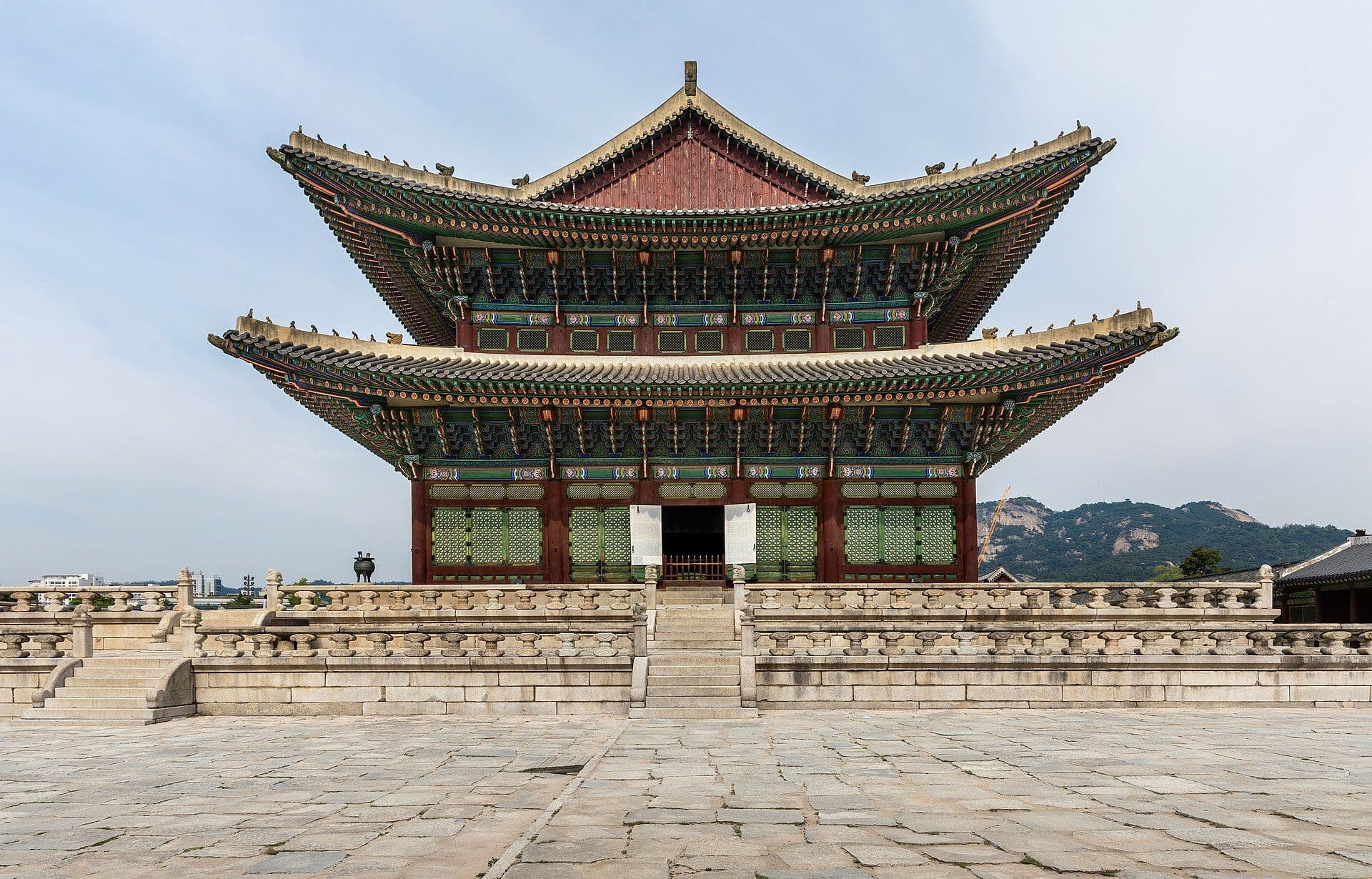
'Land of the Morning Calm' is a mistranslation. Joseon, Korea's ancient name, actually means 'morning freshness.' A linguistic and historical investigation.
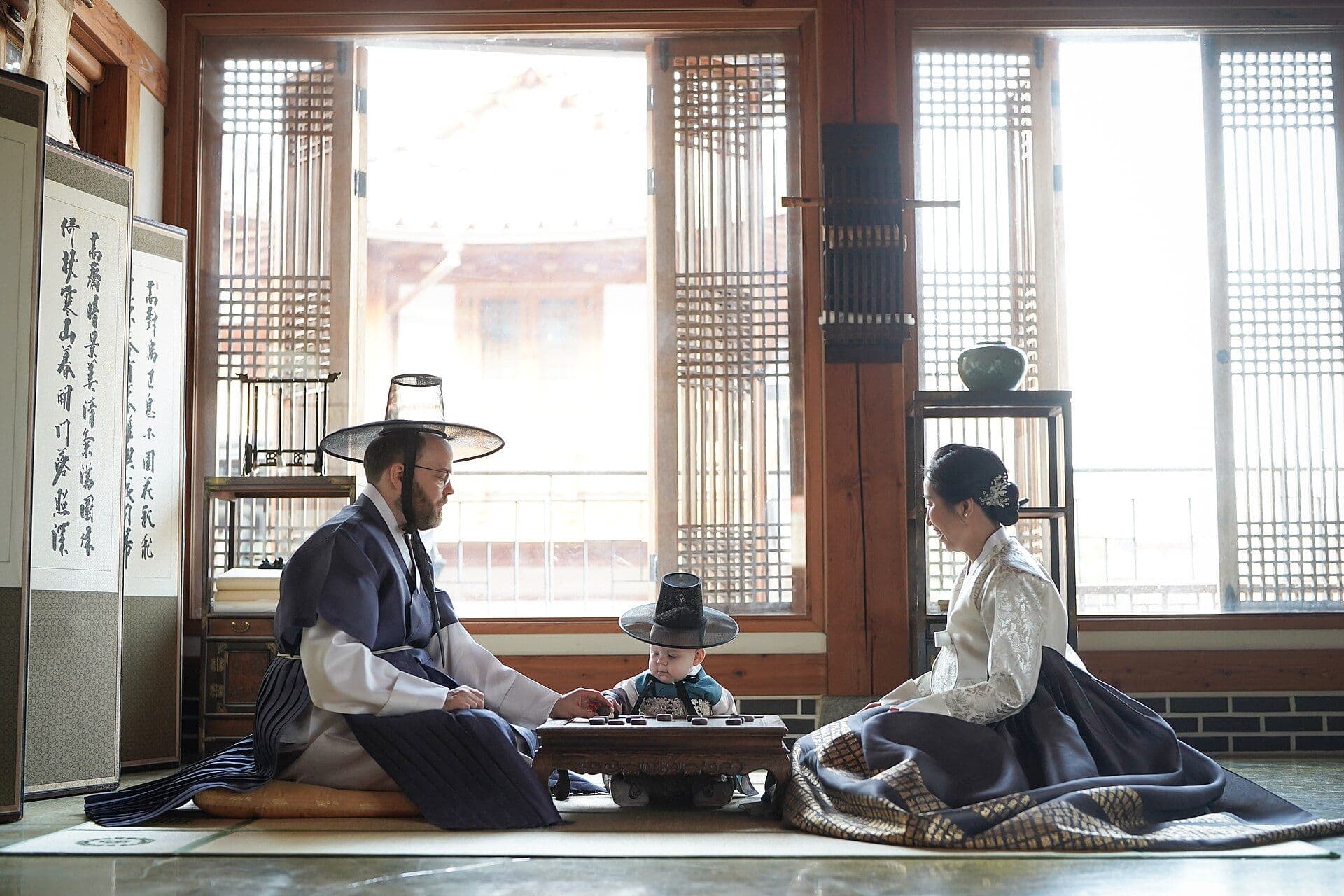
Understanding Korean age: born at one, aging on New Year's Day, the three coexisting systems and the 2023 reform that made a whole country younger.
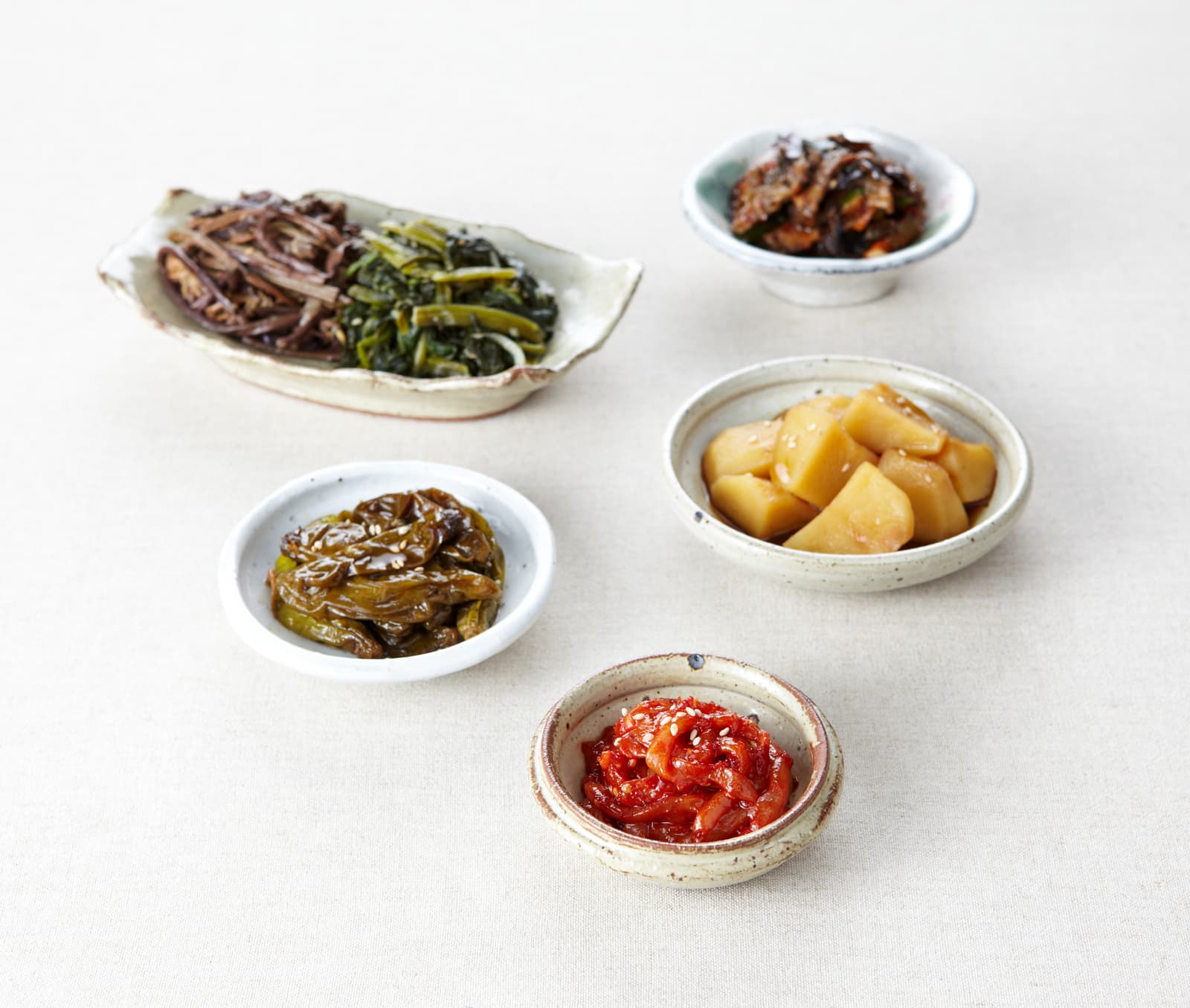
Banchan, the small shared dishes at every Korean meal, carry centuries of philosophy, fermentation science and seasonal wisdom. A deep dive.
History and codes of the Korean webtoon: from manhwa to vertical mobile scroll, the Naver and Kakao platforms, the free model and adaptations into global K-dramas.
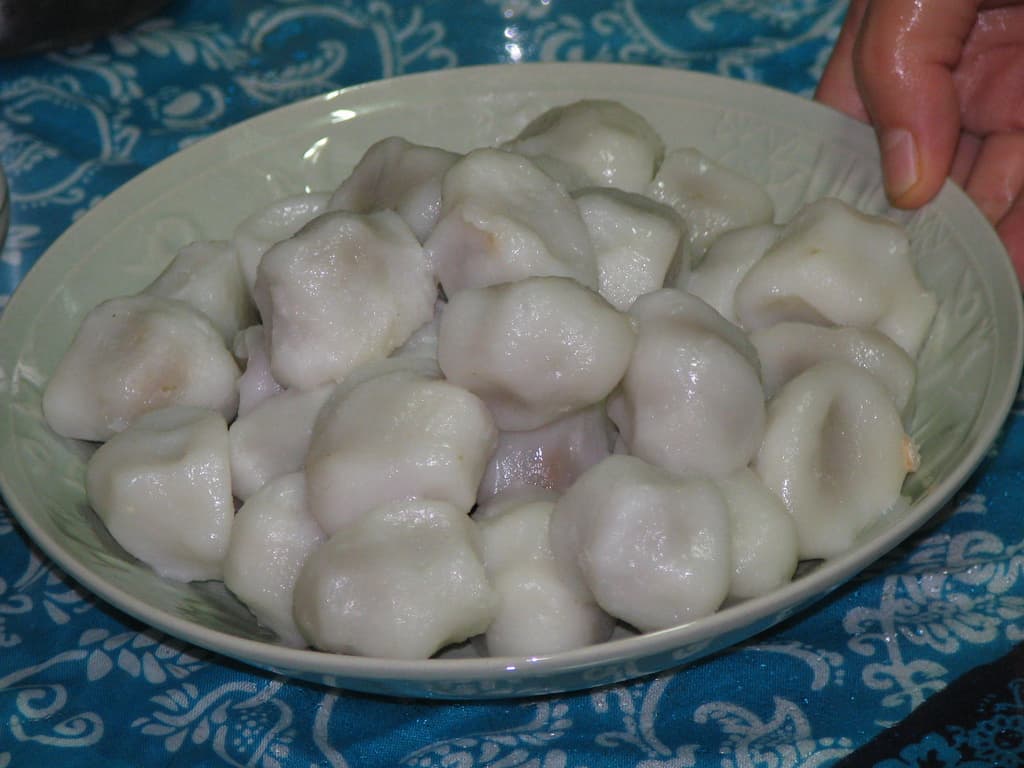
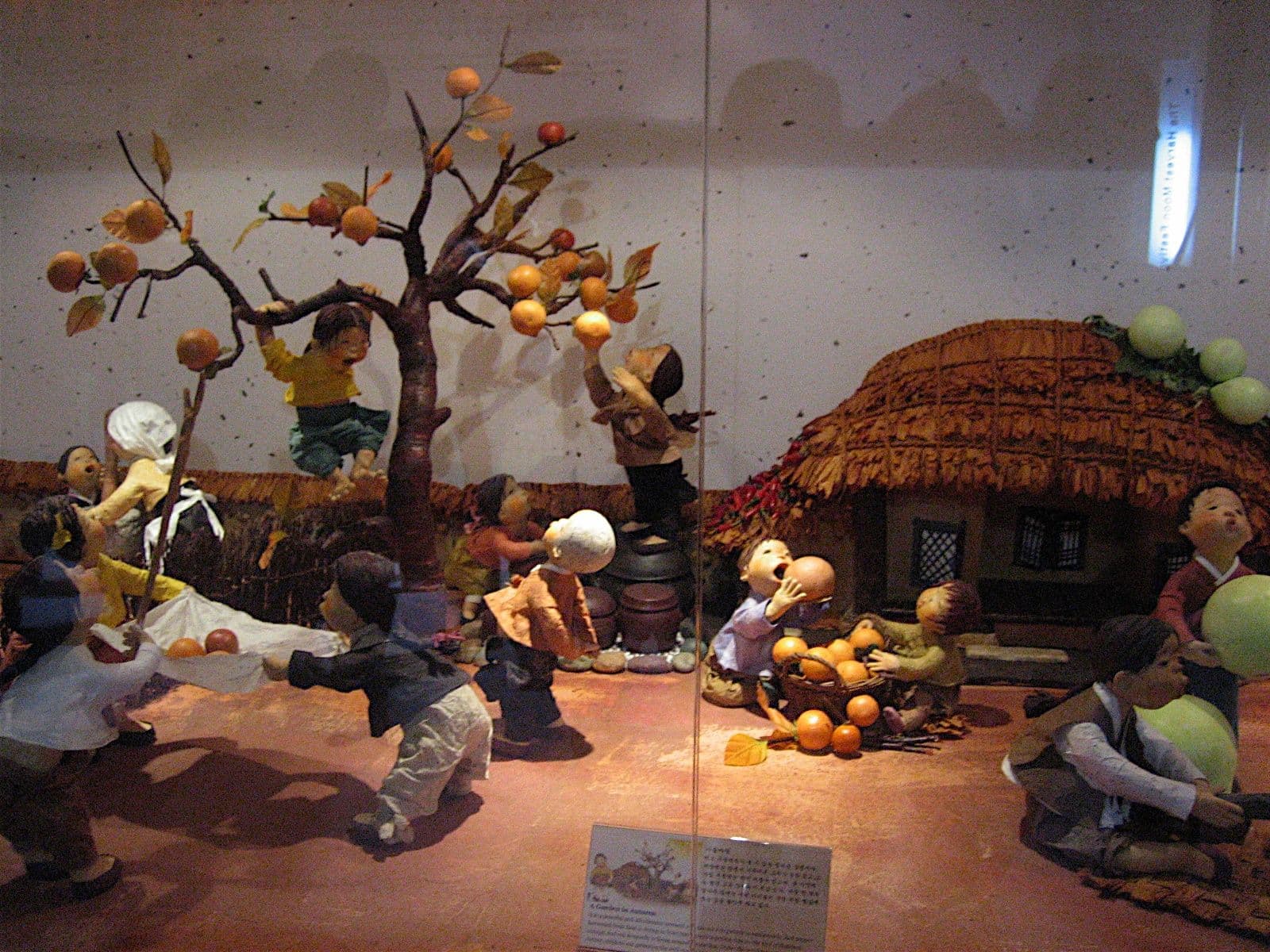
Understanding Chuseok, the great Korean harvest festival: its ancestral rites, songpyeon, the full moon, the return to the village and the ganggangsullae dance.
Nunchi, Korea's subtle art of sensing emotions and unspoken cues in any group, rooted in Confucian philosophy, modern social code and a global success tool.