Ulzzang: the style born from a Korean photo contest
Ulzzang, aegyo-sal, circle lenses, V-line: where this Korean style comes from, what it actually requires and why the word has aged in Korea.
La rédaction Kotoba Interactive
Studio éditorial
The word 얼짱 (eoljjang, transcribed "ulzzang") was born from a contest. In the early 2000s, on the Korean forums of the Daum portal, users posted their portraits to be rated by others. The highest ranked received a title, a contraction of 얼굴 (eolgul, "face") and 짱 (jjang, "the best, the boss"): literally, "best face".
What was only a forum game became, within ten years, an exportable aesthetic, a recruitment channel for entertainment agencies, and a word the rest of the world still uses even though Korea has largely shelved it.
follows a productive pattern in colloquial Korean: a shortened noun followed by the suffix 짱 (jjang). On the same model, 몸짱 (momjjang) describes a sculpted body and 맛짱 (matjjang) a particularly good dish. The suffix probably comes from 장 (jang), the chief, with a strengthened consonant.
The canon, point by point#
The ulzzang aesthetic is highly codified, almost tabular, which explains how fast it spread through tutorials.
| Element | Korean term | Effect sought |
|---|---|---|
| Fine jawline | V라인 (V-line) | Triangular face, pointed chin |
| Large eyes | 왕눈 (wangnun) | Widened gaze, enlarged iris |
| Eyelid crease | 쌍꺼풀 (ssangkkeopul) | Double eyelid, from tape or surgery |
| Under-eye fold | 애교살 (aegyo-sal) | The "charm fat", emphasised with makeup |
| Gradient lips | 그라데이션 립 | Colour concentrated at the centre, blurred edges |
| Flawless skin | 무결점 피부 | Even tone, smoothed effect |
The most telling detail is aegyo-sal. Where Western makeup tries to erase the fold under the eye, Korean makeup emphasises it with shadow and highlighter, because it suggests a childlike smile. It is a clear example of a beauty standard that does not translate from one culture to another.
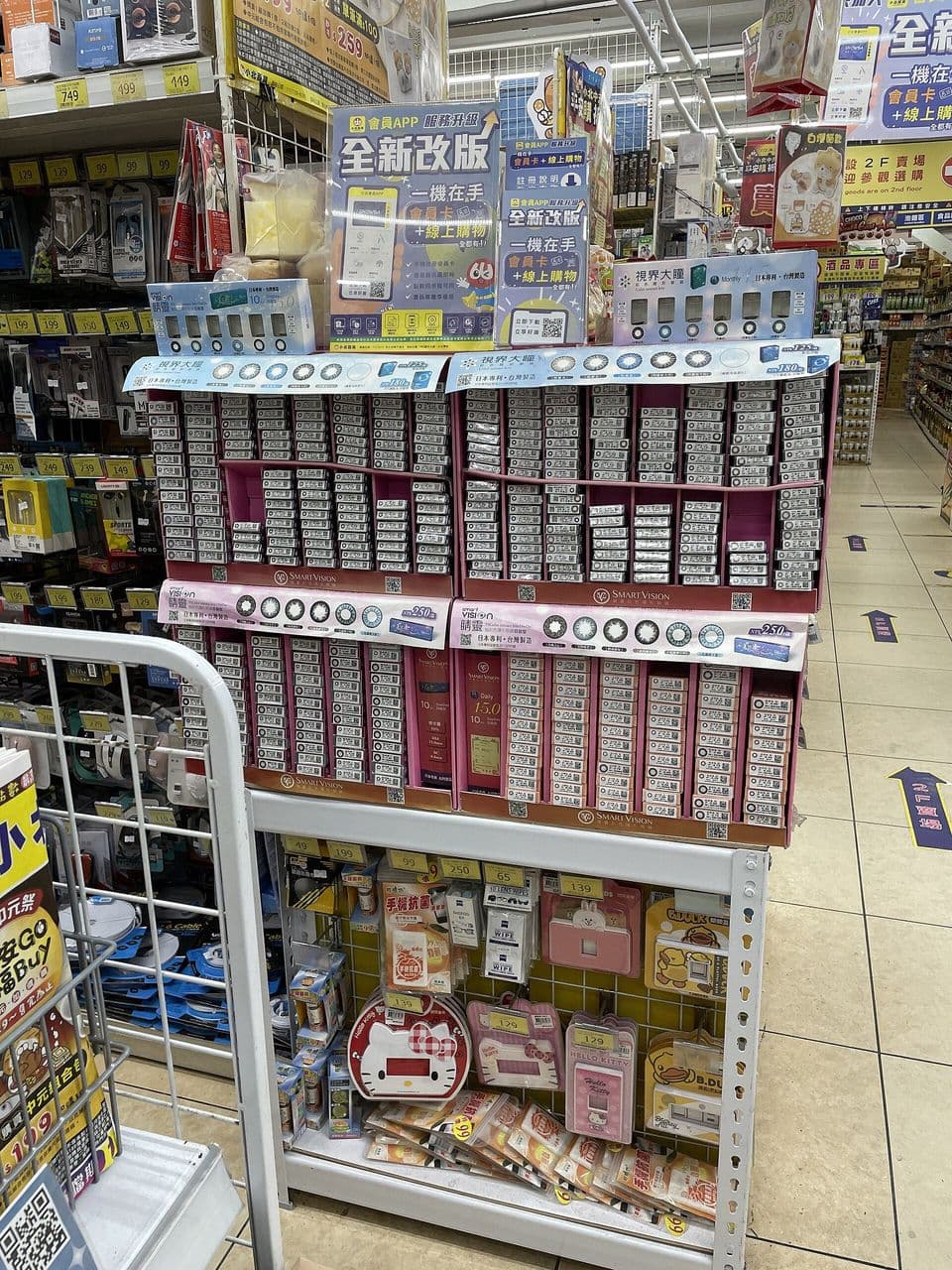
, which enlarge the iris with a dark ring, are the other identifiable piece. Popularised in Korea in the 2000s, they have been classified as medical devices by health authorities in several countries, notably the United States, precisely because they were being sold as fashion accessories.
A contest that became a pipeline#
From 2010, a reality series called 얼짱시대 (Ulzzang Generation) broadcast the daily lives of young people known for their online looks on Korean video platforms. Several seasons followed, and the format turned internet fame into a career.
The most interesting case is , a recognised ulzzang of that era who became an artist. In 2014 he launched the webtoon 외모지상주의 (Lookism) on Naver, the story of a bullied high-schooler who wakes up in a second, handsome body. The series became one of the biggest successes in Korean webtoon and was adapted as an animated show. A former winner of online beauty contests wrote the most widely read critique of the system that revealed him.
Korea invented a title for beautiful faces, then a hit webtoon to describe what that title costs.
Three words are enough to read a Korean beauty thread: 얼굴 (eolgul, the face), 화장 (hwajang, makeup) and 예쁘다 (yeppeuda, to be pretty). KoreanSRS, our spaced repetition app, installs that vocabulary and the everyday Korean that goes with it.
Technique before face#
Part of the ulzzang aesthetic owes less to the person than to the shot. A high angle, camera held above eye level, slims the jaw and enlarges the eyes. Frontal light erases contours. Tight framing removes any reference for proportion.
The technique was industrialised by apps. The Cyworld portal, dominant in Korea in the 2000s, had already established the culture of the retouched self-portrait. From 2015, SNOW, then B612 and Ulike, automated what ulzzang did by hand: jaw slimming, eye enlargement, skin smoothing, all in real time.
The style spread along with the clothes that go with it: loose cuts, oversized sweatshirts, short skirts worn with opaque tights, light brown hair. The whole is deliberately youthful.
The suffix 짱 (jjang) produced its own antonym. The word 찌질이 (jjijiri), for the pitiful loser, appeared in the same online communities at the same time. Korean forums of the early 2000s manufactured an entire vocabulary of social ranking by appearance within a few months.
What Korea says about it today#
The word has aged. In Korea people rarely call anyone "ulzzang" any more: the term smells of 2005 forums, and current vocabulary speaks of influencers, or uses 인싸 (inssa, from "insider") for social popularity. The style itself has dissolved into the general aesthetic of K-beauty.
Abroad, the opposite happened. "Ulzzang style" remains an active search category, especially in Southeast Asia and Latin America, where it describes a generic Korean look, often unconnected to the original contests.
Then there is the criticism. The word 외모지상주의 (oemojisangjuui), "the rule of appearance", names a real public debate in Korean, fuelled by the place of photographs on CVs, by the weight of cosmetic surgery and by the pressure placed on young women. Ulzzang is both a symptom and an accelerant: it put a numerical score on a face.
Read alsoOemojisangjuui: Korean lookism and its vocabulary of linesThe Korean debate on the weight of appearance, with figures and laws.
Aegyo, the register of charm whose visual codes ulzzang borrows.
FAQ#
What exactly does ulzzang mean? "Best face", from 얼굴 (face) and 짱 (the best). It was originally a title awarded in online photo contests in the early 2000s, before becoming the name of a style.
Are ulzzang and K-pop the same aesthetic? They partly overlap. Several artists were spotted thanks to their ulzzang fame, but idol aesthetics follow professional art direction, whereas ulzzang remains an amateur self-portrait style.
Do you need circle lenses? They are emblematic but optional, and they are not harmless: several health authorities classify them as medical devices and advise against buying them without an eye examination.
Is the word still used in Korea? Rarely. It is dated and sounds like a word from 2000s forums. It remains widely used abroad, where it describes a general Korean look rather than a contest title.
What is aegyo-sal? The slight fold under the eye, emphasised with makeup because it suggests a smile. Literally "charm flesh", it is one of the few features Korean makeup accentuates where other schools try to erase it.
Photo credits: the images in this article come from Wikimedia Commons and are under free licences.
Oemojisangjuui: Korean lookism and its vocabulary of lines
S-line, V-line, small face: the vocabulary that turns a body into geometry, Gangnam, appearance-based discrimination, and Escape the Corset.
Cover image: ThomasYehYeh · ThomasYehYeh, via Wikimedia Commons · CC BY-SA 4.0