Ib, Mad Father, Misao: Asian Indie Horror Games
From Ib to Mad Father, Misao to White Day: explore the Japanese and Korean indie horror games that terrified a generation through pixel art, dread and unforgettable storytelling.
La rédaction Kotoba Interactive
Studio éditorial
A nine-year-old girl walks alone through a deserted art museum. Suddenly a woman's portrait shows empty eye sockets, and red letters bleed across the canvas: "Come down below, Ib." This universe made of a handful of pixels is more terrifying than any high-definition monster.
In 2012, thousands of teenagers discover free horror games downloaded from obscure Japanese websites. No massive budgets, no hundred-person studios: a solo developer, a free tool, and a vision that draws on what Asian horror does best, suggesting rather than showing.
Ib, Mad Father, Misao, White Day, The Witch's House, Corpse Party, Ao Oni: these names reached tens of millions of players and gave birth to a creative scene that still thrives more than a decade later. A revolution born in the bedrooms of Japanese and Korean teenagers, spread by YouTube.
| Game | Tool | Country | Year |
|---|---|---|---|
| Ib (イヴ) | RPG Maker 2000 | Japan | 2012 |
| Mad Father (マッドファーザー) | Wolf RPG Editor (ウディタ, Udita) | Japan | 2012 |
| Misao (操) | Wolf RPG Editor (ウディタ, Udita) | Japan | 2011 |
| The Witch's House (魔女の家, Majo no Ie) | RPG Maker VX | Japan | 2012 |
| White Day (화이트데이, Hwaiteu dei) | In-house engine (first person) | South Korea | 2001 |
RPG Maker: The Cradle of Japanese Indie Horror#
, developed by ASCII Corporation and later Enterbrain (now Kadokawa), is a role-playing game creation tool for non-programmers. Since its first version on MSX2 in 1988, it has seen many iterations (RPG Maker 2000, 2003, XP, VX, VX Ace, MV, MZ), letting anyone build a video game without writing a line of code, or nearly so.
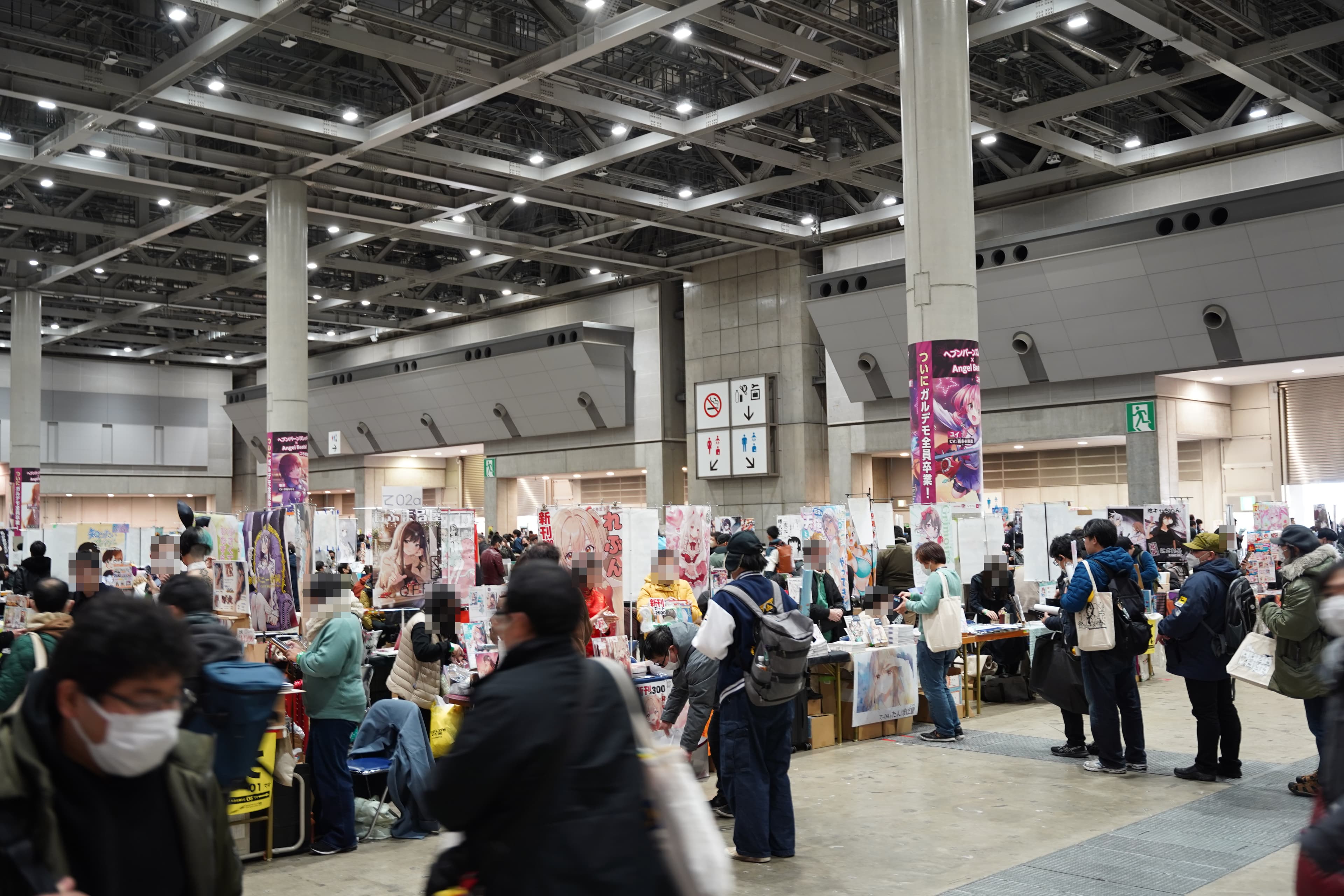
In Japan, RPG Maker belongs to the tradition of , amateur creation outside commercial channels. The , the world's largest dōjin convention with 750,000 visitors per edition, has hosted a growing section of games built with RPG Maker and its free rival, , developed by SmokingWolf. These two tools produced almost every major Japanese indie horror game of 2000-2010.
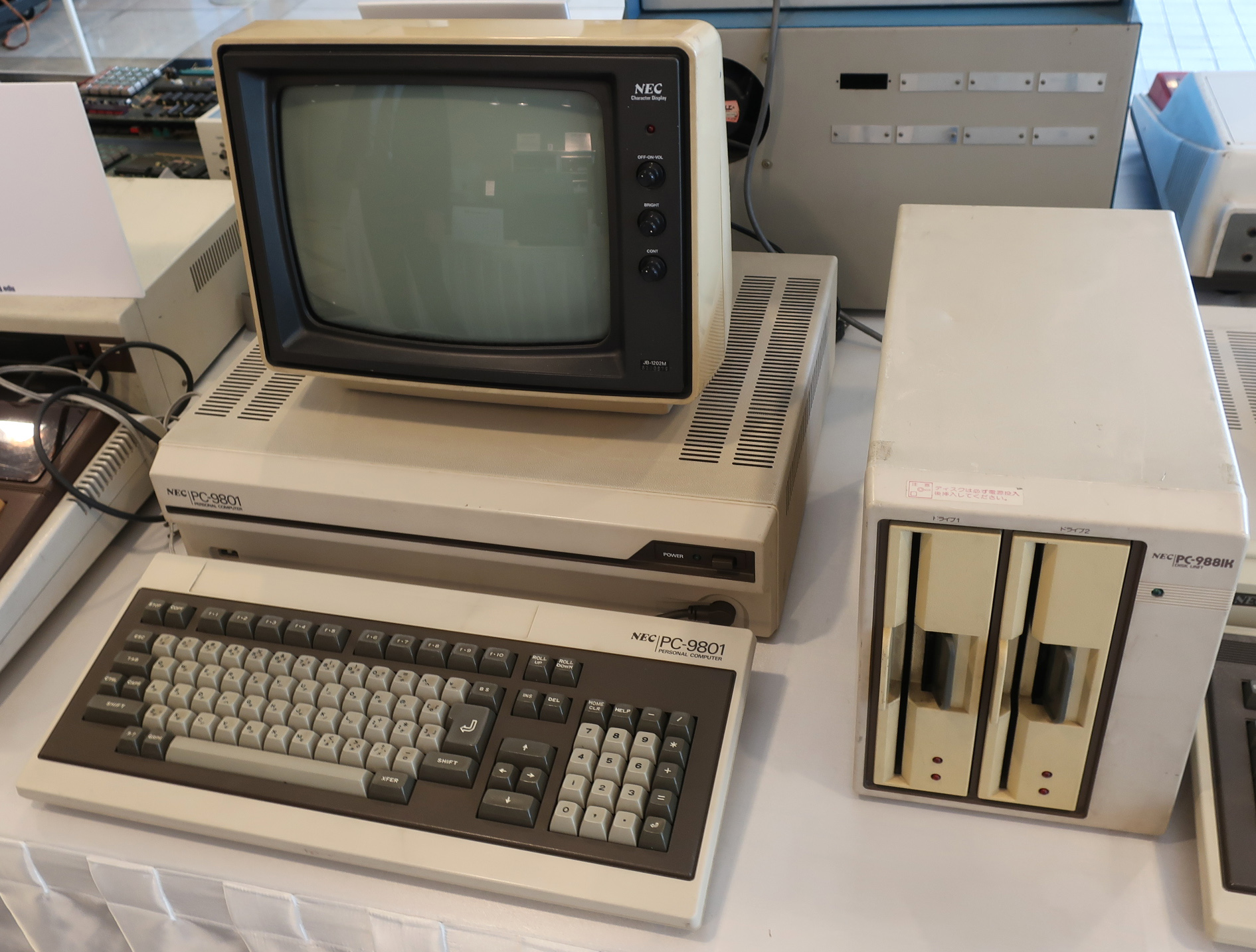
As early as 1996, and his team GrisGris created Corpse Party for the PC-98, locking high schoolers inside a haunted school and subjecting them to deaths of a graphic violence unheard of for a pixel game. In 2004, Kikiyama released , in which a reclusive girl explores dreamlike worlds with no objective or dialogue, up to one of the most devastating endings in indie gaming. In 2008, noprops launched , a minimalist survival horror viral on Nico Nico Douga.
Between 2011 and 2013, the wave reached its peak: in two years, a handful of creators released the games that would define the genre.
Ib: When Art Devours Its Admirers (2012)#
On February 27, 2012, a Japanese developer using the pseudonym released a game built with RPG Maker 2000 on a free-game sharing site. is named after its protagonist, a nine-year-old girl visiting an art exhibition dedicated to the fictional painter Guertena with her parents. Wandering through one of the galleries, Ib finds herself alone: the visitors have vanished, the doors are locked, and the artworks come to life.
A Museum Turned Trap#
The genius of Ib lies in its setting. The museum becomes a nightmarish labyrinth: paintings bleed, sculptures move, installations become deadly traps. The silence, broken by invisible footsteps or distant children's laughter, builds a relentless dread.
The survival system is ruthlessly elegant: Ib carries a red rose that represents her life. Every wound tears off a petal; when the rose is stripped bare, it's the end. Finding vases to restore petals becomes an obsession.
Garry, Mary, and the Seven Endings#
Ib meets Garry, a young man also trapped, whose blue rose symbolizes a fragility that contrasts with his protective role. Then comes Mary, a blonde girl with a yellow rose, far too happy to be there. The player realizes with a shiver that she is a Guertena painting that has become conscious and wants to live in the real world, even if it means taking the place of one of the other two.
The game offers seven endings, from the brightest (Ib and Garry escape together) to the most chilling (Ib forgets everything and stays trapped, or Mary takes her place in the real world). These variations explore identity, memory, sacrifice, and loneliness.
Ib became a phenomenon, with more than two million downloads. In 2022, an official remake on Steam by PLAYISM, with kouri's blessing, offered new graphics, brand-new areas, and an additional ending.
In Guertena's museum, every painting is a door, every door is a choice, and every choice brings the player one step closer to a truth they may not want to find.
Mad Father: The House of Forbidden Secrets (2012)#
In December 2012, , created by with Wolf RPG Editor, follows Aya Drevis, an eleven-year-old girl living in her family's isolated mansion somewhere in Germany. Her father, Dr. Alfred Drevis, is a scientist whose basement laboratory is strictly off-limits. Aya hears screams at night and finds blood in the corridors, but she loves her father more than anything, and that love blinds her.
Innocence as a Narrative Weapon#
On the first anniversary of her mother's death, the mansion transforms. The subjects of Alfred's experiments, tortured and mutilated human beings, rise from the dead and flood the house. Aya must flee through a setting that reveals, room by room, the horror: her father is a serial killer who turns his victims into "dolls" through human taxidermy.
The power of Mad Father lies in Aya's point of view, a child who refuses to understand. It's a cruel fairy tale in the tradition of the Brothers Grimm: the forest is dark, the wolf is inside the house, and the little girl refuses to see him.
A Twist That Lingers#
The strength of the game emerges in its ending. In the "true" finale, the player discovers that Aya is not only a victim: as an adult, she has taken up her father's work. The final image shows her in a cabinet of curiosities, surrounded by her own "dolls". The horror was in the transmission of monstrosity from one generation to the next.
Mad Father was remade and released on Steam in 2016 with upgraded visuals. Sen isn't a one-hit creator: before Mad Father, he had already delivered a major title.
These games pull you into Asian horror with no translation layer: titles like 青鬼 (ao oni, "the Blue Demon") or 魔女の家 (majo no ie, "the witch's house") land harder in the original. Learn to read these kanji and kana with JapaneseSRS through spaced repetition, and uncover the meaning hidden behind every 呪い (noroi, "curse").
Misao: The Curse of an Absence (2011)#
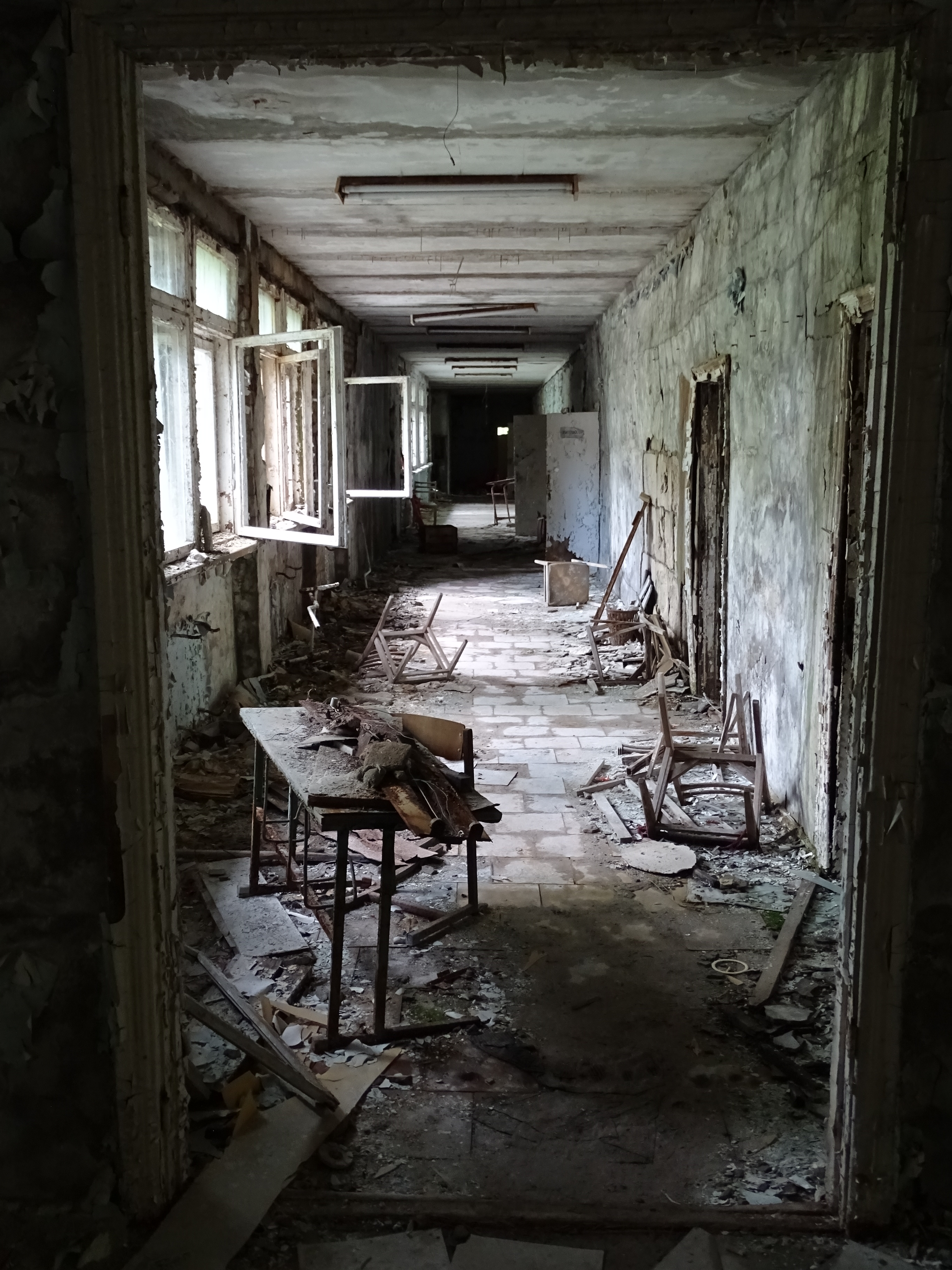
Chronologically, is Sen's first success, released in 2011. The game takes place in a Japanese high school where a student named Misao has been missing for three months, with nobody concerned. An earthquake hurls the students into a supernatural dimension. To appease Misao's vengeful spirit, the protagonist Aki must find the scattered pieces of the girl's body throughout the cursed school.
The Horror of Daily School Life#
Beneath its supernatural plot, Misao tackles realistic topics. Misao didn't simply disappear: she was the victim of systematic bullying by her classmates, of abuse by a teacher, and of institutional indifference that left her with no recourse. Her curse targets those who harmed her, mirroring the suffering she endured.
The "Definitive Edition", released on Steam in 2017, refines the experience with improved visuals and additional content.
Misao and Mad Father form a thematic diptych: two variations on broken innocence behind the walls of institutions (school, family) that are supposed to protect.
White Day: When Korea Reinvented Survival Horror (2001)#
Asian indie horror isn't confined to Japan. In September 2001, the South Korean studio Sonnori released .
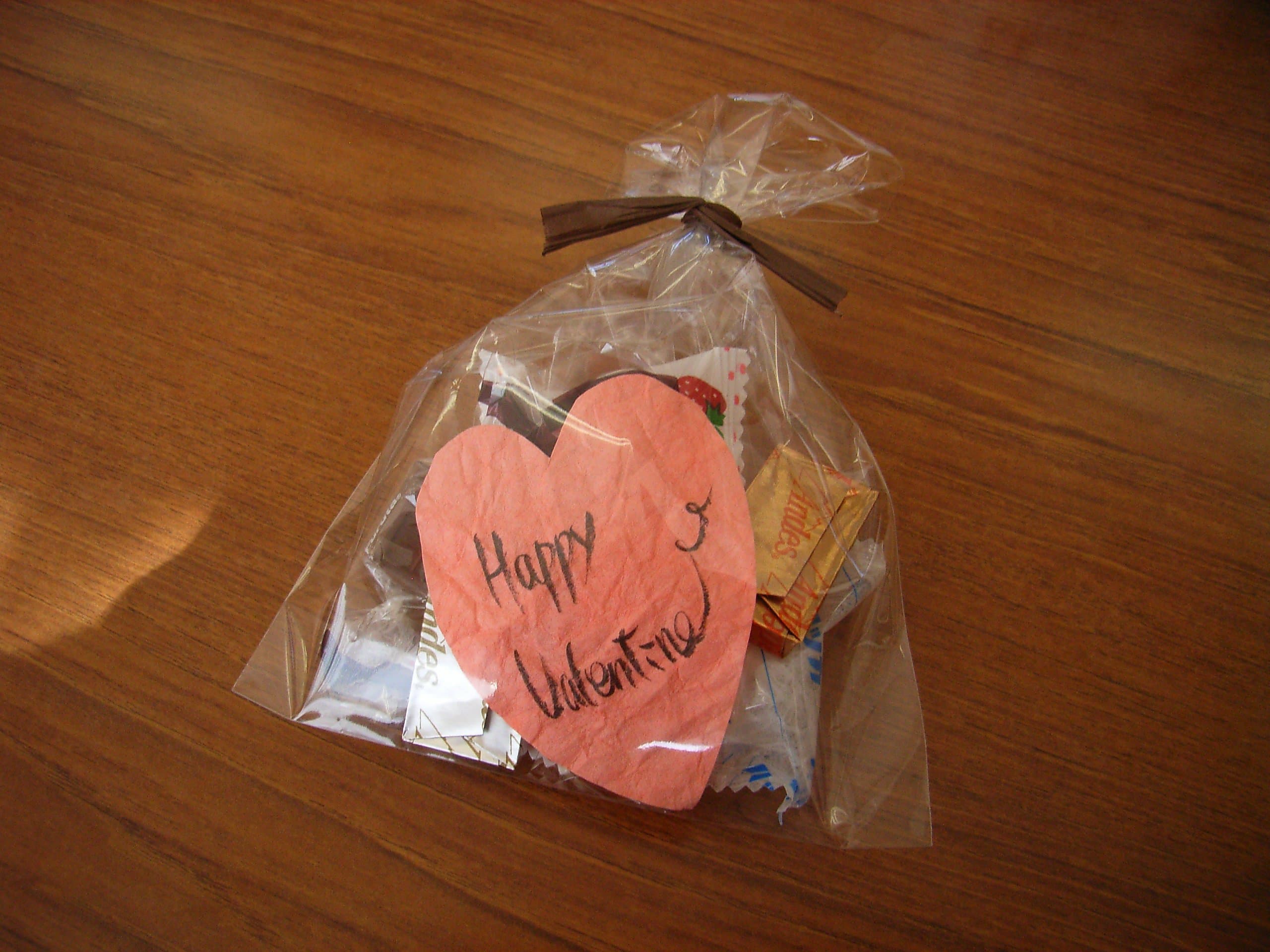
The title refers to , celebrated on March 14 in South Korea (and in Japan), when boys give sweets to girls in response to the chocolates they received on Valentine's Day. , an ordinary high schooler, sneaks into Yeondu High School at night to leave candy in the locker of , the classmate he loves. But the school is haunted.
A High School Full of Ghosts#
Unlike Japanese RPG Maker games, White Day uses a first-person perspective and pure survival horror: no weapons, only flight or hiding. A possessed janitor, armed with a baseball bat, patrols with an AI sophisticated for the time: he reacts to sound, tracks the player, and opens doors.
But the true terrors are the , the ghosts of Korean folklore. Each spirit is tied to a legend, often inspired by the , the horror stories Korean high schoolers share among themselves. The ghost of the girl who killed herself in the bathroom, the specter of the former principal, the apparition in the stairwell: White Day anchors its fear in a specifically Korean supernatural.
From Cult Hit to Revival#
When it launched in 2001, White Day was a critical and commercial success in South Korea but remained virtually unknown elsewhere, lacking an English localization and physical copies. The game gained cult status: original copies sold at high prices.
In 2015, a mobile version renewed interest. In 2017, a full remake built in Unreal Engine released on PS4 and PC, finally localized in English and published in the West by PQube. A sequel, White Day 2: The Flower That Tells Lies, came out in 2023.
The Korean approach stands out for its social grounding: where Japanese games explore intimate horror (family, childhood, identity), White Day locates its fear in a collective frame, the school system and social pressure.
The Other Pillars of the Genre#
The wave isn't limited to these four titles.
The Witch's House: The Empathy Trap (2012)#
Created by Fummy with RPG Maker VX, follows Viola, who enters a mysterious house deep in a forest, among deadly traps and devious riddles. Its strength lies in its final twist: the character the player controls isn't Viola, but Ellen, the witch who stole her body. Without knowing it, the player has helped the villain escape, and the "real" Viola, trapped in Ellen's sick body, is shot by her own father who fails to recognize her. The remake The Witch's House MV (Steam, 2018) let a new generation discover this narrative cruelty.
Corpse Party: From RPG Maker to Multimedia Phenomenon#
Created in 1996 by Makoto Kedōin for an RPG Maker contest on the PC-98, found a second life when Corpse Party: Blood Covered ...Repeated Fear released on PSP in 2010. The story (high schoolers trapped in a haunted elementary school after a friendship ritual gone wrong) is carried by extreme graphic violence and a chapter system with multiple bad ends. The franchise spawned sequels, manga, OVAs, and a loyal international community.
Ao Oni: Raw Fear#
, created by noprops in 2008, may be the most minimalist: four friends explore an abandoned mansion, chased by a creature with a disproportionately large blue face. No complex plot, just the relentless chase. Ao Oni passed four million downloads and was adapted into anime, manga, a light novel, and a live-action film.
YouTube and Let's Plays: When Fear Becomes Spectacle#
The worldwide spread of these games owes an enormous debt to Let's Plays, videos in which players film themselves playing and share their reactions in real time.
In the early 2010s, PewDiePie (who played Ib, Mad Father, Ao Oni, and Corpse Party in front of millions of viewers), Markiplier, and jacksepticeye made them their specialty. The formula was perfect: short, free games packed with photogenic scares and multiple endings.
In Japan, played a similar role with the , streamers specializing in game commentary. Amateur translation, led by figures like vgperson, made these games accessible to English-speaking audiences.
For many Western players, these games became a gateway to Japanese and Korean culture: the player who discovered Ib on YouTube got curious about yōkai folklore, manga and anime, and eventually the language.
The Aesthetics of Pixel Dread#
Why do these games work so well? Through a paradox: it's because they show almost nothing that they frighten so effectively. A character sixteen pixels tall can't display detailed facial expressions, but faced with abstraction, the brain fills in the gaps with imagination, more terrifying than reality.
The pixel art inherits the tradition of Asian horror cinema. J-horror films like Ringu (1998) by or Ju-On (2002) by had already demonstrated that suggestion, off-screen presence, and silence outdid explicit gore.
Sound design plays a central role. Ib uses silence in a way few games dare: long minutes without music, punctuated by a footstep, a creak, distant laughter. White Day exploits the acoustics of the empty school, where the janitor's footsteps let the player gauge the distance of the threat by sound alone. Mad Father alternates between childlike melodies and brutal dissonance.
The themes converge on a common core: childhood, the loss of innocence, loneliness, guilt, and the betrayal of those who were supposed to protect. Profoundly human horror, far more disturbing than any jump scare.
The most lasting horror isn't the one that shows you a monster. It's the one that makes you understand, pixel by pixel, silence by silence, that the monster was always there, and you simply failed to recognize it.
The legacy is immense. An entire generation of independent creators grew up playing Ib, Mad Father, and Corpse Party. More recent titles like OMORI (2020), which explores depression and trauma through a dreamlike RPG, or Your Turn to Die (キミガシネ, 2017), an online death game with a dense storyline, carry the DNA of this first wave. The successive remakes (Ib in 2022, Corpse Party in 2021) prove that these works have lost none of their power.
These games demonstrated that terror isn't measured in polygons, that emotion doesn't depend on budget, and that the most unforgettable stories come from places no one expects: a pixelated art gallery, a mansion of 32-by-32-pixel tiles, a Korean high school where the lights have just gone out. The player is alone. The screen is small. And the fear is immense.
Photo credits: images from Wikimedia Commons, under a free license.
In this article
The cultural terms covered here, each with a short definition.
Valentine's, White Day, Black Day: Love Across East Asia
From Valentine's to White Day and Black Day, how Japan, Korea, and China reinvented love holidays. Plus: the horror game White Day.
Cover image: Benlisquare · Benlisquare · CC BY-SA 4.0