Korean Couple Looks: the keopeullook Explained
The keopeullook, those matching outfits worn by Korean couples, weaves together rings, the 100-day milestone and Pepero Day. A look at a highly coded social ritual.
La rédaction Kotoba Interactive
Studio éditorial
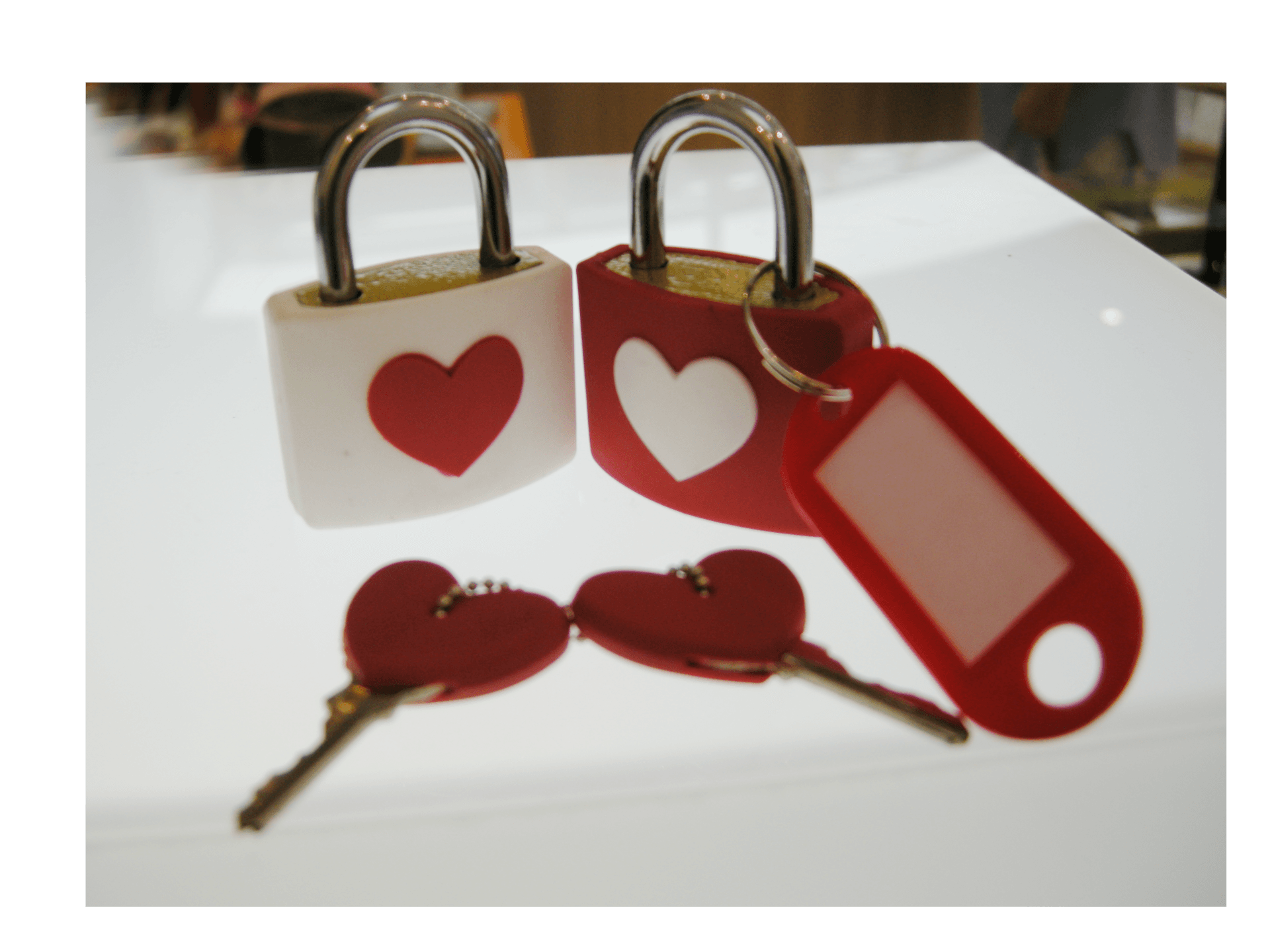
On the terrace of the N Seoul Tower, up on Namsan, tens of thousands of engraved padlocks have been piling up on the railings since the mid-2000s. Each one carries two first names, a date, sometimes a clumsy heart. But even before they buy their padlock, many of the couples climbing up there already look alike: the same white sneakers, the same hoodies, sometimes the same beanie. This is no coincidence, it is a deliberate statement.
The phenomenon has a name in South Korea: the keopeullook (커플룩), the "couple look." It refers to the habit of wearing coordinated outfits to publicly signal that you are a couple. Far from a passing fashion whim, the practice fits into a dense system of romantic rituals, measured down to the day, framed by commerce and amplified by dramas and idols. To understand the keopeullook is to understand how Korean society makes intimacy visible, and why that visibility swings between sincere declaration and social pressure.
The keopeullook, a statement you wear#
The keopeullook refers to the whole set of matching clothes and accessories a couple wears to be seen together. The coordination ranges from the most discreet to the most literal: identical t-shirts, sneakers in the same color, caps, bracelets, twin phone cases, sometimes even a shared lock screen.
Keopeullook (커플룩) comes from the English words "couple" and "look," stitched together the Korean way into a single portmanteau. The construction is typical of Konglish, those English borrowings recomposed according to a logic all their own, like "one-room" for a studio flat or "skinship" for affectionate physical contact.
The intensity of the coordination reads like a code. A couple just starting out will match a pair of sneakers or a discreet accessory. An established couple might go out in a fully identical outfit, right down to the printed pattern. This gradation is anything but trivial: in a country where verbal displays of affection often stay reserved, clothing becomes a language. It says "we are together" without a single word being spoken.
Brands understood this early. As soon as the 2010s, Korean ready-to-wear labels launched lines explicitly designed for couples, sold in pairs. Themed cafés, photo studios and hanbok rental shops for tourists built part of their offering on this demand to "match." The coordinated outfit became a product as much as a feeling.
The keopeullook turns love into public information: before you say I love you, you wear it.
A hundred days, rings and padlocks: the grammar of the couple#
In Korea, a relationship is counted from the official day two people decide to be together, and the milestones are celebrated on fixed dates. The first major marker is the baegil (백일), the hundredth day.
Baegil (백일) literally means "one hundred days." The word existed long before modern couples: traditionally, people already celebrate a newborn's baegil, one hundred days after birth, a milestone inherited from an era when infant mortality made that threshold symbolic. Couples repurposed the term to mark the early strength of their bond.
The countdown does not stop there. People celebrate 200 days, 500 days, then the prestigious 1,000-day mark. On top of these anniversaries come monthly "days," often the 14th of each month, each tied to a theme (roses, sweets, wine, hugs). The Korean romantic calendar thus becomes a run of appointments you cannot miss, at the risk of hurting your partner.
The couple ring holds a place of its own. The keopeulling (커플링), worn long before any thought of engagement, often seals the passing of the 100 days. Where the ring signals matrimonial commitment in the West, in Korea it marks entry into a serious, acknowledged relationship. Many couples wear it on the index or middle finger, distinct from a wedding band.
These rituals come with their own vocabulary: 커플룩 (keopeullook, the matching outfit), 백일 (baegil, the hundred days) and 커플링 (keopeulling, the couple ring). Learn to read hangeul and anchor these words for good with KoreanSRS, the spaced-repetition method dedicated to Korean.
Then there are the Namsan padlocks. Fastening an engraved padlock to the railings of the N Seoul Tower, then tossing the key, became an unmissable romantic ritual in the 2010s, so much so that the city had to install extra supports to absorb the weight of the metal. The gesture says the same thing as the keopeullook, only more final: making the bond visible, public, hard to undo.
November 11 and the weight of commerce#
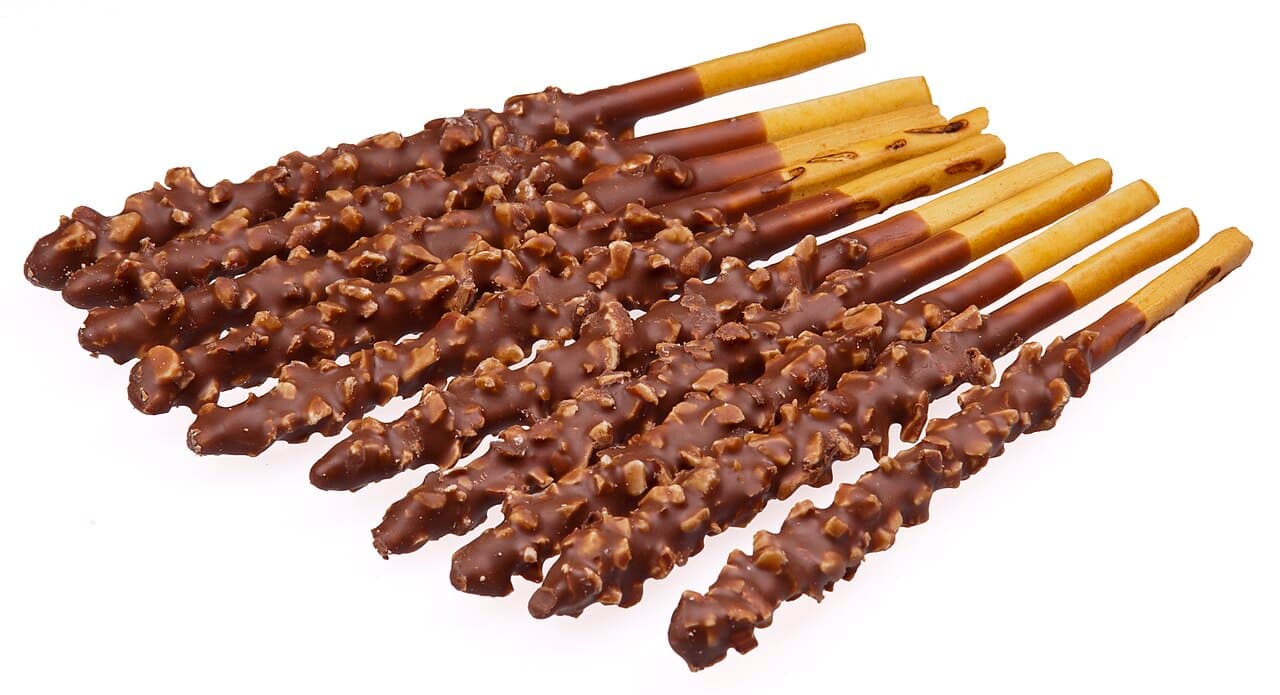
On November 11, Korea celebrates Pepero Day, the most commercial of its couple holidays. On that day, people give each other Pepero (빼빼로), those long chocolate-coated biscuit sticks, because the date 11.11 evokes four sticks lined up.
The origin dates back to the mid-1990s. According to several accounts relayed by the Korean press, including the Korea Herald, teenage girls in North Gyeongsang Province reportedly began, around 1996, to exchange Pepero while wishing each other to stay slim and slender "like the sticks." The maker Lotte, owner of the Pepero brand, quickly embraced the calendar coincidence, and November 11 is today one of the country's biggest confectionery sales peaks of the year.
Pepero Day illustrates a recurring tension. These rituals express real affection, but they also rest on an efficient commercial machinery. Dating apps, themed cafés, couple photo studios, jewelry brands and confectioners live in part off this calendar. The pressure to give gifts is such that some young people wryly mention the financial cost of being in a relationship.
White Day, on March 14, extends Valentine's Day according to a clear rule: on February 14, it is women who give chocolate to men; a month later, men return the favor, often with sweets. The custom, imported from Japan in the 1980s, took firm root in Korea.
The Korean couple calendar can be read at a glance:
| Occasion | Date | What is at stake |
|---|---|---|
| Valentine's Day | February 14 | Women give chocolate to men |
| White Day | March 14 | Men return the favor, often with sweets |
| Monthly "days" | The 14th of each month | One theme per month: roses, sweets, wine, hugs |
| Baegil (백일) | 100th day of the relationship | First major milestone, often sealed with the keopeulling |
| Later anniversaries | 200, 500 then 1,000 days | Markers of the couple's official countdown |
| Pepero Day | November 11 | Exchange of Pepero, the date 11.11 evoking four sticks |
The keopeullook fits into this ecosystem. Wearing the same outfit for a photo session, posting the shot on social media, tagging the café where it was taken: each step feeds both the couple's private story and the economy around it. The line between sincere expression and social performance grows porous.
Dramas, idols and the spread of the model#
K-dramas and idols have massively popularized the codes of the visible couple. Ever since the major hits of the 2010s, romantic plots have staged precise rituals: the baegil, the exchanged ring, the coordinated outfit, the declaration in front of an iconic backdrop.
These images travel. Carried by the Korean cultural wave, they spread the keopeullook far beyond the peninsula, among fans in Southeast Asia, Latin America and Europe. Couples who have never set foot in Seoul now adopt the matching sneakers and the 100-day countdown, learned in front of their screens.
Read alsoHallyu: How the Korean Wave Conquered the WorldThe Korean wave has exported these romantic rituals around the world: dive into hallyu and its mechanics.
Idols, for their part, keep an ambiguous relationship with these codes. Many contracts subject them to clauses banning public relationships in order to preserve the fantasized closeness with fans. The result: the matching couple is everywhere in fiction and advertising, yet carefully invisible in the stars' real lives, which fuels an extra layer of fascination.
The care given to appearance goes well beyond the couple, in fact. Coordinated dressing, clear skin, a controlled silhouette all belong to the same culture of the gaze.
Read alsoThe ten-step Korean routine: the order and role of each productThe polished couple goes hand in hand with a daily aesthetic standard: discover the k-beauty routine and its philosophy of the skin.
Beyond the couple: friends, families and limits#
The matching look reaches well past the romantic frame. Groups of friends adopt the friendship look, whole families photograph themselves in identical outfits, and retailers offer highly popular "parent-child" collections for weekend outings.
Within the romantic sphere, dates too follow their own codes. Public displays of affection, often referred to by the English acronym PDA, stay measured: people hold hands, share earphones, match their outfits, but more intimate gestures remain discreet in public space. The keopeullook works precisely as an acceptable PDA, visible without being transgressive.
Yet this model is neither universal nor fixed. A growing share of Korean youth is turning away from it. The term sampo sedae (삼포세대), the "generation that gives up three things," refers to young people who, lacking means and time, give up romance, marriage and children. For them, the 100-day calendar and the keopeullook budget feel less like a dream than an unreachable burden. The visible-couple ritual now coexists with a wave of singlehood, whether chosen or endured.
Read alsoOemojisangjuui: Korean lookism and its vocabulary of linesThe pressure on appearance reaches beyond the couple and shapes all of society: explore Korean lookism and its driving forces.
Korean affective attachment does not, moreover, boil down to these stagings. A deeper notion structures lasting bonds, romantic ones included.
Read alsoJeong: understanding Korean affective attachmentBehind the matching outfits lies a far wider relationship to attachment: discover jeong, the untranslatable Korean feeling.
FAQ#
What exactly is the keopeullook? The keopeullook (커플룩) refers to the matching outfits and accessories that Korean couples wear to publicly signal their relationship. It ranges from identical t-shirts and sneakers to twin phone cases. It is a coded social language: the more elaborate the coordination, the more the relationship is displayed as serious and settled.
Why do Korean couples celebrate 100 days? The baegil (백일), or hundredth day, marks the first major milestone of a relationship counted from its official day. The term comes from an old tradition celebrating a newborn's 100 days. Applied to couples, it symbolizes a bond that has lasted and deserves to be celebrated, often with a gift or a ring.
What is the difference between keopeullook and keopeulling? The keopeullook (커플룩) concerns matching clothes, whereas the keopeulling (커플링) refers to the couple ring. The ring is worn long before any engagement, often as early as the 100 days, and marks entry into a serious relationship, unlike the Western wedding band reserved for marriage.
Is Pepero Day a genuine traditional holiday? No. Pepero Day, on November 11, is a recent celebration born around 1996, when teenage girls exchanged Pepero biscuits because the date 11.11 evokes four sticks. The maker Lotte amplified the phenomenon. It is today one of the most lucrative commercial days on the Korean calendar.
Do all young Koreans follow these rituals? Fewer and fewer. The sampo sedae (삼포세대), a generation giving up love, marriage and children for lack of means, illustrates a retreat. For part of the youth, the cost of the keopeullook and of the anniversaries makes these rituals unreachable. The visible couple now coexists with rising singlehood, chosen or endured.
The keopeullook is not just a fashion of matching sneakers: it is a way of writing intimacy onto the surface of the world, in a country that knows better than most how to turn a feeling into a shared sign. Learning to read these signs is already beginning to speak Korean.
Photo credits: images in this article come from Wikimedia Commons under free licenses.
In this article
The cultural terms covered here, each with a short definition.
- Pepero Day
- Korean holiday on November 11 when people give each other stick-shaped Pepero biscuits.
Pepero Day: November 11, Korea's Beloved Snack Holiday
On 11/11, South Korea celebrates Pepero Day. History of Lotte's iconic snack, marketing genius, Pocky Day rivalry, and cultural phenomenon.
Cover image: Republic of Korea · Republic of Korea, via Wikimedia Commons · CC BY-SA 2.0