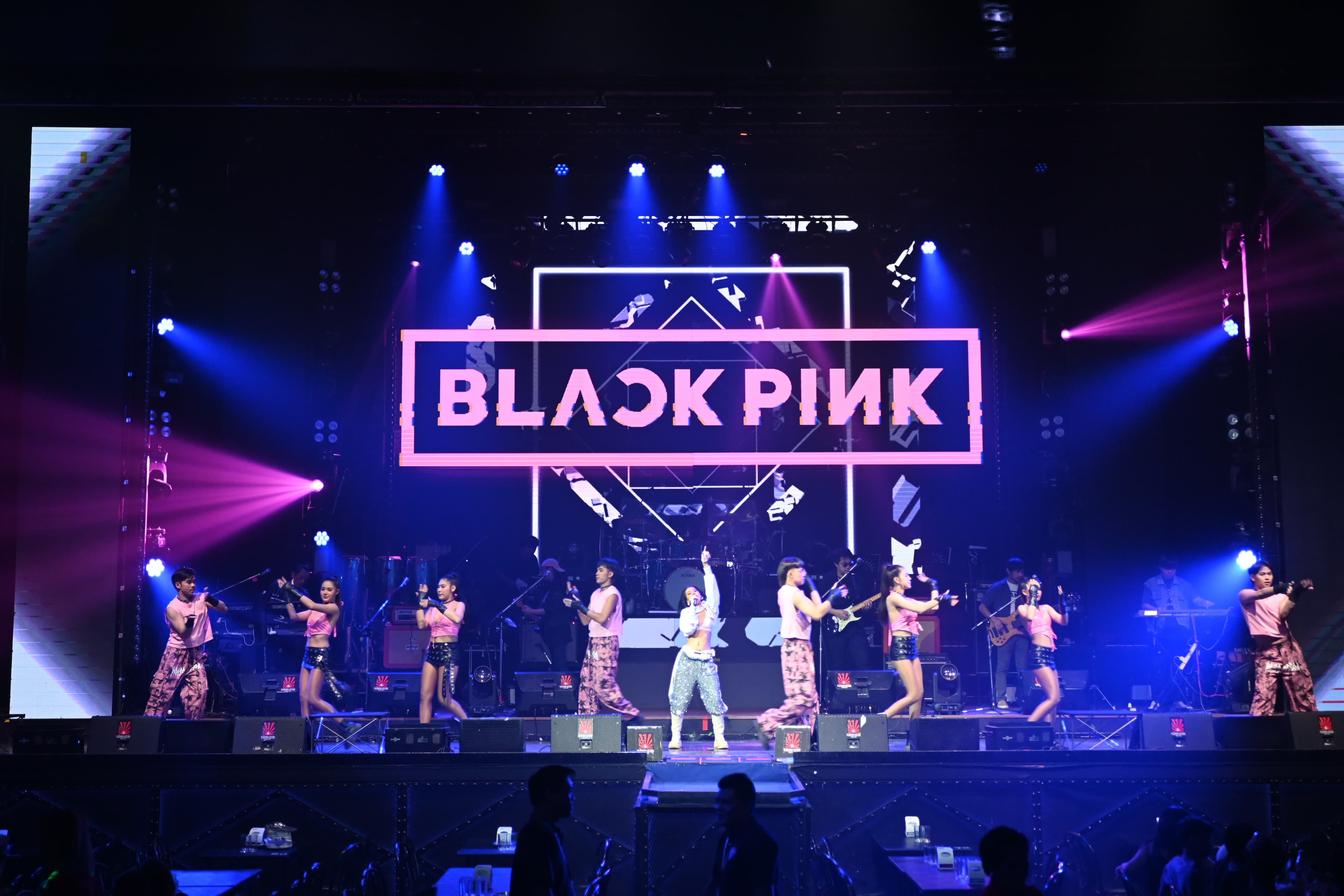
The Korean Idol System: Trainees, Agencies, and the Star Factory
How the trainee system works in South Korea. Recruitment from age 10, 2-7 years of intensive training, Big 4 (HYBE, SM, JYP, YG), trainee debt and 2025 reforms.
La rédaction Kotoba Interactive
Studio éditorial
Every year, tens of thousands of teenagers from Seoul to São Paulo, from Tokyo to Paris, send videos of themselves singing and dancing to South Korean agencies. A few hundred will be selected. A handful, after years of exhausting training, will step onto the stage. Most will be sent home, without a diploma, without an alternative career, carrying only years spent dreaming under the neon lights of Gangnam dance studios.
Welcome to the , the machine that manufactures K-pop idols. A model unique in the world, both admired for its ruthless efficiency and criticized for its excesses. To understand this system is to understand why K-pop dominates global charts, and at what cost.
literally means "student in training." In the K-pop context, it refers to young recruits at agencies, undergoing intensive training for several years before a potential "debut" (데뷔, debwi) in a group. The term , from English, designates the artist once they have debuted.
The Big 4: K-pop's Empires#
Four agencies dominate the industry, each with its own philosophy and style.
| Agency | Founder | Style | Signature groups |
|---|---|---|---|
| HYBE | Bang Si-hyuk | Emotional storytelling | BTS, SEVENTEEN, NewJeans |
| SM Entertainment | Lee Soo-man | Avant-garde visual concepts | aespa, NCT |
| JYP Entertainment | Park Jin-young | Personality and likability | TWICE, Stray Kids, ITZY |
| YG Entertainment | Yang Hyun-suk | Hip-hop, rebellious image | BIGBANG, BLACKPINK |
HYBE (formerly Big Hit Entertainment), home of BTS, has become the largest Korean entertainment group with revenues of $1.86 billion in 2025. Founded by Bang Si-hyuk, the agency focuses on emotional storytelling and authentic connection with fans. It now encompasses several labels (Belift Lab, ADOR, Pledis) and manages groups like BTS, SEVENTEEN, NewJeans, and ENHYPEN.
SM Entertainment, founded in 1995 by Lee Soo-man, pioneered the modern trainee system. SM conceptualized the model: early recruitment, standardized training, calibrated debuts. From H.O.T. to aespa, SM remains synonymous with polished production and avant-garde visual concepts.
JYP Entertainment, created by singer-producer Park Jin-young, prioritizes personality and natural likability. JYP groups (TWICE, Stray Kids, ITZY) are known for their accessible image and energetic stage presence. JYP regularly holds open auditions in several Korean cities and accepts online applications.
YG Entertainment, founded by Yang Hyun-suk (former member of Seo Taiji and Boys), cultivates a more rebellious, hip-hop image. BIGBANG, 2NE1, BLACKPINK: YG artists often have more creative freedom than the industry average, at the cost of a slower release schedule.
These four agencies together represent the bulk of the global K-pop market. But dozens of smaller labels (Cube, Starship, KQ, The Black Label) produce equally competitive groups.
Recruitment: The Talent Hunt Starts Early#
Agencies recruit young. Very young. The typical age of trainees upon entry is between 10 and 16 years old. Some are spotted on the street, in dance academies, or at school competitions. The majority go through auditions.
Auditions take several forms:
- Open auditions: JYP holds regular sessions in Seoul; YG accepts online applications with no age or nationality restrictions
- Global auditions: The Big 4 regularly tour the United States, Japan, Southeast Asia, and Europe
- Targeted recruitment: "Scouts" identify promising profiles at dance academies or on social media
Acceptance guarantees nothing. You become a trainee, not an idol. The path to debut remains long and uncertain.
HYBE accepts online applications for its global auditions, with age requirements varying by label (generally born between 2007 and 2015). Each year, thousands of applications flood in from around the world. Less than 1% will be retained.
Trainee Life: The Perfection Factory#
Once accepted, the trainee enters a world apart. For 2 to 7 years on average, they will train intensively, often 8 to 12 hours a day, six days a week.
The program covers:
- Singing: Vocal technique, interpretation, recording studio work
- Dancing: Complex choreographies, group synchronization, varied styles
- Rap: For those specializing in this area
- Languages: Korean for foreigners, English, Japanese, sometimes Chinese
- Acting: Facial expression, camera presence, acting for dramas
- Image: Posture, fashion, makeup, physical appearance management
- Personality: Media behavior, interview skills, fan service
Trainees often live in dormitories provided by the agency. They are regularly evaluated during "monthly evaluations" where their progress is judged by agency executives. Those who stagnate are let go.
The system produces artists of stunning technical level. But at the cost of a sacrificed adolescence, immense psychological pressure, and permanent uncertainty.
Trainees spend hours drilling their Korean: follow in their footsteps with KoreanSRS and spaced repetition. Learn to read 한글 (hangeul, the Korean alphabet), to greet with 안녕하세요 (annyeonghaseyo, hello) and to understand your favorite groups' lyrics (노래, norae, song) one card at a time.
Trainee Debt: Investing in a Dream#
Training a trainee is expensive. Housing, food, classes, equipment, travel: agencies invest considerable sums. According to estimates, the cost of debuting an entire group exceeds $7.5 million.
This cost becomes a debt that the artist must repay from their future earnings. Until the debt is cleared, the idol receives only a fraction of their income, sometimes nothing at all for years. A third-generation idol revealed having accumulated $150,000 in debt during her trainee period, which took several years to repay.
This model is high-risk for agencies: massive success is needed to recoup the costs of the dozens of trainees who never debuted. But for artists, it creates lasting economic dependence.
Read alsoChaebols: History, Structure and Succession of Korea's GiantsThe chaebols and K-pop agencies share a trait: the concentration of economic power. CJ ENM, a subsidiary of the CJ Group chaebol, is a major player in the Korean music industry.
Contracts: Seven Years of Servitude?#
Since the scandals of the 2000s-2010s, idol contracts are regulated by the Korean Fair Trade Commission (FTC). The maximum duration is capped at seven years for exclusive contracts, a rule nicknamed the "slave contract law" after lawsuits filed by TVXQ and EXO members against SM.
In June 2025, the FTC ordered several agencies, including YG, JYP, SM, and Cube, to revise their trainee contracts deemed abusive. Targeted clauses: vague termination conditions, excessive penalties, disproportionate repayment obligations.
Contracts typically include:
- Total exclusivity of the artist
- Revenue sharing (often 50/50 or 70/30 in favor of the agency at first, rebalanced after success)
- Behavior and image clauses
- Prohibition of public romantic relationships (sometimes)
Survival Shows: Another Path to Debut#
Since Produce 101 in 2016, survival shows (서바이벌, seobaibeo) have become an alternative route to debut. The concept: trainees from different agencies compete before the public, who vote to form the final group.
These shows have launched successful groups:
- I.O.I and Wanna One (Produce 101)
- IZ*ONE (Produce 48)
- ENHYPEN (I-LAND, produced by HYBE)
- IZNA (I-LAND 2, 2024)
The format offers immediate visibility, but is not without controversy. The Produce franchise was tarnished by vote manipulation scandals in 2019, leading to criminal convictions.
Read alsoThe five generations of K-pop: from Seo Taiji to NewJeansOf K-pop's five generations, the third and fourth saw the rise of survival shows as a recruitment method.
The Human Cost: Controversies and Mental Health#
The trainee system faces growing criticism:
Psychological pressure: Rates of anxiety and depression among trainees and idols are high. Several artists have publicly discussed their struggles, and tragic deaths have shaken the industry.
Exploitation of minors: Children as young as 10-12 are integrated into a demanding professional system, with schedules incompatible with normal schooling.
Appearance control: Strict diets, encouraged plastic surgery, regular weigh-ins: practices denounced as toxic.
No privacy: "Dating ban" clauses and constant surveillance raise debates about artists' fundamental rights.
K-pop's fifth generation comes with public discourse on these issues. Fans themselves are demanding more transparency and protection for artists.
Becoming a Trainee: A Commitment That Matters#
For those dreaming of joining this world, some realities to keep in mind:
- The probability of debuting is less than 1%
- Years of training are years without a diploma or income
- Success, if it comes, means years of debt repayment
- An idol career rarely lasts more than 7-10 years
Despite everything, applications keep flowing. K-pop remains a dream that attracts, a promise of light that makes you forget the shadow. The trainee system, in its very brutality, continues to produce the stars who dominate global charts.
FAQ#
What is a K-pop trainee? A trainee (연습생) is a person recruited by a Korean entertainment agency and undergoing intensive training (singing, dancing, languages, image) for a potential debut in an idol group. The training period typically lasts 2 to 7 years.
What are the main K-pop agencies? The "Big 4" are HYBE (BTS, NewJeans), SM Entertainment (aespa, NCT), JYP Entertainment (TWICE, Stray Kids), and YG Entertainment (BLACKPINK). Other important agencies include Cube, Starship, and KQ.
How much does it cost to train a trainee? Agencies invest several hundred thousand dollars per trainee. The total cost of debuting a group can exceed $7.5 million. This amount becomes a debt that the artist repays from future earnings.
How do you become a trainee? You must pass auditions organized by agencies (online or in person), often starting at age 10-16. The Big 4 hold global auditions. Acceptance remains highly selective (less than 1% of applicants).
Are trainee contracts regulated? Yes. The Korean Fair Trade Commission caps exclusive contracts at 7 years and ordered revisions to abusive clauses in several agencies in 2025.
Photo credits: Images used in this article are pending editorial selection.
In this article
The cultural terms covered here, each with a short definition.
Aegyo: The Korean Art of Performed Cuteness
Baby voice, finger heart, buing buing: aegyo is a Korean relational language. Origins, repertoire, the gender debate, and its Asian cousins decoded.
Cover image: PattayaPatrol · PattayaPatrol, via Wikimedia Commons · CC BY-SA 4.0