Manga, manhwa, manhua: an East Asian culture glossary
Shōjo, seinen, hallyu, xianxia, webtoon: a dictionary of the terms, genres and traditions of Japan, South Korea and China, sorted by country.
La rédaction Kotoba Interactive
Studio éditorial
A K-drama on your phone, a manga volume on your nightstand, K-pop on loop in your earbuds: this is the daily life of millions connected to Asian cultures without always holding the keys to grasp them. What separates a manhwa from a manga? Why do people talk about shojo and seinen? How did the Korean hallyu conquer the planet?
This lexicon, organized by country, brings together the essential terms, genres, works and traditions of Japanese, Korean and Chinese cultures.
Japan: From Ink to Pixel#
From manga to anime, from idols to video games, Japanese creativity has irrigated the world since the 1960s. Behind this pop culture lies a foundation of millennia-old traditions that nourishes every contemporary creation.
Manga Genres#
is not a genre but a medium. In Japan, manga are classified by demographics (target audience), not by theme: the same genre (romance, horror, science fiction) exists in every category.
| Demographic | Japanese script | Target audience | Landmark work |
|---|---|---|---|
| Shojo | 少女 (shojo, "young girl") | Teenage girls, young women | Sailor Moon |
| Shonen | 少年 (shonen, "young boy") | Teenage boys | One Piece |
| Seinen | 青年 (seinen, "young man") | Young adults | Berserk |
| Josei | 女性 (josei, "woman") | Adult women | Nodame Cantabile |
| Kodomo | 子供 (kodomo, "child") | Children | Doraemon |
-
: manga for teenage girls and young women, centered on emotions and a unique visual language (flowers, bubbles, shattered compositions). Works: Sailor Moon by , Fruits Basket by , Nana by .
-
: manga for teenage boys (friendship, self-improvement, battles). Works: Naruto by , One Piece by , Attack on Titan by , Dragon Ball by .
-
: manga for young adult men, more mature and darker. Works: Berserk by , Vagabond by , Chobits by CLAMP.
-
: manga for adult women (realistic relationships, mature romance). Works: Nodame Cantabile by , Chihayafuru by .
-
: manga for children. Landmark works: Doraemon by , Pokemon.
Essential Japanese Works#
-
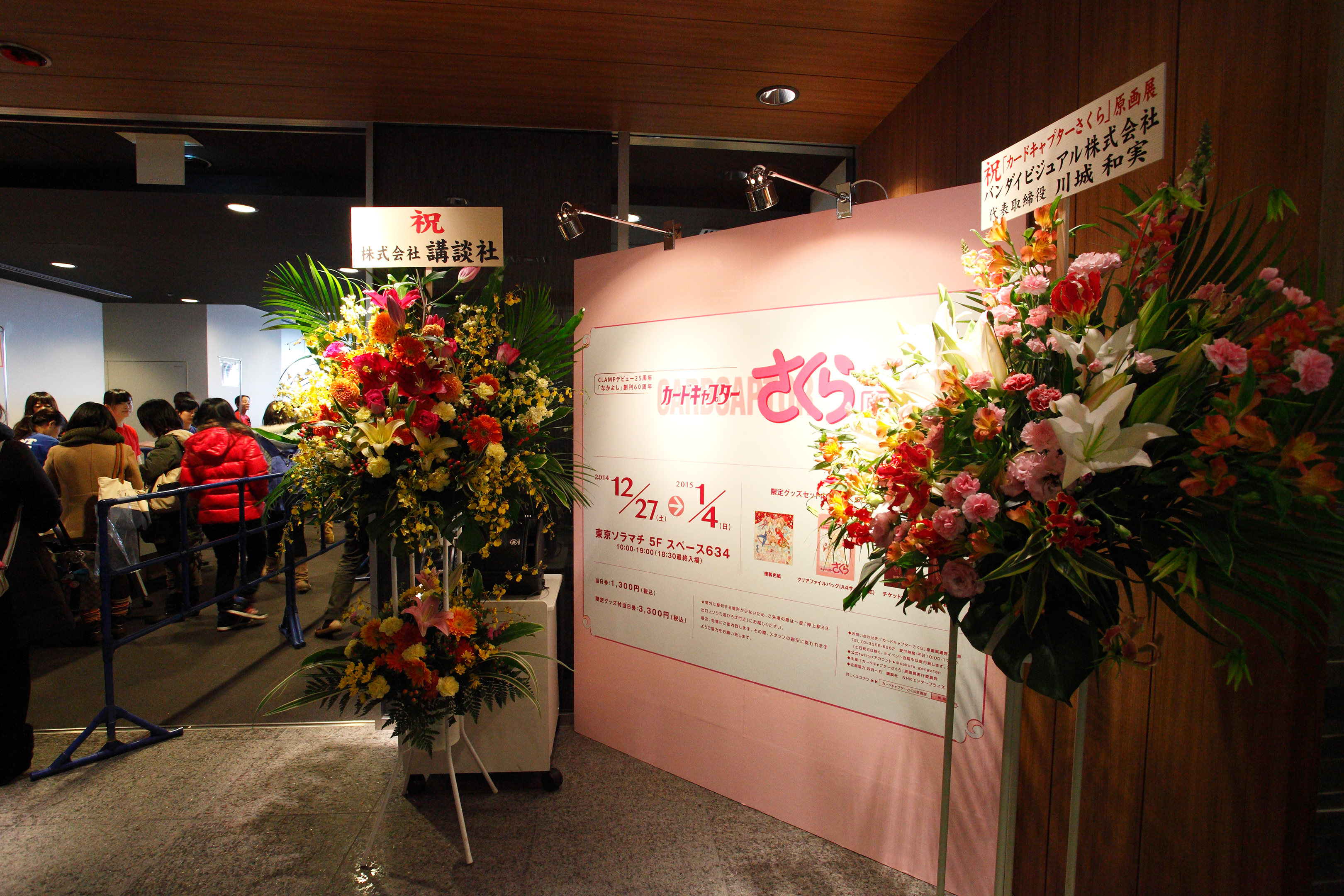
: work by the CLAMP collective, published in Nakayoshi magazine from 1996 to 2000. Young Sakura Kinomoto captures magical cards; this worldwide phenomenon redefined the magical girl genre. Twelve volumes, 70 anime episodes by Madhouse, a sequel (Clear Card) completed in 2024.
-
: created by Naoko Takeuchi in 1991, the work that popularized the genre internationally. Usagi Tsukino, a middle schooler, becomes a warrior of justice. Five arcs, 200 anime episodes.
-
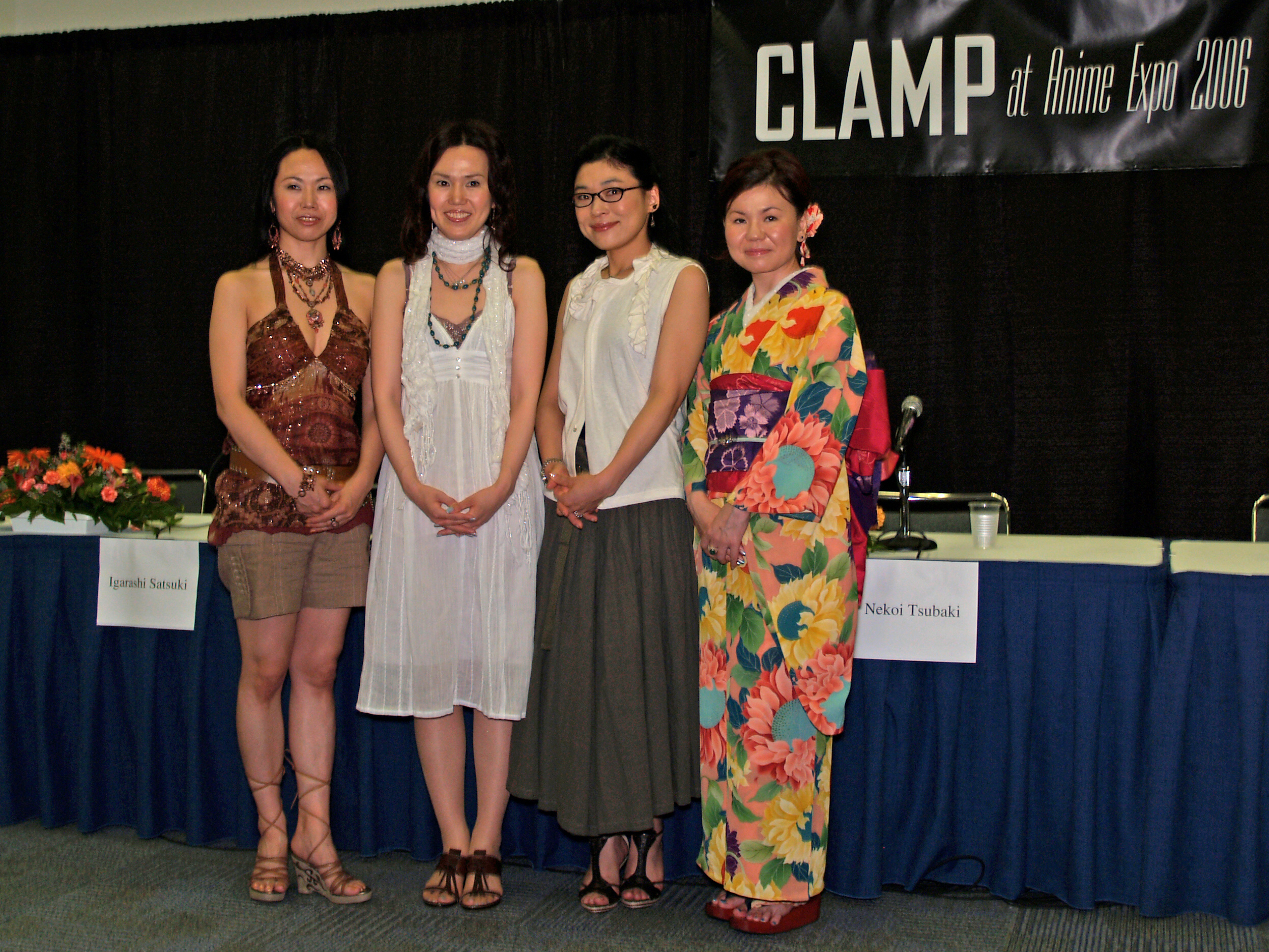
CLAMP: collective of four manga artists, Nanase Ohkawa, Mokona, Tsubaki Nekoi and Satsuki Igarashi, active since 1989. Over thirty series: Tokyo Babylon, X/1999, Magic Knight Rayearth, Chobits, xxxHolic, Tsubasa: Reservoir Chronicle, linked in a multiverse where characters travel from one work to another.
-
: manga by Hajime Isayama published from 2009 to 2021. Humanity barricaded behind walls against man-eating titans; Eren Yeager discovers a far more complex truth. 34 volumes, an anime by Wit then MAPPA, one of the major cultural phenomena of the 2010s.
-
: Japanese narrative video game where the player (usually a female protagonist) develops romantic relationships. Works: Hakuoki (薄桜鬼), Amnesia, Code: Realize. Born in Japan in 1994 with Koei's Angelique, the genre has spread to Korea and China.
Anime: From Small Screen to High Art#
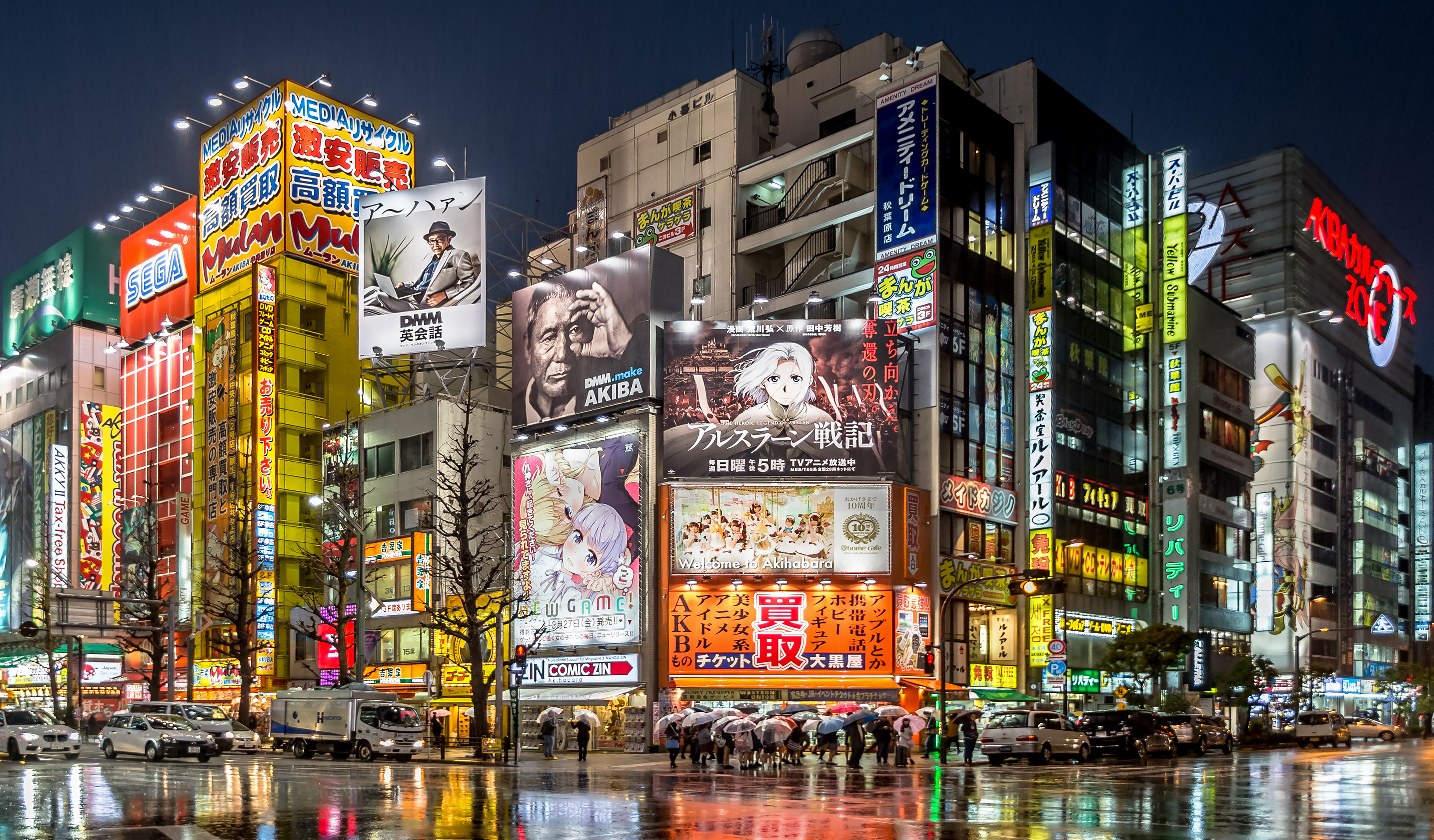
refers to Japanese animation. The word does not mean "cartoons for children": in Japan, anime covers every genre and audience, from auteur cinema to mass entertainment. Most influential studios:
- Studio Ghibli: founded by and in 1985. My Neighbor Totoro, Spirited Away (2003 Oscar), Princess Mononoke.
-
Madhouse: the studio behind the adaptations of Cardcaptor Sakura, Death Note, Hunter x Hunter (2011). Known for consistently high animation quality.
-
MAPPA: studio founded by former Madhouse director Maruyama Masao in 2011. Responsible for Jujutsu Kaisen, the final season of Attack on Titan and Chainsaw Man.
Pop Culture and Traditions#
-
: artist (singer, dancer) whose image is constructed and marketed. The Japanese system relies on proximity with fans (handshakes, votes, popularity elections). Major groups: AKB48 (founded in 2005 by Akimoto Yasushi), .
-
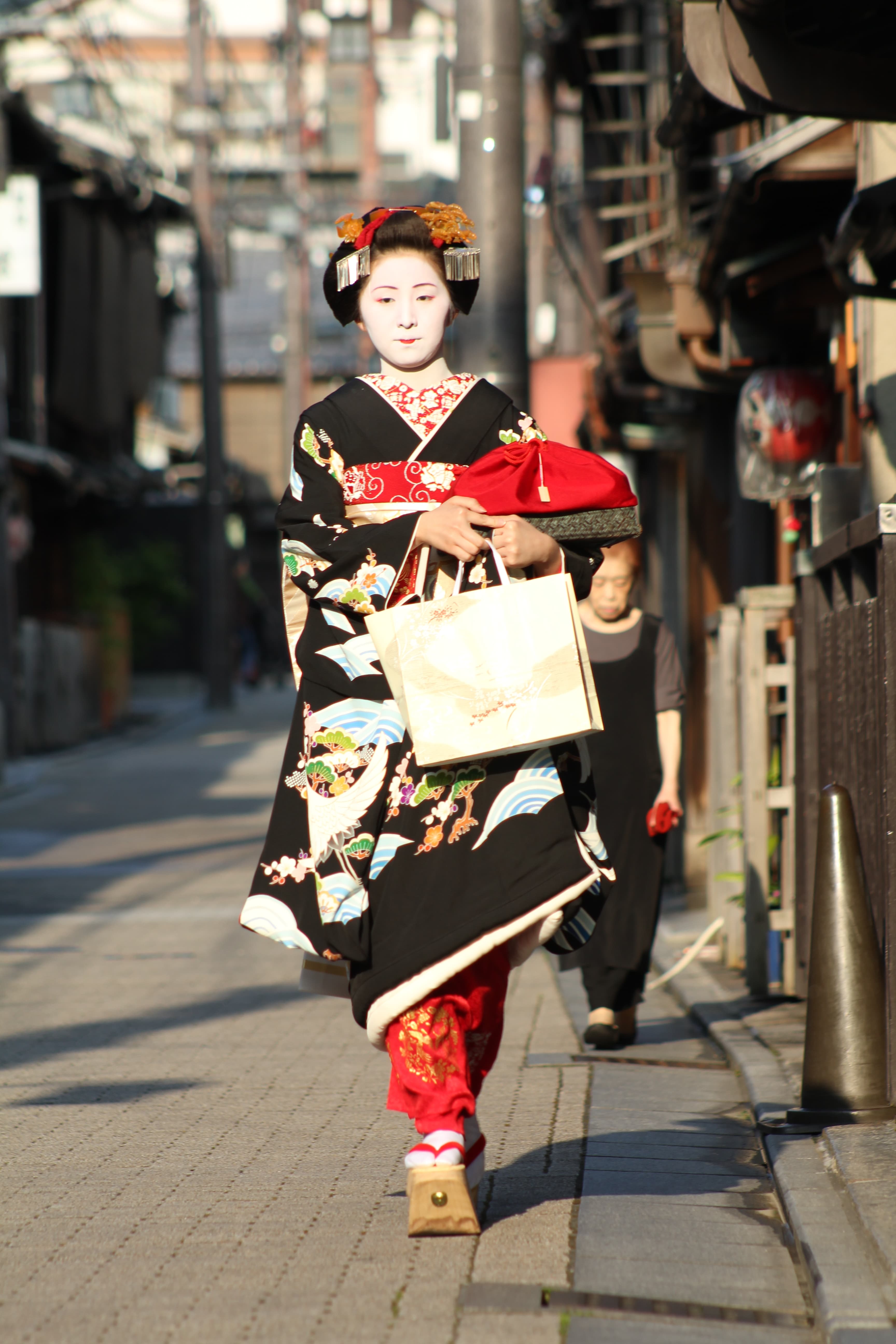
: the Japanese tea ceremony, also called . An art codified by , blending architecture, pottery, calligraphy, flower arrangement and Zen philosophy. At its heart, , the art of hospitality.
-
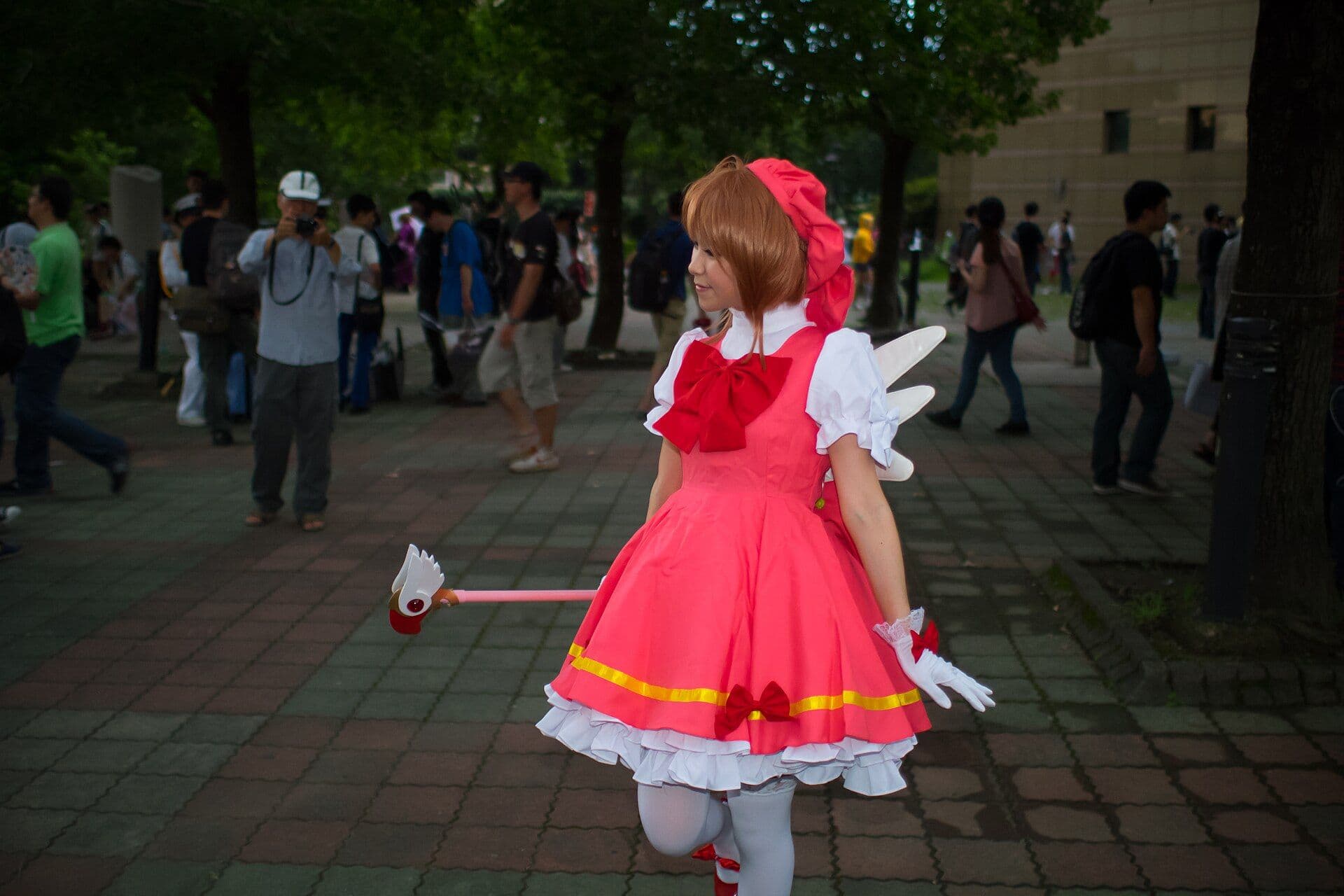
: dressing up as fictional characters (manga, anime, video games). Born in Japan in the 1980s, now a global phenomenon with its own competitions, professional artists and online communities.
-
: a person passionate, even obsessive, about a subject (most often manga, anime, video games). Long pejorative in Japan, the word has been reclaimed by fans.
Japan does not merely create stories: it invents entire worlds, with their codes, rituals and languages.
South Korea: The Wave That Conquered the World#
refers to the global spread of South Korean popular culture since the late 1990s. K-dramas, K-pop, webtoons, cinema, gastronomy: in three decades, South Korea has gone from an overlooked country to one of the world's greatest entertainment powerhouses.
Manhwa and Webtoons#
is the Korean term for comics. Like manga, it covers all genres and audiences, but reads left to right (Western direction), unlike manga which reads right to left.
The revolutionized Korean comics starting in the 2000s. A digital-native format read vertically on smartphones, with vivid colors and pacing adapted to scrolling. Platforms Naver Webtoon and KakaoPage distribute thousands of series, some now international phenomena:
-
: action webtoon by ; a dungeon hunter, the weakest of all, gains a "leveling up" power. Adapted into anime in 2024.
-
: fantasy webtoon by SIU (Slave In Utero), published on Naver since 2010. A boy's ascent through a mysterious tower, each floor a new trial.
-
: romance webtoon by about a high schooler who masters makeup. Adapted into a K-drama in 2020.
K-Drama: The Series That Changed Everything#
is the generic term for South Korean television series. Short in format (typically 16 to 20 episodes), with dense plots, polished production and intense acting. Spearheading the hallyu, they conquered first Asia, then the world.
-
: adaptation of the Japanese manga Hana Yori Dango by . Geum Jan-di, a modest girl, enters an elite high school and faces the F4, four arrogant heirs. Starring and , the series launched K-drama internationally and remains one of the genre's most iconic titles.
-
: Netflix series by . Hundreds of indebted people compete in deadly children's games for a prize of 45.6 billion won. Squid Game became the most-watched non-English language series in Netflix history.
-
: a South Korean heiress lands in North Korea after a paragliding accident and falls in love with a North Korean officer. Record audiences in Korea, a hit that popularized K-drama in the West.
-
: an alien who arrived on Earth during the Joseon dynasty falls in love with a famous actress in the 21st century. A massive hit across Asia, it launched the international career of .
K-Pop: The Entertainment Industry#
is South Korean popular music: precise choreography, polished aesthetics, intense fan service, rigorous training. The model relies on entertainment agencies (SM Entertainment, YG Entertainment, JYP Entertainment, HYBE) that train for years before their debut.
-
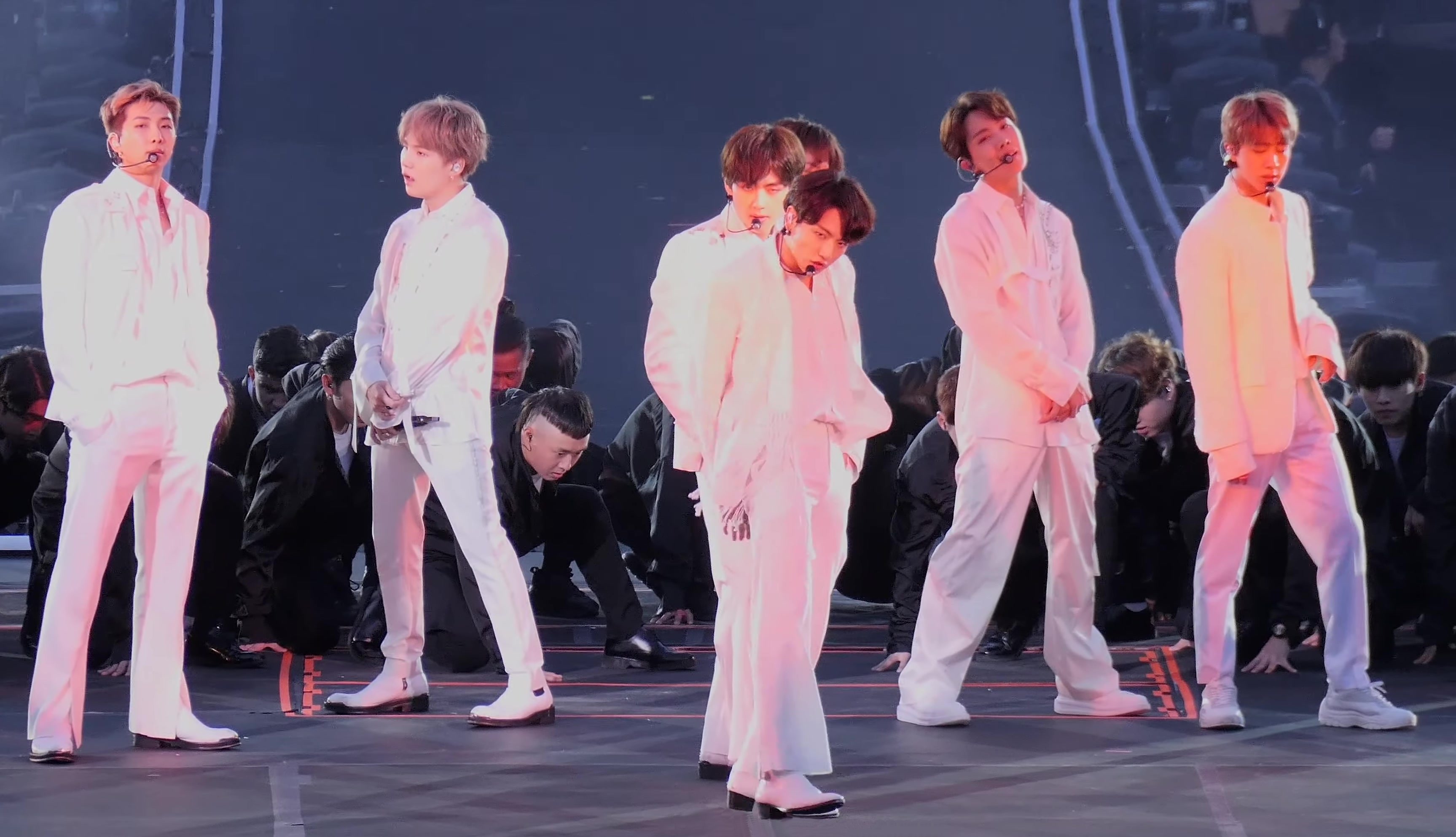
: seven-member group formed by HYBE (formerly Big Hit) in 2013. The first K-pop group to reach the top of the Billboard Hot 100.
-
BLACKPINK: four-member group formed by YG Entertainment in 2016. Their blend of hip-hop, pop and EDM made them the most-followed K-pop girl group in the world.
Traditions and Language#
-
: traditional Korean clothing, worn during festivals (Seollal, Chuseok) and ceremonies. Short jacket and full skirt for women, wide trousers for men.
-
: Korean alphabet created in 1443 by King . A phonetic system of 14 consonants and 10 vowels, considered by linguists one of the most logical writing systems in the world.
-
: ancient name for Korea, meaning "morning freshness." It gave rise to the (mistaken) nickname "Land of the Morning Calm," when the correct meaning is "Land of the Morning Bright."
-
: fermented dish of napa cabbage and chili pepper, a pillar of Korean gastronomy. Inscribed on UNESCO's Intangible Cultural Heritage list in 2013.
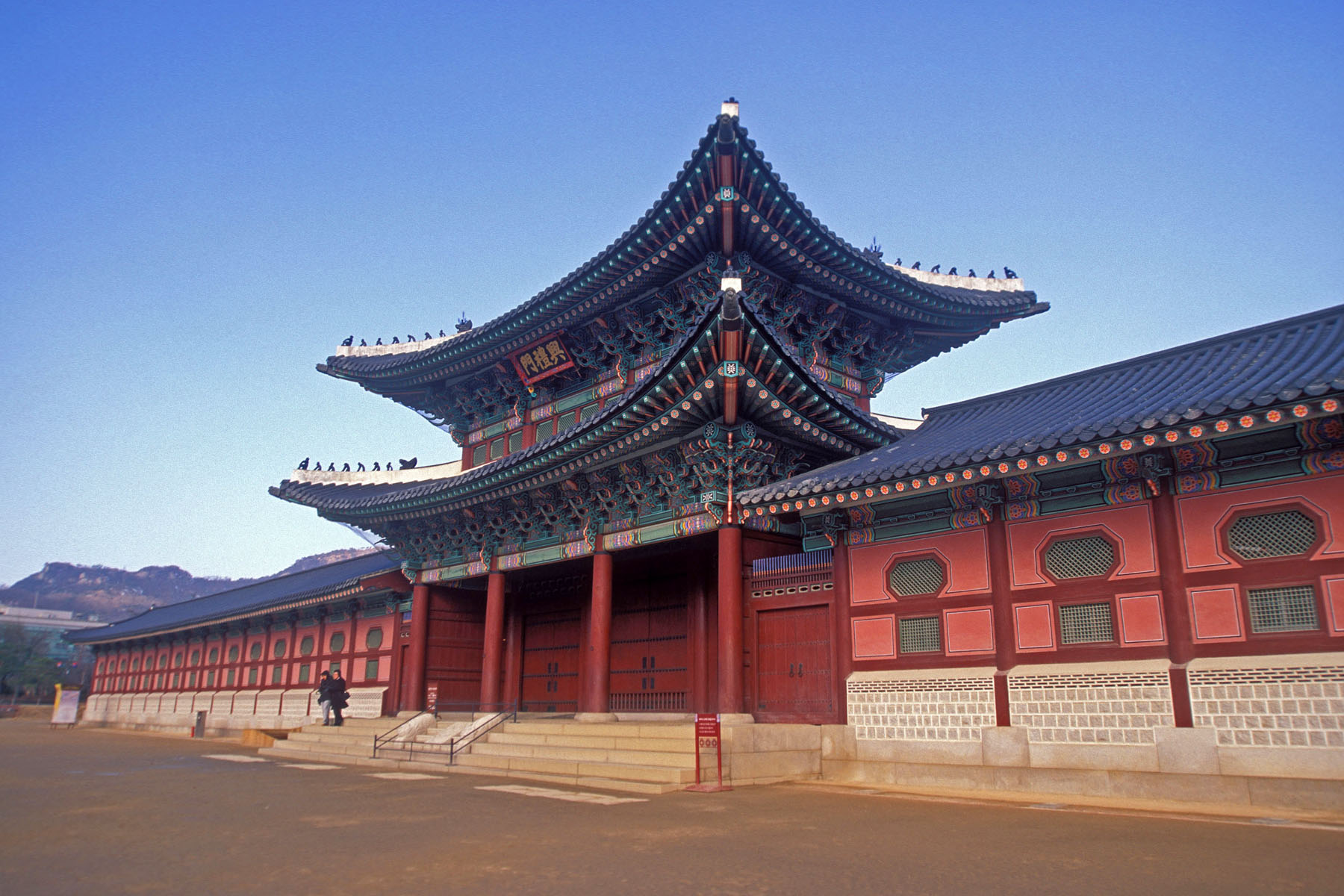
Hallyu is not an accident: it is the fruit of a national cultural strategy, immense creative talent and a global audience hungry for new stories.
Behind every manga and anime lies a language waiting to be decoded. Learn to read 漫画 (manga, comics), 少女 (shojo, young girl) and 魔法少女 (maho shojo, magical girl) in the original with JapaneseSRS, the spaced repetition that locks kana, kanji and vocabulary into memory.
China: The Millennial Cultural Empire#
China is the cradle of artistic traditions that shaped all of East Asia. Chinese writing, ink wash painting, Confucian and Taoist philosophy, tea: everything was born here before spreading to Japan, Korea and beyond. Today it is also developing a booming digital entertainment industry.
Manhua and Donghua#
is Chinese comics. Influenced by Chinese pictorial traditions and Japanese manga, it has experienced a renaissance through digital platforms like Bilibili Comics and Tencent Comics.
is Chinese animation. Long overshadowed by Japanese anime, it has seen a spectacular rise since the 2010s. Notable productions:
-
: donghua adapted from the web novel by about a fallen professional esports player who returns to the top. One of the finest modern donghua.
-
: donghua adapted from the novel by , blending fantasy, romance and Chinese mythology. International streaming success.
-
: comedic series about an amnesiac barber who is also a failed assassin. On Netflix, it introduced donghua to Western audiences.
Chinese Literary Genres#
Two genres born in China have profoundly influenced Asian popular culture:
-
: genre of martial arts, honor and knight-errantry in ancient China, where lone fighters defend the weak against the powerful. Popularized by novelists and , adapted dozens of times into films, series and video games. In cinema, Ang Lee's Crouching Tiger, Hidden Dragon (2000) remains the genre's global benchmark.
-
: derived from wuxia, adding supernatural elements: cultivation (修炼, xiulian), immortality, demons and celestial realms. It dominates contemporary Chinese web novels and donghua. Landmark work: Mo Dao Zu Shi (魔道祖师, "Grandmaster of Demonic Cultivation") by Mo Xiang Tong Xiu.
Arts and Traditions#
- : the art of brush and ink writing, considered in China the noblest art form, above even painting. The four treasures of the scholar: brush (笔), ink (墨), paper (纸) and ink stone (砚).
-
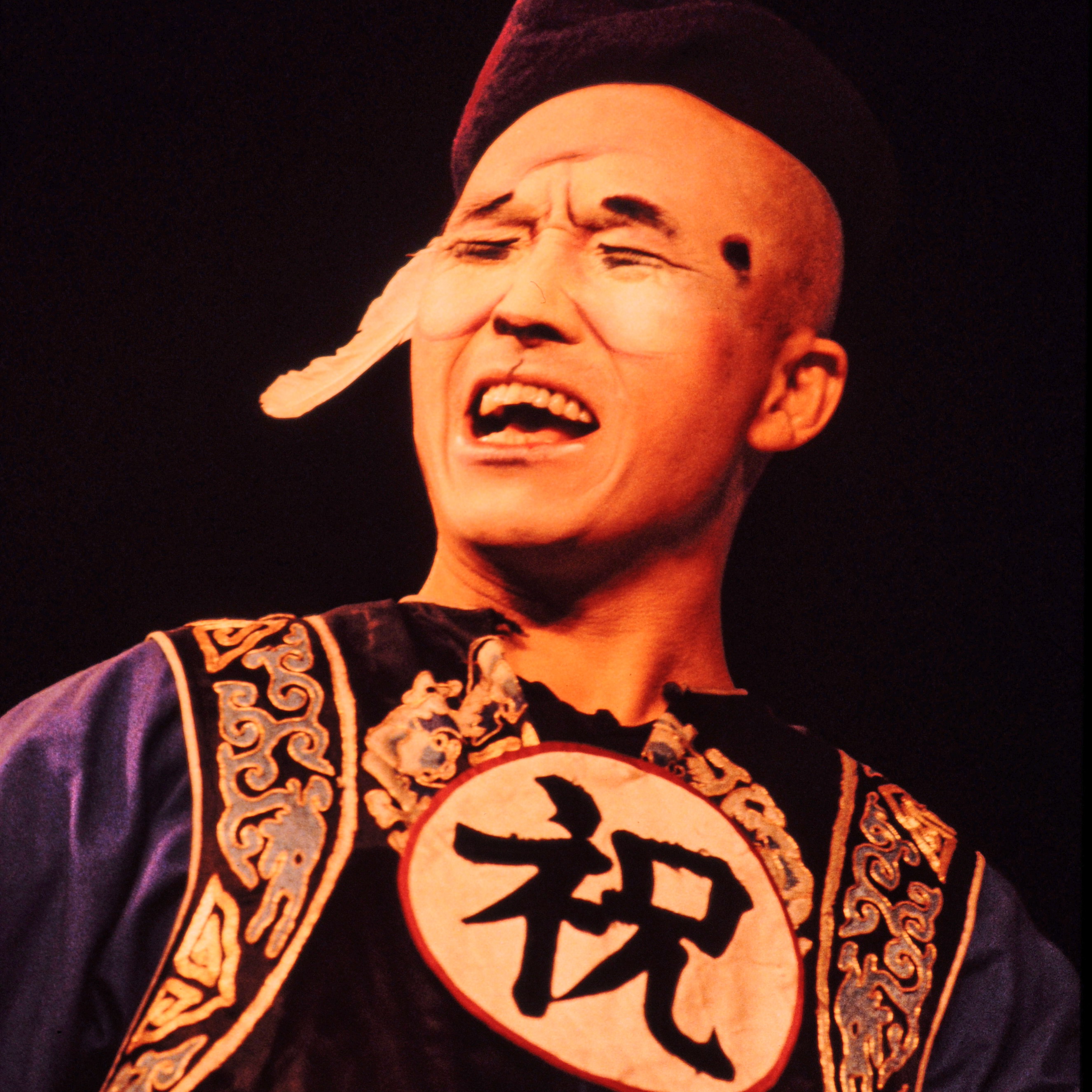
: theatrical form combining singing, dialogue, acrobatics, mime and martial arts. Codified roles: , , , . Inscribed on UNESCO's Intangible Cultural Heritage list.
-
: China is the birthplace of tea culture, whose virtues the mythical emperor is said to have discovered around 2700 BCE. is the traditional preparation method, an art of patience that inspired the Japanese Chanoyu.
-
: the most important traditional Chinese holiday, between late January and mid-February by the lunar calendar. Fifteen days of festivities: fireworks, family meals, lion and dragon dances, and the exchange of containing money.
Bridges: When Cultures Answer Each Other#
Japanese, Korean and Chinese cultures have nourished each other for centuries. Japanese manga inspired Korean manhwa and Chinese manhua. K-dramas adapt manga (Boys Over Flowers comes from Hana Yori Dango). Chinese xianxia web novels are translated into Korean and Japanese. Japanese idols inspired the K-pop model, which transformed and exported it.
Understanding these cultures means understanding their connections: every work, every genre, every tradition carries the echo of neighboring traditions, reinvented by the journey.
Cultural borders exist only on maps. Stories travel.
In this article
The cultural terms covered here, each with a short definition.
- Anime
- Japanese animation, from feature films to TV series, often adapted from manga.
- Hallyu
- The "Korean Wave": the global spread of South Korean pop culture (k-pop, k-dramas, film).
- K-drama
- South Korean television drama, a major driver of the hallyu cultural wave.
- K-pop
- South Korean pop music blending singing, dance and highly produced visuals.
- Manga
- Japanese comics, read right to left, spanning a vast range of genres and audiences.
- Webtoon
- Korean digital comic designed for vertical scrolling on a smartphone.
Shojo: How Girls' Manga Conquered the World
From Meiji-era magazines to Sailor Moon and Fruits Basket, discover how shojo manga revolutionized comics, invented a unique visual language, and amplified women's voices in the manga industry.
Cover image: Joe Baz · Wikimedia Commons · CC BY 2.0