Korean Dynasties: From Goguryeo to Joseon
A survey of Korea's great dynasties, from Gojoseon to the Three Kingdoms of Goguryeo, Baekje and Silla, then Goryeo, Joseon and the Korean Empire.
La rédaction Kotoba
Studio éditorial
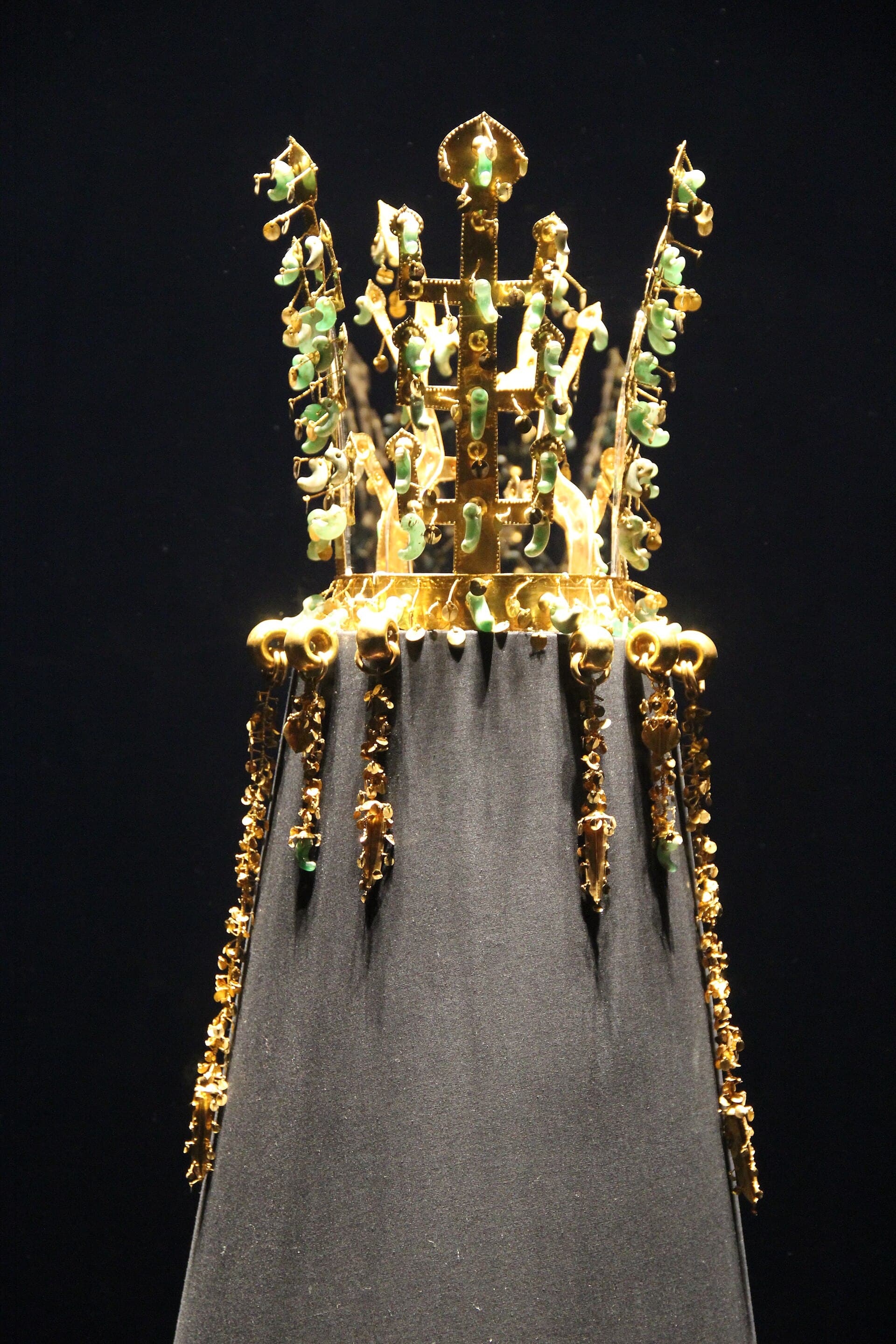
A gold crown bristling with tree-like uprights and dangling jade pendants, unearthed from a tomb in Gyeongju, sums up an entire chapter of Korean history: that of a kingdom that buried its rulers under great mounds and worked gold like no other in East Asia. That kingdom, , is only one of the great dynasties that followed one another on the peninsula for more than two thousand years, each leaving behind a temple, a script, an art, or a name.
To tell the history of Korea is to follow a long chain of kingdoms: the legendary , the rival Three Kingdoms, unification under Silla, then the twin legacies of and , down to the short-lived Korean Empire swallowed up in 1910. This chronological survey does not enter into the detail of each reign: it draws the broad line, dynasty after dynasty, with their Korean names and dates, to show how one people conceived of itself across two millennia.
Gojoseon 고조선, the kingdom of origins#
At the beginning, Korean tradition places , "Old Joseon," founded according to legend in 2333 BCE by . This founding figure is said to have been born of the union of a son of Heaven and a she-bear turned into a woman, a story recorded much later, in the thirteenth century, in the Samguk yusa. The date of 2333 belongs to national legend, not to attested history: no contemporary source confirms it.
What archaeology and Chinese texts do document is the existence, in the first millennium BCE, of a political entity in the north of the peninsula and in southern Manchuria, known to the Chinese annals as Joseon. This historical Gojoseon, marked by bronze then iron working, was overthrown by China's Han dynasty in 108 BCE, which set up commanderies over part of the territory. From this fragmentary antiquity the kingdoms that would make Korea gradually emerged.
The prefix means "old." It is added to distinguish Gojoseon (the legendary "Old Joseon") from the Joseon dynasty founded in 1392, separated by more than three thousand years. The name Joseon itself, often glossed as "Clear Morning," runs through the whole of Korean history, from the myth of origins to modern times.
The Three Kingdoms 삼국시대 (1st c. BCE – 668)#
From around the turn of the era, the peninsula took shape around three rival kingdoms: in the north, in the southwest, and in the southeast. This period, the most formative of classical Korean culture, is called 삼국시대 (samguk sidae). It saw the import of Buddhism and Chinese writing, the building of centralized states, and a three-way struggle for supremacy, until one of them, Silla, prevailed in 668.
Goguryeo 고구려, the power of the north#
, traditionally founded in 37 BCE, was the largest and most warlike of the three kingdoms. Stretching across the north of the peninsula and much of Manchuria, it stood up to the Chinese dynasties and, in the seventh century, repelled the enormous invasions of the Sui and then the Tang. Under conquering kings such as , around the turn of the fourth and fifth centuries, its territory reached its greatest extent.
What survives of Goguryeo above all are chambered tombs adorned with vivid murals, found on both sides of the present-day Sino-Korean border: hunting scenes, dancers, dragons, and guardians of the four directions, testifying to a funerary art of rare vigor. It was from this prestigious kingdom that Goryeo, eight centuries later, would take its name.
Baekje 백제, the refined kingdom#
, traditionally founded in 18 BCE in the southwest, was the kingdom of finesse and maritime exchange. Open to the China Sea, it maintained close ties with the dynasties of southern China and above all with the Japanese archipelago. It was through Baekje that Buddhism, Chinese writing, craft techniques, and the art of building were transmitted to Japan in the sixth century, a role of cultural conduit that early Japanese sources preserve.
Baekje's art stands out for a restrained elegance, visible in its Buddha statues with their subtle smiles and in the goldwork of its tombs, including that of King , found intact. Baekje fell in 660 under the combined blows of Silla and the Tang armies.
Silla 신라, the unifier#
, traditionally founded in 57 BCE in the southeast, was long the most retiring of the three kingdoms before becoming the one that unified the peninsula. Its capital, , still concentrates an exceptional heritage: the royal mounds from which the gold crowns come, the observatory, the temple , and the grotto, peaks of Buddhist art inscribed by UNESCO.
Silla relied on an elite youth, the , "flowering youth," warriors trained at once in arms, in the arts, and in an ethic drawn from Buddhism and Confucianism. Allied with China's Tang dynasty (당), Silla crushed Baekje in 660 and then Goguryeo in 668, before driving out its own Tang allies to reign alone over most of the peninsula.
Three kingdoms, three names to decipher: 고구려 (Goguryeo), 백제 (Baekje), 신라 (Silla). KoreanSRS, our spaced-repetition app for learning Korean, is coming soon: join the waiting list to read hangeul and these names of history from day one.
Unified Silla and Balhae 발해 (668 – 935)#
After 668, dominated most of the peninsula for nearly three centuries. It was a Buddhist golden age: Gyeongju became a populous, splendid capital, Bulguksa and Seokguram were built in the eighth century, and the art of the bronze bell reached a perfection embodied in the colossal bell of King . Unification by Silla is often presented as the first lasting gathering of Koreans under a single authority.
To the north, on the former lands of Goguryeo, another kingdom took shape: , founded around 698 by heirs of Goguryeo and local peoples. Long overlooked, Balhae stretched across Manchuria and the north of the peninsula and claimed the legacy of Goguryeo. This coexistence of a Silla in the south and a Balhae in the north sometimes leads this period to be called the "Northern and Southern States period." Balhae vanished around 926 under the blows of the Khitan, while Silla, undermined by clan struggles, collapsed into the Later Three Kingdoms period.
Silla is one of the longest-lived dynasties in world history. From its traditional founding in 57 BCE to its surrender in 935, it counts nearly a thousand years of continuous existence, a record few states can claim. Its longevity owed much to its sheltered position in the southeast of the peninsula and to its ability to absorb its rivals rather than merely defeat them.
Goryeo 고려 (918 – 1392)#
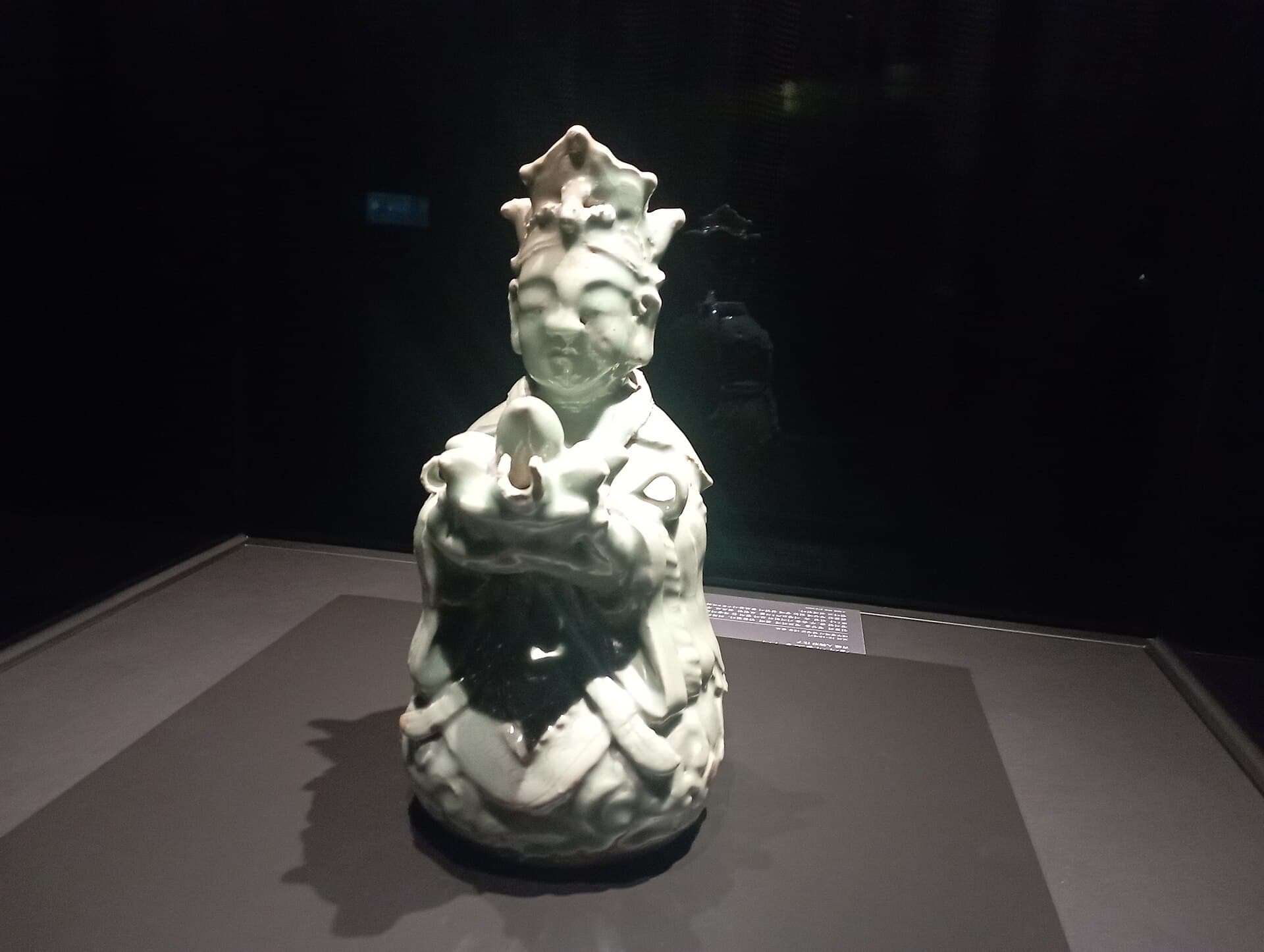
, founded in 918 by , reunified the peninsula after the chaos of the Later Three Kingdoms and gave the West the name "Korea." The dynasty made Buddhism a state religion, established its capital at , present-day Kaesong, and produced three masterpieces: the gray-green celadon , the carved Buddhist canon of the , and the , the world's oldest book printed with movable metal type, in 1377.
The thirteenth century brought the Mongol ordeal: from 1231, the armies of Genghis Khan's empire swept in, and Goryeo ended up submitting as a vassal state of the Yuan before recovering its independence the following century. Weakened, the kingdom died out in 1392 when General deposed the last king and founded a new dynasty.
Read alsoThe Goryeo Kings: Where the Name Korea Comes FromWhy do we say "Korea" and not "Joseon"? The name comes from Goryeo, that dynasty of 918 to 1392, transcribed by merchants and then fixed on Western maps.
Joseon 조선 (1392 – 1897)#
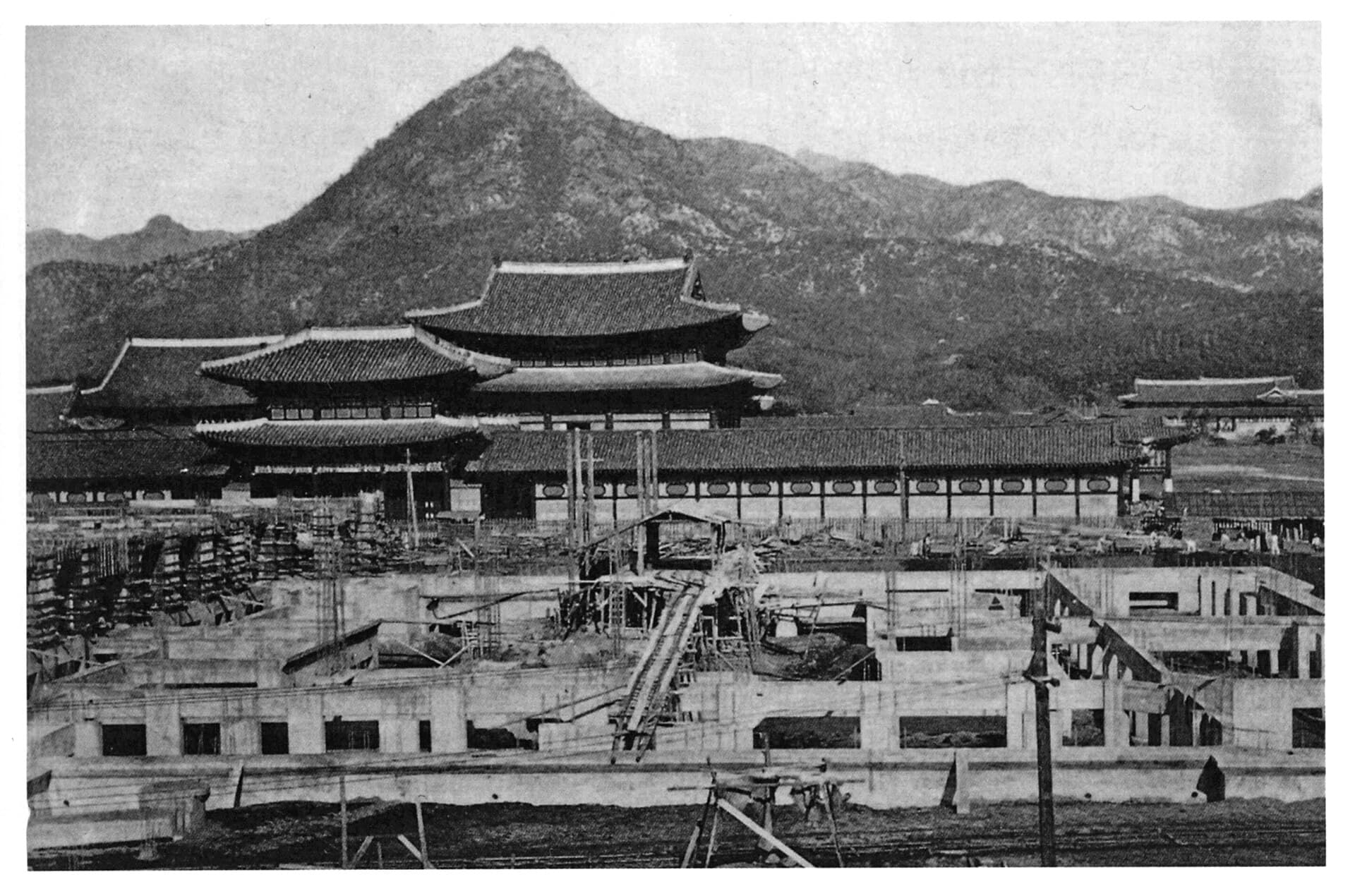
, founded in 1392 by Yi Seong-gye, is the most enduring dynasty in Korean history: more than five centuries of rule. It broke with Goryeo's state Buddhism to adopt Neo-Confucianism as its official doctrine, reorganized society around the scholar-aristocracy of the , and moved the capital to , present-day , where the palace rose.
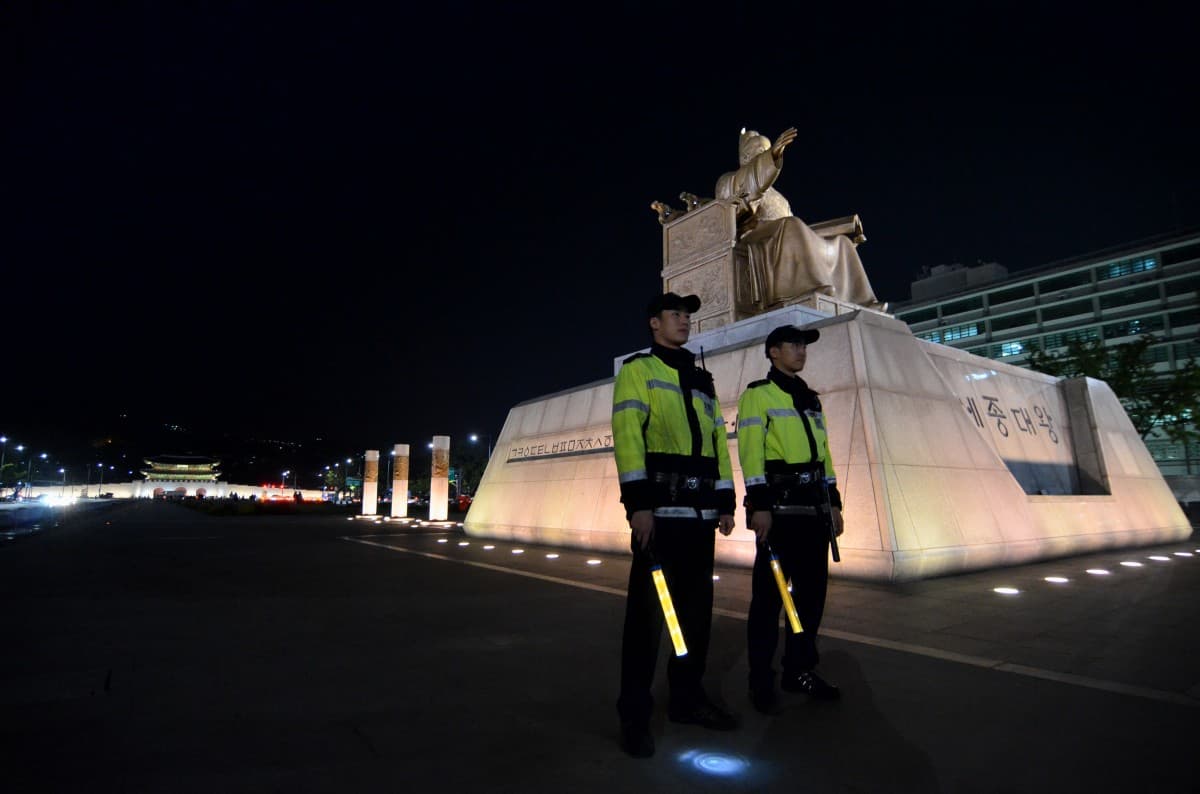
The summit of the dynasty is the reign of King , who promulgated in 1443 the , a Korean alphabet designed so that the people could at last read and write their own language. Joseon also faced major ordeals: the Japanese invasions of Hideyoshi at the end of the sixteenth century, repelled notably by Admiral and his turtle ships, then the Manchu invasions of the seventeenth century. Through it all, the dynasty held on, cultivating a refined court art and a learned administration.
Read alsoHangeul: The Korean Alphabet Invented by King SejongJoseon's most living legacy is a script: hangeul, the alphabet created under Sejong the Great to wrest reading away from the privilege of scholars.
The Korean Empire 대한제국 and the end of the dynasties (1897 – 1910)#
In 1897, King proclaimed the and took the title of emperor, asserting Korea's equality of rank with China and Japan amid imperialist rivalries. This proclamation aimed to modernize the state and defend its sovereignty against the foreign pressures piling up on the peninsula.
The venture failed. Weakened by Russia's defeat by Japan in 1905, the Korean Empire lost first its diplomacy and then its independence: in 1910, Japan formally annexed Korea, ending more than two thousand years of Korean dynasties. The peninsula would not regain a sovereign state until after 1945, and then divided. The Korean Empire was the last chapter, brief and tragic, of a dynastic history begun with the myth of Dangun.
Read alsoThe Japanese Occupation of Korea (1910-1945)The annexation of 1910 opened thirty-five years of Japanese colonization, the final episode that brought the long succession of Korean dynasties to a close.
Korean dynasties at a glance#
Here, in chronological order, are the great kingdoms and dynasties that followed one another on the peninsula, with their Korean names and defining feature.
| Dynasty (hangul + romanization) | Dates | Defining feature |
|---|---|---|
| 고조선 (Gojoseon) | 2333 BCE (legendary) – 108 BCE | Kingdom of origins, the myth of Dangun |
| 고구려 (Goguryeo) | 37 BCE – 668 | Warlike power of the north, tomb murals |
| 백제 (Baekje) | 18 BCE – 660 | Refinement, transmitted Buddhism to Japan |
| 신라 (Silla) | 57 BCE – 935 | Unified the peninsula in 668, gold crowns, Bulguksa |
| 발해 (Balhae) | c. 698 – 926 | Heir of Goguryeo in the north, alongside Silla |
| 고려 (Goryeo) | 918 – 1392 | Gave "Korea" its name, celadon, Tripitaka |
| 조선 (Joseon) | 1392 – 1897 | Neo-Confucianism, Sejong and hangeul, yangban |
| 대한제국 (Daehan jeguk) | 1897 – 1910 | Korean Empire, before Japanese annexation |
FAQ#
What are the great dynasties of Korean history? In order: Gojoseon (고조선), the Three Kingdoms of Goguryeo (고구려), Baekje (백제) and Silla (신라), then Unified Silla and Balhae (발해), Goryeo (고려), Joseon (조선), and finally the Korean Empire (대한제국) up to the Japanese annexation of 1910.
What is the Three Kingdoms period? The 삼국시대 (samguk sidae) refers to the era when Goguryeo, Baekje, and Silla shared and contested the peninsula, from the turn of the era until unification under Silla in 668. It is the founding period of classical Korean culture.
Which dynasty first unified Korea? Silla (신라), which, allied with China's Tang dynasty, crushed Baekje in 660 and then Goguryeo in 668, before reigning alone over most of the peninsula. This unification is often presented as the first lasting gathering of Koreans under a single authority.
Is the Dangun myth historical? No. The founding of Gojoseon by Dangun in 2333 BCE belongs to national legend, recorded only in the thirteenth century. A historical Gojoseon did exist in the first millennium BCE in the north of the peninsula, but with no attested link to those mythical dates.
What is the last Korean dynasty? The Joseon dynasty (조선), which ruled from 1392 to 1897, then transformed into the Korean Empire (대한제국) under Emperor Gojong. That empire was annexed by Japan in 1910, ending more than two thousand years of Korean dynasties.
Photo credits: the images in this article come from Wikimedia Commons and are under a free license.
In this article
The cultural terms covered here, each with a short definition.
- Joseon
- Korea's last royal dynasty (1392-1897), which shaped its language and culture.
The Goryeo Kings: Where the Name Korea Comes From
The word Korea comes not from Joseon but from Goryeo, the dynasty of 918 to 1392: Wang Geon, celadon, the Jikji, and the caravans that carried the name west.
Cover image: Gary Todd · Gary Todd, via Wikimedia Commons · CC0