Society5 min
Ulzzang: the style born from a Korean photo contest
Ulzzang, aegyo-sal, circle lenses, V-line: where this Korean style comes from, what it actually requires and why the word has aged in Korea.
Read the culture of China, Japan and Korea, then learn the language with our spaced-repetition platforms. The journal is the door in; learning is where it leads.
SRS = spaced repetition: short daily reviews, timed so the words actually stick.
Read the cultureLearn the languageMake it stick
Ulzzang, aegyo-sal, circle lenses, V-line: where this Korean style comes from, what it actually requires and why the word has aged in Korea.
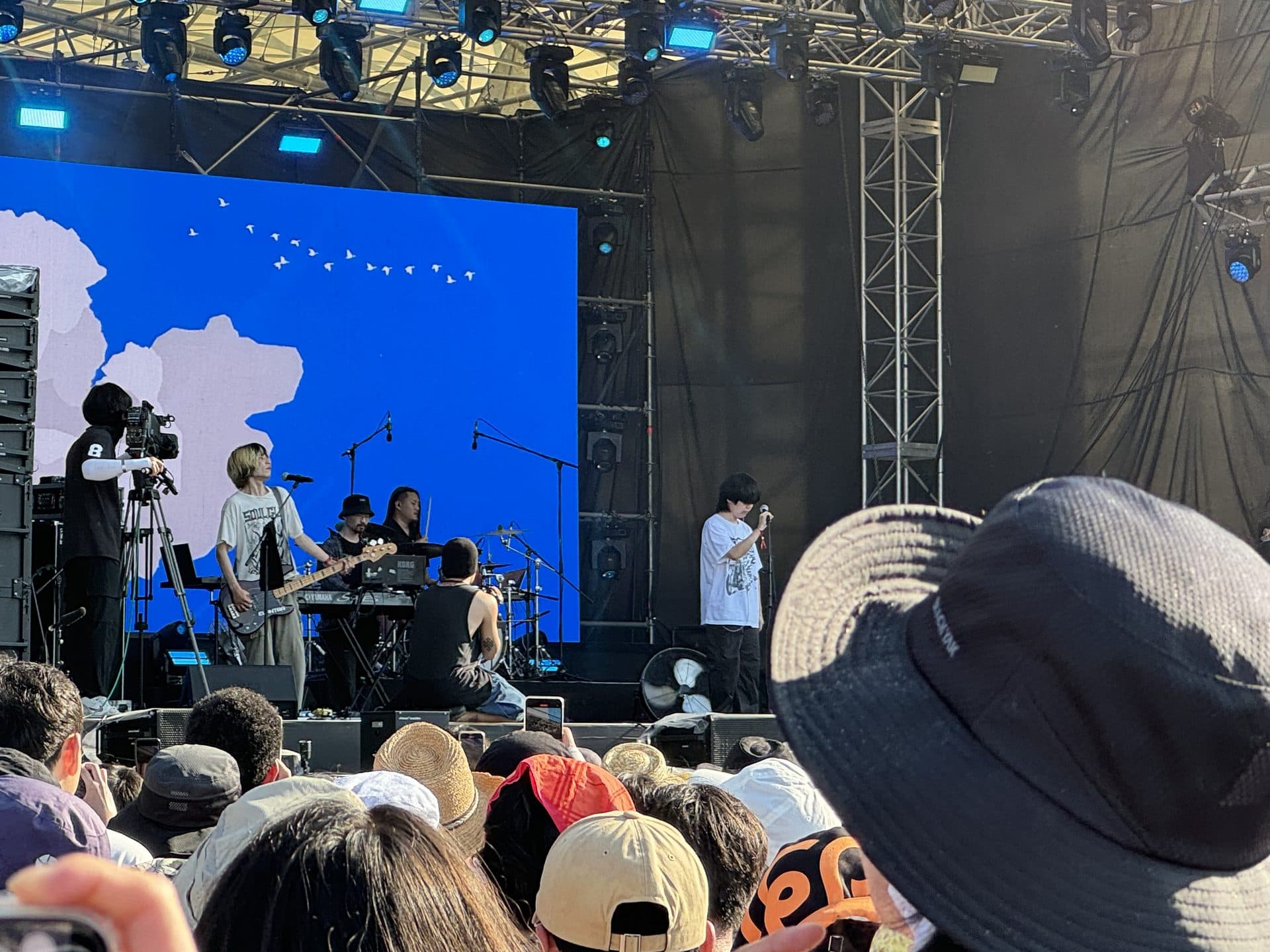
Crying Nut, Jang Kiha, Hyukoh, wave to earth, Parannoul: the story of Korea's independent scene, its clubs, its labels and its way out through abroad.
Legendary Chinese sage. Founding figure of Taoism, presumed author of Tao Te Ching.
First African samurai in history (16th century). Servant of Oda Nobunaga who became a legend.
Taiwanese drink that became a global phenomenon. Milk tea with tapioca pearls.
Chinese philosophy founded by Confucius. System of thought centered on ethics, rites and social relations.
Art of dressing up as fictional characters. Culture born in Japan that became global.
Japanese entertainment company. Creator of franchises like Uta no Prince-sama and Galaxy Angel.
Korean side dishes served with main meal. Kimchi is the most famous.
Korean art of social reading. Ability to perceive others' emotions and thoughts through subtle cues.
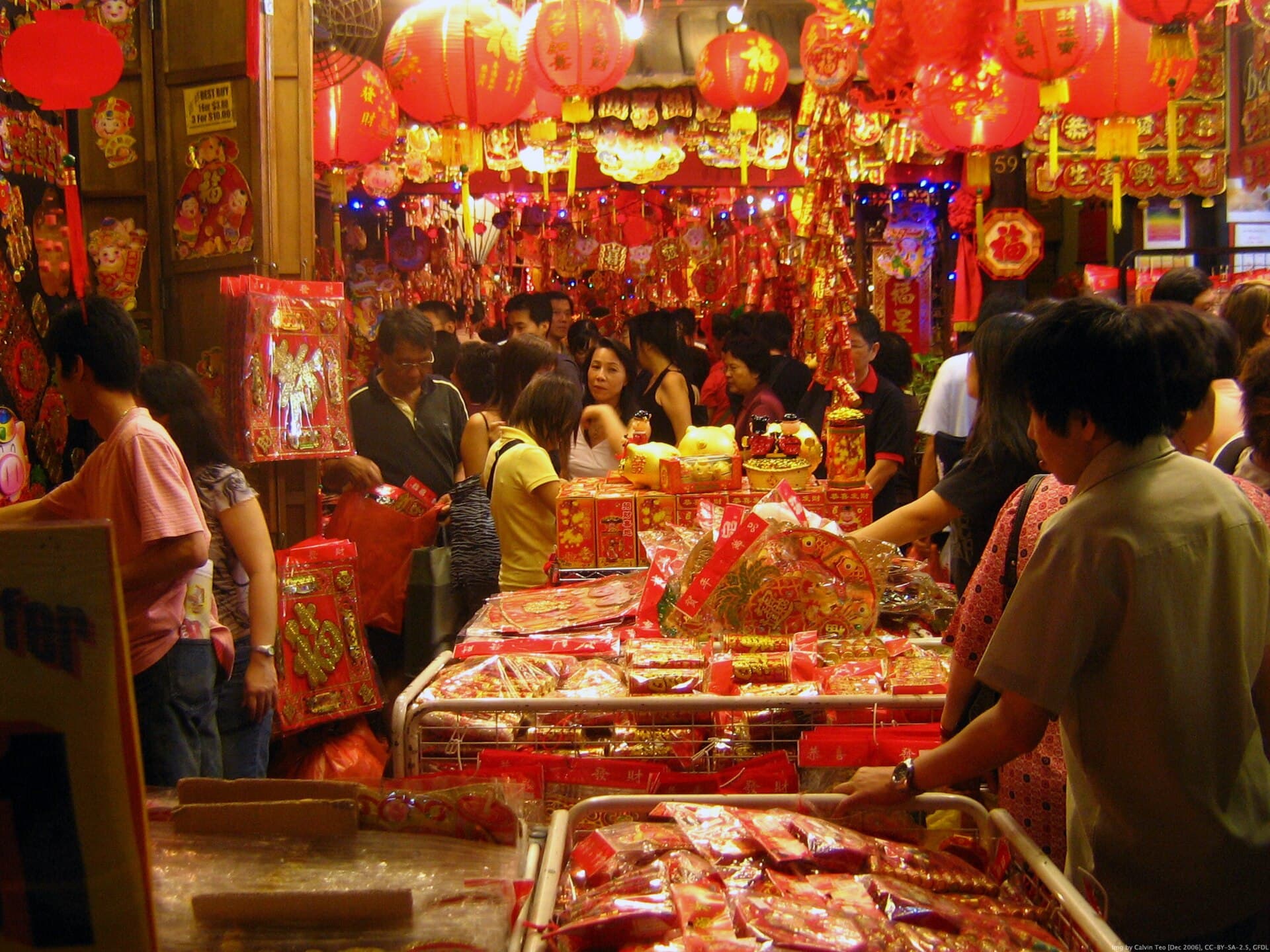
The table, beauty and brands, festivals, screens, games. Each door opens on its entries, its articles and its lists.
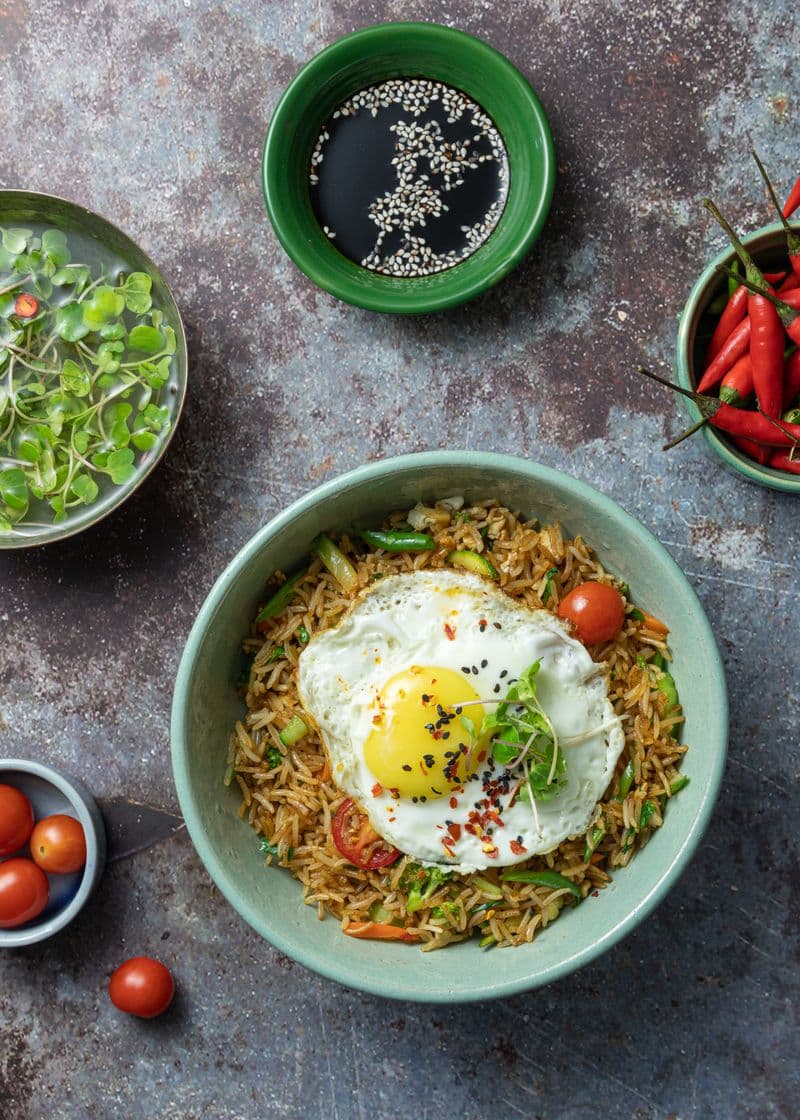
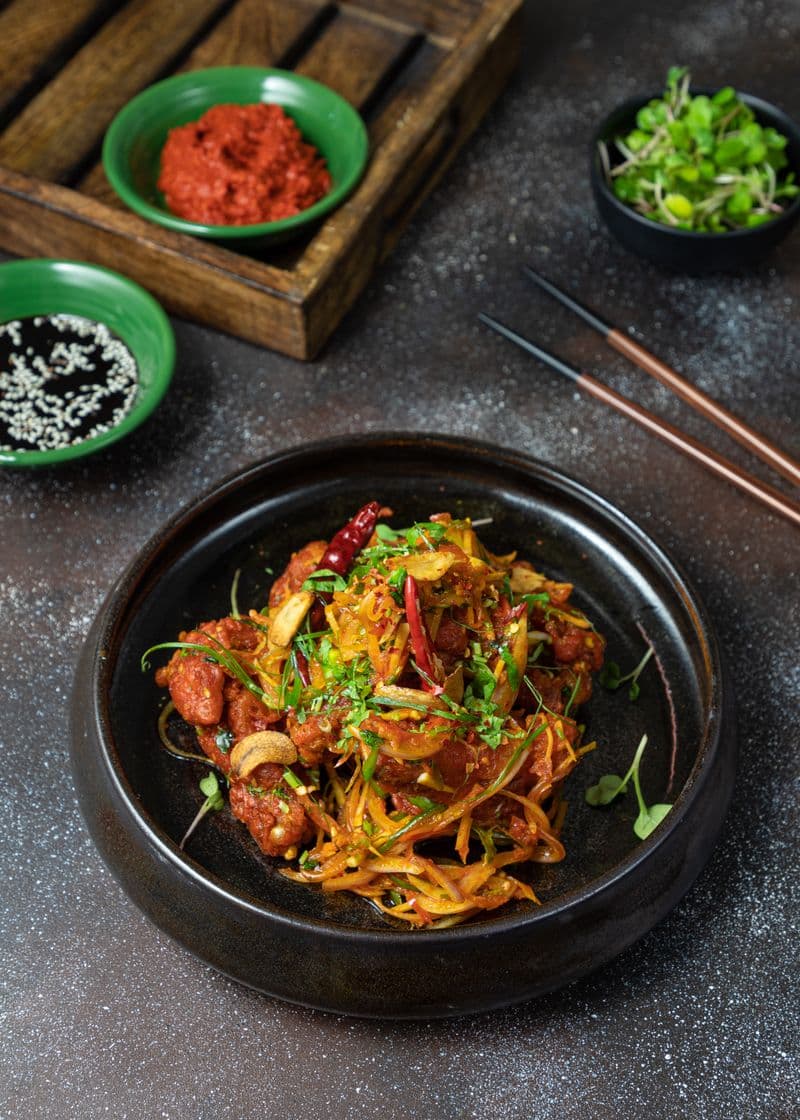
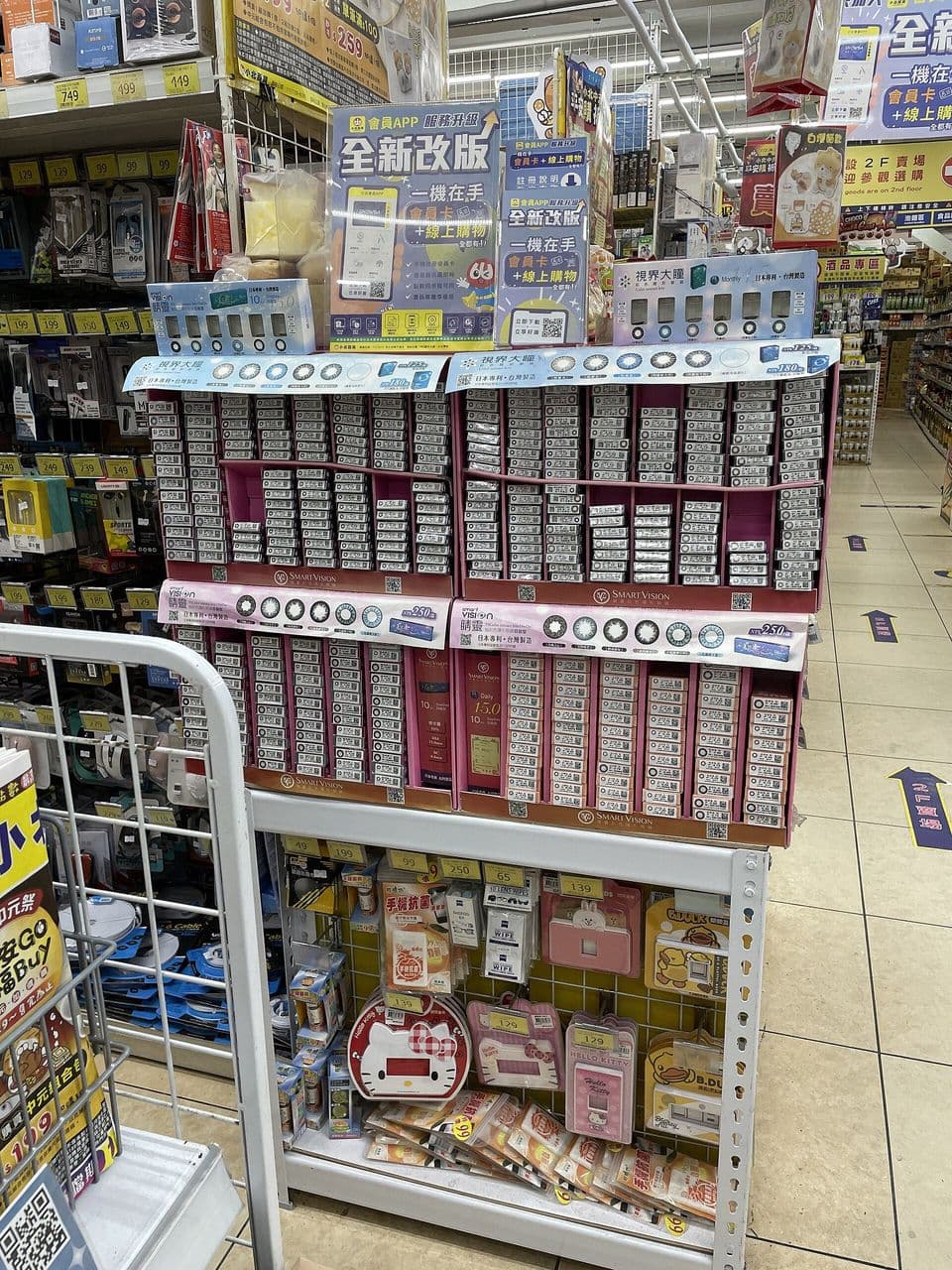
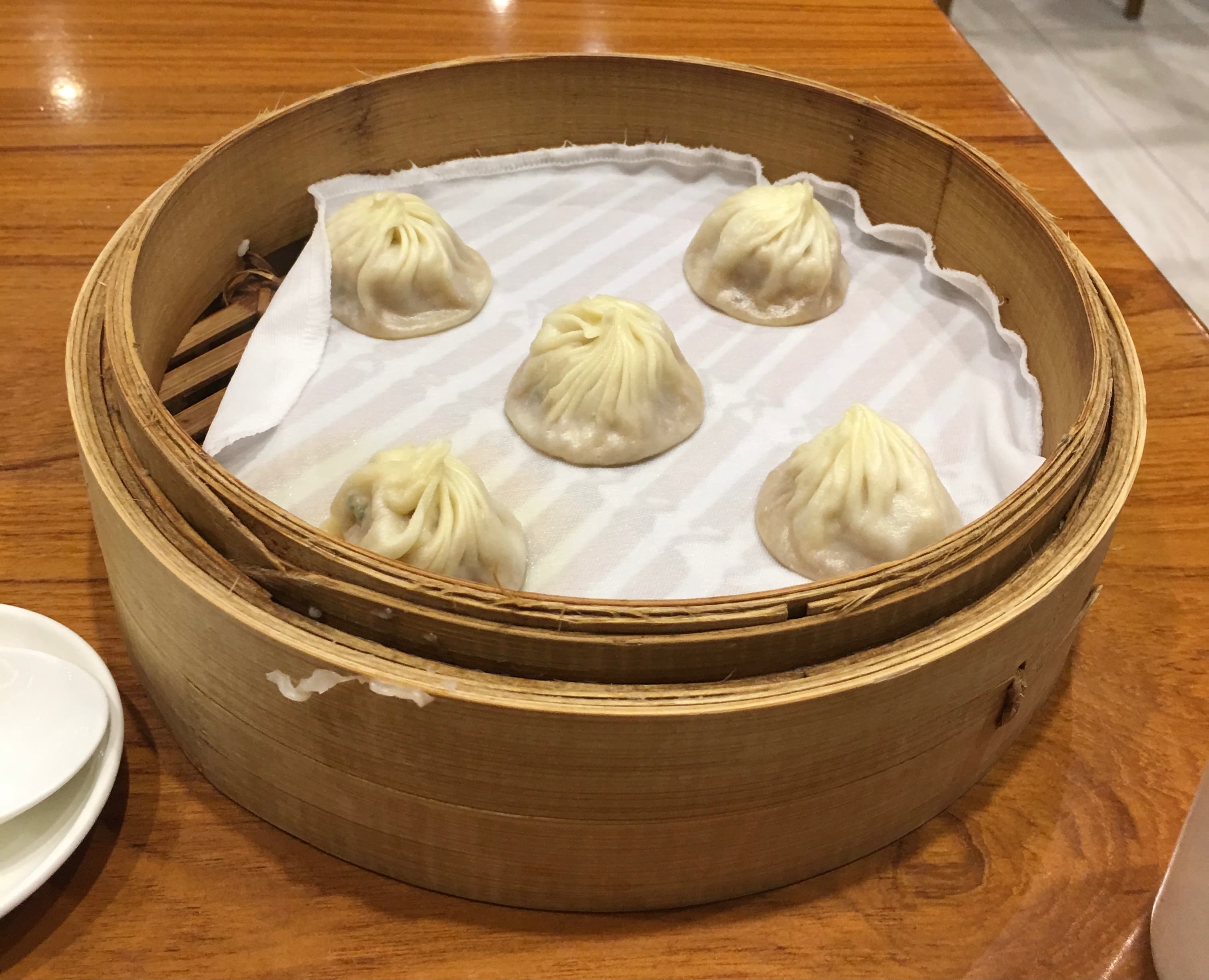
Food & recipesRecipes to cook tonight, and the dishes that explain a culture.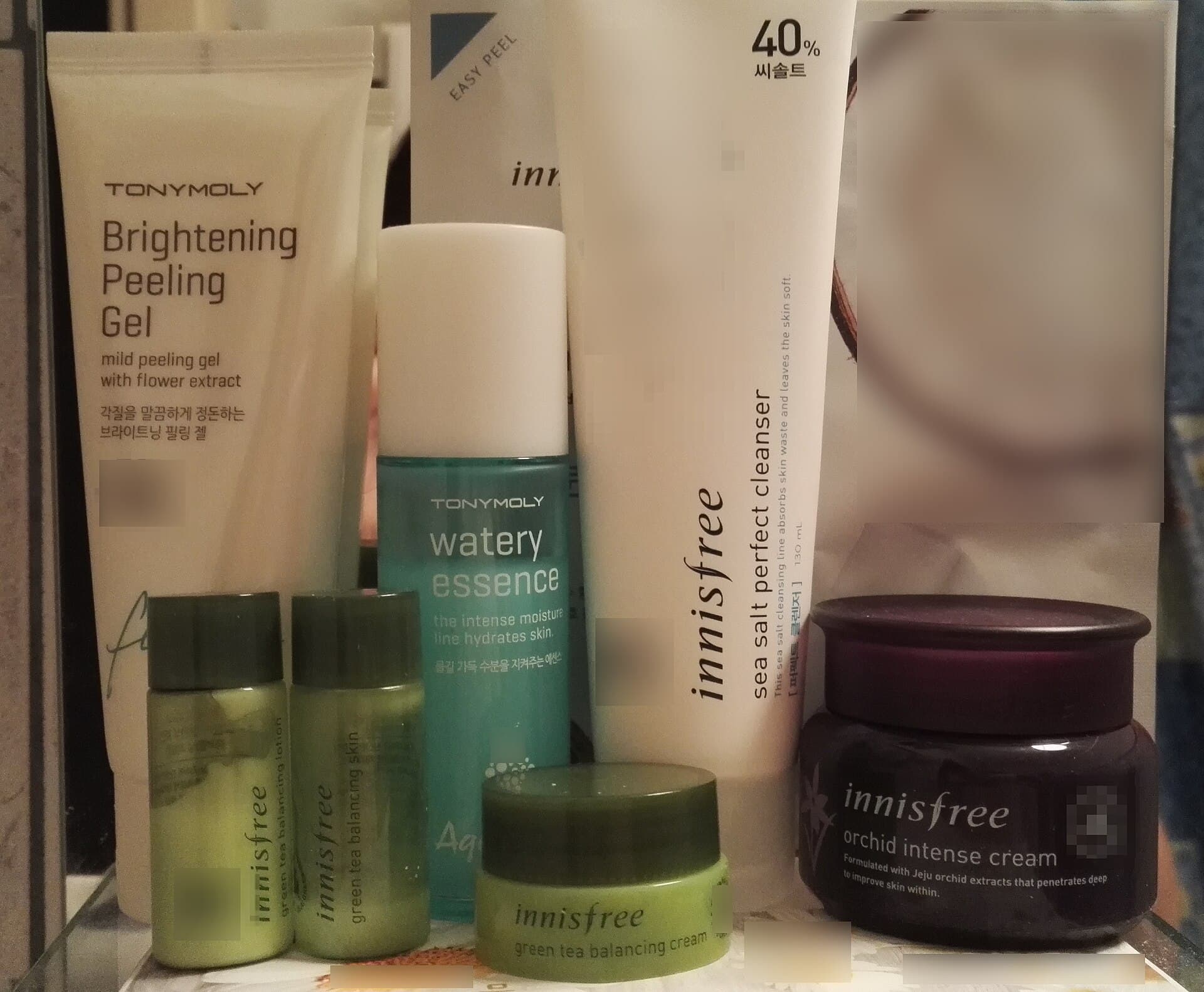 Beauty & brandsSkincare houses, everyday retail names and cult stationery.
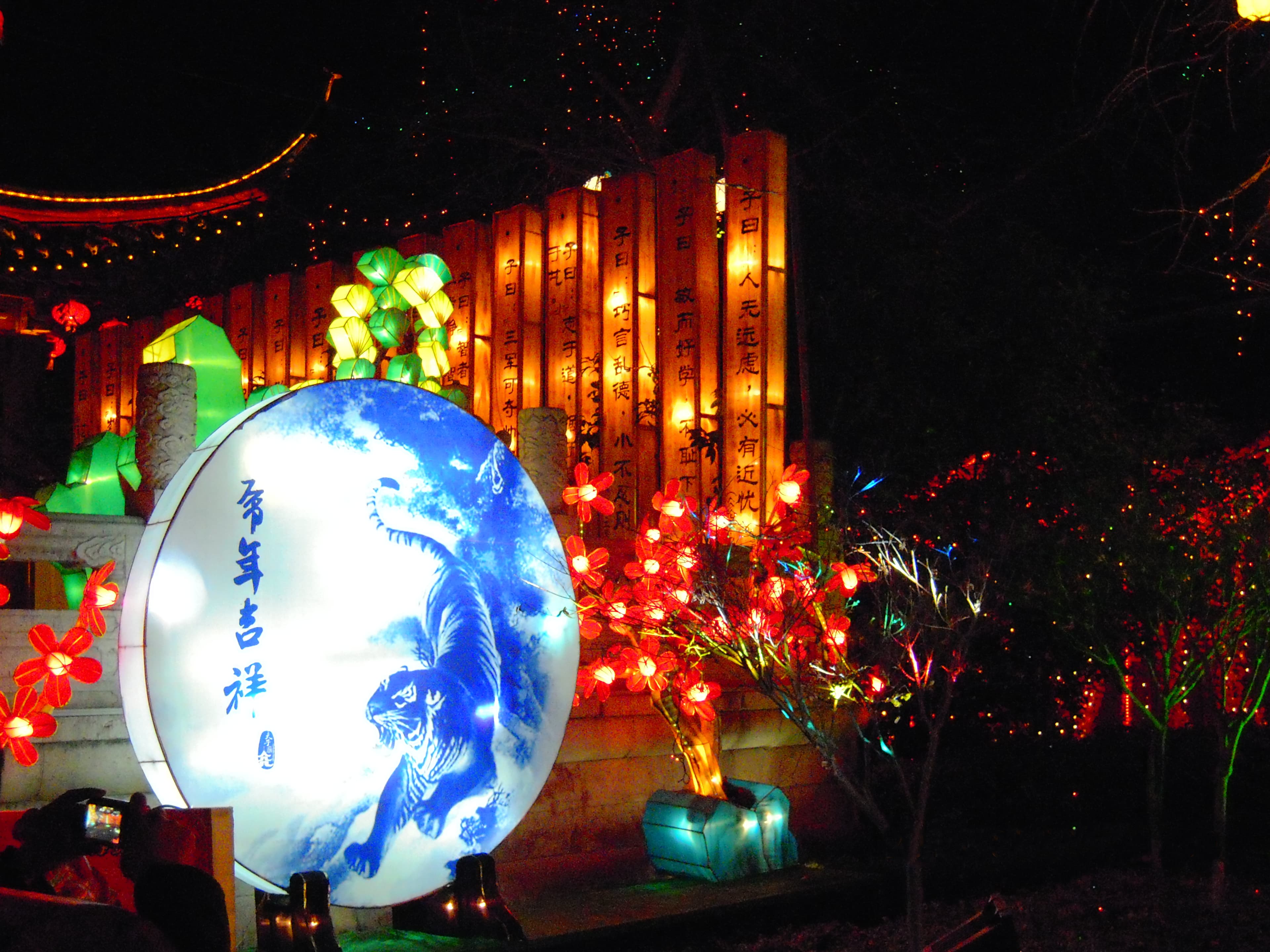 Festivals & seasonsWhat is being celebrated right now, and the calendar that decides it.
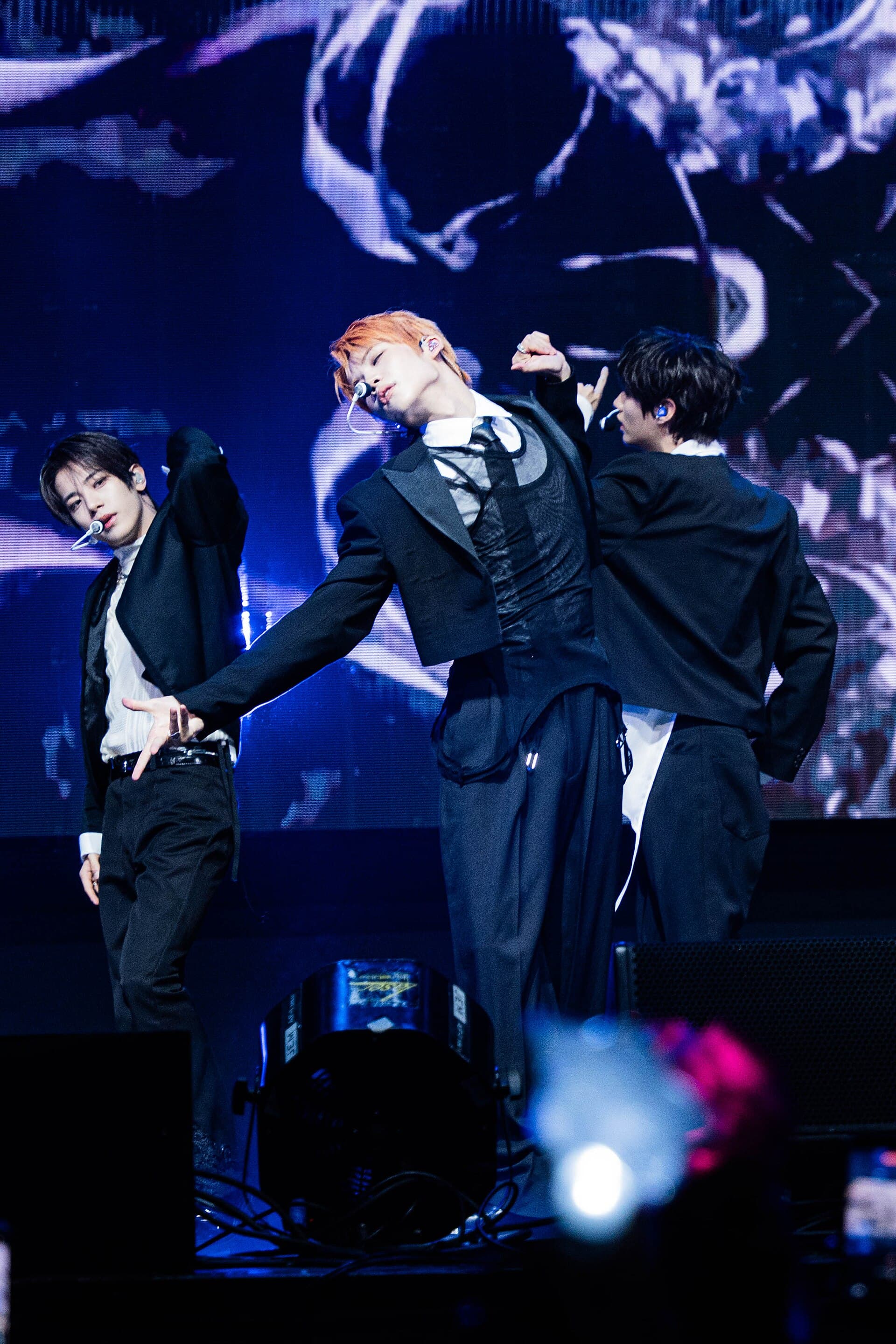
 Screens & stagesAnime, manga, dramas, cinema, music, and the people behind them.
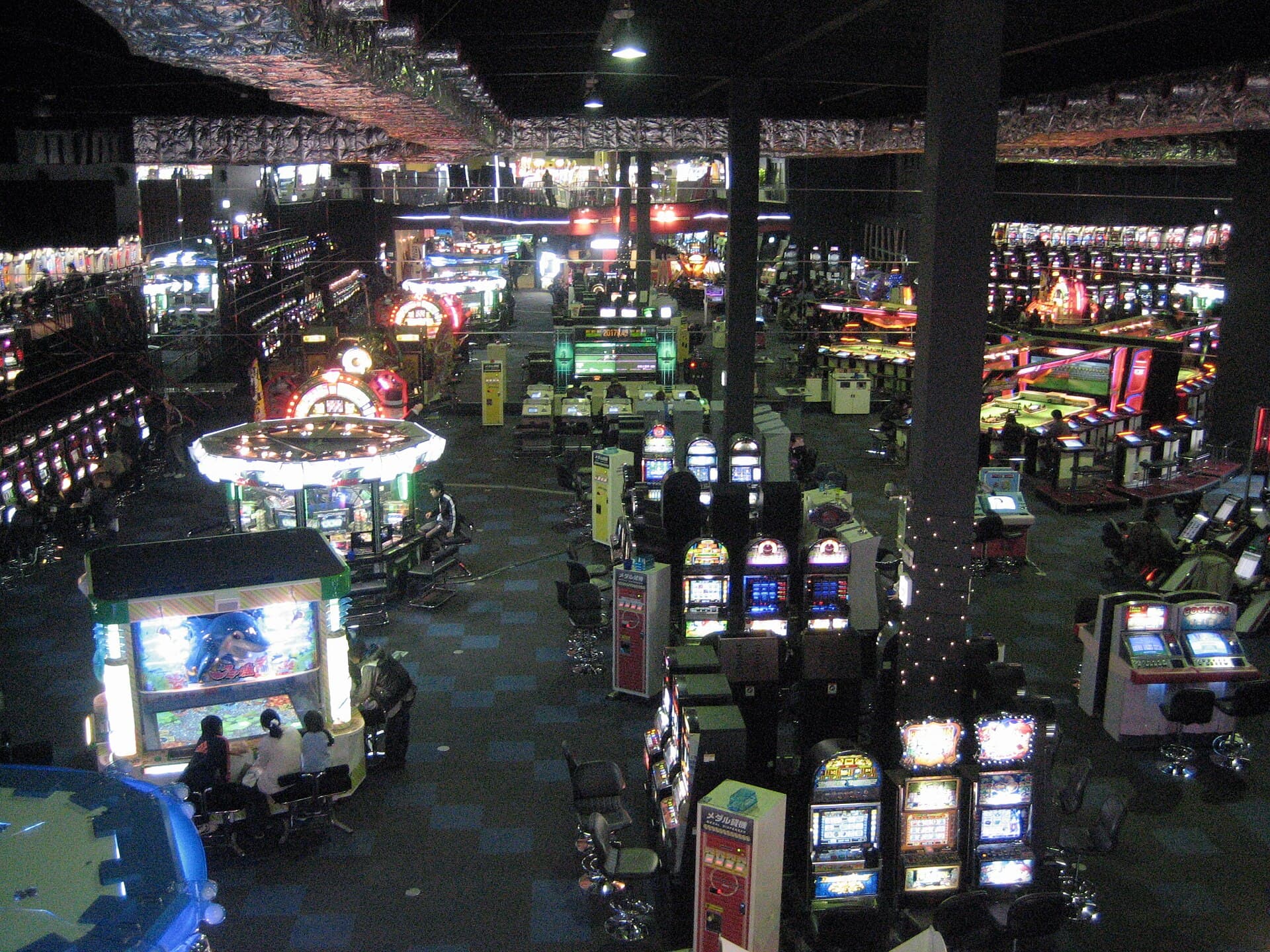 Video gamesThe franchises, the makers and the places where Asia plays.
Authentic recipes from China, Japan and Korea, step by step.
K-beauty, J-beauty, C-beauty: the brands that matter, explained.
Japan’s 47 prefectures, the provinces of China and Korea. Click a territory: what to see there, what people eat, what is made there.

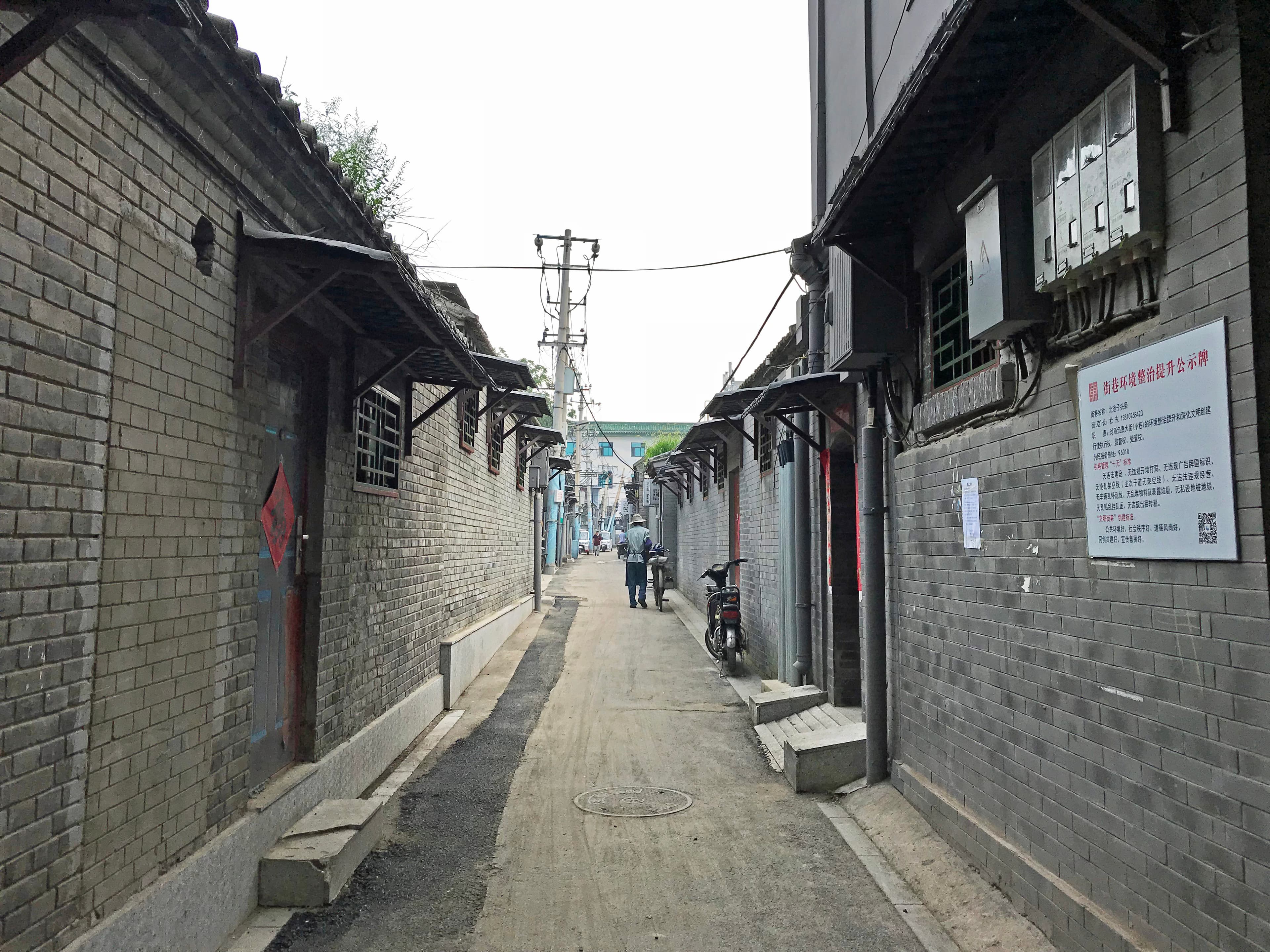
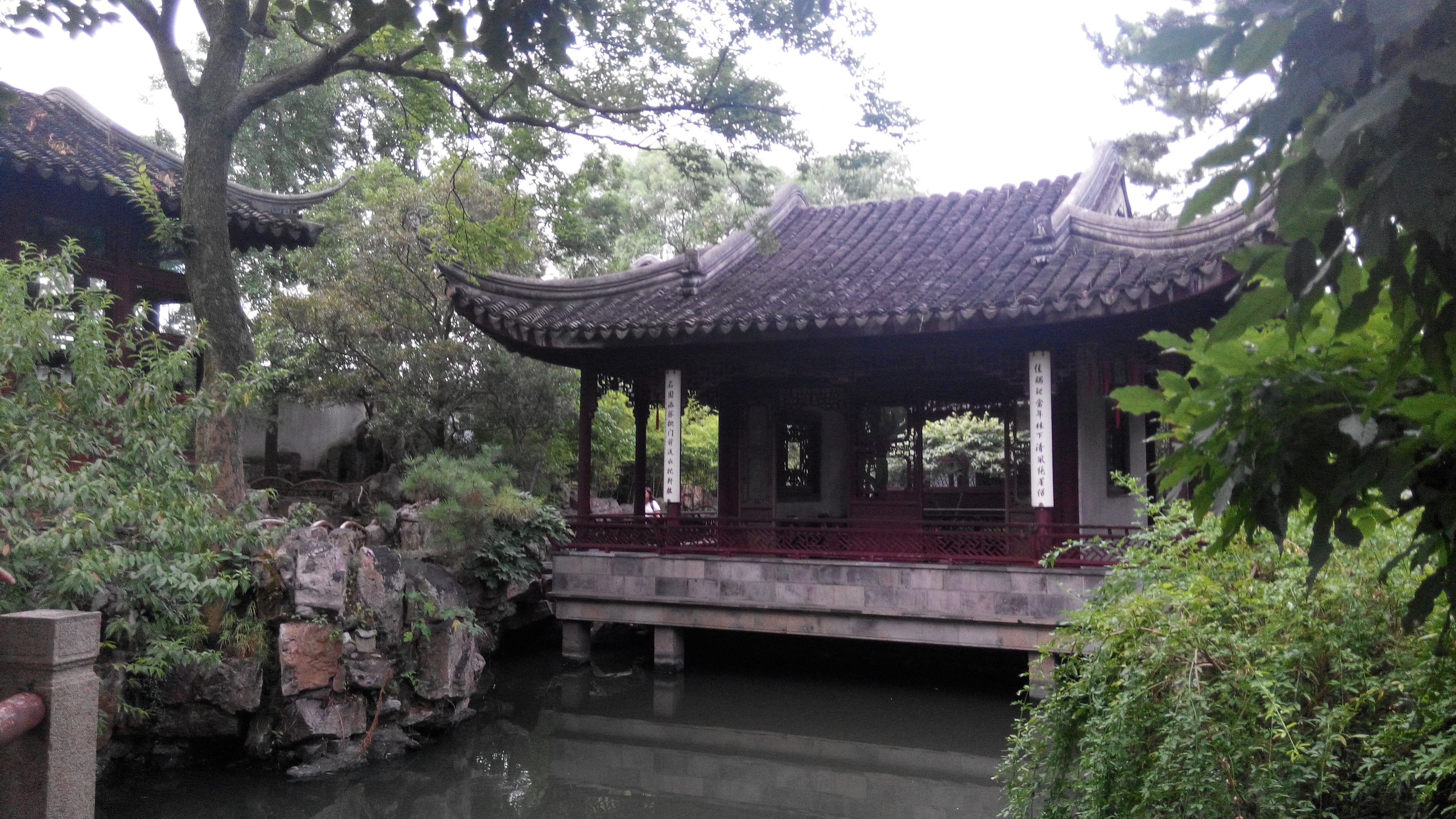
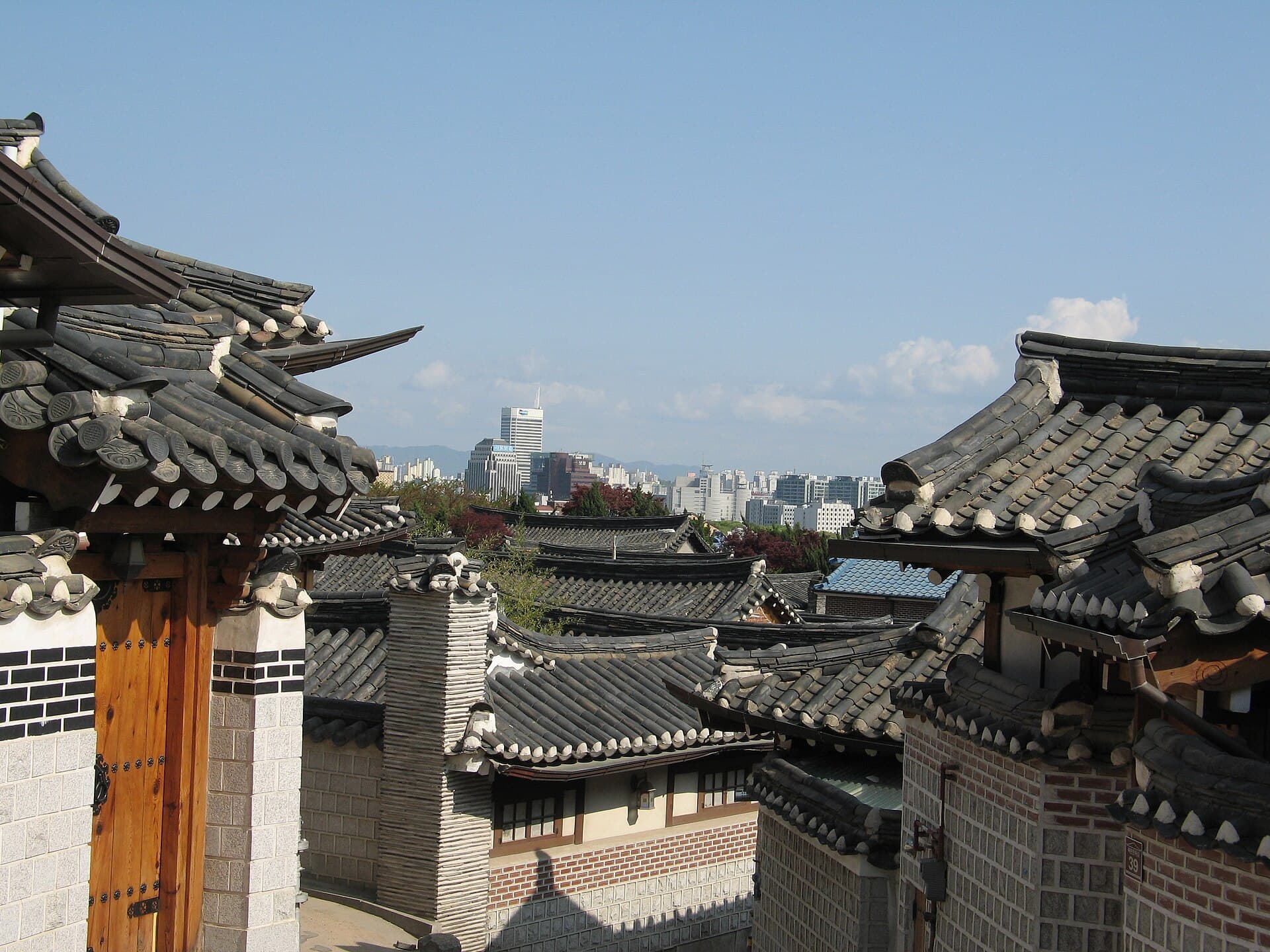
Three linguistic and cultural worlds. Each has its own editorial section to read and its own spaced-repetition platform to learn the language.
Four languages, four spaced-repetition platforms. Choose the one that calls to you.
ChineseSRS is live. Master HSK 1 to 6 with spaced repetition, grammar courses, graded readings and character study.
New features, fresh vocabulary and the stories behind them, in your inbox. No noise.