Asian Nail Art: The Manicure as a Fine Art
3D reliefs and jewels in Japan, minimalist jelly nails in Korea: a journey through Asian nail art, its techniques, its salons, and its global reach.
La rédaction Kotoba Interactive
Studio éditorial
In a salon in Ōsaka, a nail artist tilts a UV lamp over an outstretched hand, picks up fine tweezers, and sets down, one by one, tiny pearls on a nail where a miniature garden of pastel reliefs is already blooming. Ten meters away, on the screen of a waiting client, an entirely different ideal scrolls by: bare nails, almost transparent, glistening like a frozen drop of water, signed by an aesthetician in Seoul. Two gestures, two philosophies, one shared canvas: the fingertip turned into a surface for self-expression.
Asian nail art is no mere passing fad: it is a full-fledged aesthetic language, one where Japan pushed ornamentation all the way to miniature sculpture while Korea turned restraint into an art of light. To understand this contrast is to understand two ways of thinking about beauty, two industries structured all the way up to professional certification, and an influence that, carried by social media and the twin waves of K-beauty and J-fashion, is redrawing the nails of the entire world today.
The Origins: From Ancient Dyes to the Modern Studio#
Decorating one's nails is a gesture thousands of years old, but nail art as we understand it today (a constructed, technical, deliberate design) is a recent invention, largely shaped in Japan in the 1990s and 2000s. Before the reliefs and the rhinestones, there were plant-based dyes: as far back as antiquity, in China as in the Islamic world, people colored their nails with henna or with mixtures of beeswax, egg white, and crushed petals, the color signaling social rank.
In Japan, nail coloring had a name, , obtained from the safflower blossom (benibana, 紅花) and sometimes from balsam. This discreet refinement accompanied courtly beauty and endured in feminine custom well into the Edo period. And yet none of this resembled the architectural decoration the country would invent much later: the point was to dye, not to build.
The turning point came from chemistry and from the importation of American know-how. Modern nail polish, derived from the nitrocellulose lacquers of the automotive industry, spread over the twentieth century; the professional nail salon, with its acrylic false nails, was born in the United States in the 1970s. But it was by absorbing these techniques and reinventing them that Japan would make nail art an unprecedented visual discipline, and that Korea, later, would draw from it a diametrically opposed aesthetic.
Japan: The Manicure as Miniature Sculpture#
In Japan, nail art (neiru āto, ネイルアート) is an art of controlled accumulation: you don't merely paint the nail, you build it, you load it with reliefs, jewels, and materials until it becomes a piece of jewelry worn at the fingertip. This maximalist aesthetic, dubbed decoden or simply deco in salon jargon, transforms the flat surface of the nail into a tiny three-dimensional stage.
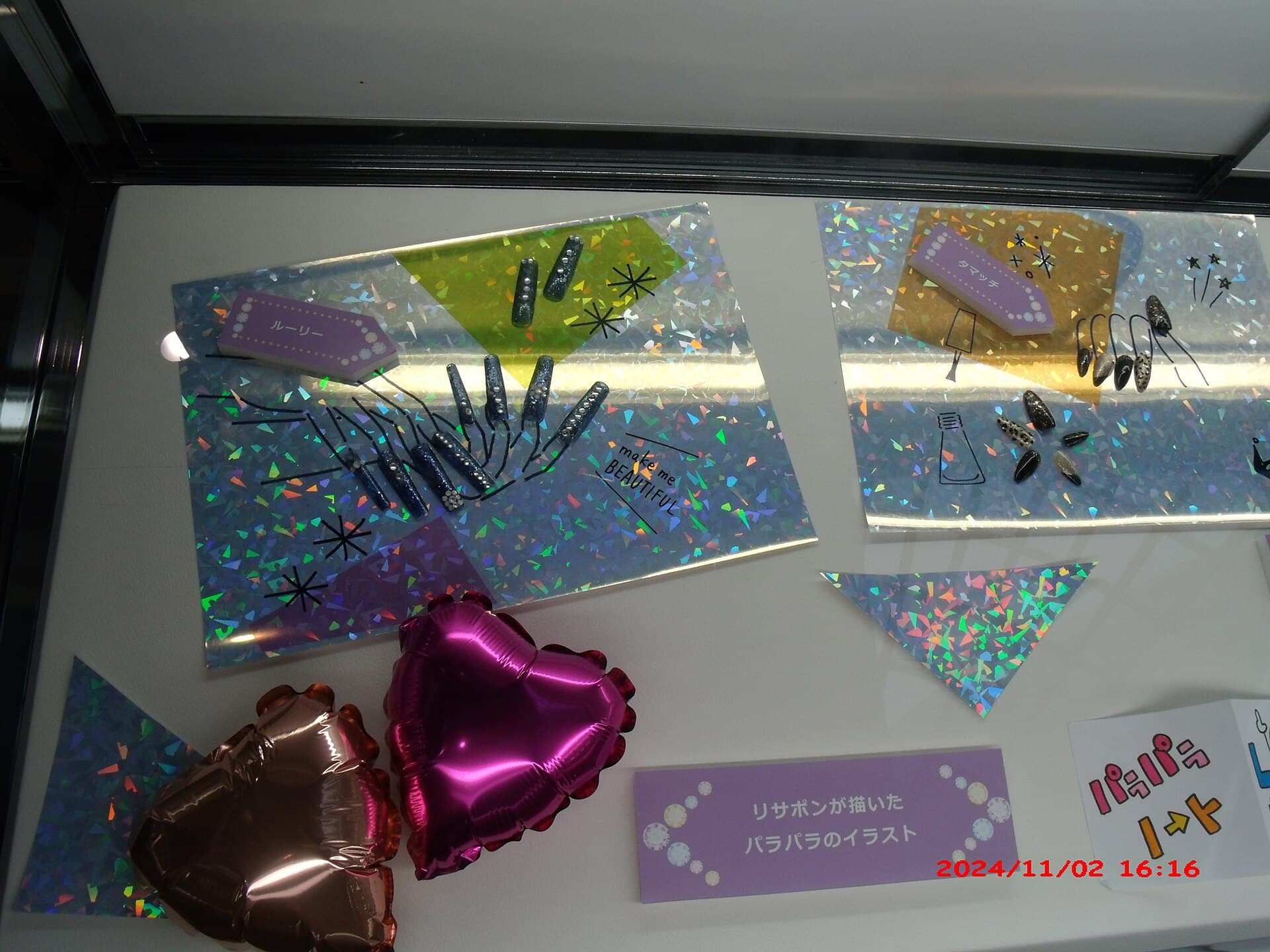
The central technique is called 3D nail art. Using a thick gel or a hand-modeled acrylic powder, the nail artist sculpts raised motifs: miniature roses, bows, hearts, seashells, characters. Onto this base come nail jewels: Swarovski rhinestones, pearls, chains, gold leaf, blingbling of every kind, fixed with gel and then sealed under a lamp. Some competition pieces stack dozens of elements per nail, to the point of defying the laws of a wearable manicure.
In Japan, the nail is not a surface to color but a base to sculpt: a design is built on it the way a piece of jewelry is set, pearl after pearl, relief after relief.
This exuberance has a precise cultural matrix: , the aesthetic of cuteness that has permeated all of Japanese visual culture since the 1970s, and above all the subculture, a distortion of the English word gal, which exploded in the streets of Shibuya at the turn of the 2000s.
The Gyaru Influence and the Golden Age of Deco#
The gyaru, young women with tanned skin, bleached hair, and spectacular makeup, turned the oversized nail into a badge of identity. The ganguro movement (顔黒, literally "black face," for the extreme tanning) and the tribes that succeeded it adopted long, loaded, ostentatious nails, in a deliberate break with the traditional Japanese ideal of discretion and fair skin. The manicure became a manifesto: the busier it was, the freer it was.
It is no accident that one of the few royalty-free photographs of Japanese nail art comes from the Hakata Gal Union, a gyaru collective in Fukuoka: the gyaru nail spread as a rallying sign, region by region. Street-fashion magazines like egg, the movement's bible launched in 1995, popularized these designs for an entire generation, and salons multiplied to meet the demand.
Read alsoGyaru: The Japanese Fashion Subculture That Defied ConventionOversized nails, tanned skin, bleached hair: Japanese nail art has its roots in the aesthetic rebellion of the Shibuya gyaru. The full portrait of the subculture.
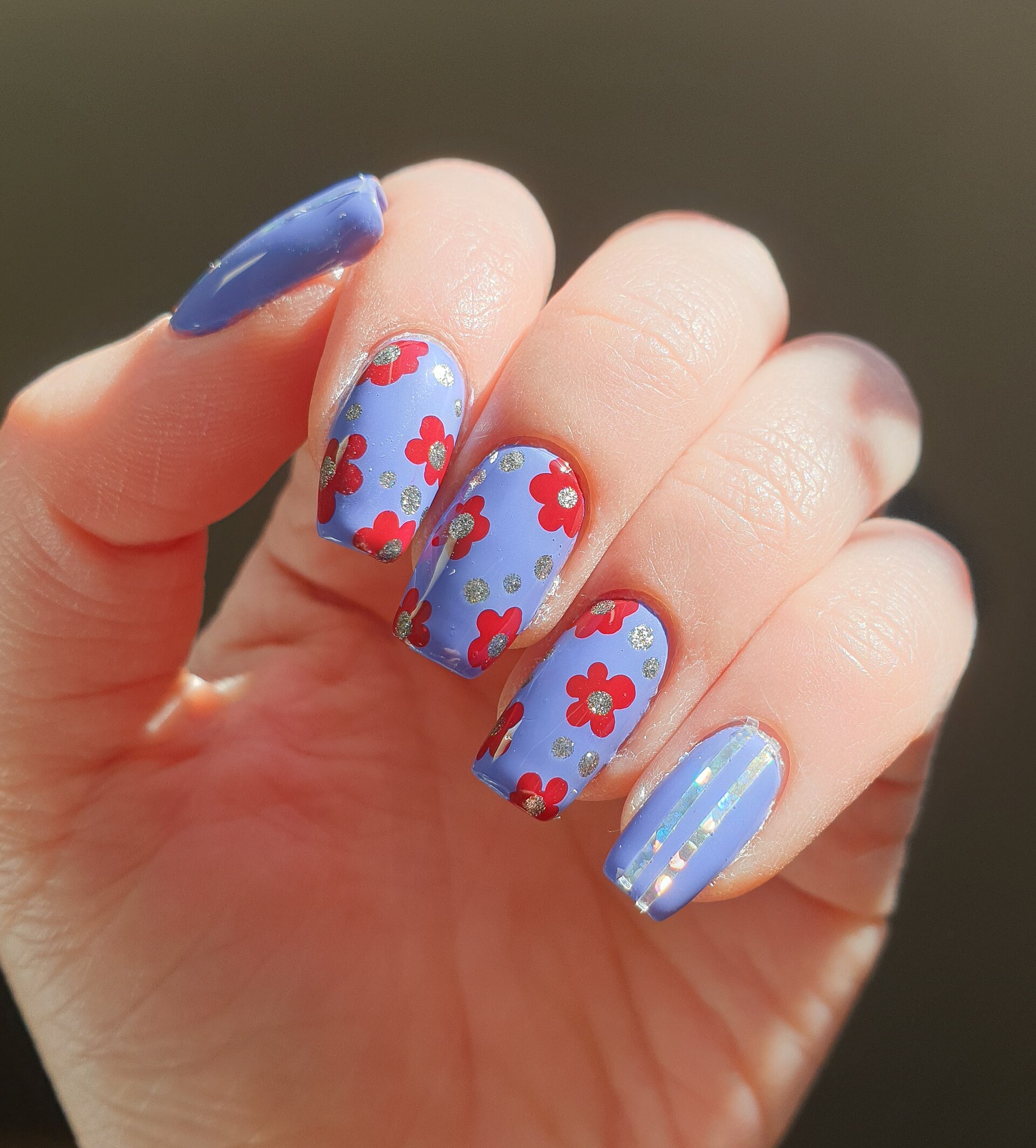
The Decisive Role of Gel#
None of this would be possible without one technical revolution: . Unlike classic polish, which air-dries in a few minutes and chips within days, gel is a photopolymer resin that stays liquid until it is cured, catalyzed, under an ultraviolet or LED lamp. This cure-on-demand changes everything: the artist has unlimited working time to model, sculpt, and position their decorations before setting the whole thing.
Gel offers three to four weeks of wear, a deep shine, and a durability that allows for the most daring reliefs. In the 2000s it became the standard medium of Japanese nail art and the material condition for its shift toward sculpture. The distinction is clear: polish colors, gel builds.
is the Japanese transcription of the English gel nail. Gel refers to a resin that hardens only when exposed to UV or LED light: this "cure-on-demand" gives the nail artist unlimited modeling time, the technical prerequisite for raised nail art.
Korea: Minimalism as a Signature#
In South Korea, nail art follows exactly the opposite logic: the less you see, the more sophisticated it is. The Korean aesthetic favors the natural: short nails, milky or translucent shades, finishes that imitate healthy skin and radiance rather than decoration. Its virtuosity hides in nuance, not in accumulation.
These gestures have their own vocabulary: ネイルアート (neiru āto, nail art), ジェルネイル (jeru neiru, gel manicure), and 可愛い (kawaii, cute), the aesthetic matrix behind all this decoration. With JapaneseSRS and its spaced repetition, learn to read these words kana after kanji, and decipher Japanese beauty in its original text.
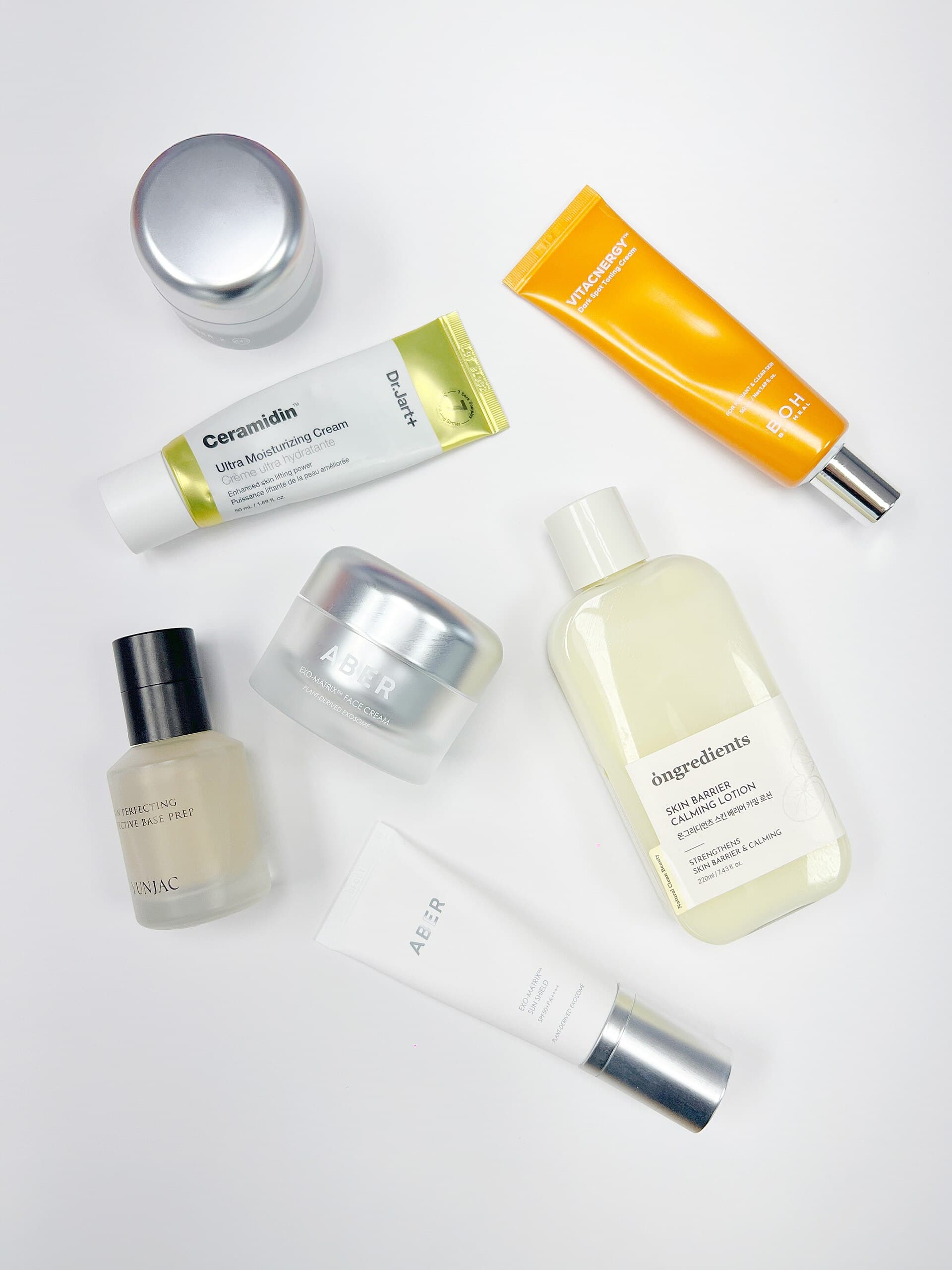
This philosophy is a direct continuation of K-beauty, Korean cosmetics whose absolute ideal is glass skin, luminous, hydrated, seamless. Applied to the nails, this principle gives rise to a series of trends that have conquered the world since 2020, all built around the same effect: light passing through matter.
Jelly nails rely on transparent, colored shades that let you glimpse the nail beneath, like a tart candy. Glazed nails, popularized worldwide around 2022, coat the nail with a pearly, chromed, iridescent veil that creates the illusion of a shimmering frost: the "donut glaze" of pastry. Syrup nails, a summer trend, tint the nail with a translucent fruity juice, watermelon pink or peach, like a drop of syrup laid on the skin.
In Korea, the feat is not to load the nail but to make it invisible: to convince you that this perfect light is that of the skin itself.
Korean nail art does not exclude decoration, but it miniaturizes and disperses it: a thin gold line, a single pearly flash, a lone pearl on a bare base, a French manicure reinvented in a "micro" version. This is minimal nail art, where every element counts because it stands alone. Where Japan fills, Korea spaces out.
Read alsoThe ten-step Korean routine: the order and role of each productKorean nail art is K-beauty applied to the nails: the same quest for translucency, the same worship of light. To understand the "glass skin" matrix that inspires glazed nails, here is the complete routine.
This restraint is by no means a sign of technical poverty, quite the contrary. Achieving a chrome effect with no streaking, a perfectly blended milky gradient, or a uniform colored transparency demands a mastery of gel greater than that of a loaded design, which forgives its flaws. Korean minimalism is a virtuosity of the surface.
Read alsoDouble Cleansing and Essences: The Heart of Korean SkincareThe same obsession with light and bare skin: Korean nail art extends the logic of the ten-step skincare routine onto the nails. The ritual of double cleansing and essence, at the source of "glass skin."
Two Aesthetics, One Craft: Nail Artists, Salons, and Certifications#
Behind these two opposing ideals lies one and the same industrial reality: a structured profession, ubiquitous salons, and, in Japan, one of the most demanding certification systems in the world. The manicure there is a recognized, taught, and hierarchized trade, not a mere add-on service.
| Criterion | Japan (ネイルアート, neiru āto) | Korea (네일아트, neil ateu) |
|---|---|---|
| Philosophy | Accumulation, maximalism | Restraint, minimalism |
| Signature | 3D reliefs, rhinestones, | glass skin, translucency |
| Cultural root | gyaru subculture (ギャル, gal) | K-beauty, worship of light |
| Nail length | Long, loaded | Short, bare |
| Salon rhythm | Long session (2 to 3 h), artist's piece | Fast trend, renewed often |
In Japan, the reference body is the JNA, the Japan Nailist Association (日本ネイリスト協会), founded in 1985. It issues the famous , a multi-level exam (grade 3, grade 2, then grade 1, the highest) that assesses theory, hygiene, basic manicure, and mastery of advanced techniques. A second qualification, the JNA Gelnail Certification, specializes practitioners in gel. Passing grade 1 amounts to a genuine technical journey, and the profession of enjoys a status comparable to that of a skilled artisan.
The word is a loanword coined in Japan: "nailist" barely exists in everyday English, where one says nail technician or nail artist. It is a Japanese lexical creation, later exported to Korea (neilliseuteu, 네일리스트) and across the rest of Asia.
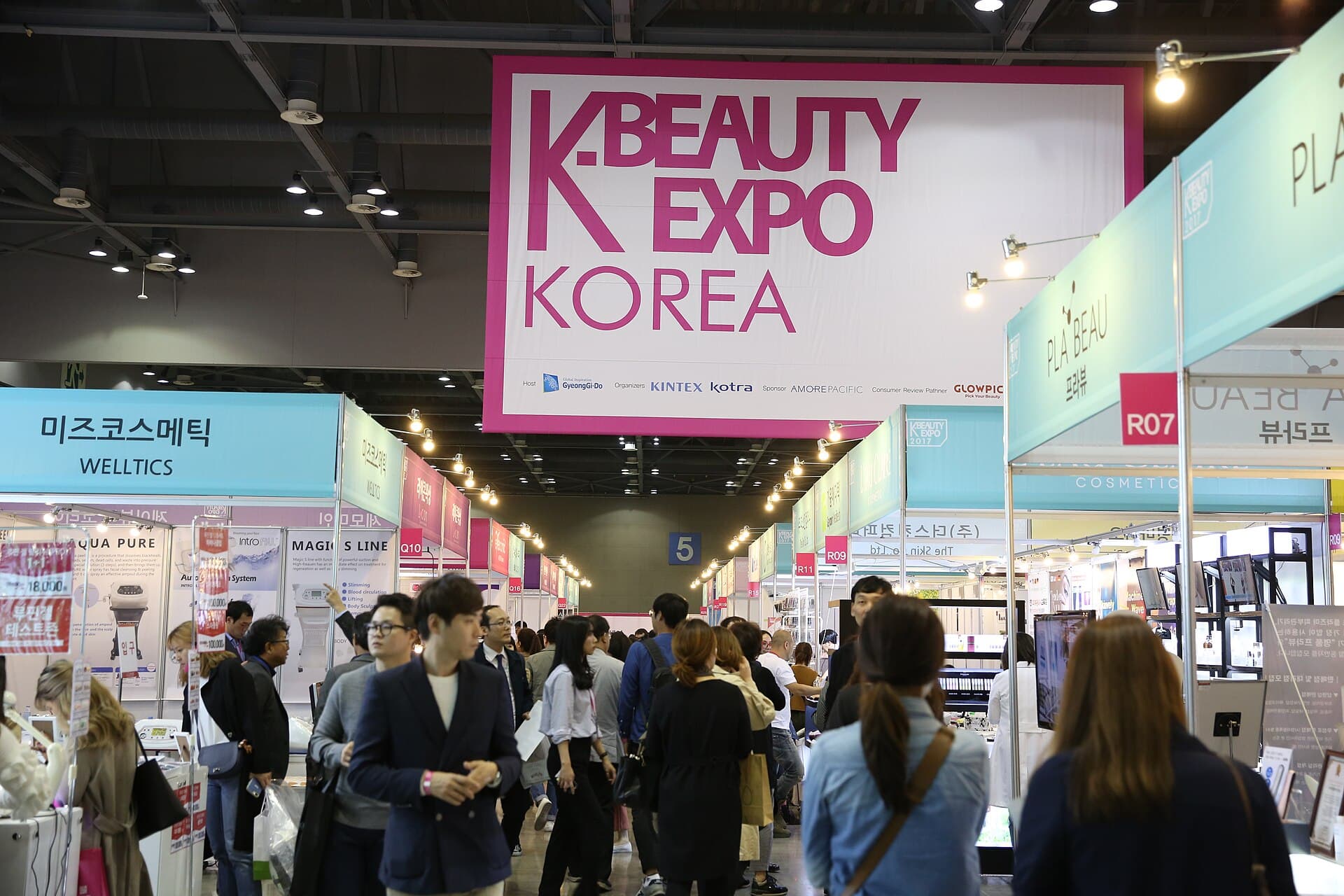
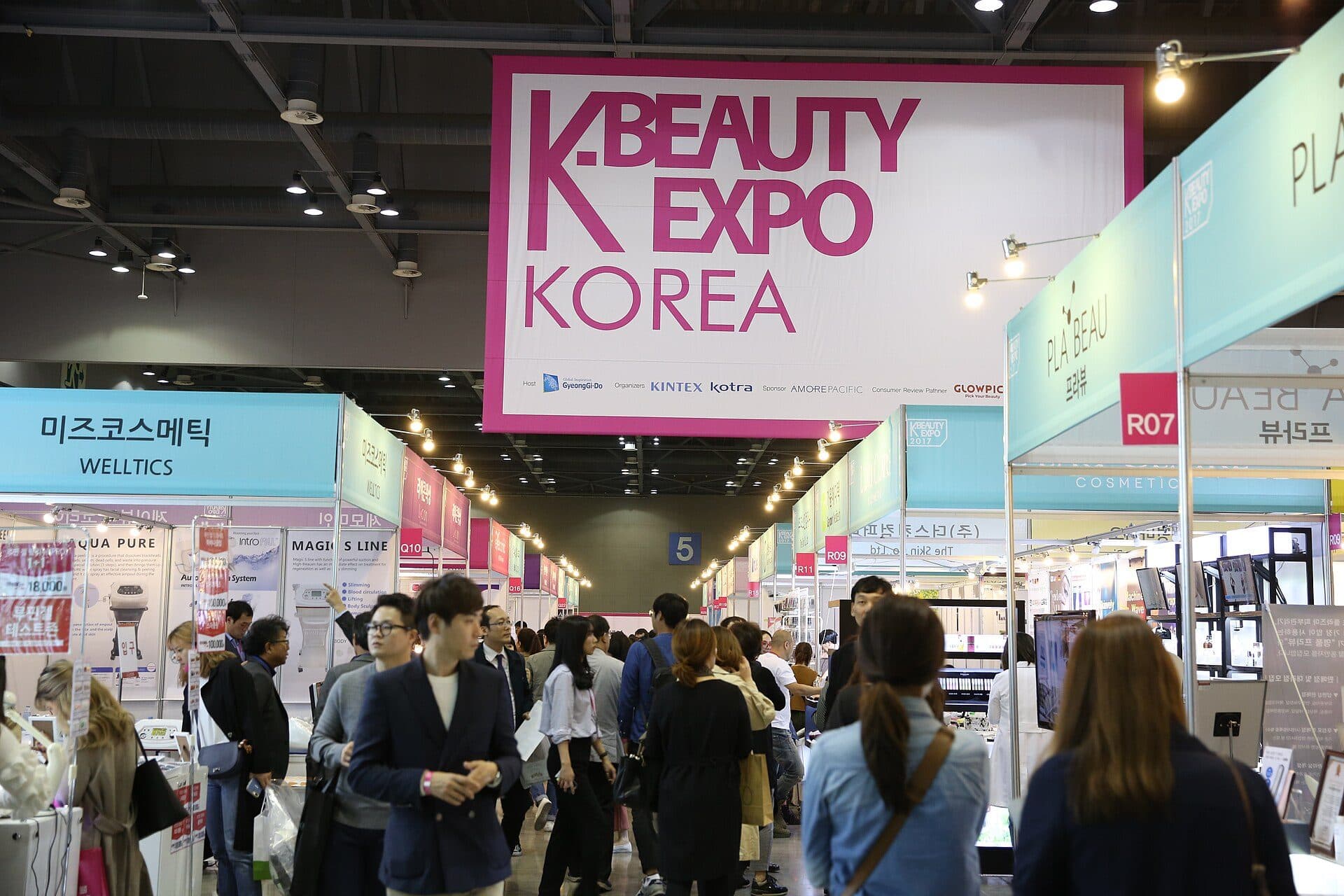
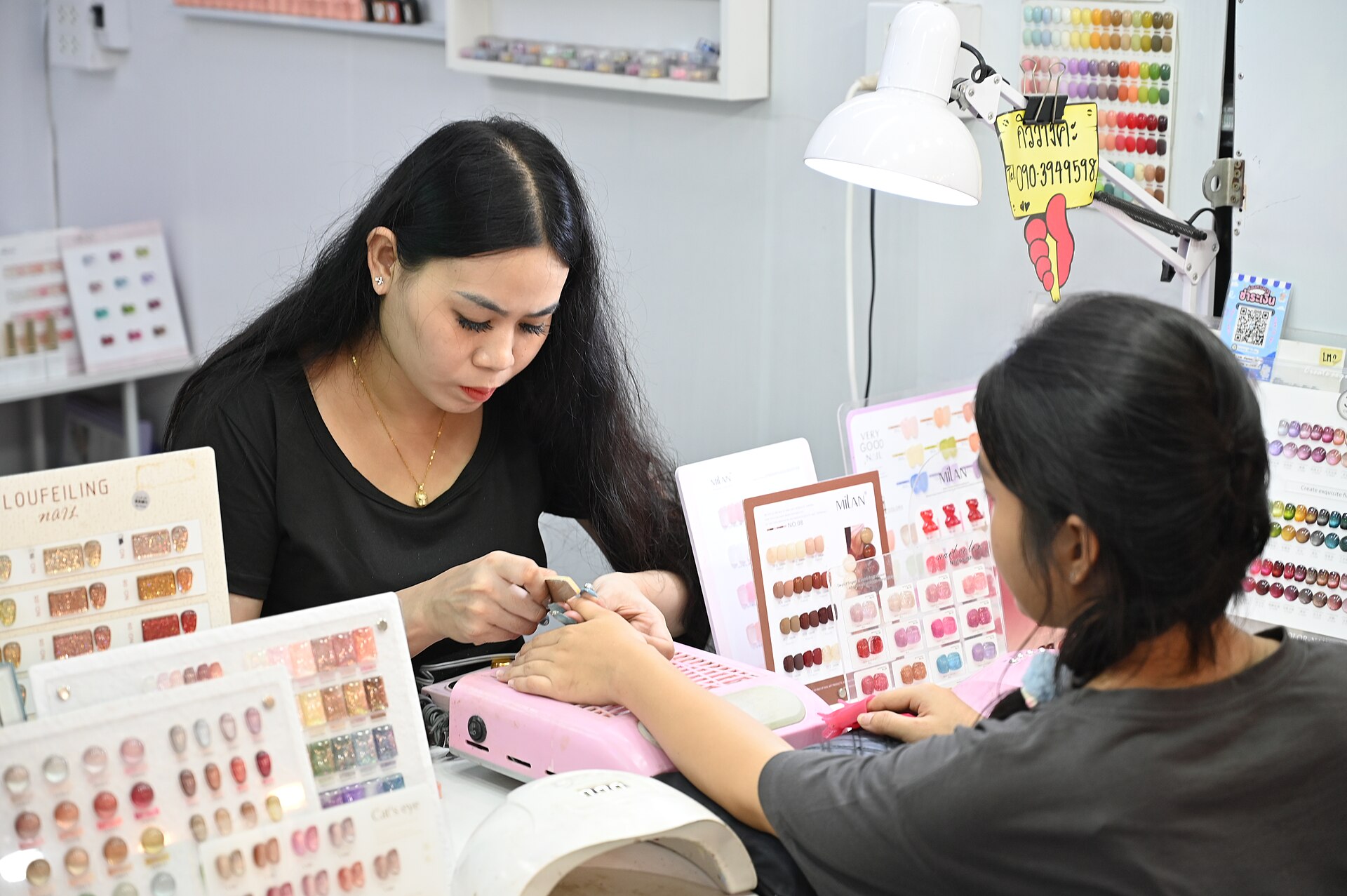
Japanese salons are true studios, where an elaborate nail-art session can last two to three hours and be booked like an appointment with an artist. In Korea, the industry is just as dense (Seoul boasts one of the highest concentrations of nail shops in the world) but organized around speed and trend: you follow the month's fashion, you renew often, and salons are in constant dialogue with the beauty ecosystem that makes the country's reputation.
Want to decipher these words: ネイルアート, ジェルネイル, 可愛い? JapaneseSRS (japanesesrs.com) is coming soon to help you learn everyday Japanese, kana after kanji. Join the waitlist.
The Techniques: A Shared Toolbox#
Beyond the clash of styles, Japan and Korea draw on the same palette of processes, exploiting different facets of it. To understand these techniques is to understand what makes both maximalist relief and minimalist transparency possible.
Gel dominates everywhere, for the reasons already noted: working time, wear, shine. It comes as builder gel (thick, for sculpting and lengthening), color gel, and finishing gel (top coat). Acrylic, a mixture of polymer powder and monomer liquid that hardens in the air, serves mainly to create long extensions and highly structured reliefs; it is the historic false-nail technique, invaluable for the sculptural designs of competitions.
Chrome (or mirror powder) has upended recent trends: an ultrafine metallic powder, rubbed onto a still-tacky gel base, produces a spectacular mirror or iridescent effect. It is this technique that underpins both Japan's flashy chrome nails and Korea's pearly glazed nails: the same powder, two intensities. Magnetic gel (or cat eye) contains metallic particles that are steered with a magnet after application, creating a band of shifting light that seems to follow your gaze, as in a tiger's-eye stone.
To these pillars is added a swarm of finishes: stamping (motifs transferred from an engraved plate), hand painting (freehand work with a fine brush), foil (metallic sheets), encapsulation (dried flowers or glitter caught in the gel like an insect in amber), and velvet, jelly, and milky effects. The same workbench produces, depending on the hand and the country, a cathedral of rhinestones or a translucent drop of water.
The Global Shockwave: Social Media and Soft Power#
Since the late 2010s, Asian nail art has established itself as a global aesthetic benchmark, propelled by social media and backed by the cultural soft power of K-beauty and J-fashion. The terms themselves, glazed, jelly, syrup, chrome, have become the common vocabulary of salons in Paris, New York, and São Paulo.
The medium is visual, and therefore perfectly suited to Instagram, TikTok, and Pinterest, where a photogenic nail spreads within hours. Korean trends, in particular, diffuse there at breakneck speed: a manicure seen on the hands of a K-pop idol in a music video can relaunch a worldwide fashion in a single weekend. The stars of the Korean music scene, whose outfits and makeup are scrutinized frame by frame, have become tastemakers for nails as much as for clothes.
This influence rests on an industrial foundation: Korea and Japan rank among the world's leading exporters of nail products and cosmetics. Asian brands of gels, chrome powders, and accessories supply salons the world over, so that the technique travels alongside the image. The result is a curious crisscross: the West, which had exported acrylic nail service to Asia in the 1970s, is today reimporting, forty years later, an aesthetic entirely reworked by Japan and Korea.
At both ends of the spectrum, the message is the same: the nail has become a legitimate surface for self-expression, a fashion accessory in its own right, an object of craftsmanship. Whether you choose the sculpted profusion of Ōsaka or the luminous transparency of Seoul, you now speak the same aesthetic language, born a few hundred kilometers of sea apart, and one that has made the fingertip one of the smallest, and most revealing, battlefields of contemporary taste.
FAQ#
What is the difference between Japanese and Korean nail art? Japanese nail art is maximalist: 3D reliefs sculpted in gel or acrylic, rhinestones, pearls, and jewels piled on, a legacy of the gyaru subculture. Korean nail art is minimalist: short nails, milky or translucent shades, "glazed" and "jelly" effects that mimic a natural light, in the spirit of K-beauty.
What are glazed nails? Glazed nails are a Korean trend popularized around 2022: a pearly, chromed veil, achieved with a mirror powder over a gel base, gives the nail a frosty, iridescent glow, like a donut glaze. The effect relies on translucency rather than on a motif.
Do you need training to be a nail artist in Japan? It is not legally required, but the profession is strongly structured by the JNA (Japan Nailist Association), which issues multi-level certifications (grades 3, 2, and 1) as well as a dedicated gel qualification. These exams serve as a benchmark of quality and credibility in the trade.
Is gel better than classic polish? Gel offers three to four weeks of wear, a lasting shine, and allows for elaborate reliefs and decorations, because it only hardens under a UV or LED lamp. Classic polish air-dries, applies faster, and is easily removed, but it chips within days and cannot support sculpture.
Why does Korean nail art influence global trends so much? Because it combines a highly photogenic visual ideal (translucency, light) perfect for social media, the tastemaking power of K-pop and K-beauty, and a Korean industry that is among the world's leading exporters of nail products. Image and technique travel together.
Photo credits: images in this article come from Wikimedia Commons and are under free licenses.
K-beauty, J-beauty, C-beauty: three schools of skincare compared
Routines, hero products, ingredients and business models: what really separates Korean, Japanese and Chinese cosmetics, without the marketing shortcuts.
Cover image: Mr.ちゅらさん · Mr.ちゅらさん, via Wikimedia Commons · CC0