Double Cleansing and Essences: The Heart of Korean Skincare
Oil cleanser then foam cleanser, fermented essences and the 7 skin method: the two gestures that truly build Korea's glass skin.
La rédaction Kotoba Interactive
Studio éditorial
It is ten at night in a Seoul bathroom, and a young woman presses a hazelnut of translucent oil into her palm. She does not wash her face: she massages it, slowly, in circles, letting the oil dissolve the mascara, the sunscreen, the pollution from the Line 2 subway. Then she wets her hands, the oil turns into a milky lotion that slips away, before a second cleanser, a foaming one this time, carries everything off with lukewarm water. Only after this two-step ritual will she open the first truly precious bottle: an , an almost invisible liquid she will pat with bare hands onto still-damp skin.
The ten-step Korean routine has become a global cliché, mocked as much as it is imitated. But behind the dizzying inventory of bottles hide two gestures that do the real work: double cleansing and the essence. One prepares the ground, the other irrigates it. Strip away the rest of the routine (the other eight steps) and these two still suffice to explain why so much Korean skin displays that translucency known as glass skin. The rest, however elegant, is often only refinement around this core. The full ten-step routine has its own dedicated article on this site; here, we go deep into these two founding gestures, their logic, their history, and their pitfalls.
Read alsoThe ten-step Korean routine: the order and role of each productThe ten steps, the general logic, and the glass-skin ideal: the complete panorama of the Korean routine, of which this article explores two gestures in depth.
Why Wash Twice: The Logic of Double Cleansing#
rests on a principle of elementary chemistry: what is oily dissolves in oil, what is water-soluble rinses away with water. A single cleanser cannot excel at both tasks. Korea therefore split the gesture into two complementary passes: first an , then a .
The first pass targets everything that resists water: sebum, water-resistant sunscreen, waterproof makeup, atmospheric pollution residue. The oil, or a balm that melts on contact with the skin, coats these oily substances and lifts them off the face. It must be applied to dry skin, with dry hands, because water present at this stage would prevent the oil from making contact with what it needs to dissolve. The massage lasts one to two minutes; then you emulsify by adding a little water, which turns the oil to milk, and you rinse.
The second pass, watery, takes over for what the oil leaves behind: sweat, water-soluble impurities, and the oily film left by the first cleanser itself. A foaming cleanser, a gel, or a gentle milk, applied this time to damp skin, cleans deeply without stripping the skin barrier. The skin comes out clean but not tight, the famous test of skin that "doesn't squeak."
Washing your face twice is not vanity: it is acknowledging that no soap speaks the language of oil and the language of water at once.
The order is never interchangeable. Starting with the watery cleanser would be like running a wet sponge over a grease-covered pane: you smear without removing. It is the oil that leads the way, always. This rigor of sequence recurs in the essences: in Korea, skincare is thought of as a grammar, where the order of words changes the meaning of the sentence.
combines se (洗, "to wash") and an (顔, "face"), two sinograms inherited from classical Chinese. The term refers specifically to face washing as an act distinct from bathing; ijung se-an (이중 세안) adds ijung (二重, "double, twofold").
Oil, Balm, Water: Anatomy of the Two Cleansers#
An oil cleanser is not cooking oil smeared on the face. It is a formula designed to transform. Its technical key lies in the emulsifiers (the interface between oil and water) it contains: on contact with water, these molecules allow the oil, loaded with impurities, to disperse and rinse away without leaving an occlusive film. A pure vegetable oil, by contrast, would stay on the skin. It is this capacity to emulsify that separates a true oil cleanser from a simple oily substance.
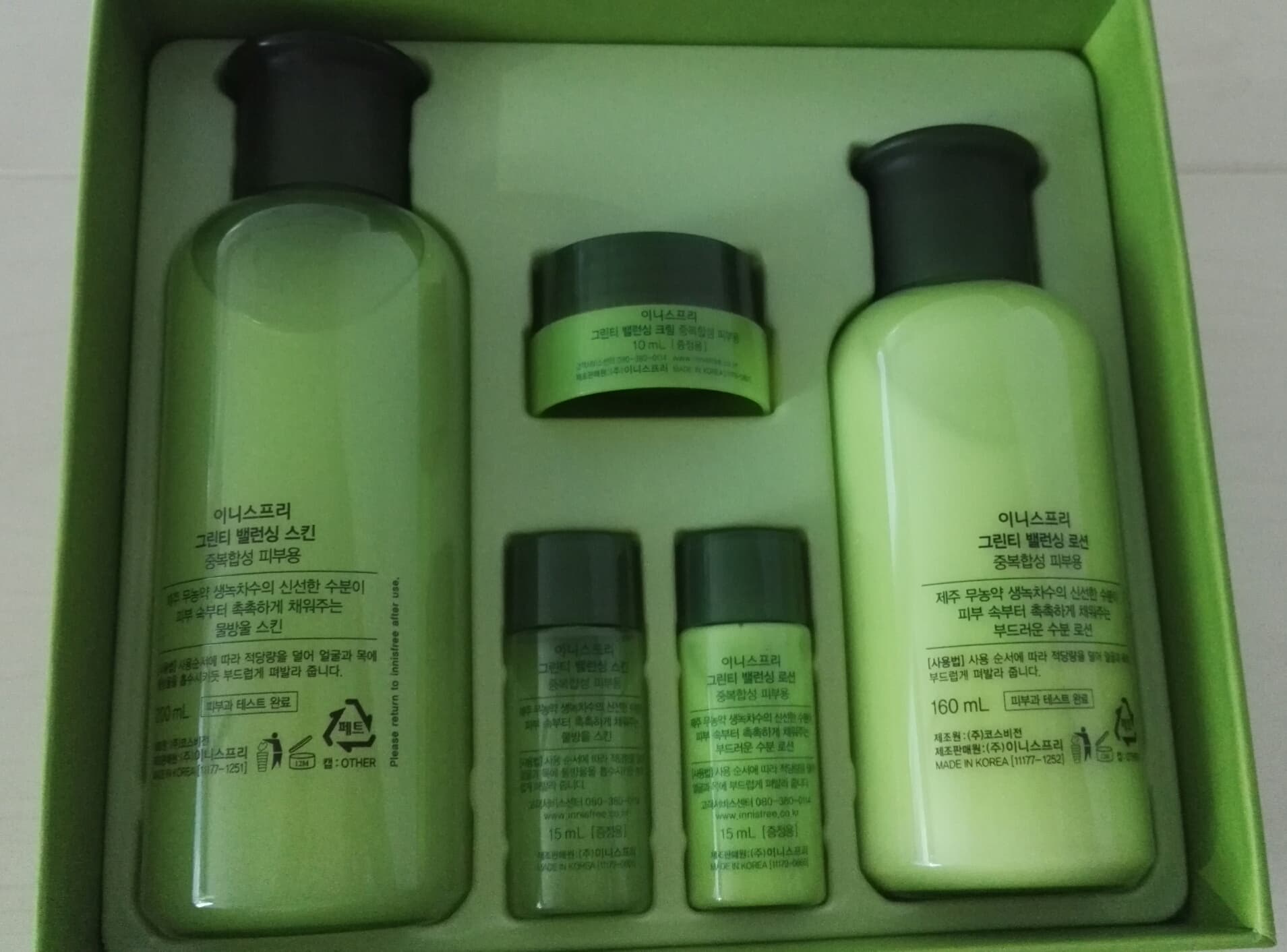
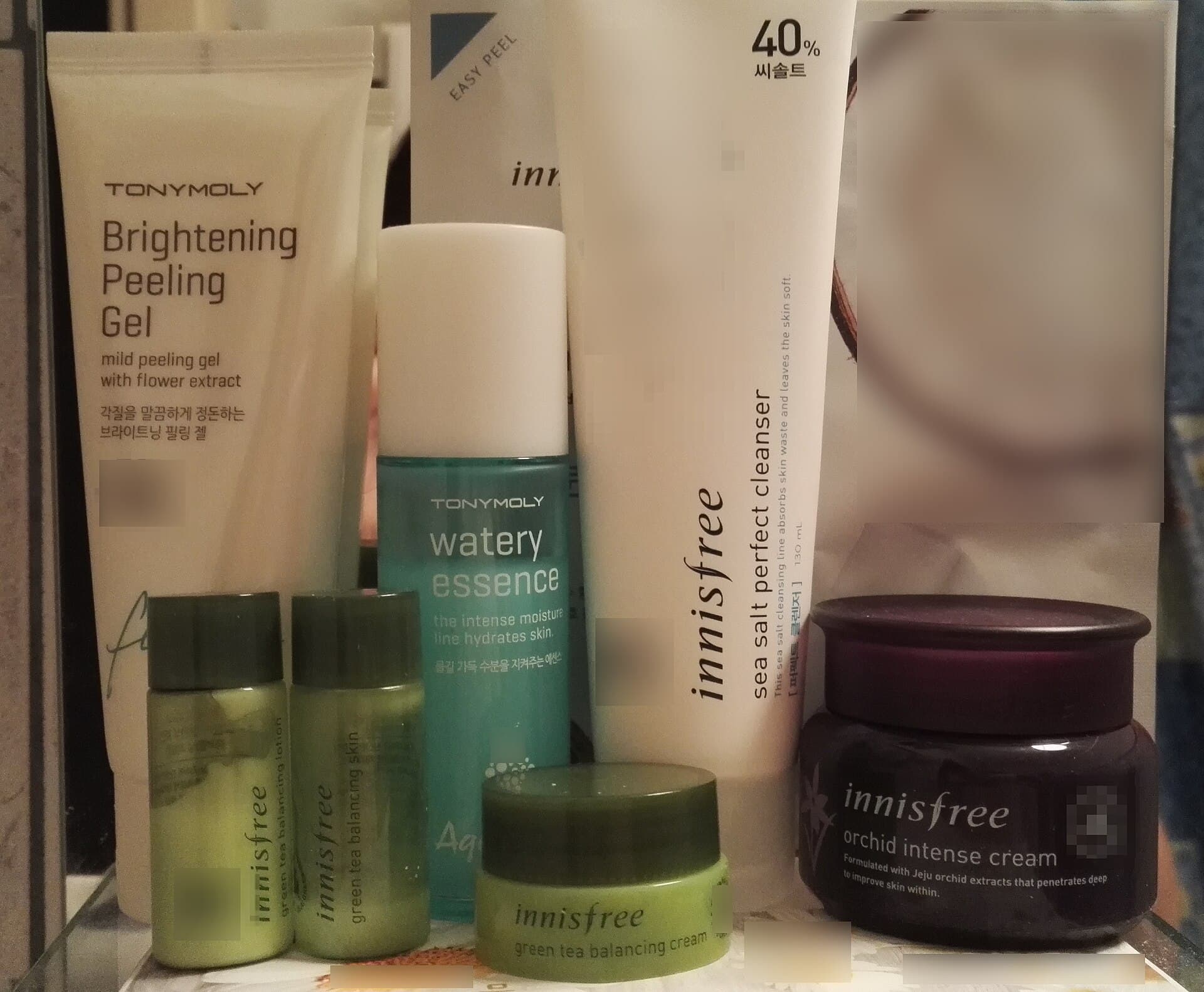
Textures vary by skin type and habit. The liquid cleansing oil, the most common, suits most faces. The , solid in its jar, melts on contact with the warmth of the fingers and offers a richer massage, prized by dry skin or by those wearing stubborn makeup. The cleansing milk and the so-called "micellar" cleansing water are lighter variants, sometimes enough for lightly made-up skin. The brand Banila Co turned its Clean It Zero balm, launched in 2010, into one of the global symbols of this category; Heimish and its All Clean Balm followed.
For the second cleanser, Korea favors low-pH formulas, close to the skin's natural pH (around 5.5), where many Western soaps peak above 9 and attack the hydrolipidic barrier. You encounter several families: transparent gels for combination to oily skin, airy foams, creamy milks for dry skin, and the famous enzyme powders, a dry cleanser that foams on contact with water and gently exfoliates thanks to enzymes such as papain. The Japanese facial ritual rests on a similar logic, but Korea made it a mass-market standard, available at every price and sold even in convenience stores open through the night.
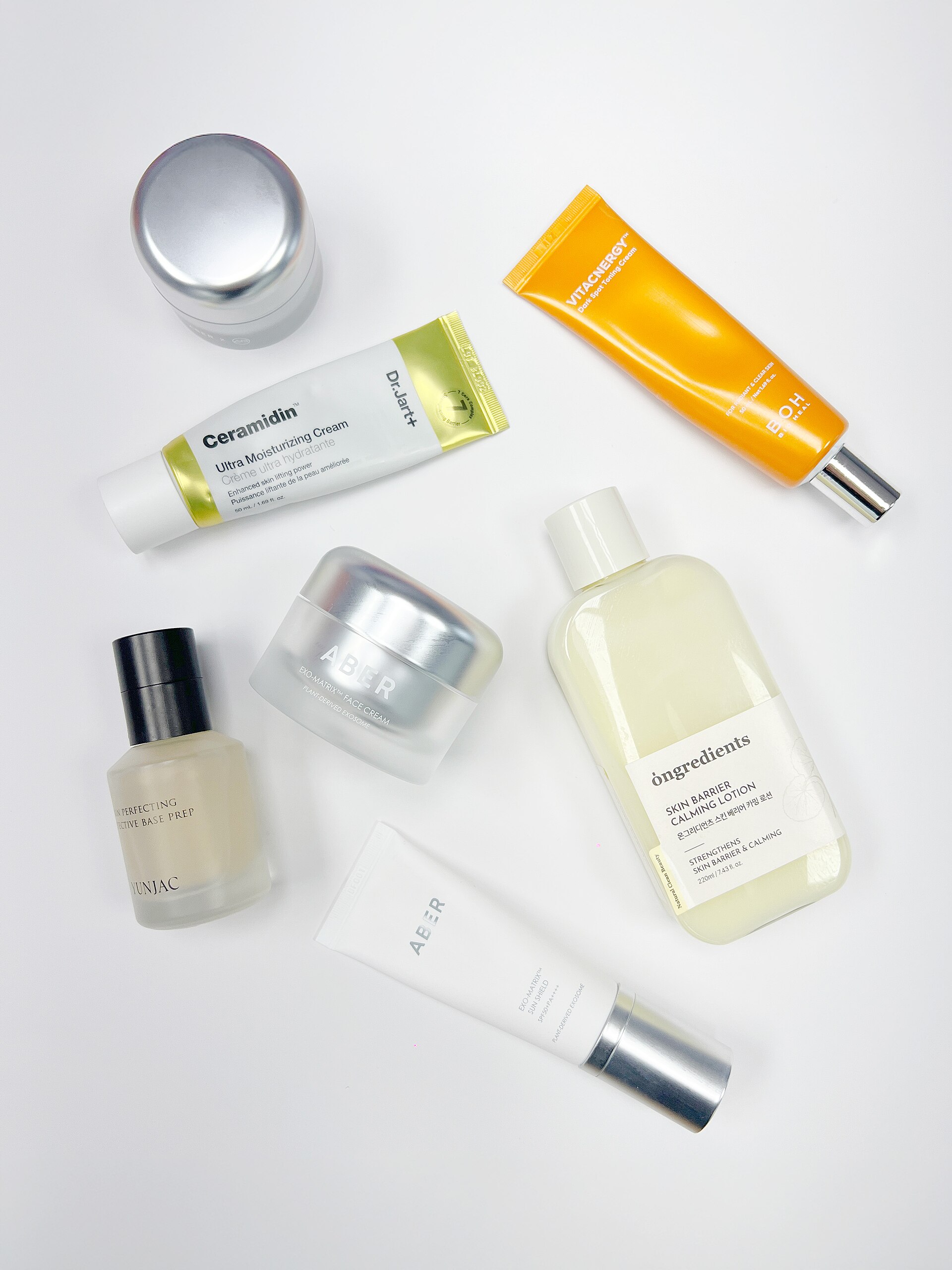
The most common mistakes have less to do with product choice than with execution. Applying the oil to already-wet skin cancels its effectiveness. Using water that is too hot dilates the vessels and dehydrates. Rubbing with a rough towel instead of patting mistreats the skin barrier. And above all, double cleansing is not mandatory morning and night: in the evening it is justified to remove accumulated sunscreen and pollution; in the morning, a simple rinse with water or a single gentle cleanser suffices for most skin, since overzealous washing weakens the protective film built up overnight.
The oil cleanser (오일 클렌징, oil keullenjing), the balm (클렌징 밤, keullenjing bam), and the essence (에센스, essenseu, a light hydrating treatment) are not only gestures: they are words of everyday Korean. Learn them in context, through spaced repetition, with KoreanSRS, and read a cosmetics label like a native.
The Essence: A Liquid That Is Neither Toner Nor Serum#
The is the most misunderstood product in the Korean routine, because it occupies a blurry territory between several neighboring categories. A simple definition: it is a watery, light, and highly hydrating treatment, applied right after cleansing and any toner, whose function is to prepare and deeply hydrate the skin so that everything that follows penetrates better. Neither quite a toner nor quite a serum, the essence is the hydrating heart of the routine.
| Product | Korean term | Place in the routine | Main role |
|---|---|---|---|
| Toner | 토너 (toneo) | Right after cleansing | Rebalances the pH, removes the last residues |
| Essence | 에센스 (essenseu) | After the toner | Hydrates deeply, prepares the skin |
| Serum | 세럼 (seoreom) | After the essence | Treats a targeted problem (spots, wrinkles) |
| Ampoule | 앰플 (aempeul) | After the serum, as a cure | The most concentrated version in actives |
To place the essence, you have to compare it to its three neighbors, often confused. The comes first after cleansing: a fluid liquid, it rebalances the skin's pH and removes the last residues. The and the come after the essence: more concentrated in targeted actives (vitamin C, retinol, niacinamide), they treat a specific problem, the ampoule generally being the most concentrated and most expensive version, sold in small bottles. The essence sits between the toner and the serum: less rich in actives than a serum, more substantial than a toner, it is the hydrating bridge that links cleansing to treatment.
The boundary stays porous, and marketing deliberately muddies the cards: some brands call "essence" what others name "hydrating toner" or "light serum." The practical rule lies in texture and placement: the more fluid and hydrating the product, the earlier it is applied; the more concentrated and treating, the later. You always proceed from lightest to heaviest, a layering logic (레이어링, leieoring, "layering") that structures the whole routine.
The toner rebalances, the essence hydrates, the serum treats, the cream seals. Four verbs, one face: the Korean routine is a conjugation.
The Japanese and Korean word "essence" comes from Western cosmetic vocabulary, but the application gesture sets it radically apart: in Korea, you don't spread it with a cotton pad, you pat it (톡톡, toktok, an onomatopoeia for patting) with bare hands to make it penetrate through the warmth of the fingers, a gesture that has become the visual signature of beauty tutorials.
The First Treatment Essences and the Legend of the Ferment#
The queen category of essences bears an English name: first treatment essences, applied right after cleansing as the first treatment. Their history begins not in Korea but in Japan, in the 1970s and 1980s, around a fermented ingredient that would become mythical: galactomyces, a ferment derived from yeast.
The founding legend, often repeated by the industry, holds that researchers noticed that workers at a Japanese sake brewery, despite faces wrinkled by age, kept astonishingly soft and young hands, the hands that plunged each day into the fermenting mash. The observation, unverifiable in detail and probably embellished, is said to have steered research toward the byproducts of fermentation. In 1980, the Japanese brand SK-II launched its Facial Treatment Essence, based on Pitera, a galactomyces ferment filtrate. The product, long confidential and costly, became a global skincare icon.
Korea seized the concept and democratized it with a particular genius for value. Korean brands multiplied the : galactomyces, but also rice, soy, and green-tea ferments. Missha, with its Time Revolution The First Treatment Essence launched in 2009, turned it into an affordable bestseller openly presented as an alternative to SK-II. COSRX and its Galactomyces 95 Essence pushed filtrate concentration to claimed levels of 95%. Fermentation, technically, breaks down an active's molecules into smaller fragments, reputed to be better tolerated and more assimilable by the skin, while generating amino acids, vitamins, and antioxidants.
means "fermentation." The process, central to Korean cuisine (kimchi, doenjang, gochujang), also irrigates cosmetics: Korea transposed to the face a millennia-old know-how of transformation by microorganisms.
This fermented heritage links Korean beauty to an entire food culture founded on fermentation. The same patient gesture that turns cabbage into kimchi turns yeast into essence: in both cases, microorganisms are entrusted with the task of refining a raw material. It is no accident that Korea, more than any other country, made ferment a first-rank cosmetic argument.
Read alsoThe jjimjilbang: the Korean sauna that never sleepsBefore the essence, there is the whole body: the Korean public bath, its vigorous scrubs and its culture of clean skin extend the same meticulous care.
The 7 Skin Method and the Beloved Ingredients#
Among the techniques born around essences and hydrating toners, the most spectacular bears the name . The word skin (스킨, seukin) refers in Korean to what the West calls a toner or hydrating lotion; "7 skin" therefore literally means applying seven thin successive layers of this lotion. The principle: instead of a single generous application, you superimpose very thin films, patting each until it absorbs before the next, to saturate the skin with hydration without ever overloading it.
The goal is glass skin: skin so plumped with water that it becomes translucent and reflective, like glass. In practice, few people go all the way to seven layers daily; three to five suffice, and you adapt according to the season and skin type. The method illustrates a central philosophy of Korean skincare: hydration comes before everything, and well-hydrated skin resolves, or eases, a good portion of the problems the West tries to treat with aggressive actives.
Korean essences draw part of their reputation from a handful of ingredients that have become emblematic, each carrying a promise and often a story.
Snail Mucin#
is probably the most surprising Korean ingredient for a newcomer. Rich in hyaluronic acid, glycoproteins, and allantoin, it is reputed to hydrate, soothe, and support skin repair. COSRX made it its signature with the Advanced Snail 96 Mucin Power Essence, whose name announces a 96% filtrate concentration, a product that became a cult item far beyond Korea.
Centella Asiatica#
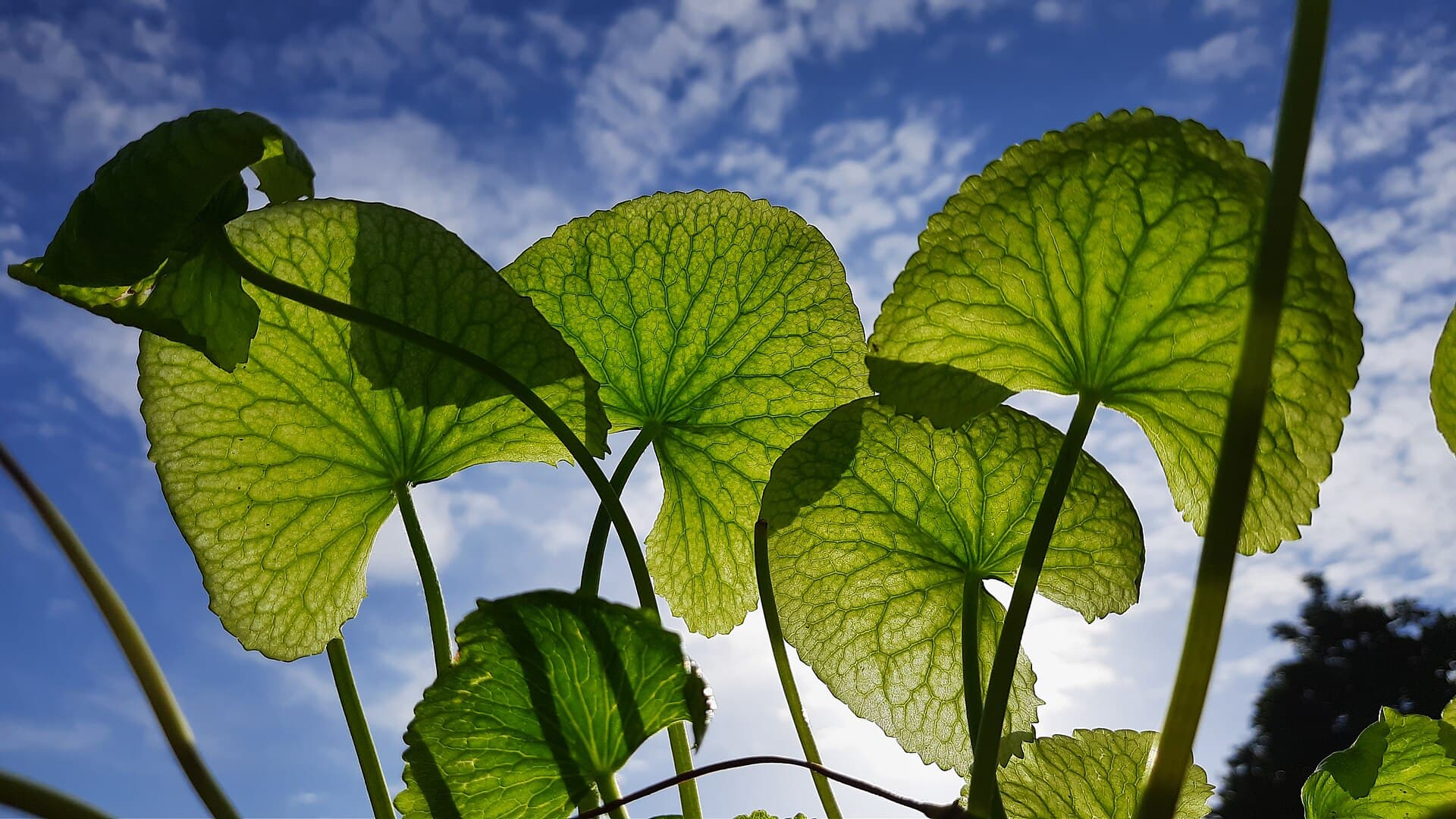
, a herbaceous plant also called cica, is the soothing ingredient par excellence. Its compounds, madecassoside and asiaticoside in particular, calm redness and reinforce the skin barrier. The Cica ranges have flooded the market for sensitive and reactive skin; the term cica, a contraction of cicatrisant (healing), has become an international password for reparative care.
Ginseng and Propolis#
, an emblematic root of the Korean pharmacopoeia for centuries, appears in so-called anti-aging essences, where it is credited with revitalizing and firming virtues. The house of Sulwhasoo, the luxury brand of the Amorepacific group, made it the heart of its high-end formulas inspired by traditional medicine. , a resin produced by bees, goes into nourishing and soothing essences prized in winter, often paired with honey.
Snail slime, marsh herb, ginseng root, bee resin: the Korean essence draws on a bestiary and an herbarium that bewilder the West, yet each element answers a logic of hydration and repair.
You have to keep a cool head in the face of these promises. The advertised concentrations (95%, 96%) designate the share of filtrate in the formula, not a proven effectiveness proportional to it. Most of these ingredients are well tolerated and pleasant, but Korean marketing excels at turning a technical figure into a spectacular argument. An essence replaces neither dermatological treatment nor sun protection, which remains, by the unanimous opinion of dermatologists, the most effective anti-aging gesture.
Want to decipher these labels in hangeul (에센스, 발효, 병풀)? Learn the vocabulary of everyday Korean with KoreanSRS (koreansrs.com), coming soon: sign up for the waitlist.
Two Gestures, One Philosophy of the Skin#
Double cleansing and the essence, together, say something broader than mere hygiene: they express a patient, preventive relationship to the body, inherited from a culture where self-care is thought of over the long term. Where the Western tradition long sought to correct the skin (to scrub, to tighten, to fight oil), Korea seeks first not to damage it, then to gorge it with water. Cleaning without stripping, hydrating in layers, repairing rather than attacking: the logic is gentle, cumulative, almost agricultural.
Read alsoAsian Nail Art: The Manicure as a Fine ArtKorean care does not stop at the face: manicure and nail art, between Seoul and Tokyo, belong to the same aesthetic of careful detail.
This approach conquered the world because it answered a weariness. After decades of stripping products and miracle promises, the Korean idea of skin that you spare and nourish patiently seduced far beyond Seoul. Double cleansing now appears in the recommendations of Western dermatologists; the essence has spread under other names in European and American ranges. The vocabulary itself, glass skin, cica, snail mucin, double cleansing, has gone global.
What remains are the two gestures, immutable. Press an oil onto dry skin, turn it to milk, rinse, wash again. Then pat an almost invisible liquid onto still-damp skin, and begin again, layer after layer. You can add eight products to this or add none: the heart of Korean skincare already beats there, in these two hands that take the time to prepare skin before nourishing it. Luxury, here, is not in the bottle: it is in the minute you grant your own face.
FAQ#
Do you really need to wash your face twice? In the evening, yes, if you wear sunscreen or makeup: the oil removes what resists water, the watery cleanser does the rest. In the morning, a single gentle cleanser, or even a simple rinse with water, suffices for most skin; a morning double cleanse risks drying it out.
What is the difference between an essence and a serum? The essence is more fluid, more hydrating, and less concentrated in targeted actives; it is applied early, right after the toner, to prepare the skin. The serum, more concentrated, treats a specific problem (spots, wrinkles, blemishes) and is applied after the essence. You always go from lightest to heaviest.
Is snail mucin really effective? Snail mucus filtrate is rich in hydrating and soothing agents (hyaluronic acid, allantoin, glycoproteins) and is generally well tolerated. It hydrates and helps repair the skin barrier, but the advertised concentrations measure the share of filtrate, not a proven effectiveness. It is a good maintenance treatment, not a medicine.
What is the 7 skin method? It is the application of several very thin layers (up to seven) of hydrating toner or lotion, patted one after another, to saturate the skin with hydration and aim for the glass skin effect. In practice, three to five layers suffice, to be adjusted according to the season and skin type.
In what order should you apply cleanser, toner, and essence? Oil cleanser, then foaming cleanser, then toner (rebalances the pH), then essence (hydrates deeply), then serum or ampoule (treats), and finally moisturizer and sunscreen during the day. The order follows a simple rule: from most fluid to richest.
Photo credits: the cover image comes from Wikimedia Commons and is royalty-free.
Honey skin: the vocabulary of Korean skin finishes
Honey skin, glass skin, cloud skin, jelly skin: what each Korean skin finish actually means, where the names come from, and how the routines differ.
Cover image: Teemeah · Teemeah, via Wikimedia Commons · CC BY-SA 4.0