Oshikatsu: the Japanese culture of supporting your oshi
Oshi, oshikatsu, ita-bag, saidan, ninchi: the vocabulary and rituals of supporting an idol in Japan, and why the banks joined in.
La rédaction Kotoba Interactive
Studio éditorial
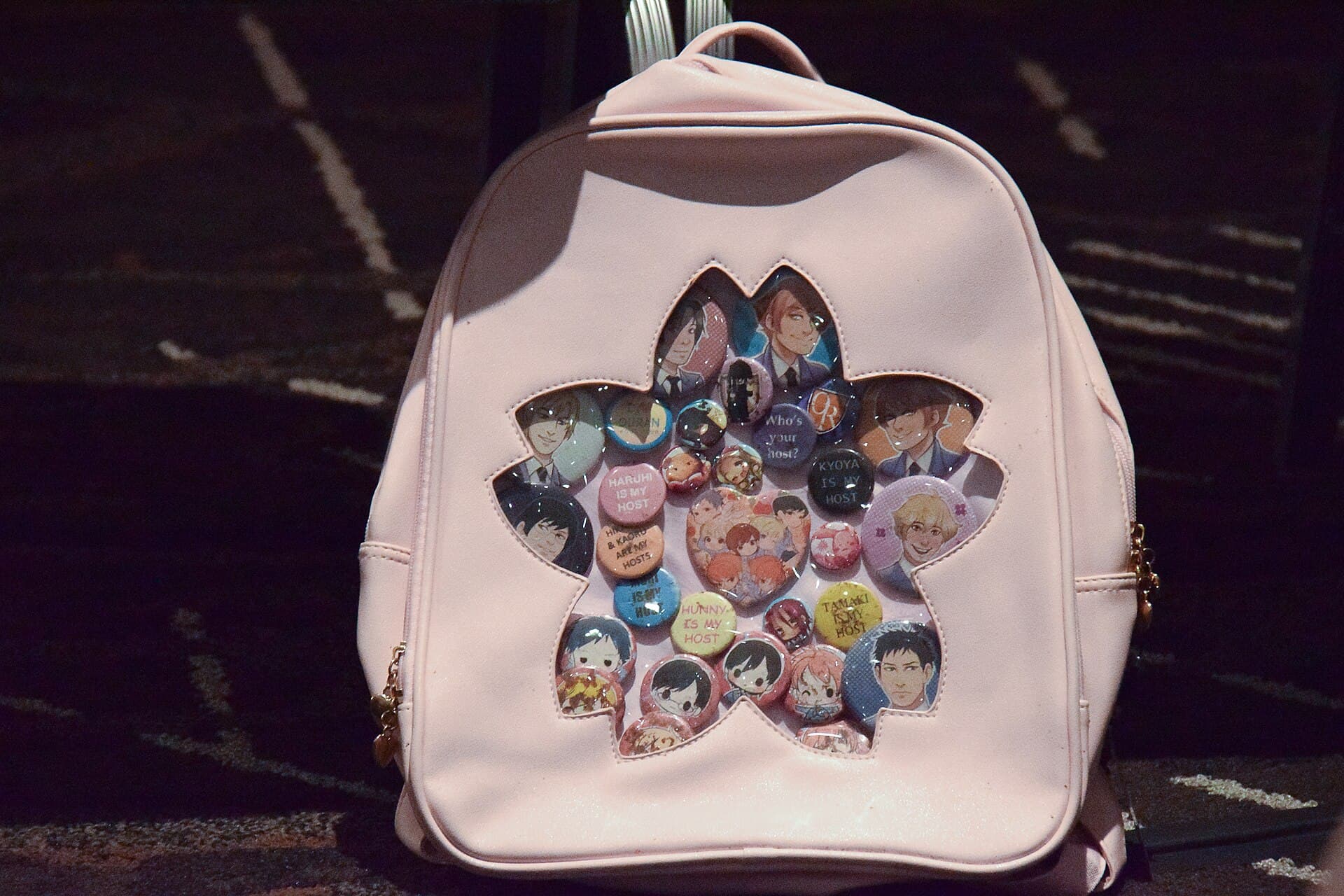
On the Tokyo subway, some handbags are entirely covered in identical badges, lined up behind a transparent plastic window. The same face, thirty times over. That bag has a name, , and its owner would tell you it is an exercise in composition, not an overflow. The ita comes from 痛い, "painful": Japanese fandom named its own excesses, with exactly the irony needed to own them.
The practice belongs to a wider whole called , literally "the activity of supporting your oshi". The word entered everyday vocabulary around 2020 and was among the nominees for Japan's new words and buzzwords award in 2021. Today it describes a budget, a calendar, a way of organising your leisure life.
Where the word "oshi" comes from#
推し (oshi) is the noun drawn from the verb 推す (osu), "to push, to recommend". An oshi is therefore, literally, the person you push. The term already circulated in the 2000s in idol fandoms as 推しメン (oshi-men), a contraction of "pushed member", meaning your favourite in a group.
Its use has long since spilled beyond that cradle. People now have an oshi in sport, in kabuki theatre, among VTubers, game characters and racehorses, and the word works without a human object: you can have an oshi among regional mascots.
comes from osu (推す), "to push forward, to recommend". The neighbouring word 一推し (ichioshi), "the first recommendation", had long existed in retail for the product a salesperson advises. Fandom simply gave it a face.
The Japanese fan's lexicon#
This vocabulary is stable, precise, and readable on social media without translation. Knowing ten of these words completely changes how a Japanese thread reads.
| Term | Reading | Meaning |
|---|---|---|
| 推し活 | oshikatsu | The whole set of support activities |
| 痛バッグ | ita-baggu | Bag covered in badges of the oshi |
| 推しカラー | oshi karā | The colour assigned to a member, worn by their fans |
| 祭壇 | saidan | The altar of goods built at home or for a photo |
| 現場 | genba | The event site, concert or meeting |
| 遠征 | ensei | Travelling out of town or abroad for a show |
| 認知 | ninchi | Being recognised by the idol, the absolute grail |
| 供給 | kyōkyū | The "supply" of content: photos, videos, announcements |
| 沼 | numa | The "swamp", the spiral you fall into |
| 担降り | tan-ori | Switching oshi, with the guilt that comes with it |
The word ninchi deserves a pause. It names the moment an idol recognises a fan, in a handshake queue or at a concert. It is not friendship, it is a status, earned through regular attendance. The entire economy of meet-and-greets rests on that promise.
The system that industrialised all this#
The turning point was 2009, when AKB48 launched its : fans voted to rank the members, and the ballot came inside the CDs. Buying the record by the dozen became a measurable act of support, published and discussed on television. The election ran every year until 2018.
The second pillar is the 握手会 (akushukai), the handshake session: one ticket, a few seconds face to face, and the chance of being recognised next time. Again, the ticket comes with the record.
That model has been copied, criticised, then partly reformed after several security incidents, but its logic remains intact: spending is not a purchase, it is a vote.
In oshikatsu you are not buying an object: you are funding a place in the ranking.
Three words are enough to read a Japanese fan thread: 推し (oshi, the person you support), 現場 (genba, the event site) and 尊い (tōtoi, "sublime", the standard exclamation). JapaneseSRS, our spaced repetition app, installs that vocabulary and the everyday Japanese that goes with it.
What a fan actually does#
Oshikatsu is practised on three planes that should not be confused.
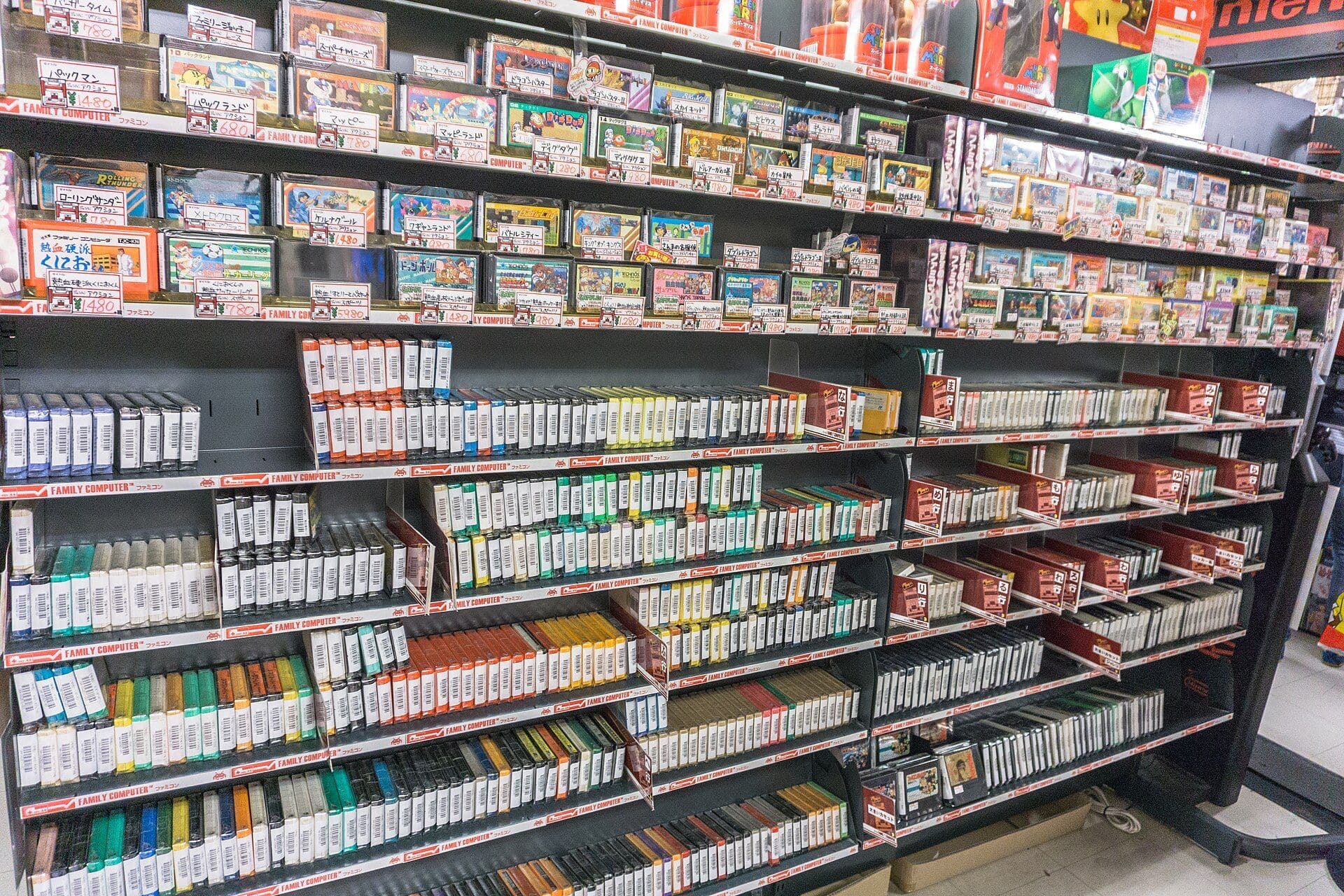
The first is collecting: official goods, photos drawn at random from blind packs, trades to complete a set. This economy of duplicates, where you buy blind and swap afterwards, is the same one that drives capsule figures.
The second is staging: the ita-bag, the saidan photographed and posted, the birthday café rented for the idol's date of birth, with decoration, themed drink and a free coaster. These cafés are booked months ahead in the Ikebukuro and Shinjuku districts.
The third is presence: concerts, tours, regional events. The word ensei, borrowed from the military and sporting vocabulary of the expedition, says plainly what it involves in trains, hotel nights and booked leave.
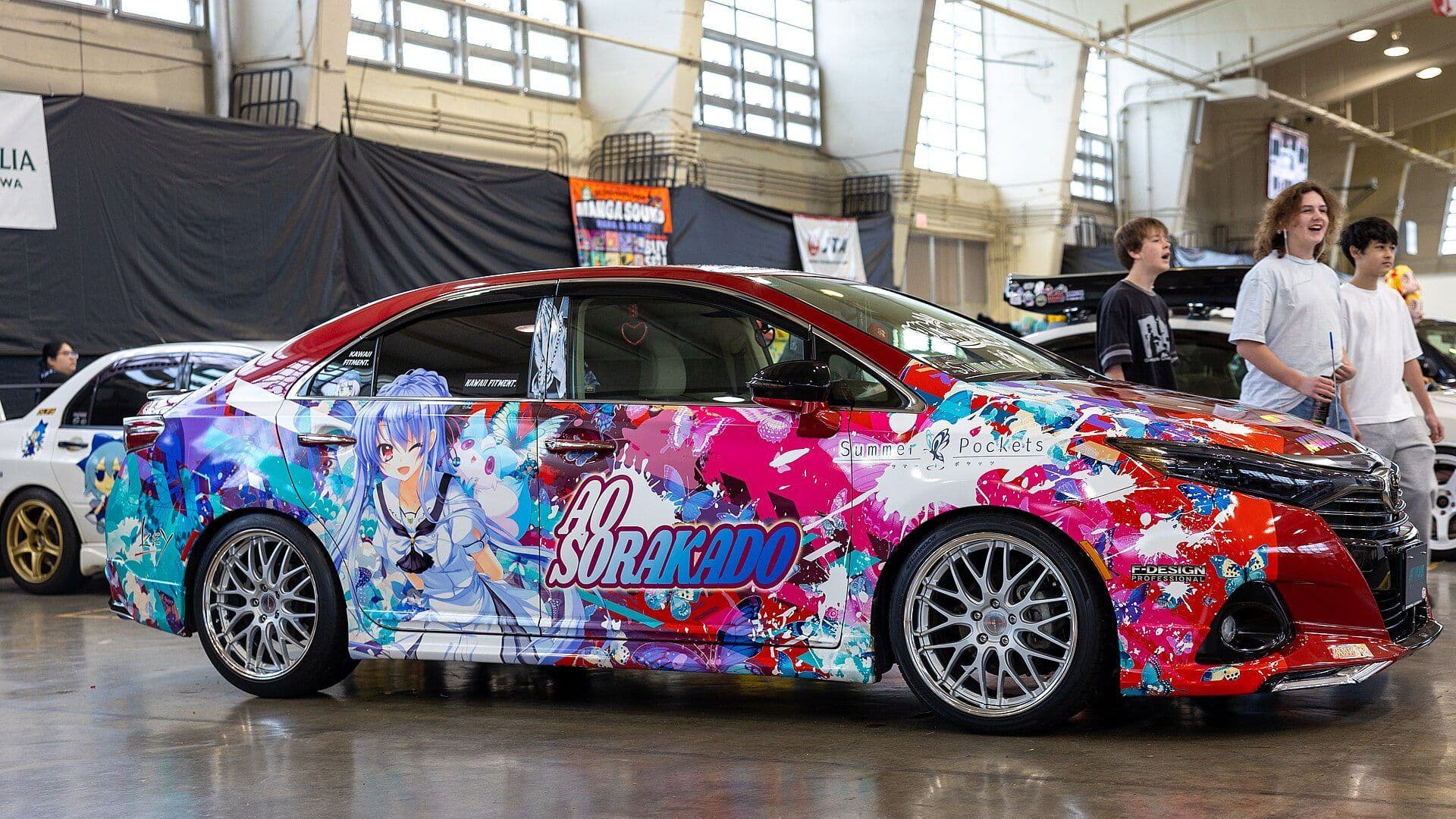
The word 痛車 (itasha), "painful car", describes a car covered in character stickers. The pun works twice: itai means "painful" in the sense of "embarrassing", but the phrase also evokes the pain in your wallet. A full wrap costs several hundred thousand yen.
When the banks join in#
From 2023, oshikatsu stopped being a subculture and became a marketing segment. The department store group converted entire floors into spaces for fandom pop-up shops, betting that a fan comes several times a month where a fashion customer comes twice a year. Regional banks launched "oshikatsu" savings accounts, travel agencies sell tour packages.
The observatory of this economy is the Yano Research Institute, which publishes an annual estimate of the otaku market broken down by segment. Its figures, quoted in the Japanese business press, put the idol segment alone in the order of several hundred billion yen, growing steadily despite the interruption of cancelled concerts in 2020 and 2021.
Fiction followed. The manga 【推しの子】 (Oshi no Ko), launched in 2020 by Aka Akasaka and Mengo Yokoyari and adapted into an animated series in 2023, put the word in front of an international audience that did not know the practice. Its title plays precisely on the term's ambiguity: "my oshi's child".
Japanese oshi, Korean bias: what differs#
The two systems resemble each other enough to be confused, and differ on one decisive point. Korean fandom organises around structured collectives that buy in bulk, fund advertising and coordinate voting; Japanese fandom stays more individual, more discreet, and stages its devotion in domestic space or on a bag rather than on a billboard in Seoul.
The vocabulary shows it. Where Korean has choeae (최애), "the most loved", Japanese has oshi, "the one I push". The first describes a feeling, the second an action.
Read alsoBias, oshi, choeae: the favourite system inside fandomsThe Korean side of the same phenomenon, with its collectives and group buys.
Where the Japanese idol system that produced this economy came from.
FAQ#
Do you have to spend a lot to do oshikatsu? No. The word covers a fan who follows free online streams as readily as a collector who travels every weekend. Japanese surveys show widely spread budgets, from a few thousand yen a month to several tens of thousands.
Does an oshi have to be a real person? No. The word applies to a fictional character, a VTuber, a regional mascot, a racehorse or a baseball player. It is a relationship of support, not a category of celebrity.
What does "ita" mean in ita-bag? 痛い (itai) means "painful", in the sense of "hard to look at". The term was coined by fans themselves, self-deprecatingly, before being reclaimed as a style name in its own right.
Is oshikatsu only for young people? No. Japanese surveys find it strongly present among people in their thirties and forties, often with larger budgets, especially around theatre, musicals and male idols.
What is the connection with Oshi no Ko? The manga and anime exported the word but do not depict ordinary practice: they tell the story of the idol industry from behind. The title plays on the double meaning of oshi, between the supported idol and the filial bond.
Photo credits: the images in this article come from Wikimedia Commons and are under free licences.
In this article
The cultural terms covered here, each with a short definition.
Bias, oshi, choeae: the favourite system inside fandoms
Bias, bias wrecker, ultimate bias, oshi, choeae, weifen: how Asian fandoms turned picking a favourite into an institution, a vocabulary and an economy.
Cover image: U.S. Marine Corps photo by Lance Cpl. Eadan Avramidis · U.S. Marine Corps, photo de Lance Cpl. Eadan Avramidis, via Wikimedia Commons · Domaine public