The magazine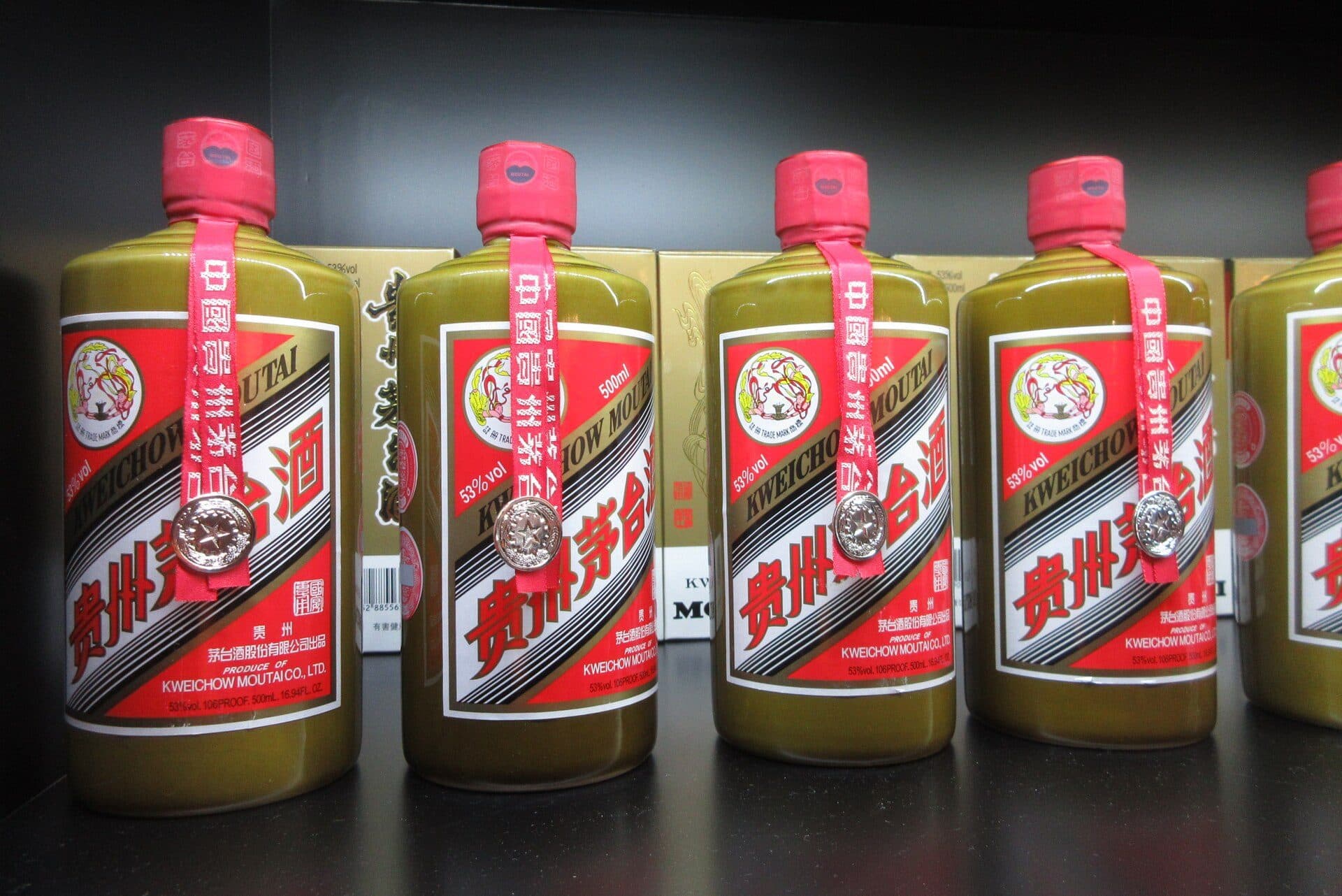 ArticleMoutai: The Chinese Spirit That Trades Like a Blue ChipMoutai (茅台), the baijiu of Guizhou: its twelve-month production cycle, its diplomatic role, its Shanghai listing, and why a…
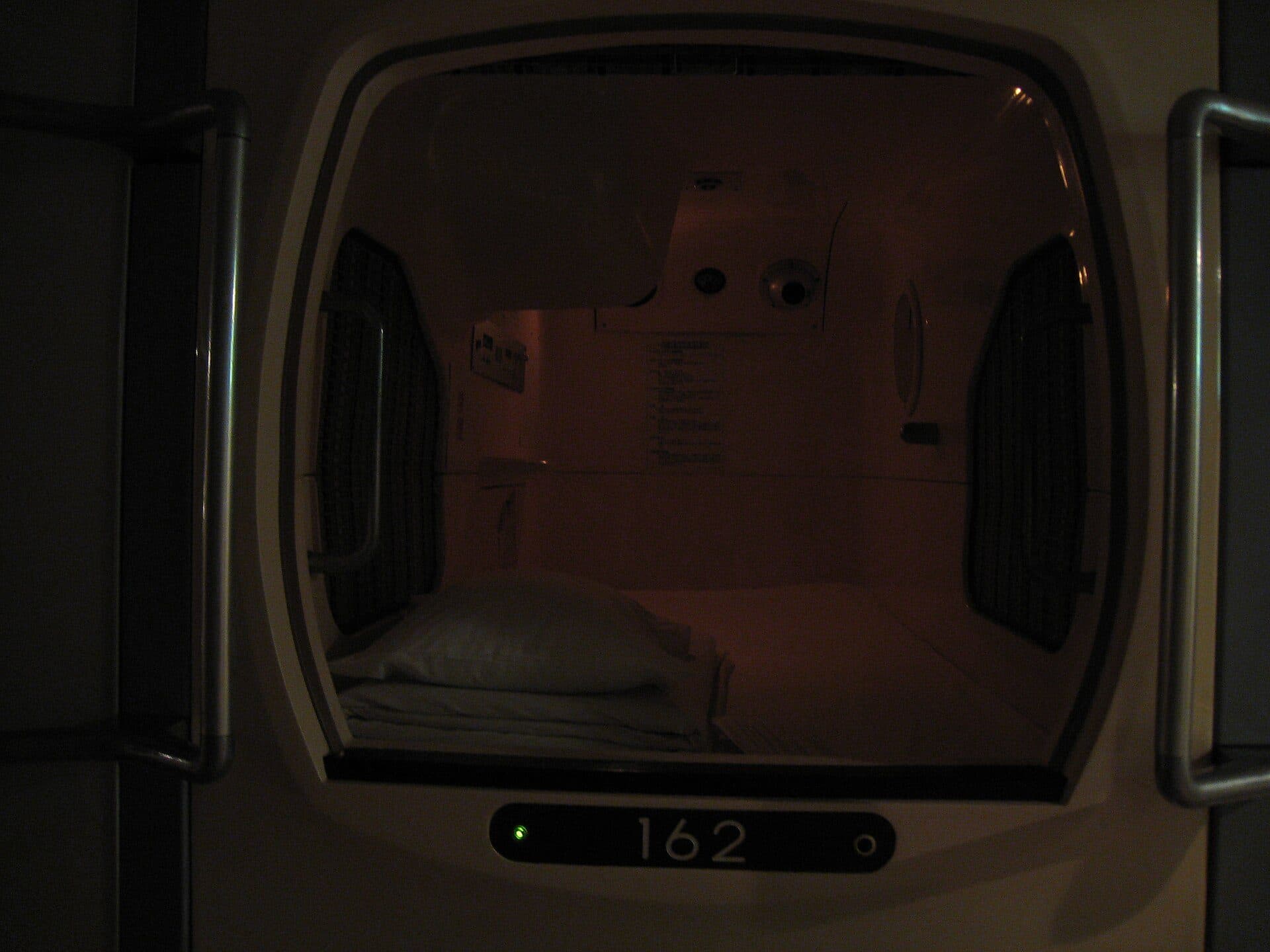 ArticleCapsule Hotels: Born in Osaka in 1979, Designed by KurokawaThe Japanese capsule hotel: the first one opened in Osaka in 1979 by architect Kisho Kurokawa, the regulated dimensions,…
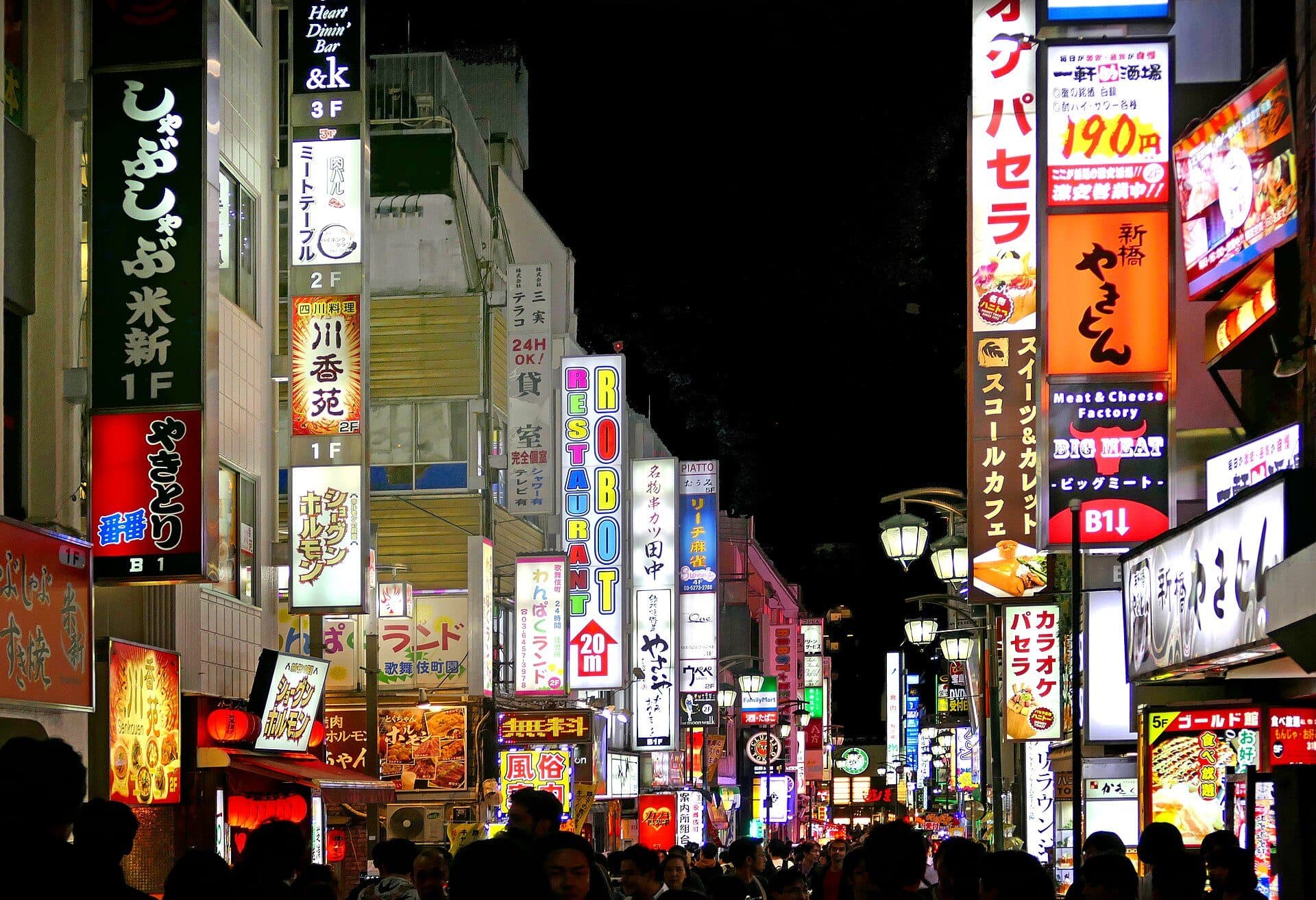 ArticleKabukichō Host Clubs: The Job, the Rankings, the TabJapanese host clubs: how a Kabukichō club works, the shimei system, the champagne call, the sales rankings, and the 2025 law that…
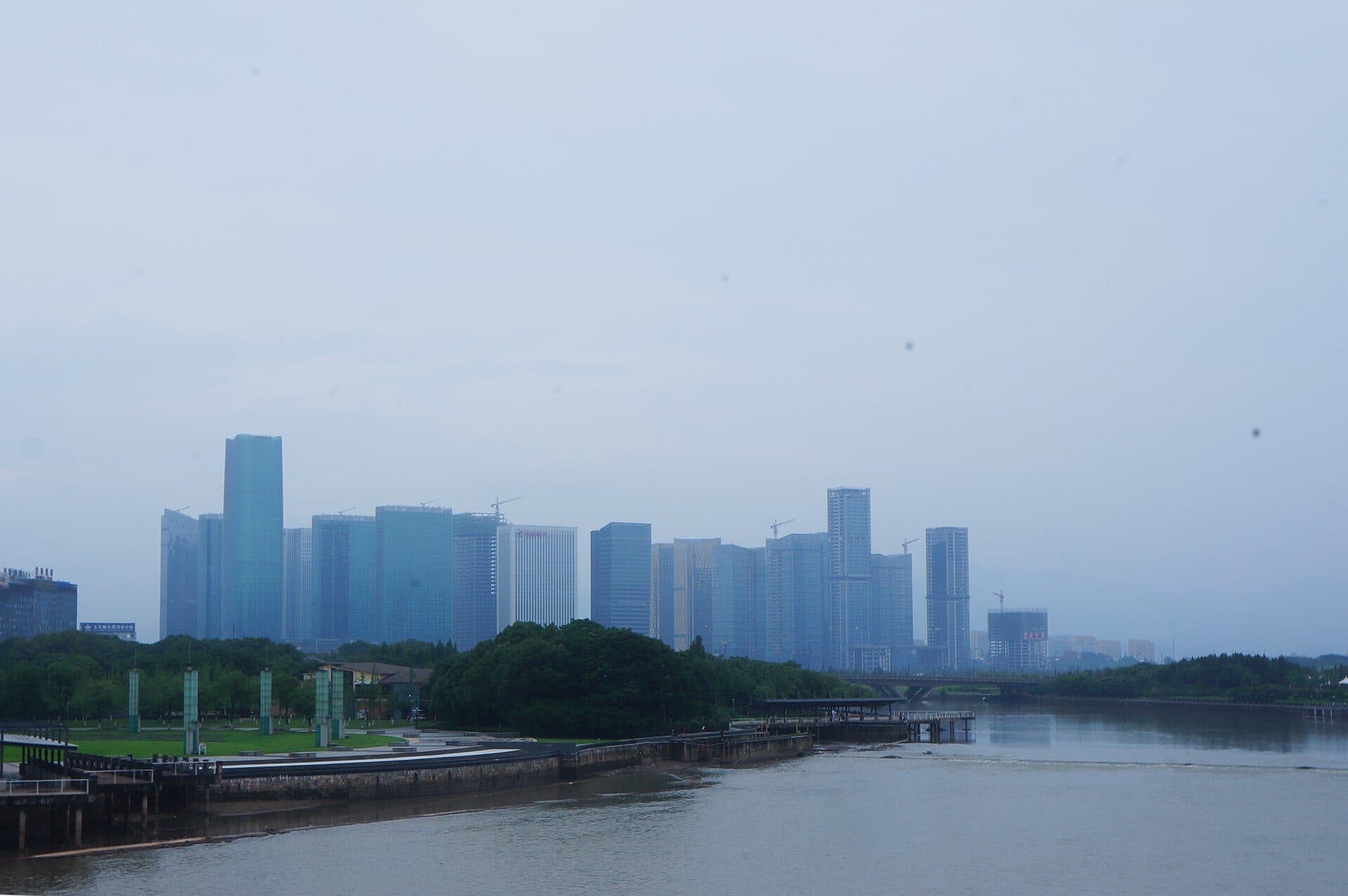 ArticleTaobao Villages: Whole Towns Living Off an Online ShopTaobao villages (淘宝村): how Chinese villages specialised in online selling, the official definition, the case of Dongfeng, and the…
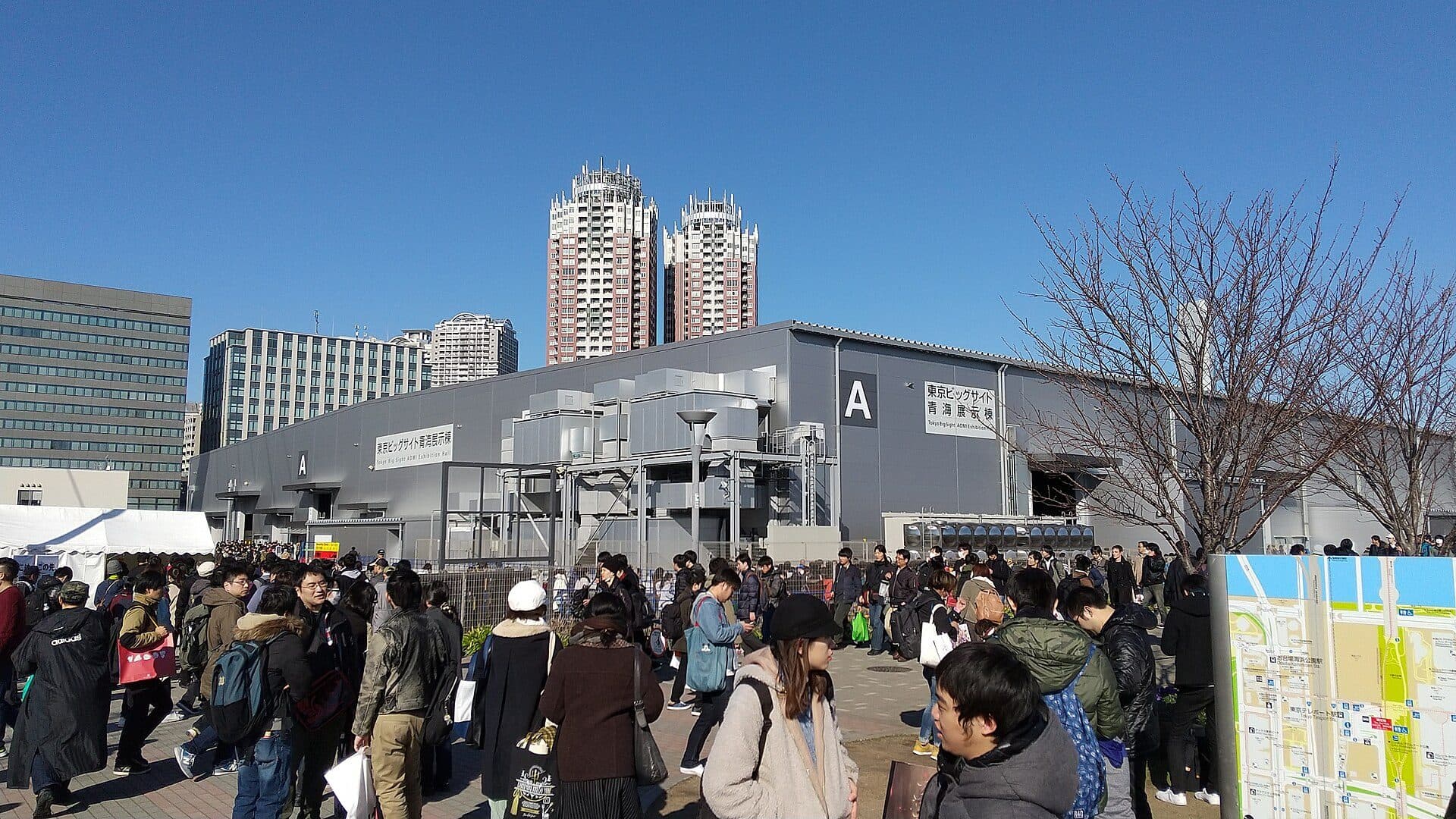 ArticleComiket: The World's Largest Fanzine FairComiket (コミックマーケット): 32 tables in 1975, 35,000 today. The history of Tokyo's dōjinshi fair, how it runs, its legal grey zone and…
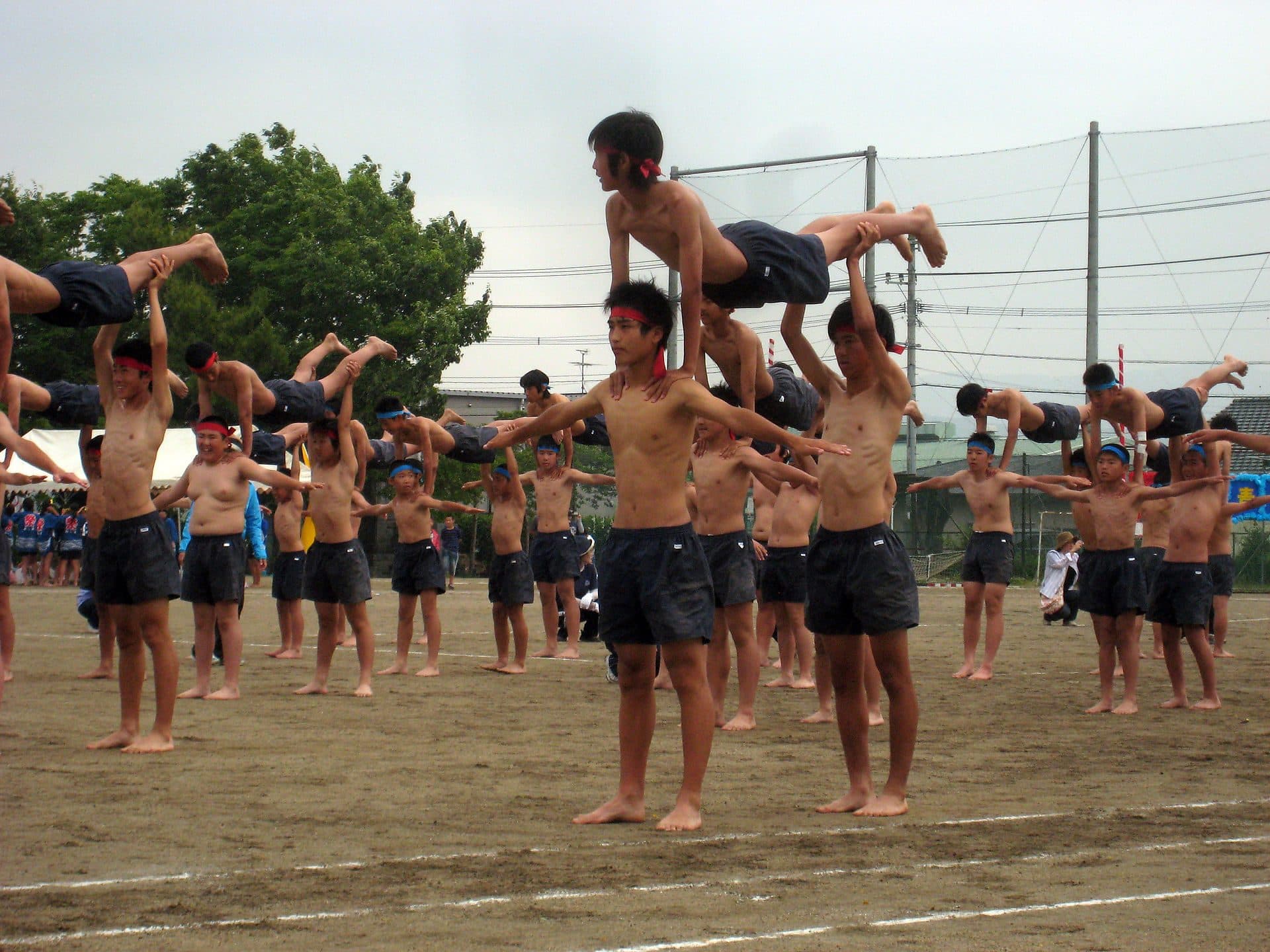 ArticleUndōkai: The Sports Day of Japanese SchoolsUndōkai (運動会), the Japanese school sports day: its 1874 naval origins, its team events, the human pyramid controversy, and why it…
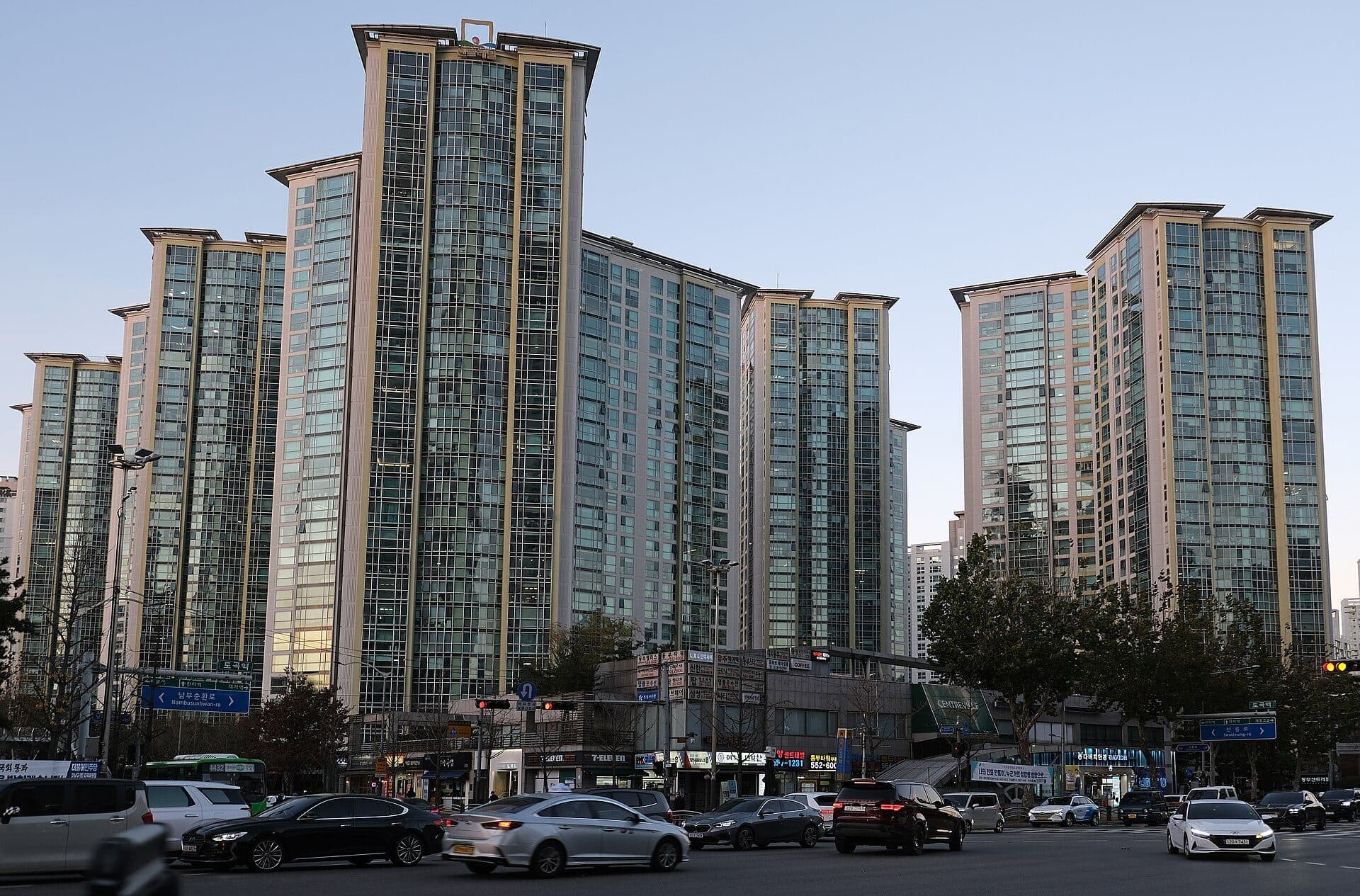 ArticleJeonse: The Giant Deposit That Holds Up Korean HousingJeonse (전세): handing over 60% of a property's value and paying no rent. How this uniquely Korean system works, why it produced…
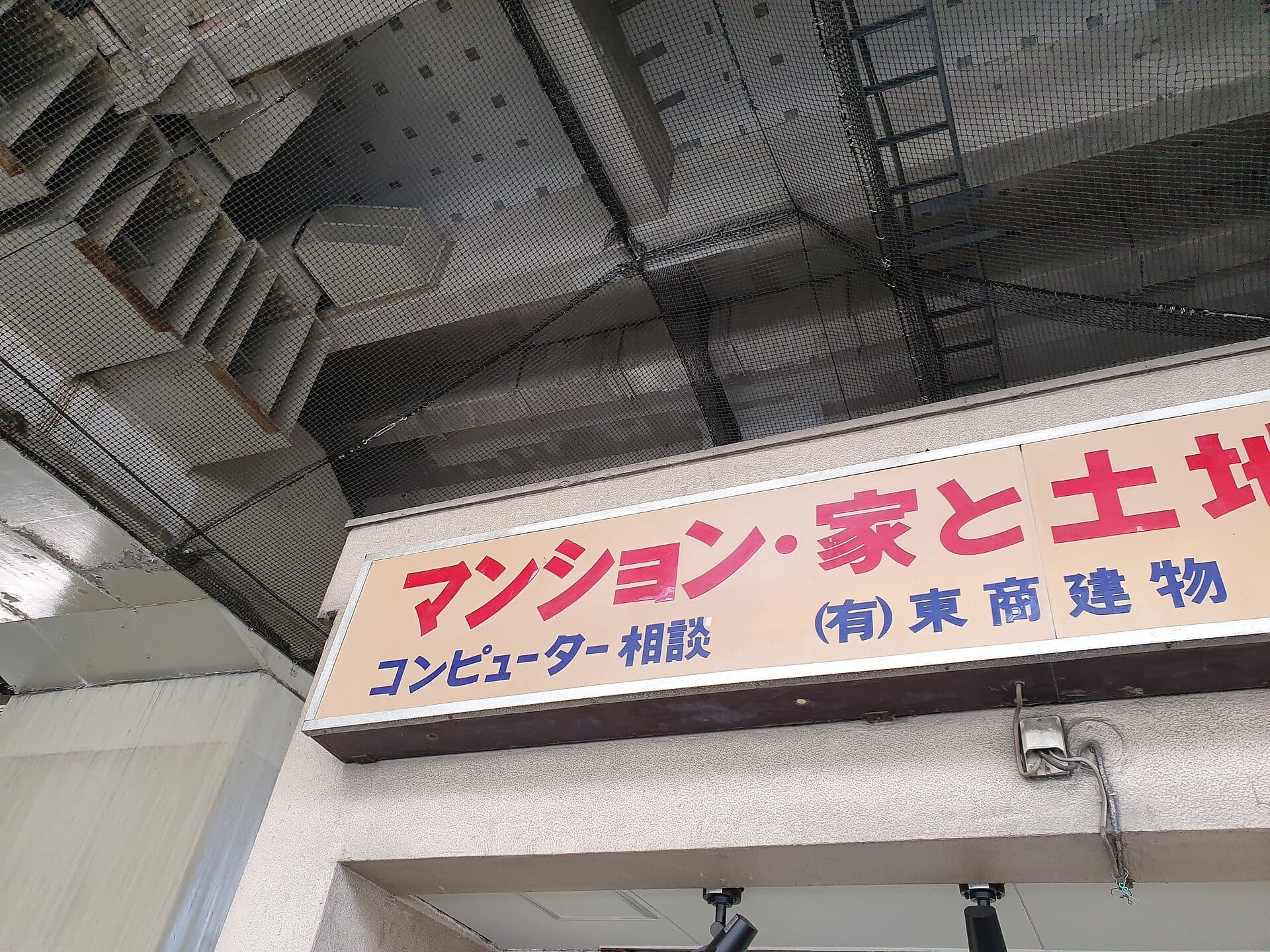 ArticleReikin and Shikikin: What a Japanese Lease Really CostsReikin (礼金) and shikikin (敷金): Japan's key money and rental deposit. The full move-in bill, renewal fees, restoration rules and…
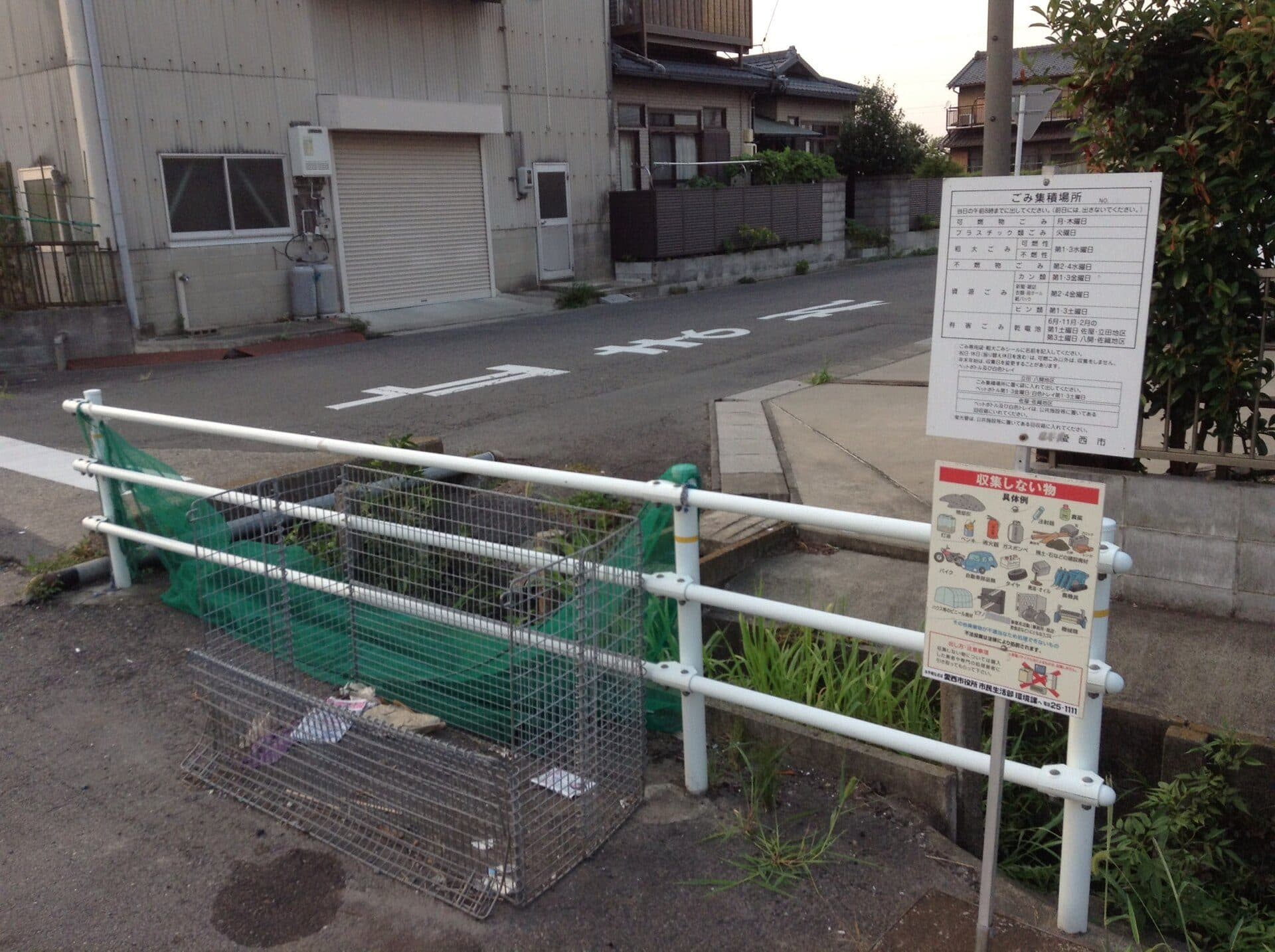 ArticleSorting Rubbish in Japan: Up to 45 CategoriesJapanese waste sorting: rules set town by town, the village of Kamikatsu and its 45 categories, paid collection for bulky waste,…
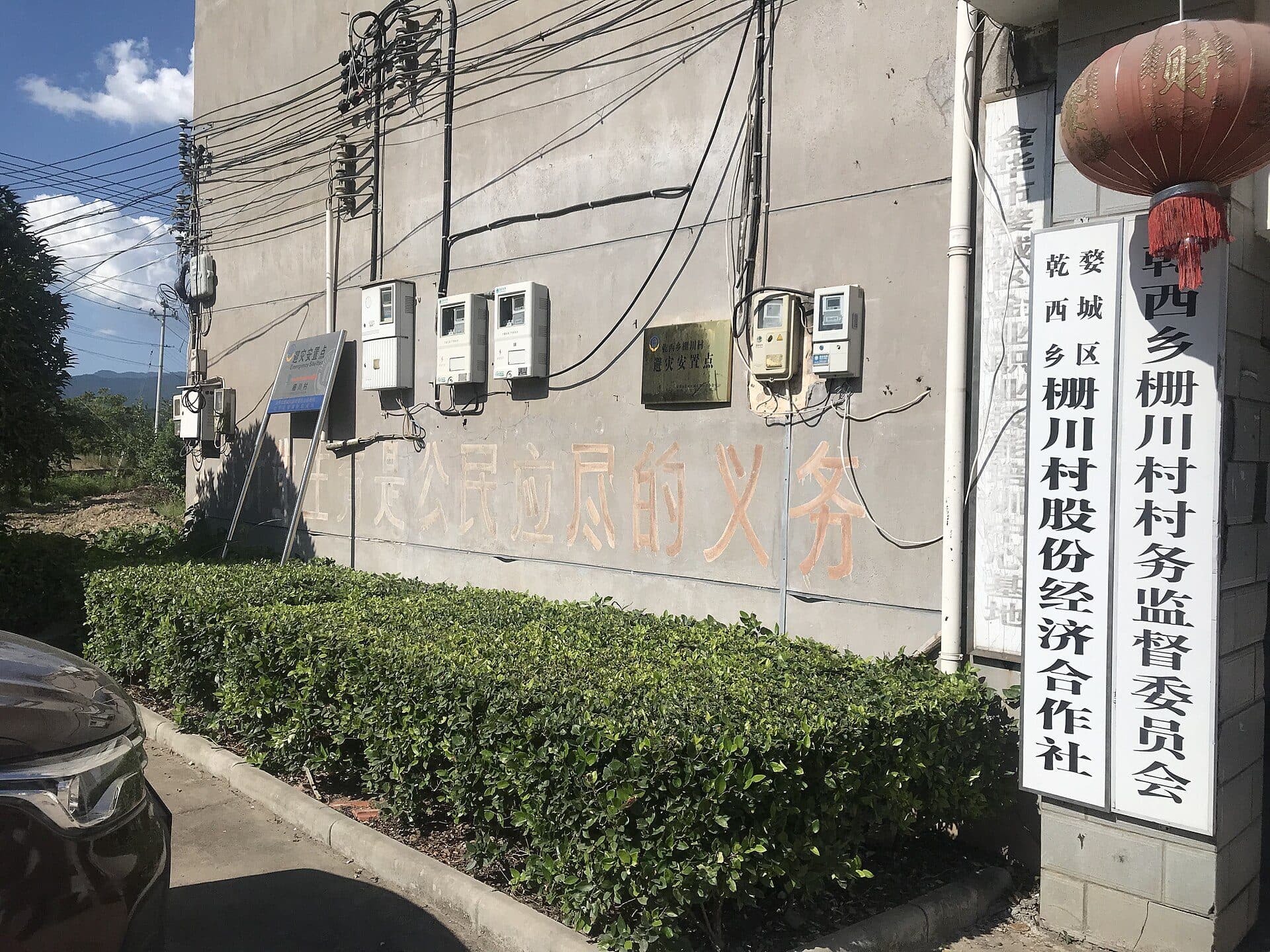 ArticleChina's One-Child Policy: 1980-2015, and AfterChina's one-child policy: what it actually prohibited, its rural exceptions, the birth sex imbalance, the children without…
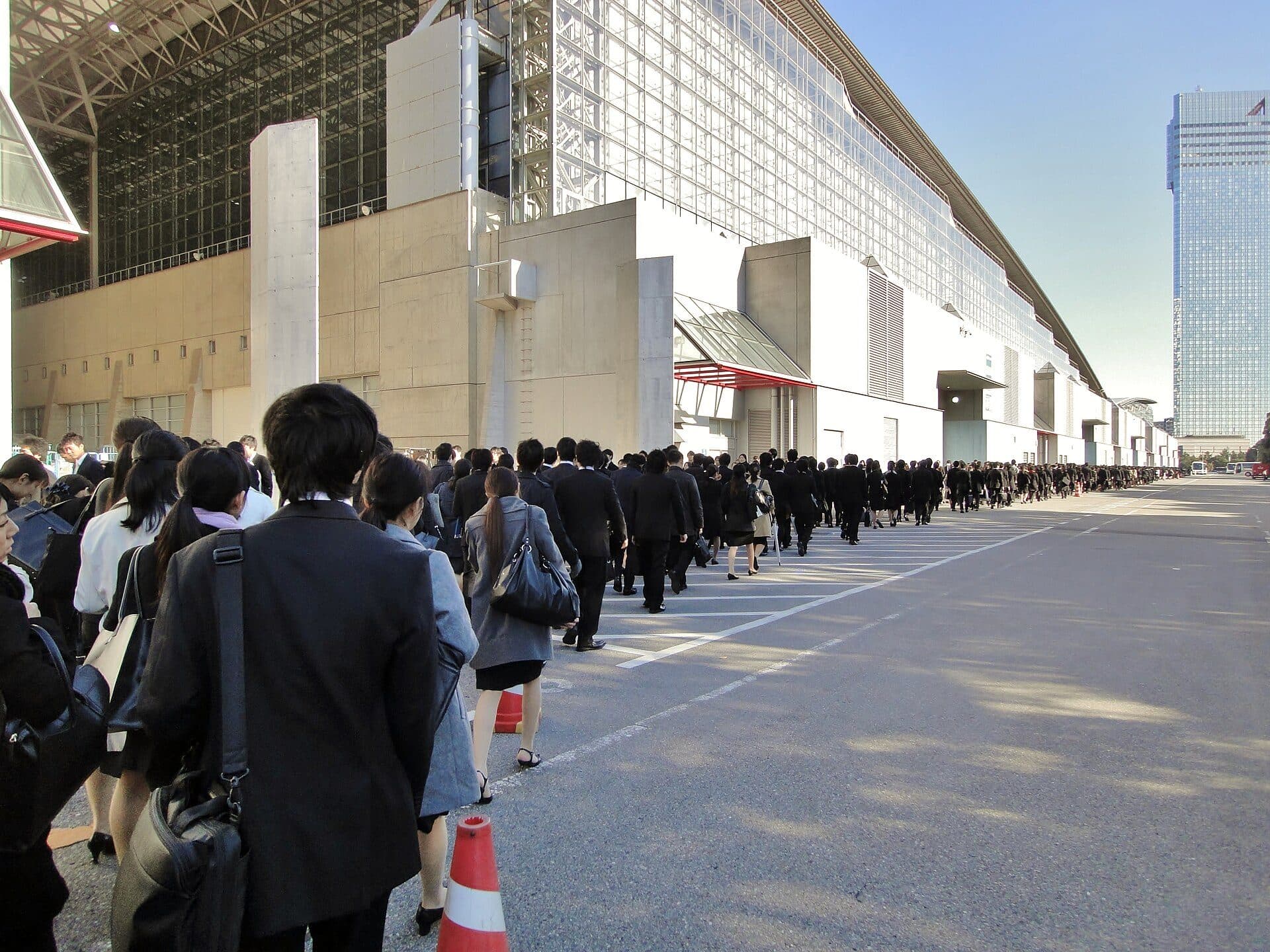 ArticleShūkatsu: Japan's Job Hunt, in a Black SuitShūkatsu (就活), the Japanese student job hunt: the official calendar, the recruit suit, the legal weight of a naitei, the entry…
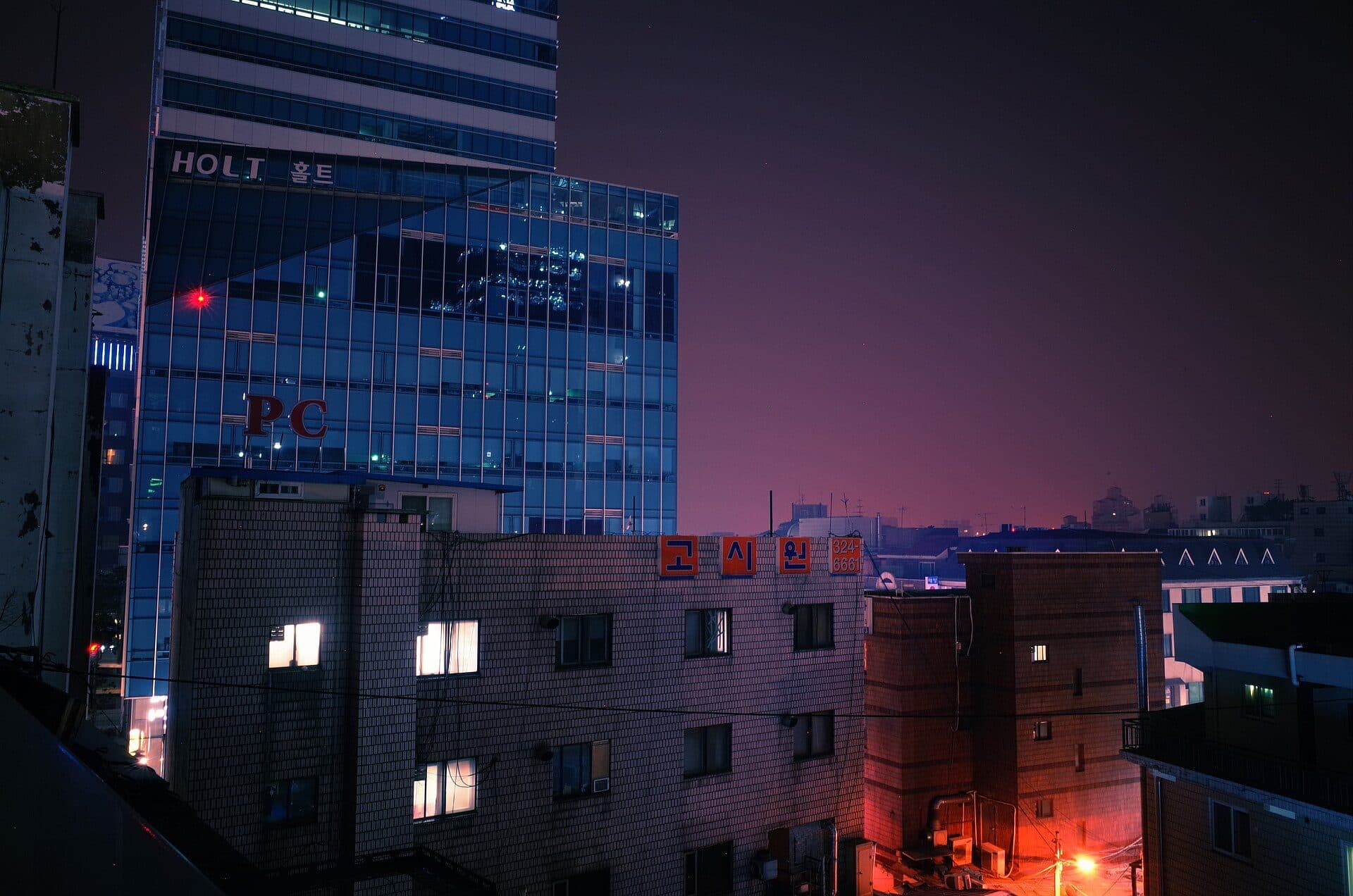 ArticleGosiwon: The Korean Room You Rent Without a DepositGosiwon (고시원), Korea's tiny room, born for candidates sitting state exams: its floor area, its lack of a deposit, the 2018 fire…
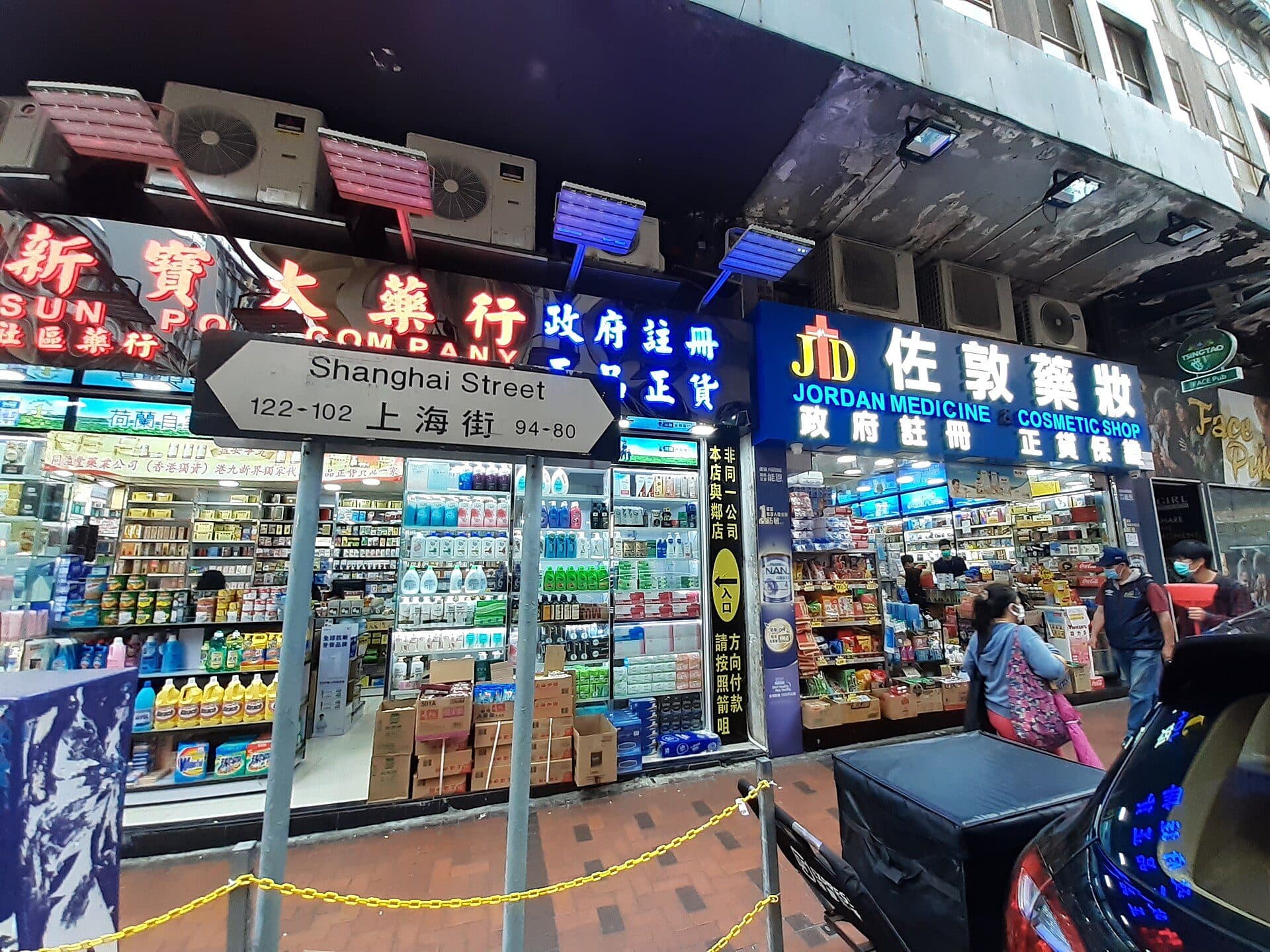 ArticleDaigou: The Personal Shoppers Who Emptied the PharmaciesDaigou (代购), China's overseas personal shoppers: why they exist, how infant formula came to be rationed in Hong Kong and…
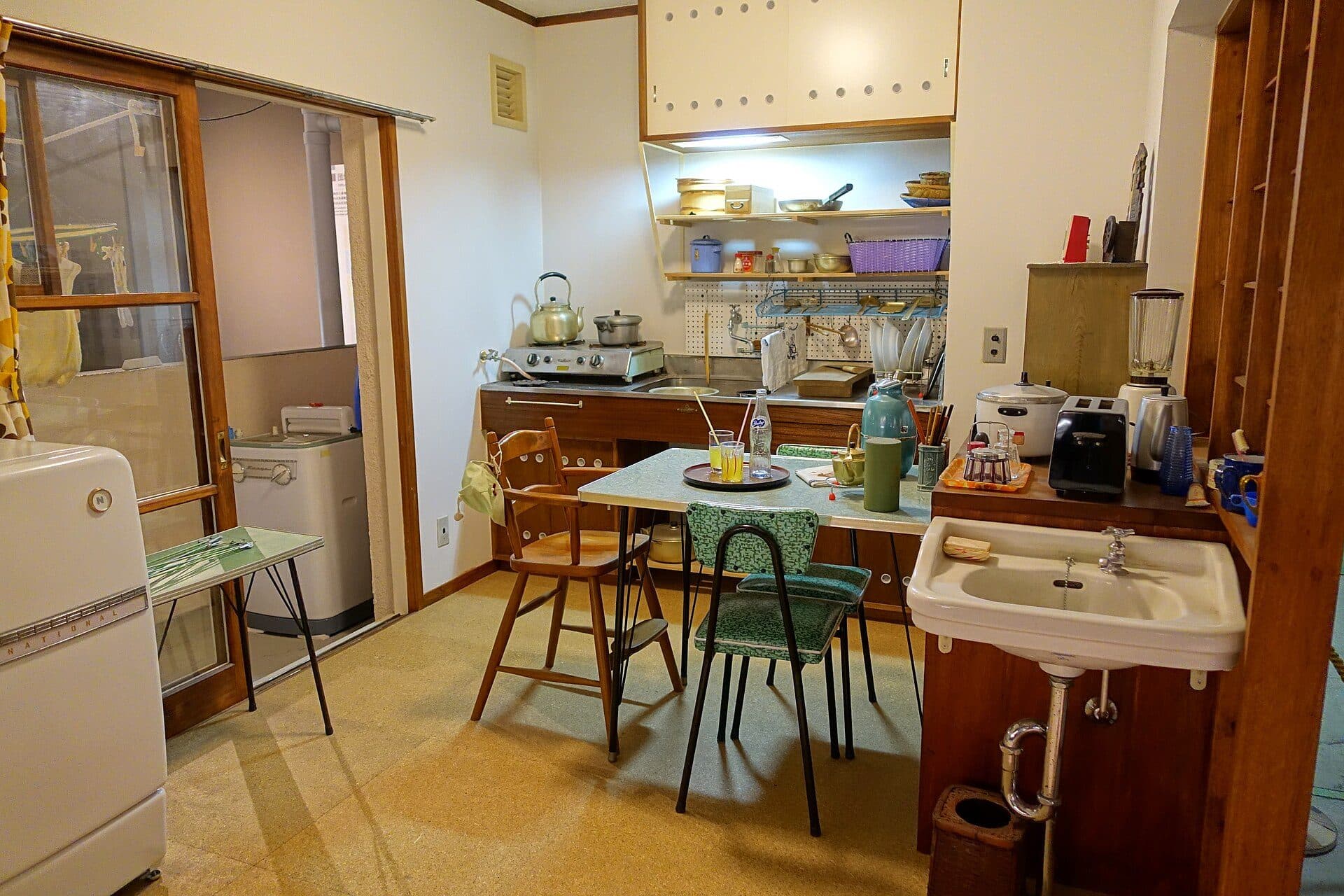 ArticleThe 8050 Problem: Parents in Their 80s, Children in Their 50s8050 mondai (8050問題): in Japan, octogenarian parents support a withdrawn child in their fifties. Official figures, the term's…
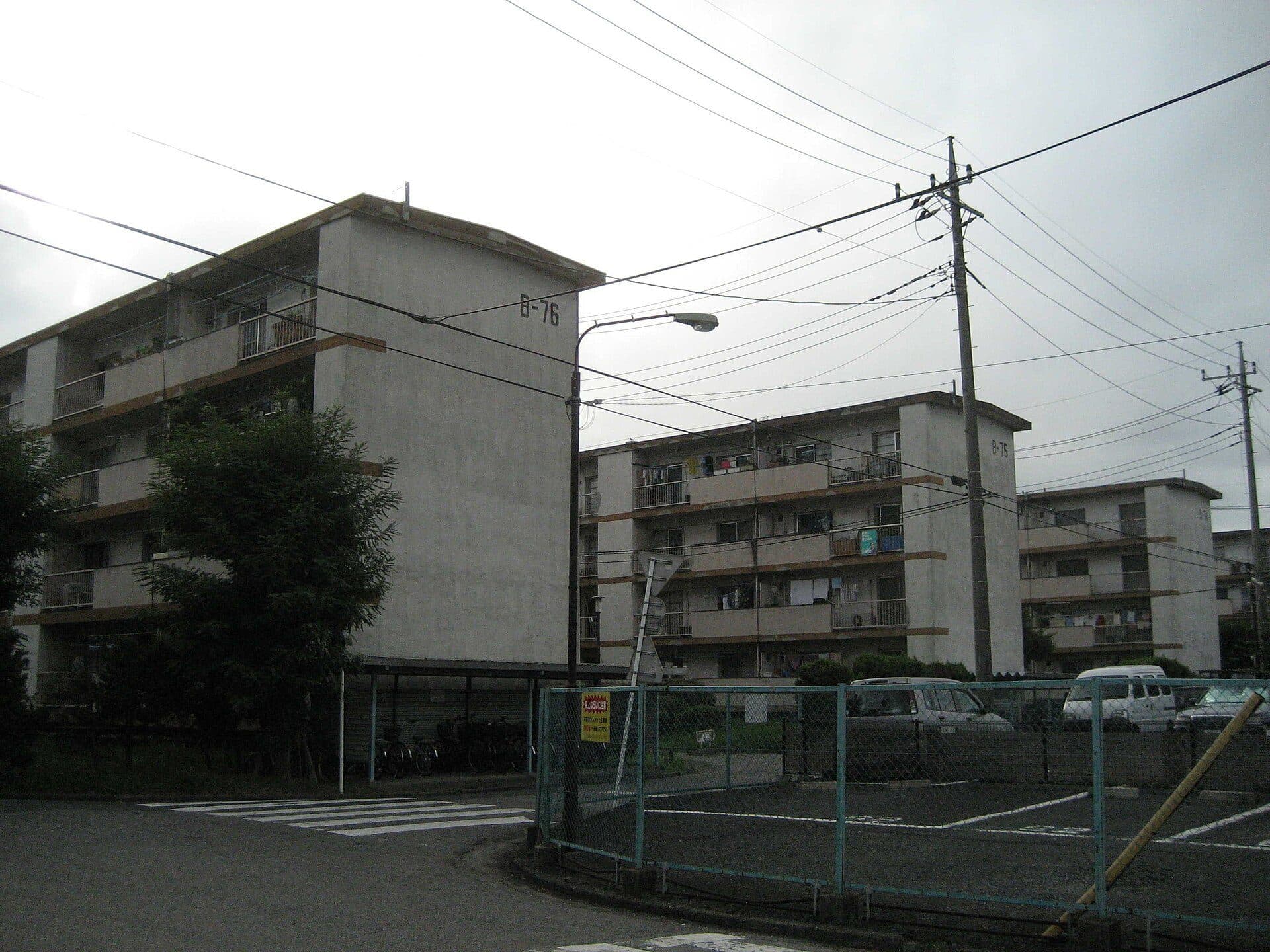 ArticleKodokushi: Dying Alone in Japan, and the Industry That FollowsKodokushi (孤独死): dying alone and going undiscovered. National police figures, the word's origin in Kobe, specialist cleaning…
 ArticleBanjiha: Korea's Semi-Basement, Before and After ParasiteBanjiha (반지하), the Korean half-basement flat: its origin in a 1970 defence rule, its 1984 legalisation, Seoul's 200,000…
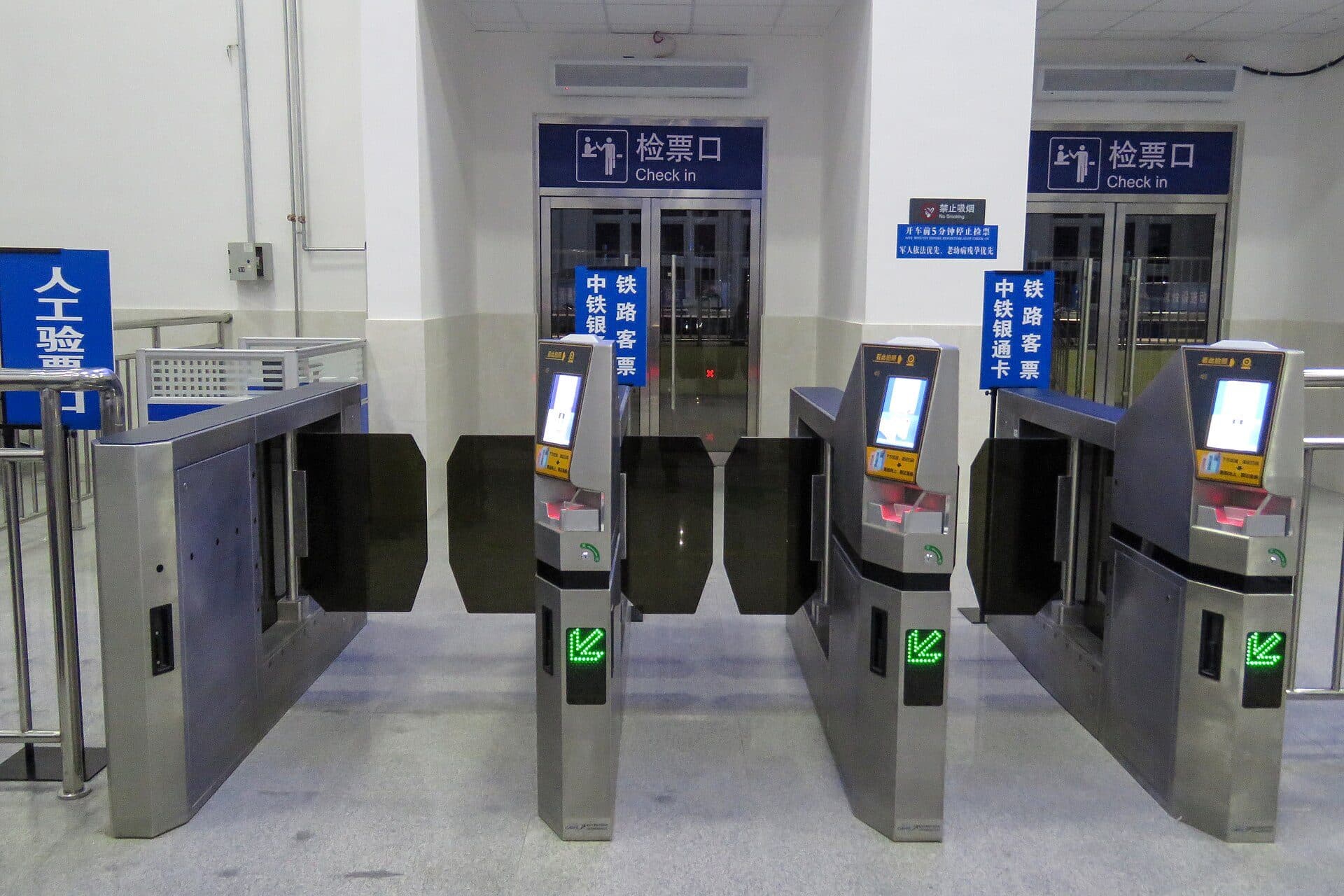 ArticleChina's Social Credit System: What Actually ExistsChina's social credit system (社会信用体系): what the apparatus really contains, the court defaulter list, the municipal pilots, and…
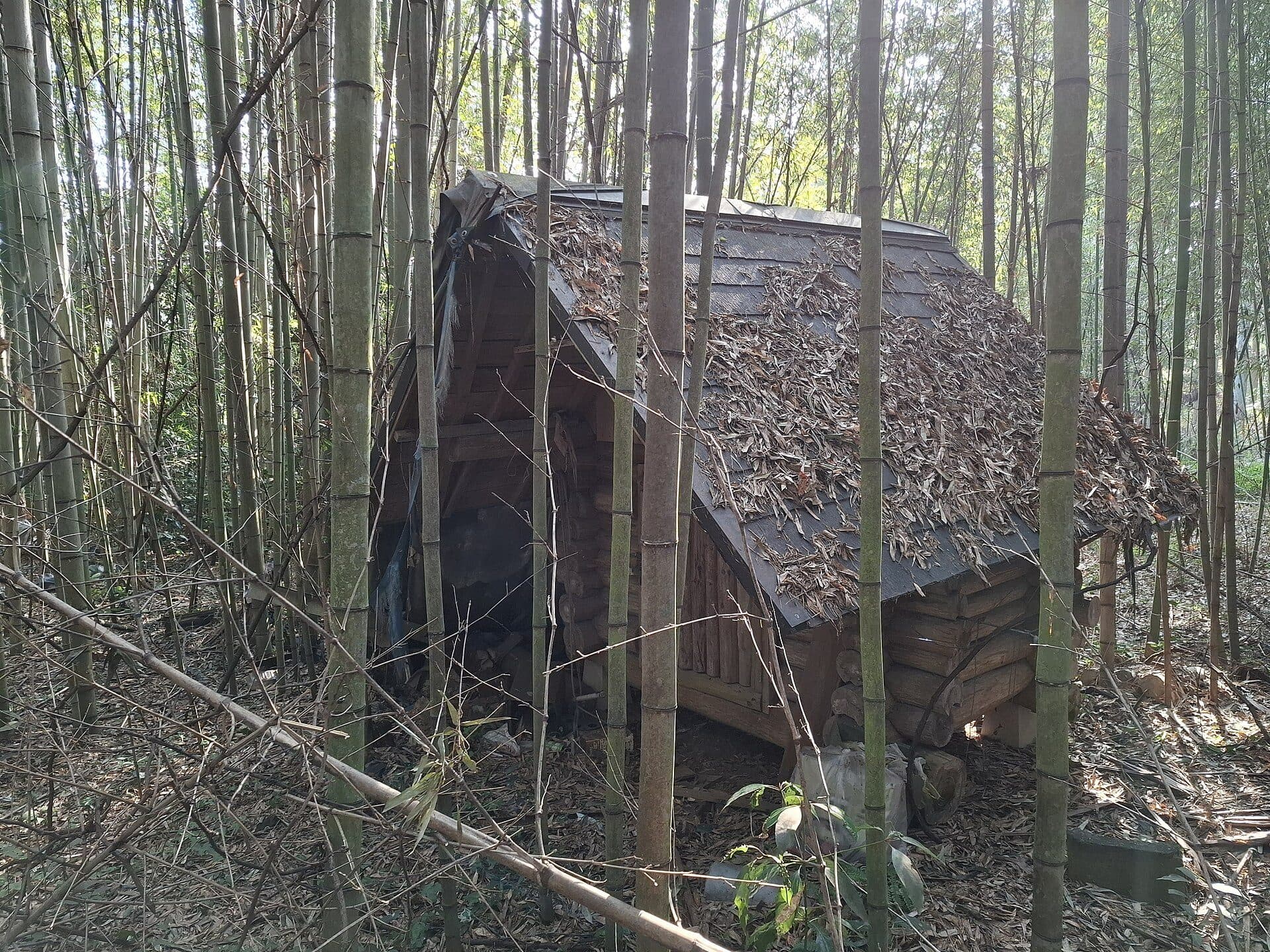 ArticleAkiya: Japan's Nine Million Empty HousesAkiya (空き家), Japan's vacant homes: nine million in 2023, the tax and inheritance causes, the akiya banks, and what a…
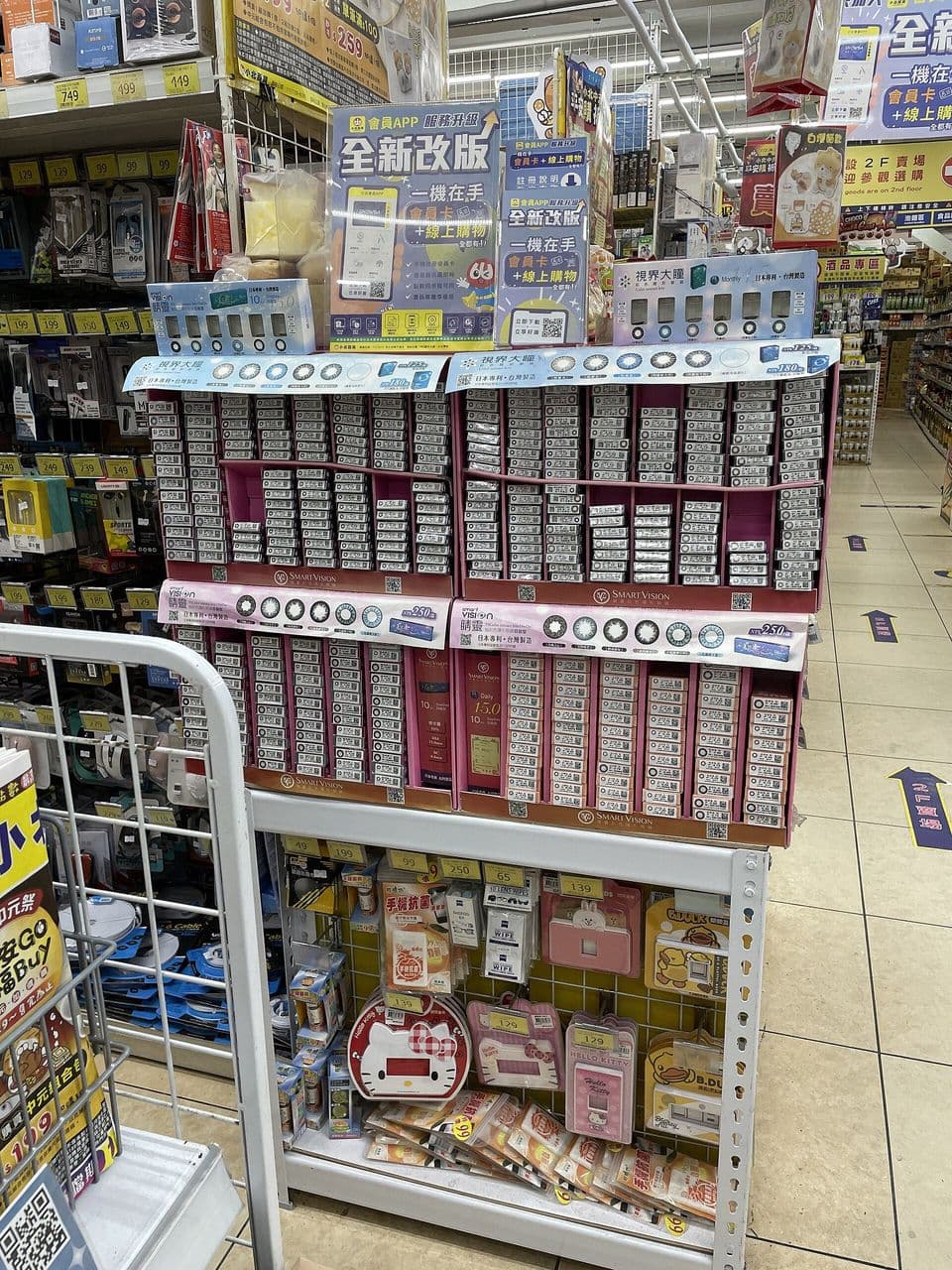 ArticleUlzzang: the style born from a Korean photo contestUlzzang, aegyo-sal, circle lenses, V-line: where this Korean style comes from, what it actually requires and why the word has…
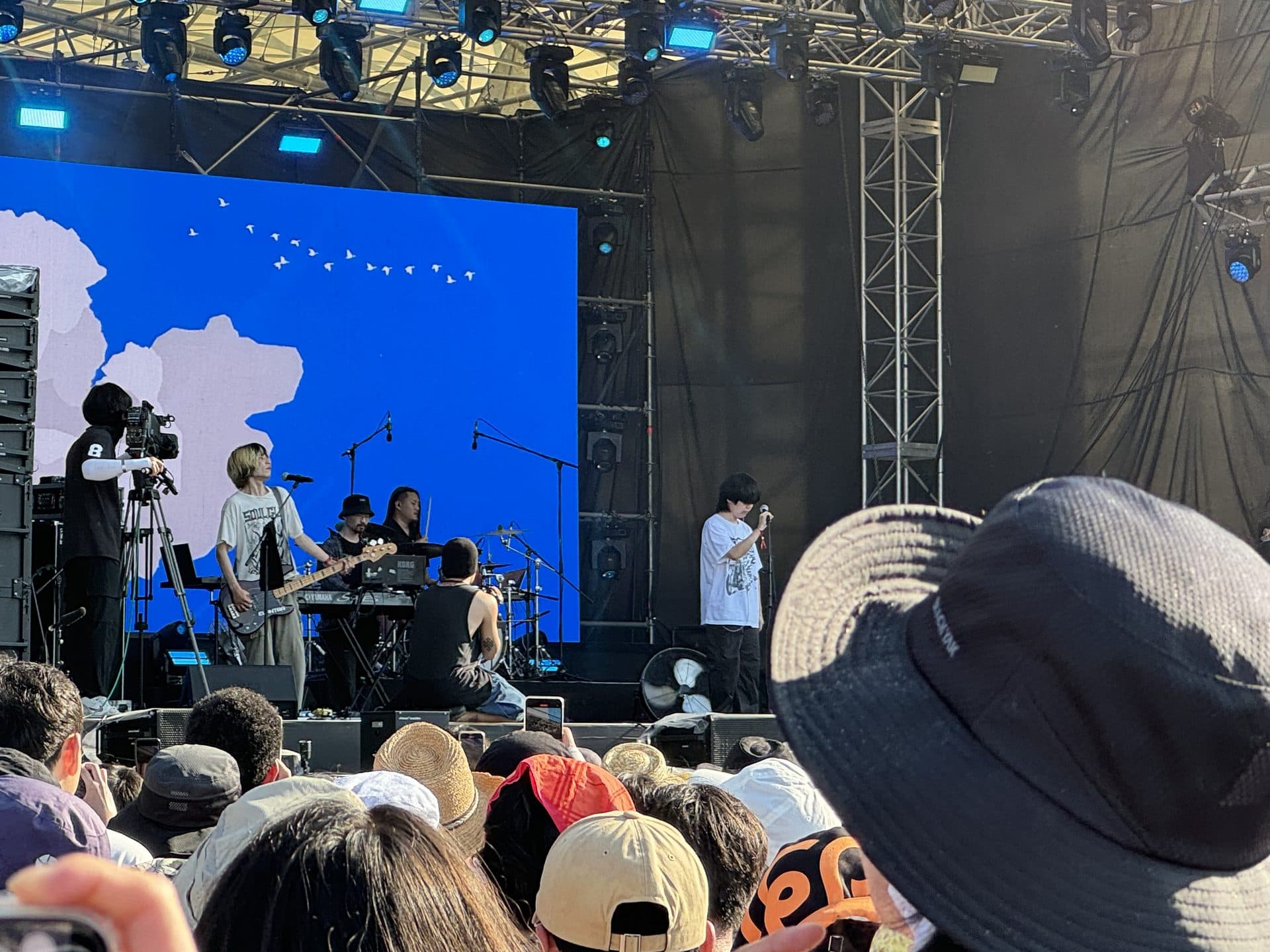 ArticleK-indie: Korea's alternative scene, from Hongdae to SpotifyCrying Nut, Jang Kiha, Hyukoh, wave to earth, Parannoul: the story of Korea's independent scene, its clubs, its labels and its…
 ArticleDiDi and ride-hailing in China: the app that beat UberDiDi Chuxing, Caocao, T3, Gaode aggregators, Wuhan robotaxis: how ordering a car works in China and what the word wangyueche…
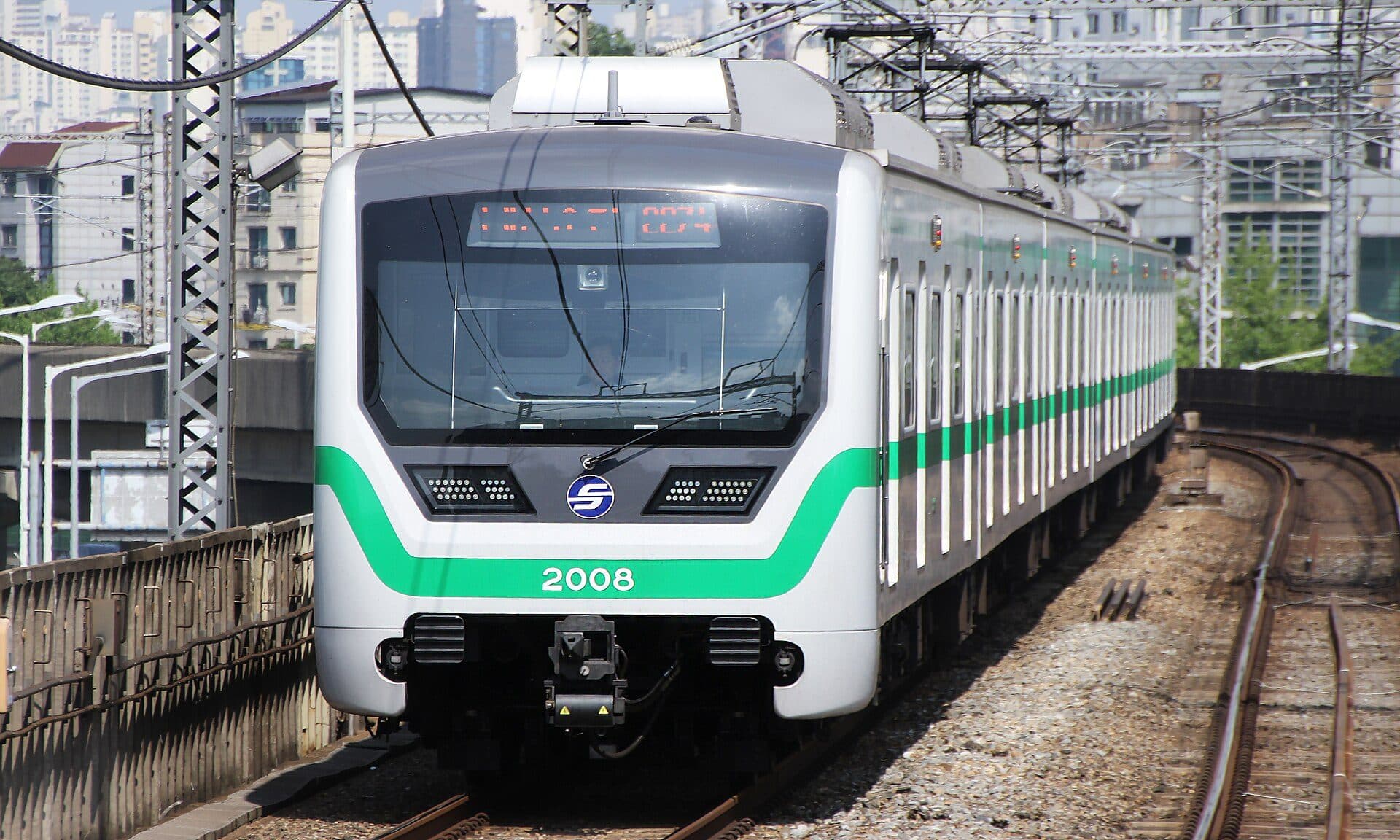 ArticleSeoul metro: T-money, transfers and the rules of the carriageT-money card, free transfers, numbered exits, Climate Card: everything to understand about the Seoul subway before you go…
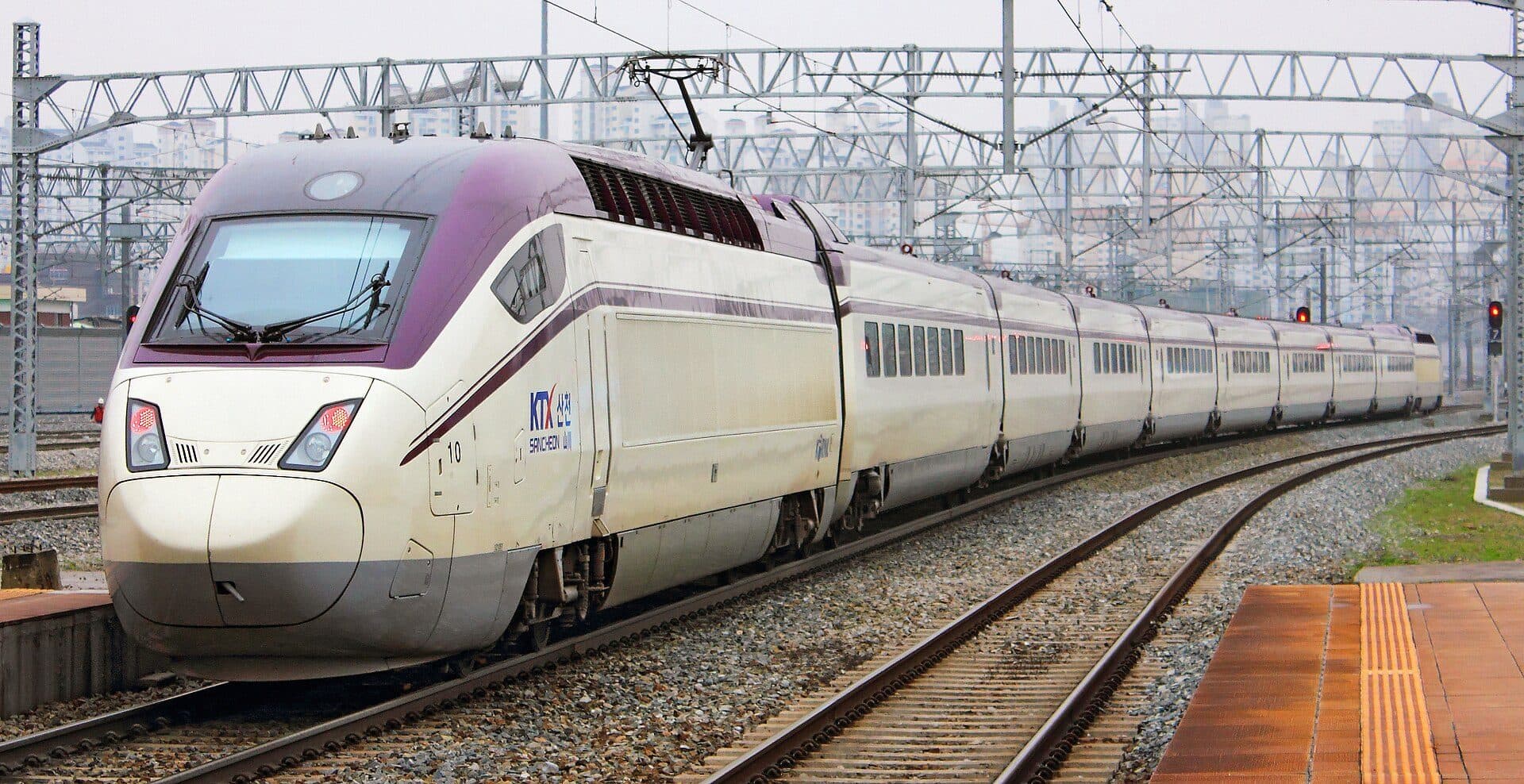 ArticleKTX: how South Korea's high-speed train worksSeoul to Busan in 2h15, technology born from the TGV, the rival SRT, standing tickets: how the KTX works and how to travel on it…
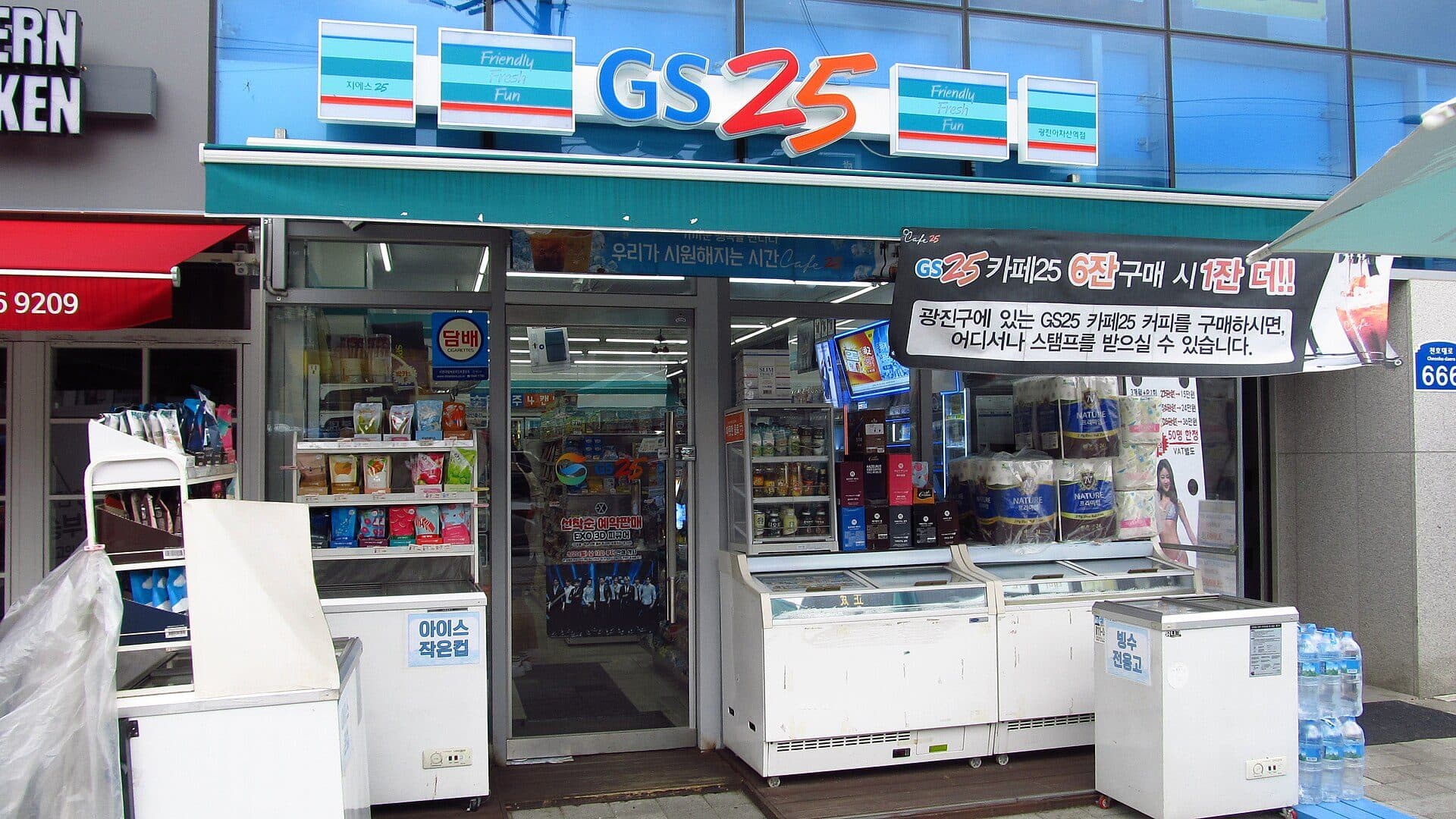 ArticleKorean convenience stores: GS25, CU and the pyeonuijeom empireGS25, CU, 7-Eleven, Emart24: why Korea holds the world record for convenience stores per capita, what to eat there and what…
 ArticleAcupuncture: principles, history and the state of the evidenceMeridians, points, moxibustion: where Chinese acupuncture comes from, what its founding texts say and what clinical trials have…
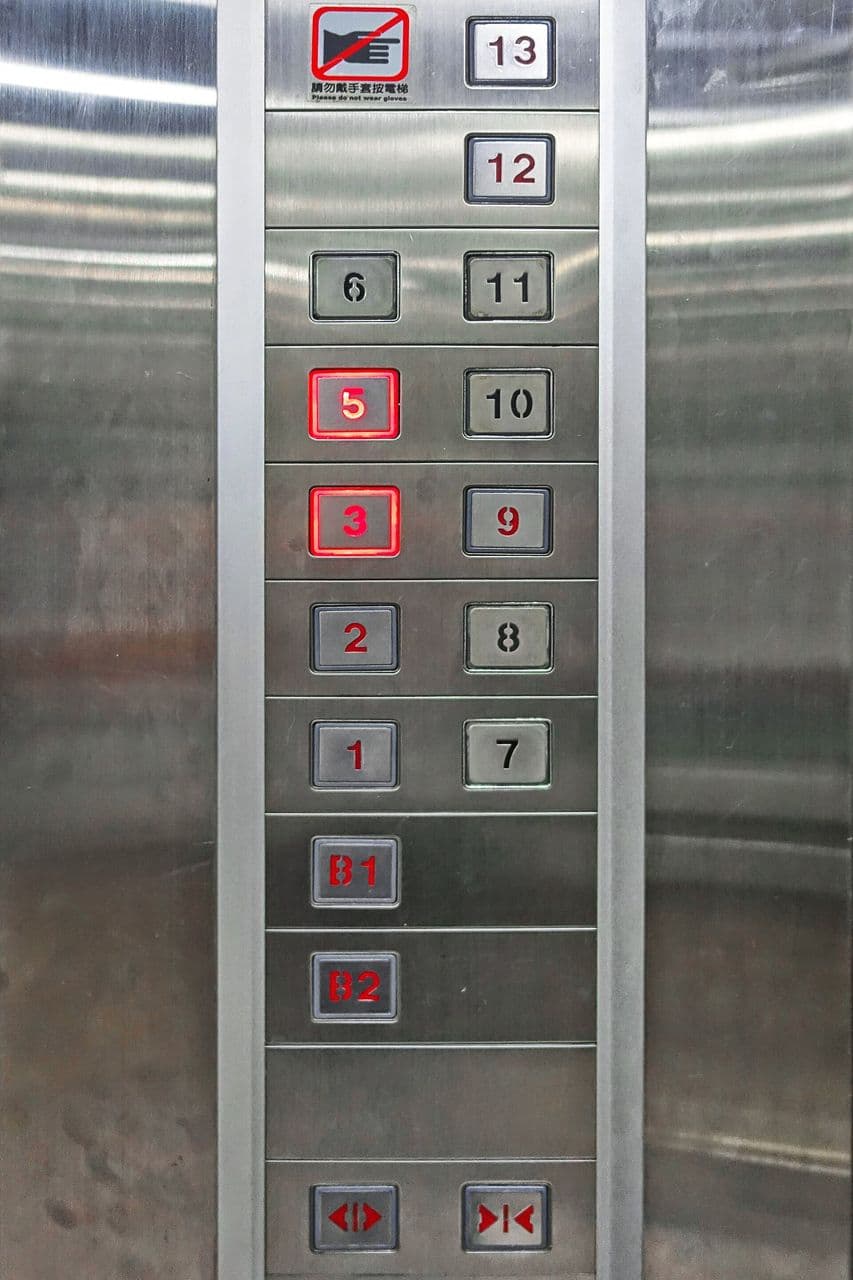 ArticleChinese numbers: why 4 frightens and 8 sellsThe 4 that sounds like death, the 8 that sounds like wealth: how homophony governs floors, licence plates, gifts and prices in…
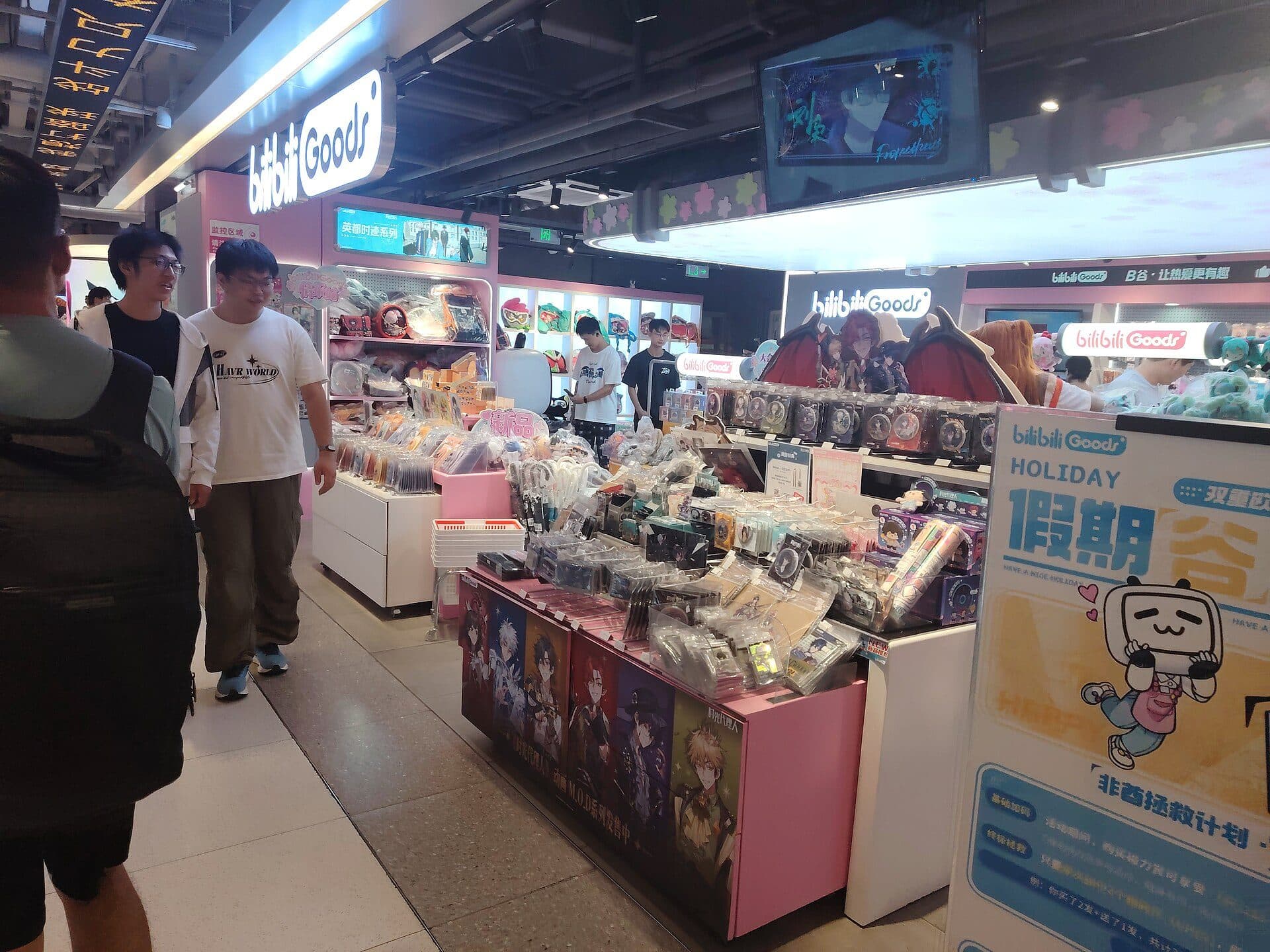 ArticleChinese memes and internet slang: a survival manual666, yyds, 躺平, 吃瓜群众: where Chinese memes come from, how to read pinyin acronyms and why numbers stand in for words.
 ArticleMatsuri: a guide to Japan's great festivalsGion, Tenjin, Kanda, Awa Odori, Kanto: what a matsuri really is, what the mikoshi is for, when the big festivals happen and how…
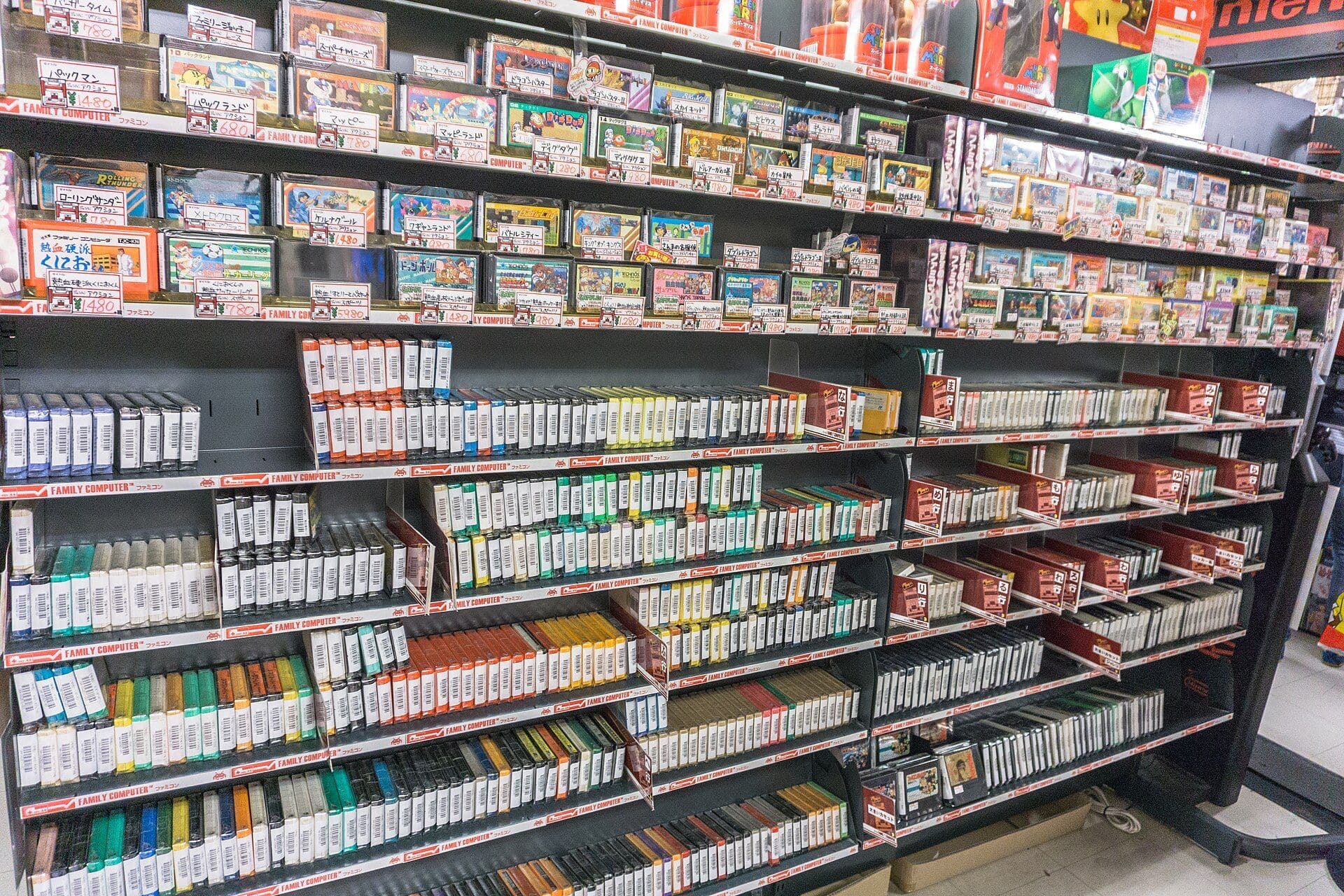 ArticleRetro gaming in Japan: Super Potato and the art of collectingSuper Potato, Akihabara, Nakano Broadway, Den Den Town: where to find retro games in Japan, how to read the labels and why prices…
 ArticleOshikatsu: the Japanese culture of supporting your oshiOshi, oshikatsu, ita-bag, saidan, ninchi: the vocabulary and rituals of supporting an idol in Japan, and why the banks joined in.
 ArticleFlea markets and vintage in Japan: the second-hand guideKōbō-ichi, Ōedo, Boro-ichi, Shimokitazawa, Book Off: where to hunt for second-hand goods in Japan, on which day, with what…
 ArticleHoney skin: the vocabulary of Korean skin finishesHoney skin, glass skin, cloud skin, jelly skin: what each Korean skin finish actually means, where the names come from, and how…
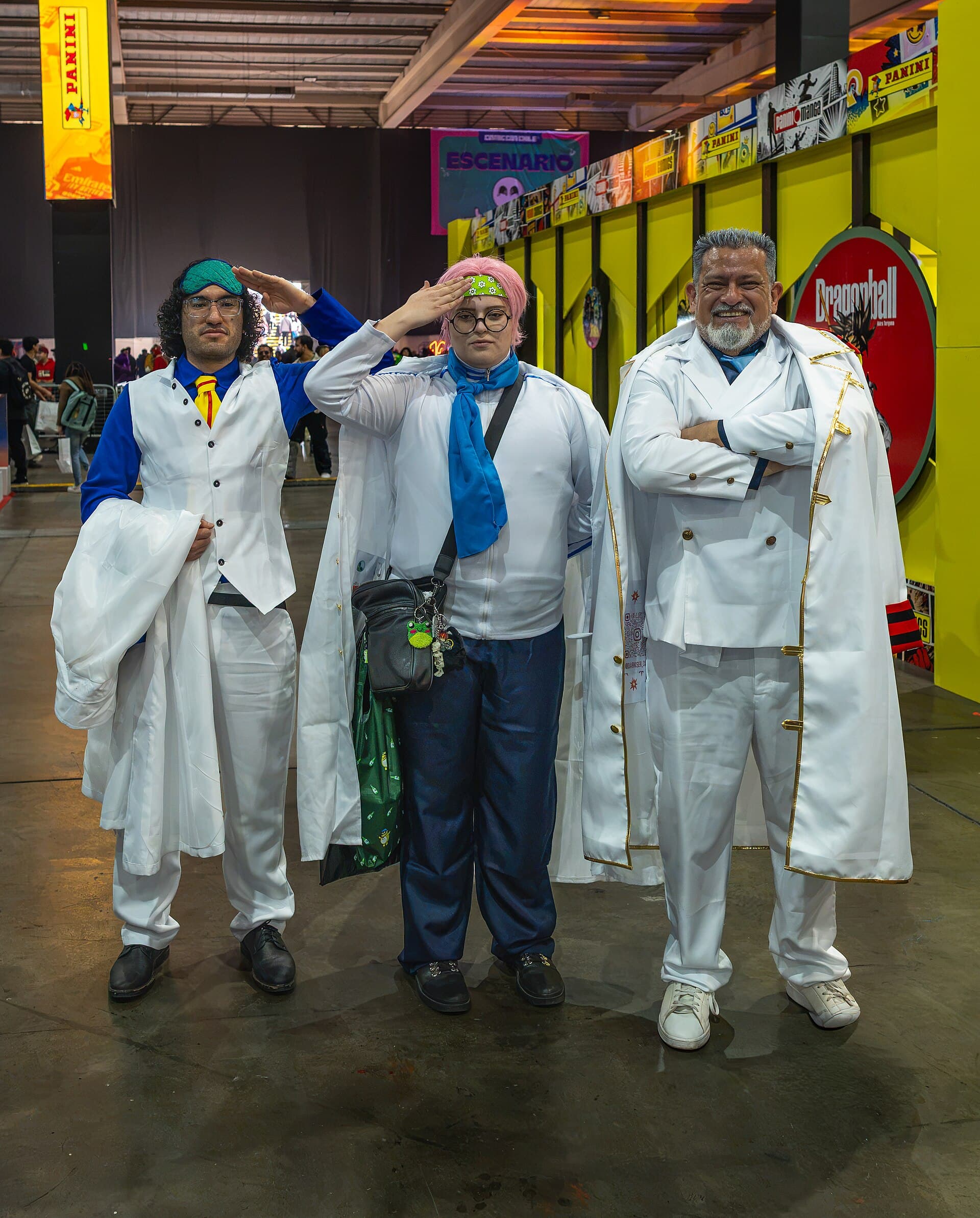 ArticleOne Piece: why this manga became a phenomenonTwenty-eight years of serialisation, more than 500 million copies, a single author: what really explains the longevity and the…
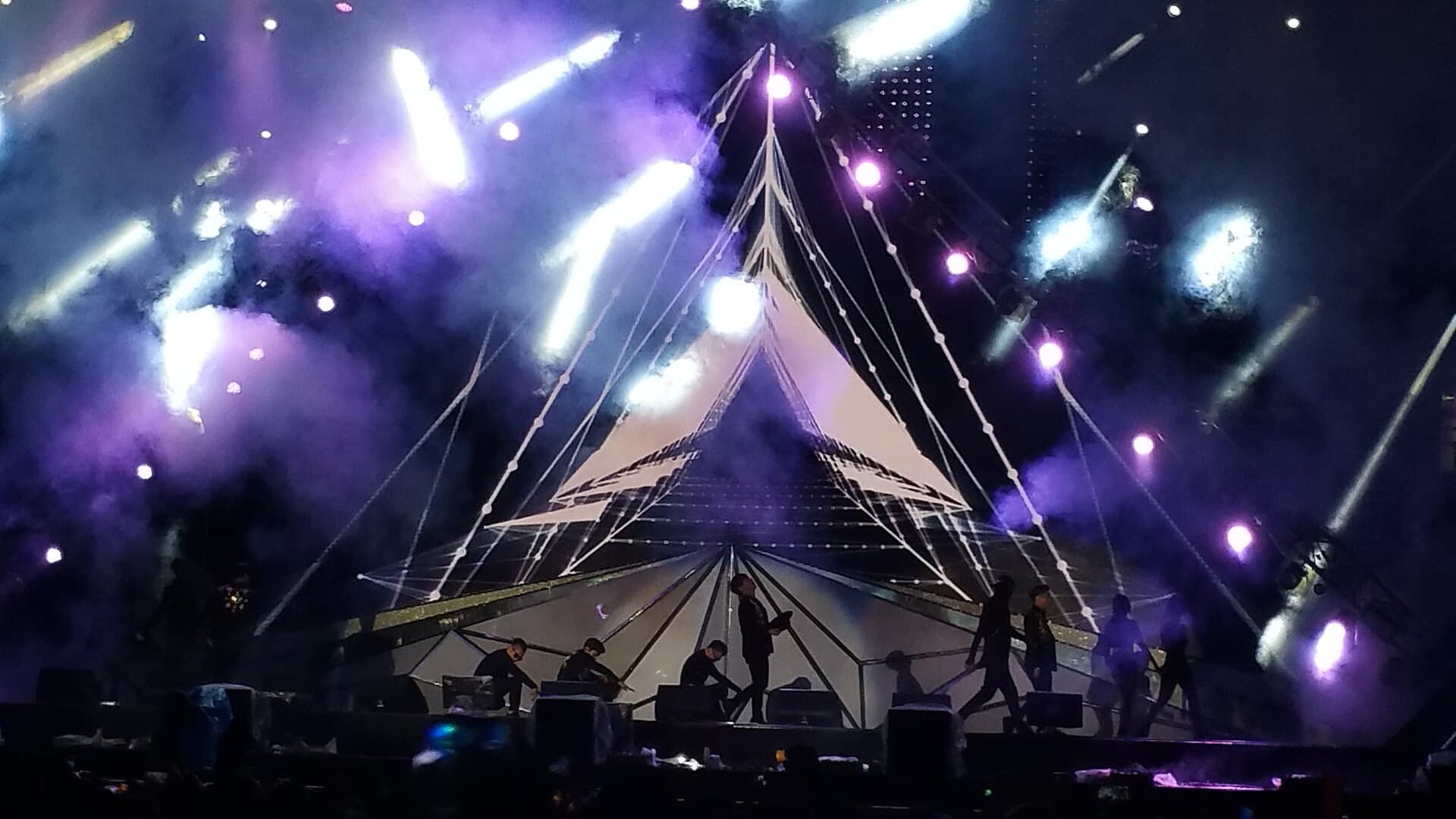 ArticleK-pop for export: YouTube, song camps and cultural policyThree concrete cogs behind K-pop's export: distribution through YouTube, the song camps where foreign writers build the hits, and…
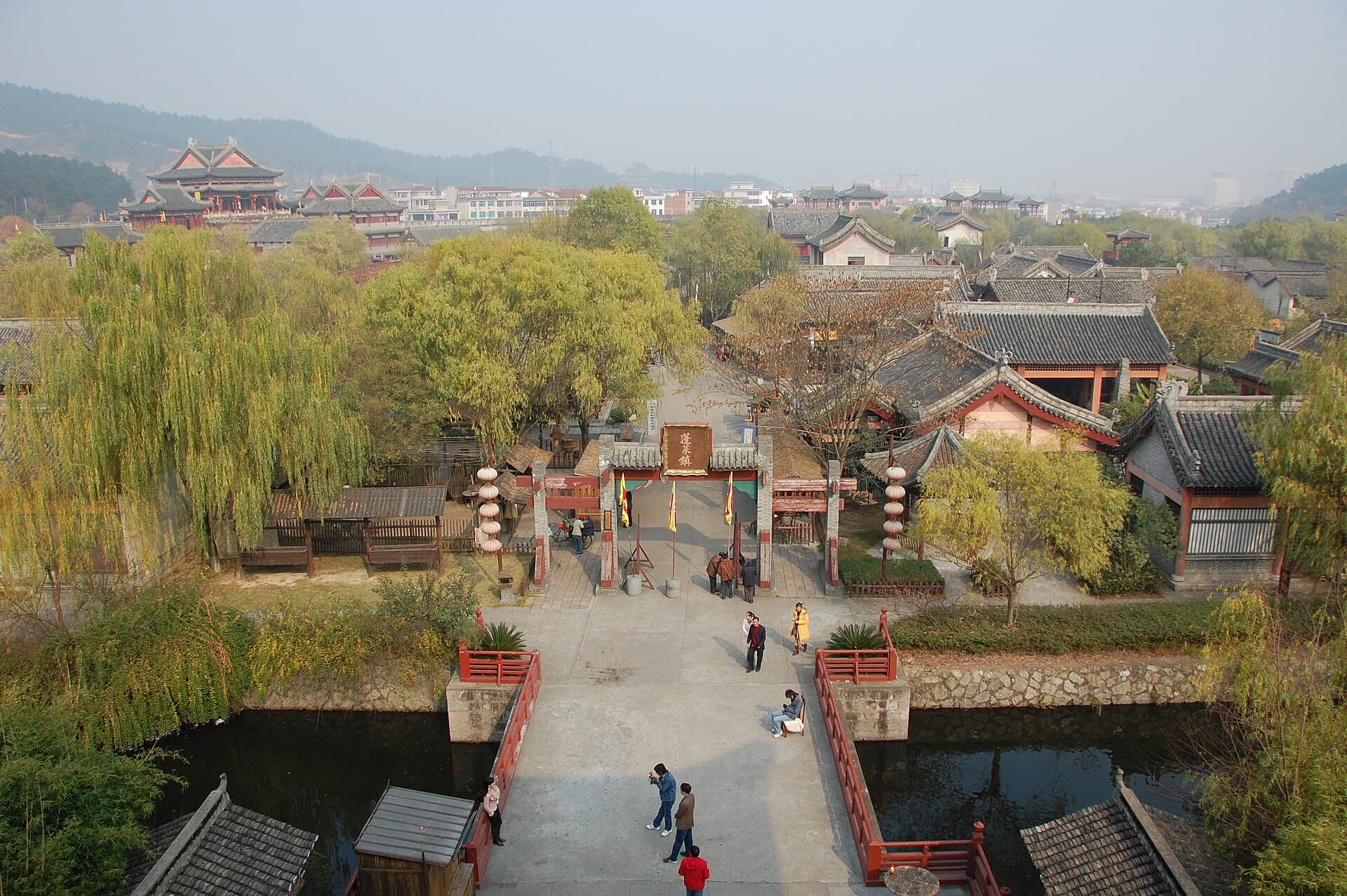 ArticleGuzhuang: why Chinese costume drama is boomingThe genre has a name, and it does not mean historical drama. Regulation as the engine, online novels as the fuel, platforms as…
 ArticleBTS: the rise of a group that moved the linesFrom the small Big Hit agency to stadiums and the United Nations: the story of BTS, the stages of its global breakthrough, the…
Discover
Every article we publish, in one feed: cultures, history, food, screens and languages of Asia. Pick a theme, or just keep scrolling.
ArticleMoutai: The Chinese Spirit That Trades Like a Blue ChipMoutai (茅台), the baijiu of Guizhou: its twelve-month production cycle, its diplomatic role, its Shanghai listing, and why a…ArticleCapsule Hotels: Born in Osaka in 1979, Designed by KurokawaThe Japanese capsule hotel: the first one opened in Osaka in 1979 by architect Kisho Kurokawa, the regulated dimensions,…ArticleKabukichō Host Clubs: The Job, the Rankings, the TabJapanese host clubs: how a Kabukichō club works, the shimei system, the champagne call, the sales rankings, and the 2025 law that…ArticleTaobao Villages: Whole Towns Living Off an Online ShopTaobao villages (淘宝村): how Chinese villages specialised in online selling, the official definition, the case of Dongfeng, and the…ArticleComiket: The World's Largest Fanzine FairComiket (コミックマーケット): 32 tables in 1975, 35,000 today. The history of Tokyo's dōjinshi fair, how it runs, its legal grey zone and…ArticleUndōkai: The Sports Day of Japanese SchoolsUndōkai (運動会), the Japanese school sports day: its 1874 naval origins, its team events, the human pyramid controversy, and why it…ArticleJeonse: The Giant Deposit That Holds Up Korean HousingJeonse (전세): handing over 60% of a property's value and paying no rent. How this uniquely Korean system works, why it produced…ArticleReikin and Shikikin: What a Japanese Lease Really CostsReikin (礼金) and shikikin (敷金): Japan's key money and rental deposit. The full move-in bill, renewal fees, restoration rules and…ArticleSorting Rubbish in Japan: Up to 45 CategoriesJapanese waste sorting: rules set town by town, the village of Kamikatsu and its 45 categories, paid collection for bulky waste,…ArticleChina's One-Child Policy: 1980-2015, and AfterChina's one-child policy: what it actually prohibited, its rural exceptions, the birth sex imbalance, the children without…ArticleShūkatsu: Japan's Job Hunt, in a Black SuitShūkatsu (就活), the Japanese student job hunt: the official calendar, the recruit suit, the legal weight of a naitei, the entry…ArticleGosiwon: The Korean Room You Rent Without a DepositGosiwon (고시원), Korea's tiny room, born for candidates sitting state exams: its floor area, its lack of a deposit, the 2018 fire…ArticleDaigou: The Personal Shoppers Who Emptied the PharmaciesDaigou (代购), China's overseas personal shoppers: why they exist, how infant formula came to be rationed in Hong Kong and…ArticleThe 8050 Problem: Parents in Their 80s, Children in Their 50s8050 mondai (8050問題): in Japan, octogenarian parents support a withdrawn child in their fifties. Official figures, the term's…ArticleKodokushi: Dying Alone in Japan, and the Industry That FollowsKodokushi (孤独死): dying alone and going undiscovered. National police figures, the word's origin in Kobe, specialist cleaning…ArticleBanjiha: Korea's Semi-Basement, Before and After ParasiteBanjiha (반지하), the Korean half-basement flat: its origin in a 1970 defence rule, its 1984 legalisation, Seoul's 200,000…ArticleChina's Social Credit System: What Actually ExistsChina's social credit system (社会信用体系): what the apparatus really contains, the court defaulter list, the municipal pilots, and…ArticleAkiya: Japan's Nine Million Empty HousesAkiya (空き家), Japan's vacant homes: nine million in 2023, the tax and inheritance causes, the akiya banks, and what a…ArticleUlzzang: the style born from a Korean photo contestUlzzang, aegyo-sal, circle lenses, V-line: where this Korean style comes from, what it actually requires and why the word has…ArticleK-indie: Korea's alternative scene, from Hongdae to SpotifyCrying Nut, Jang Kiha, Hyukoh, wave to earth, Parannoul: the story of Korea's independent scene, its clubs, its labels and its…ArticleDiDi and ride-hailing in China: the app that beat UberDiDi Chuxing, Caocao, T3, Gaode aggregators, Wuhan robotaxis: how ordering a car works in China and what the word wangyueche…ArticleSeoul metro: T-money, transfers and the rules of the carriageT-money card, free transfers, numbered exits, Climate Card: everything to understand about the Seoul subway before you go…ArticleKTX: how South Korea's high-speed train worksSeoul to Busan in 2h15, technology born from the TGV, the rival SRT, standing tickets: how the KTX works and how to travel on it…ArticleKorean convenience stores: GS25, CU and the pyeonuijeom empireGS25, CU, 7-Eleven, Emart24: why Korea holds the world record for convenience stores per capita, what to eat there and what…ArticleAcupuncture: principles, history and the state of the evidenceMeridians, points, moxibustion: where Chinese acupuncture comes from, what its founding texts say and what clinical trials have…ArticleChinese numbers: why 4 frightens and 8 sellsThe 4 that sounds like death, the 8 that sounds like wealth: how homophony governs floors, licence plates, gifts and prices in…ArticleChinese memes and internet slang: a survival manual666, yyds, 躺平, 吃瓜群众: where Chinese memes come from, how to read pinyin acronyms and why numbers stand in for words.ArticleMatsuri: a guide to Japan's great festivalsGion, Tenjin, Kanda, Awa Odori, Kanto: what a matsuri really is, what the mikoshi is for, when the big festivals happen and how…ArticleRetro gaming in Japan: Super Potato and the art of collectingSuper Potato, Akihabara, Nakano Broadway, Den Den Town: where to find retro games in Japan, how to read the labels and why prices…ArticleOshikatsu: the Japanese culture of supporting your oshiOshi, oshikatsu, ita-bag, saidan, ninchi: the vocabulary and rituals of supporting an idol in Japan, and why the banks joined in.ArticleFlea markets and vintage in Japan: the second-hand guideKōbō-ichi, Ōedo, Boro-ichi, Shimokitazawa, Book Off: where to hunt for second-hand goods in Japan, on which day, with what…ArticleHoney skin: the vocabulary of Korean skin finishesHoney skin, glass skin, cloud skin, jelly skin: what each Korean skin finish actually means, where the names come from, and how…ArticleOne Piece: why this manga became a phenomenonTwenty-eight years of serialisation, more than 500 million copies, a single author: what really explains the longevity and the…ArticleK-pop for export: YouTube, song camps and cultural policyThree concrete cogs behind K-pop's export: distribution through YouTube, the song camps where foreign writers build the hits, and…ArticleGuzhuang: why Chinese costume drama is boomingThe genre has a name, and it does not mean historical drama. Regulation as the engine, online novels as the fuel, platforms as…ArticleBTS: the rise of a group that moved the linesFrom the small Big Hit agency to stadiums and the United Nations: the story of BTS, the stages of its global breakthrough, the…