 2Augu
2AuguJapan
Four calendars coexist from Beijing to Seoul: the Gregorian, the Chinese lunisolar, the 24 solar terms and Singapore’s Hijri. Here is where they fall this year, across China, Japan, Korea, Taiwan, Hong Kong, Macau and Singapore.
The next dates, wherever they land in the region.
The 1965 independence replayed every year as a millimetre-perfect parade over the bay.
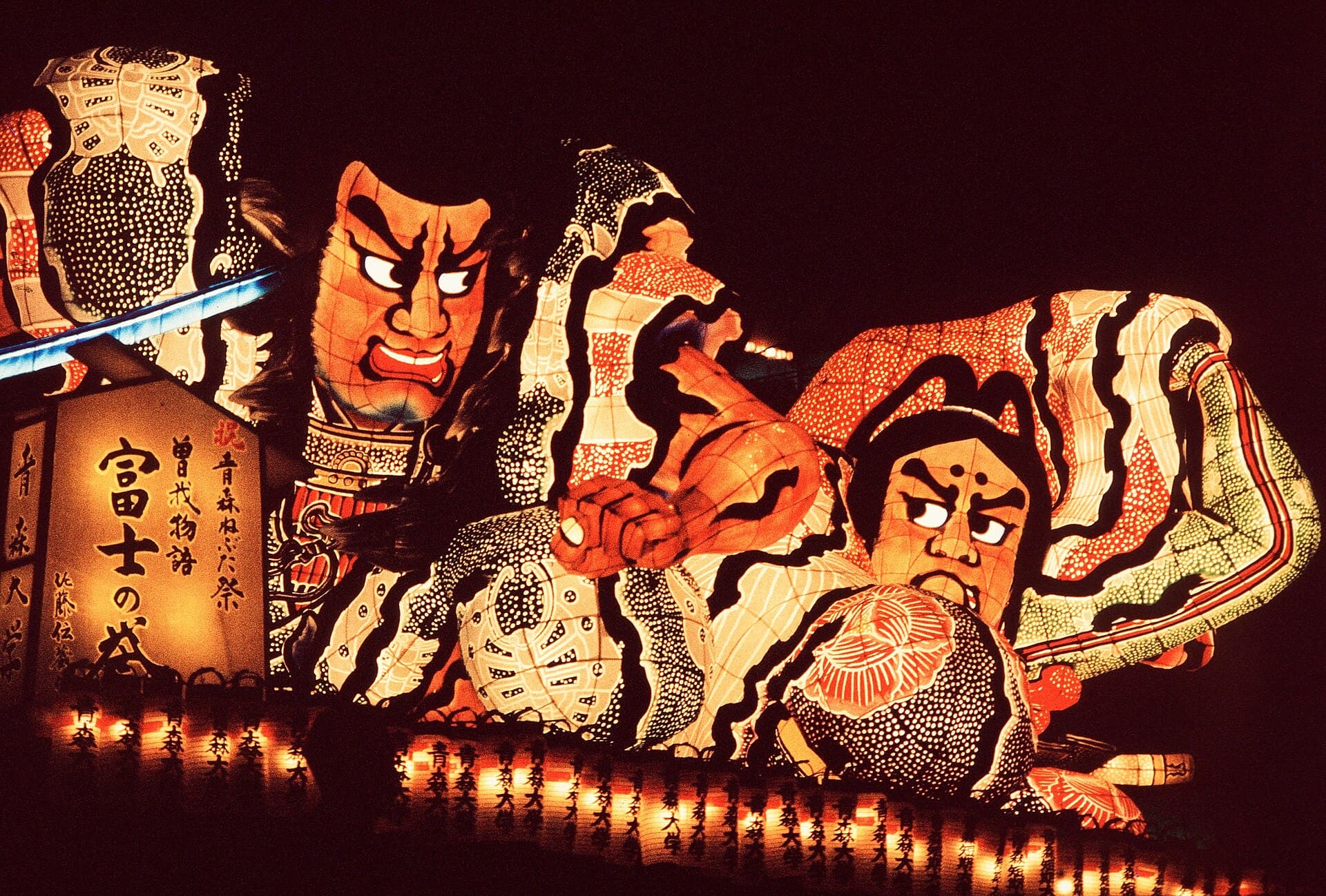
In Tokushima, a hundred thousand dancers over four nights: “fools dance, fools watch — you may as well dance”.
The dead return to the family home for three days; lanterns guide them and the bon odori is danced on the square.
 15Augu
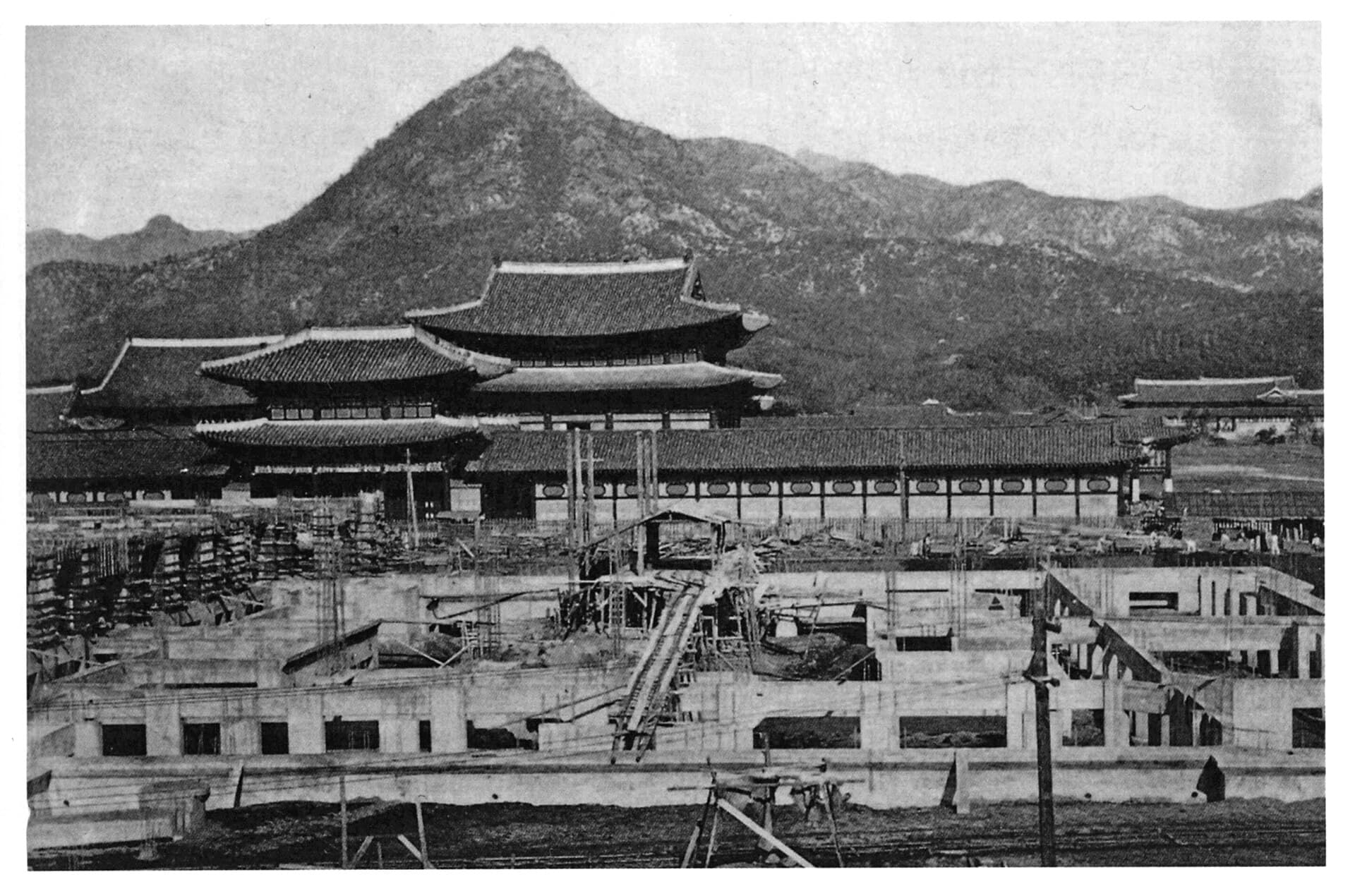
15 August 1945 ended thirty-five years of Japanese rule; it is also the only public holiday shared by both Koreas.
Filter by territory or by kind of festival. Lunar and solar dates are recomputed for the year on display, never copied from one year to the next.
In 1919 two million Koreans demonstrated peacefully against Japanese rule; it is the founding act of modern nationalism.
The girls’ festival: Heian court dolls on seven red tiers, to be packed away the same evening or risk a late marriage.
The rain dragon wakes and ploughing starts; people finally get the haircut forbidden since New Year.
The end of Ramadan for Singapore’s Malay community: open houses, kuih by the dozen and Geylang Serai lit up.
One month after Valentine’s, men return the favour — invented by a Fukuoka confectioner in 1978.
The spring equinox is a public holiday: it is also ohigan, the week for cleaning the family graves.
Tomb-Sweeping Day: graves are cleaned, spirit money is burned, and then families picnic in the spring air.
Twelve seventeenth-century floats and their wooden automata cross a mountain town frozen in the Edo era.
On 14 April, those who got nothing on Valentine’s or White Day eat black noodles — together.
Nine days and 300 kilometres on foot behind the sea goddess’s palanquin: one of the world’s largest religious processions.
Four public holidays in eight days: the whole country goes on holiday at once, and prices follow.
China’s second “golden week”: five days off and tourist sites packed from one end of the country to the other.
Cloth carp snap in the wind above the houses, one per child, because the carp swims up waterfalls.
A public holiday entirely for children; theme parks packed and presents compulsory.
A red carnation is pinned to your parents’ lapel: Korea merged Mother’s and Father’s Day into one.
The infant Buddha statue is bathed in scented water; a public holiday in Hong Kong since 1999.
An entire island goes vegetarian for three days, then climbers race up a 14-metre tower covered in buns.
Tens of thousands of rice-paper lanterns strung across temples and the avenues of Seoul.
Five hundred extras in Heian costume walk across Kyoto: the oldest of the city’s three great festivals.
Asakusa in a trance: a hundred portable shrines, two million people and yakuza tattoos on show once a year.
At 10 a.m. a siren covers the whole country and everyone stops for one minute for the Korean War dead.
Dragon-headed canoe races and glutinous rice zongzi, in memory of a poet who drowned twenty-three centuries ago.
Mid-point of the farming spring: hair washed in iris water, giant swings and ssireum wrestling on sand.
On 1 July 1997 Hong Kong returned to Chinese sovereignty: an official ceremony in the morning, political history the rest of the day.
A full month of rites in Kyoto, two processions of twenty-five-tonne floats, and one origin: warding off an epidemic in 869.
The Japanese take on Qixi: paper wishes are hung on bamboo, and Sendai turns it into a million-visitor festival in August.
Hundreds of hanabi taikai all summer, in yukata, with the river as a stage and the yakisoba stall as intermission.
Invented in 1998 to sell mud cosmetics, now the festival most attended by foreigners in Korea.
The world’s only public holiday dedicated to the sea, and the unofficial start of beach season.
Osaka celebrates its god of letters on the water: a hundred lit boats go up the river under five thousand fireworks.
The Chinese Valentine’s Day: the Weaver Girl and the Cowherd, split by the Milky Way, meet one night a year on a bridge of magpies.
The Korean take on Qixi, in the middle of monsoon: that day’s rain is the tears of the two reunited lovers.
The 1965 independence replayed every year as a millimetre-perfect parade over the bay.
In Tokushima, a hundred thousand dancers over four nights: “fools dance, fools watch — you may as well dance”.
The dead return to the family home for three days; lanterns guide them and the bon odori is danced on the square.
15 August 1945 ended thirty-five years of Japanese rule; it is also the only public holiday shared by both Koreas.
The month the gates of hell open: food offerings by the roadside, opera performed for deliberately empty front rows.
The second-biggest festival of the Chinese calendar: mooncakes, family reunions and the roundest full moon of the year.
Autumn moon-viewing, with dango stacked in a pyramid and a rabbit pounding mochi in the craters.
A public holiday for the elderly in the world’s oldest country; town halls publish the centenarian count.
The autumn equinox, the year’s second ohigan: grave visits and ohagi coated in red bean paste.
October’s “golden week”: seven days off, 800 million trips and Tiananmen Square under flowers.
The “maple hunt”: this time the red-leaf front descends north to south, and temples open after dark.
Floating lanterns cover the Nam river, echoing those used as signals during the 1592 siege.
“The day the heavens opened”: the mythical founding of Gojoseon by Dangun, in 2333 BCE.
The double ninth: climb to high ground, drink chrysanthemum wine and pay a visit to the elderly.
The world’s only public holiday devoted to an alphabet — the one King Sejong published in 1446 so that commoners could write.
The national day of the Republic of China, marking the 1911 Wuchang uprising.
Inherited from the opening of the 1964 Tokyo Games: every school in the country holds its undōkai, relay race included.
The Hindu festival of lights lights up Little India for a month; the exact date follows the Indian lunisolar calendar.
Twelve centuries of Kyoto history parade in period costume, newest to oldest, over two kilometres.
The great collective making of winter kimchi, hundreds of cabbages per family, on UNESCO’s intangible heritage list.
Culture Day: free museums, the Order of Culture awards and the anniversary of the 1946 Constitution.
Born as a joke among Nanjing students, now the biggest shopping day on the planet.
11/11 looks like four biscuit sticks in a row: Korea exchanges chocolate sticks by the million boxes.
Children of seven, five and three in kimono at the shrine, with the arm-long chitose-ame candy stick.
On university entrance exam day the stock exchange opens late and planes stay grounded during the listening test.
Japanese New Year, on the Gregorian calendar since 1873: the first shrine visit, osechi in lacquered boxes, greeting cards.
A whole city carved from Songhua river ice and lit from within, at −25 °C.
The day twenty-year-olds become adults in public: furisode, hakama and a speech at the town hall.
The eight-treasure congee that officially opens the countdown to lunar New Year, a month before the reunion dinner.
The Kitchen God is sent back to heaven with sticky sweets and the house is scrubbed top to bottom: the week of preparation begins.
The eve of the solar calendar’s spring: soybeans are thrown at demons to the cry of “oni wa soto”.
Two million visitors for building-sized snow sculptures in Ōdōri Park.
Asia’s most codified money ritual: who gives to whom, how much, and why the number 4 is off-limits.
Korean New Year: elders are greeted with a full bow, tteokguk soup adds a year to your age, and everyone plays yunnori.
The legendary date of the first emperor Jinmu’s enthronement, in 660 BCE.
In Japan and Korea it is women who give the chocolate — giri-choco at the office, honmei-choco to the one you love.
Fifteen days after New Year, the year’s first full moon closes the festivities: lanterns, riddles and glutinous rice balls.
Thousands of wish-bearing paper lanterns rise over a railway valley in northern Taiwan.
The first full moon: nuts are cracked to break the year’s misfortunes and straw piles are burned in the fields.
South-East Asia’s largest street parade, born of a firecracker ban: floats, lions and every community of the city-state.
Memorial day for the 1947 crackdown, unspeakable for decades and a public holiday since 1997.
On 20 December 1999 the last European outpost in Asia changed hands after 442 Portuguese years.
The longest night is eaten: tangyuan in the south, dumplings in the north, and the yang starts climbing back.
At the solstice, patjuk is eaten — a red bean porridge whose colour drives evil spirits from the house.
Neither a holiday nor religious: it is a couples’ evening, with fried chicken booked weeks ahead and strawberry shortcake.
New Year’s Eve: toshikoshi buckwheat noodles, a deep clean, and 108 bell strikes for the 108 human passions.
On the Oga peninsula, straw-clad demons enter homes on New Year’s Eve to terrify lazy children.
Before the festivals comes the division of the sky. The 24 jieqi split the solar year into fortnights that govern sowing, harvest and half the festivals on this page — Qingming and Dongzhi are two of them.
2027
Each Japanese solar term subdivides into three five-day micro-seasons, named after what is happening outside: “mist lingers”, “earthworms surface”, “the pheasant cries”. Seventy-two windows for a single year.
Read the article