Society9 min
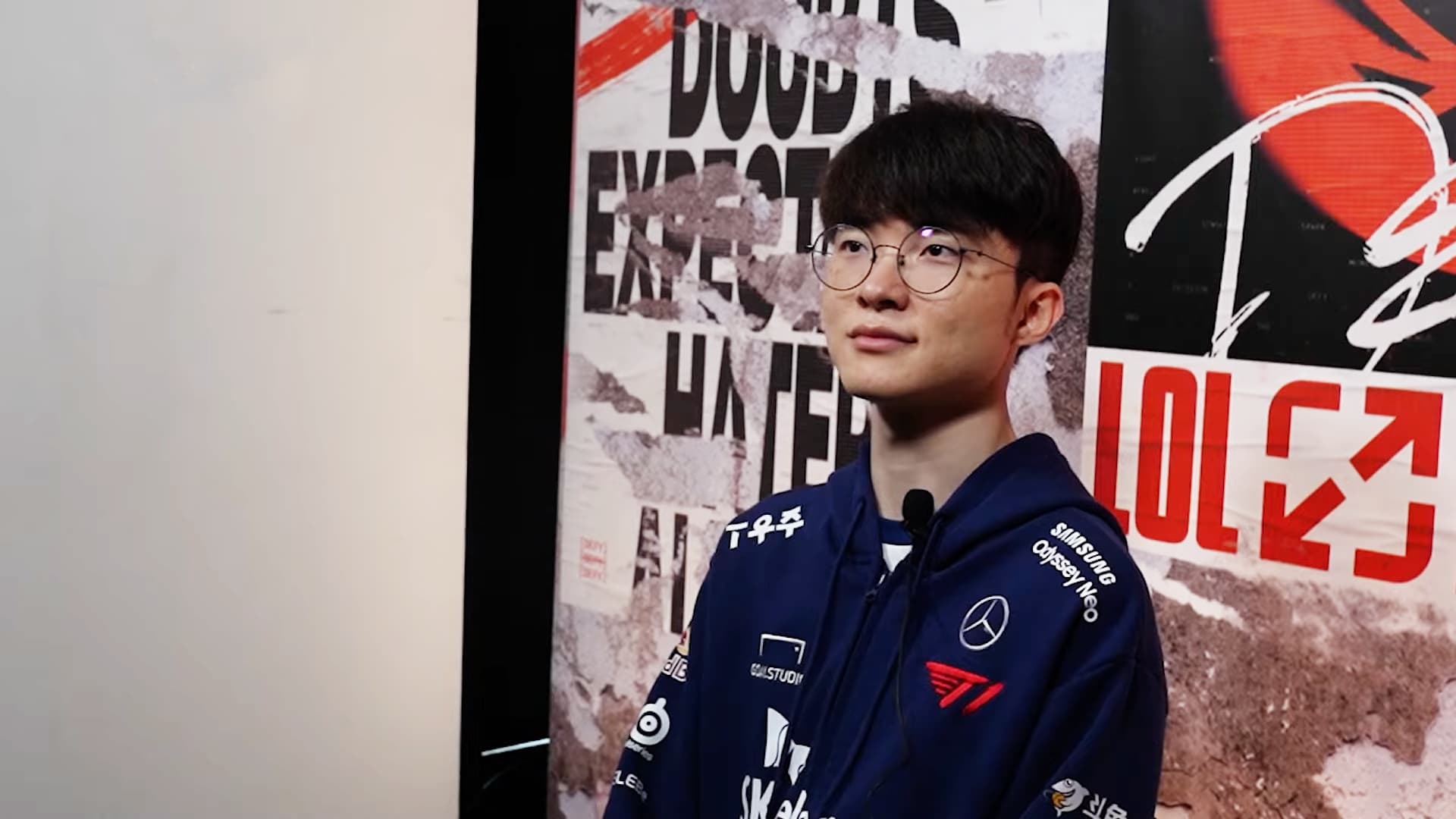
The Starleague: how Korea invented the professional gamer
The PC bang as a laboratory, a television channel that created a profession, the state stepping in: the five reasons Korea's grip on e-sport has lasted.
Read
Editorial features on the cultures, history and languages of Asia. Filter by culture, by topic, or search for what inspires you.
The PC bang as a laboratory, a television channel that created a profession, the state stepping in: the five reasons Korea's grip on e-sport has lasted.
Thirty years in four waves, who broadcasts what, the narrative codes to see once, and the beginner mistakes that spoil your first series.
How a K-pop fandom works: official names, colours, fanchants, Bluetooth lightsticks, fancafés and paid platforms, plus the lexicon and economy of devotion.
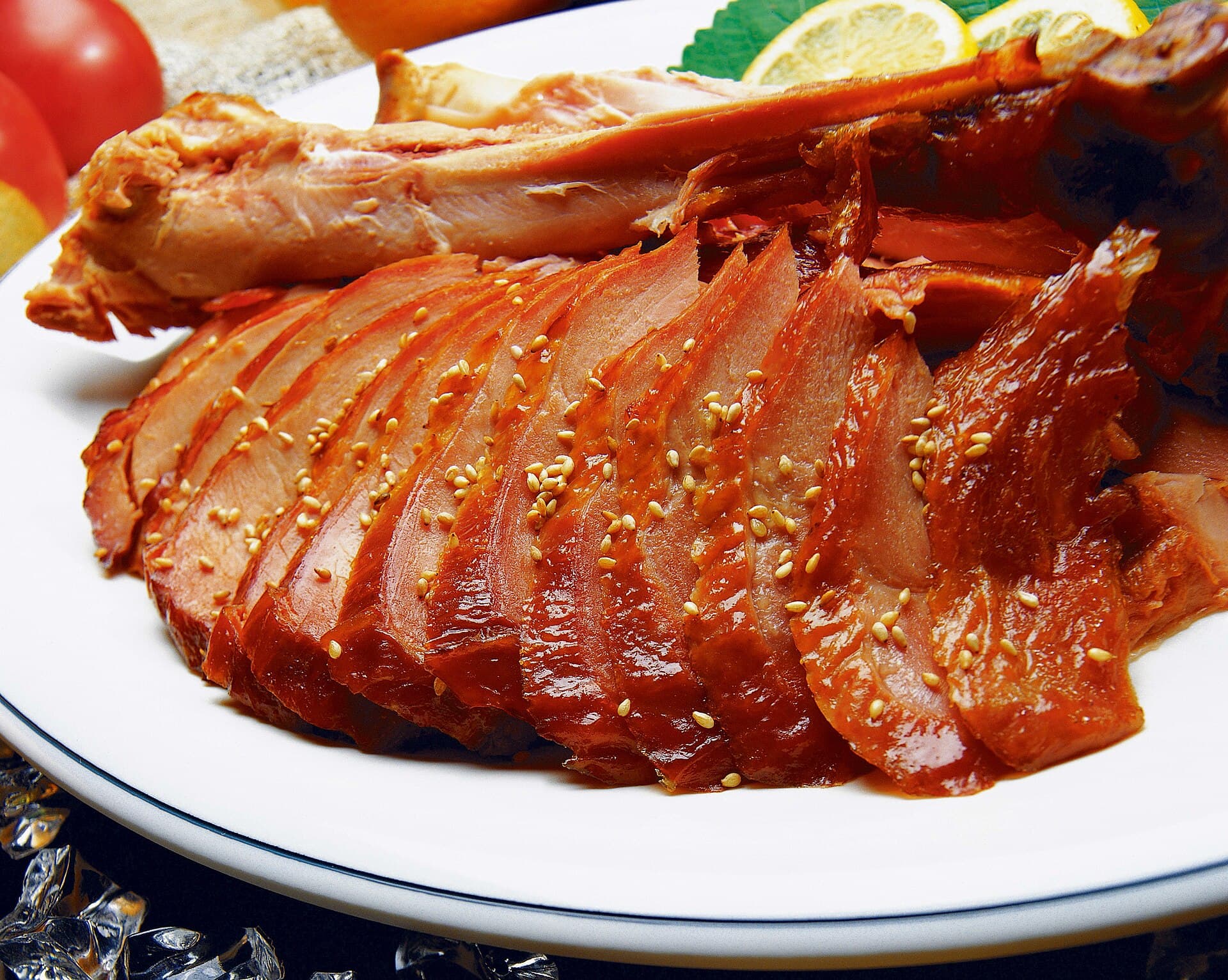
Mukbang, those videos of people eating on camera, was born in South Korea around 2009. The story of a portmanteau, a shared distant meal and a worldwide hit.
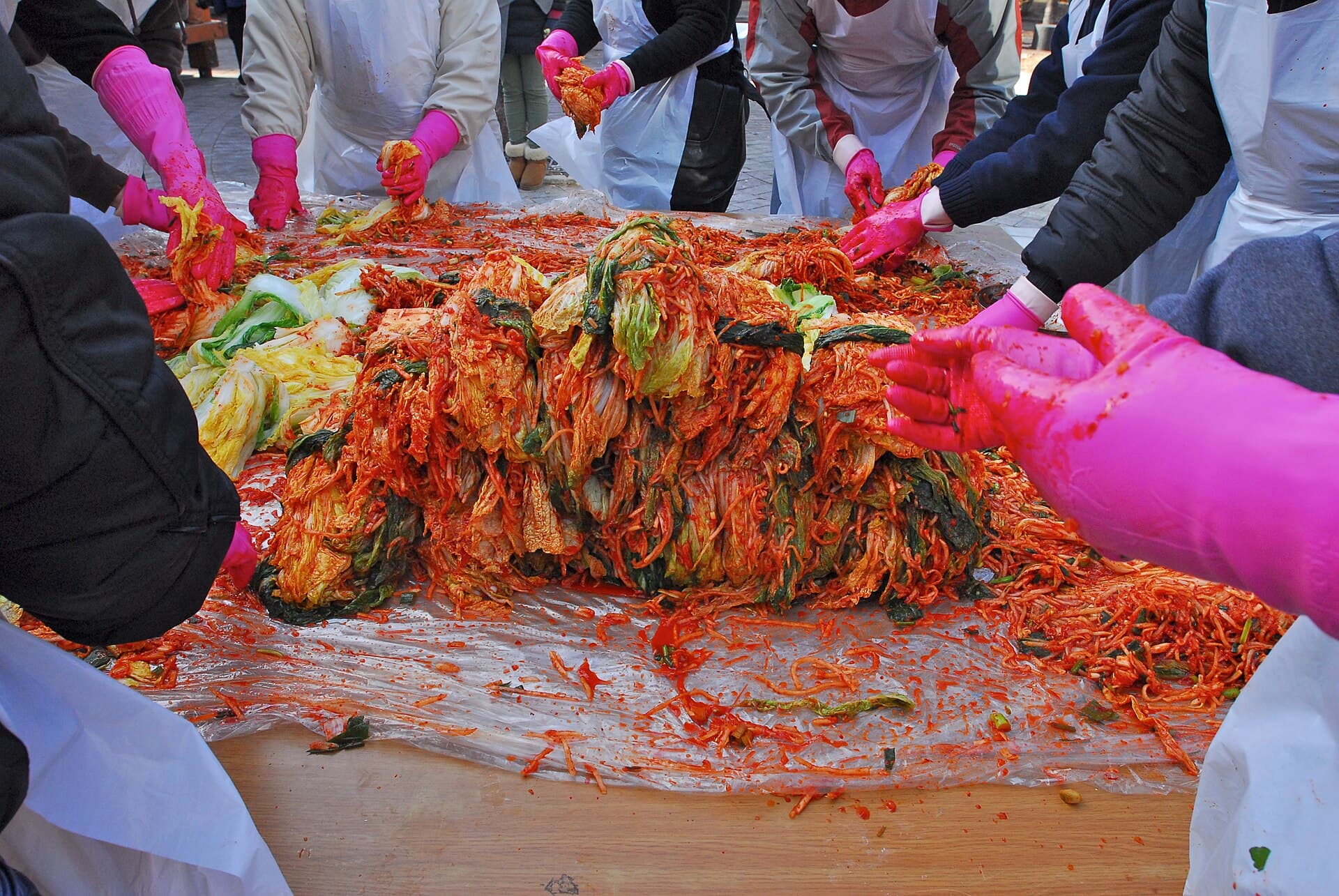
Every autumn, families and neighbors salt dozens of cabbages together. Meet kimjang, the communal kimchi-making listed by UNESCO in 2013.

Baby voice, finger heart, buing buing: aegyo is a Korean relational language. Origins, repertoire, the gender debate, and its Asian cousins decoded.
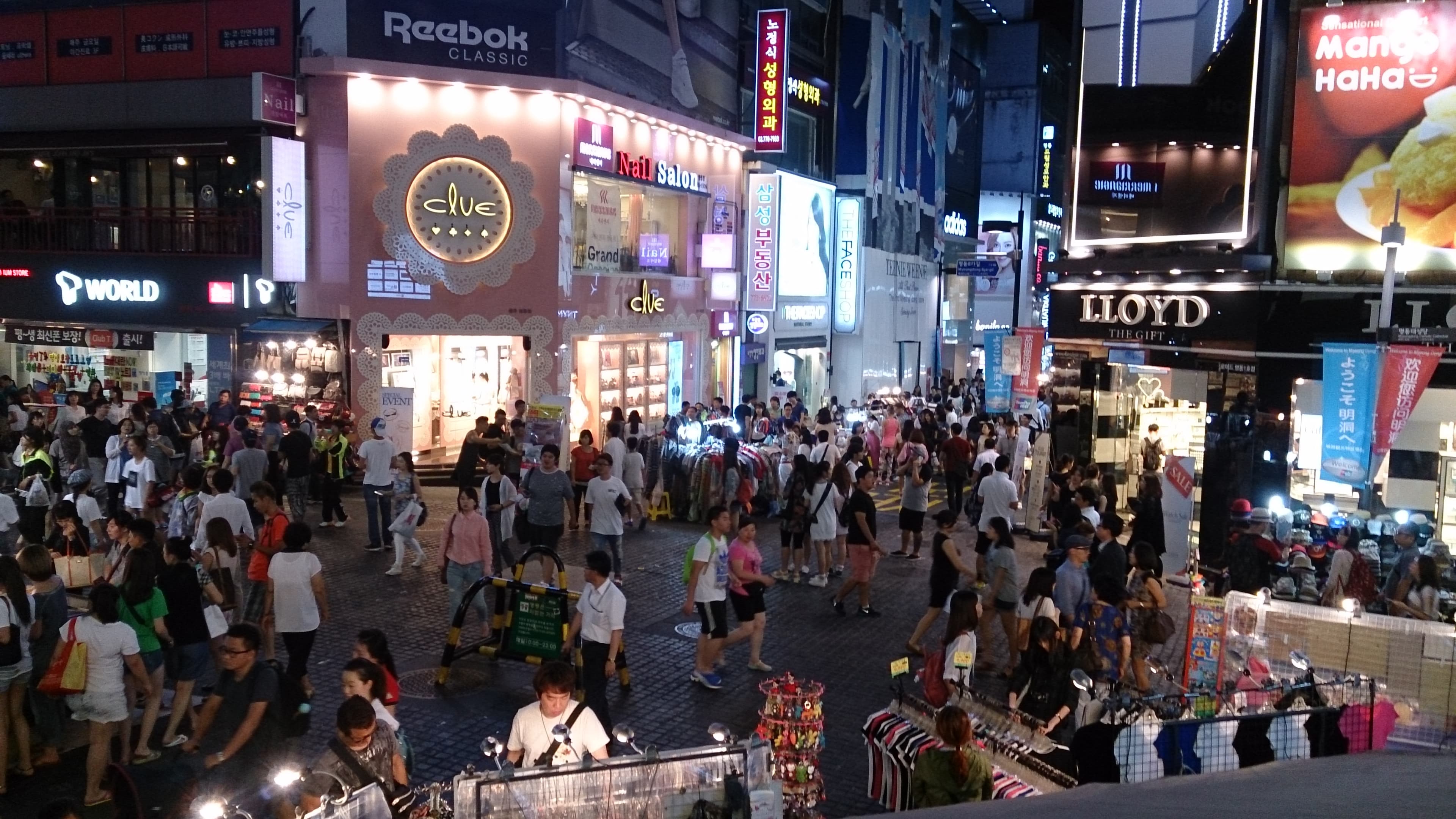
Bullet delivery, the world's fastest internet, the Miracle on the Han River: inside palli-palli, the national reflex that built Korea and sometimes broke it.
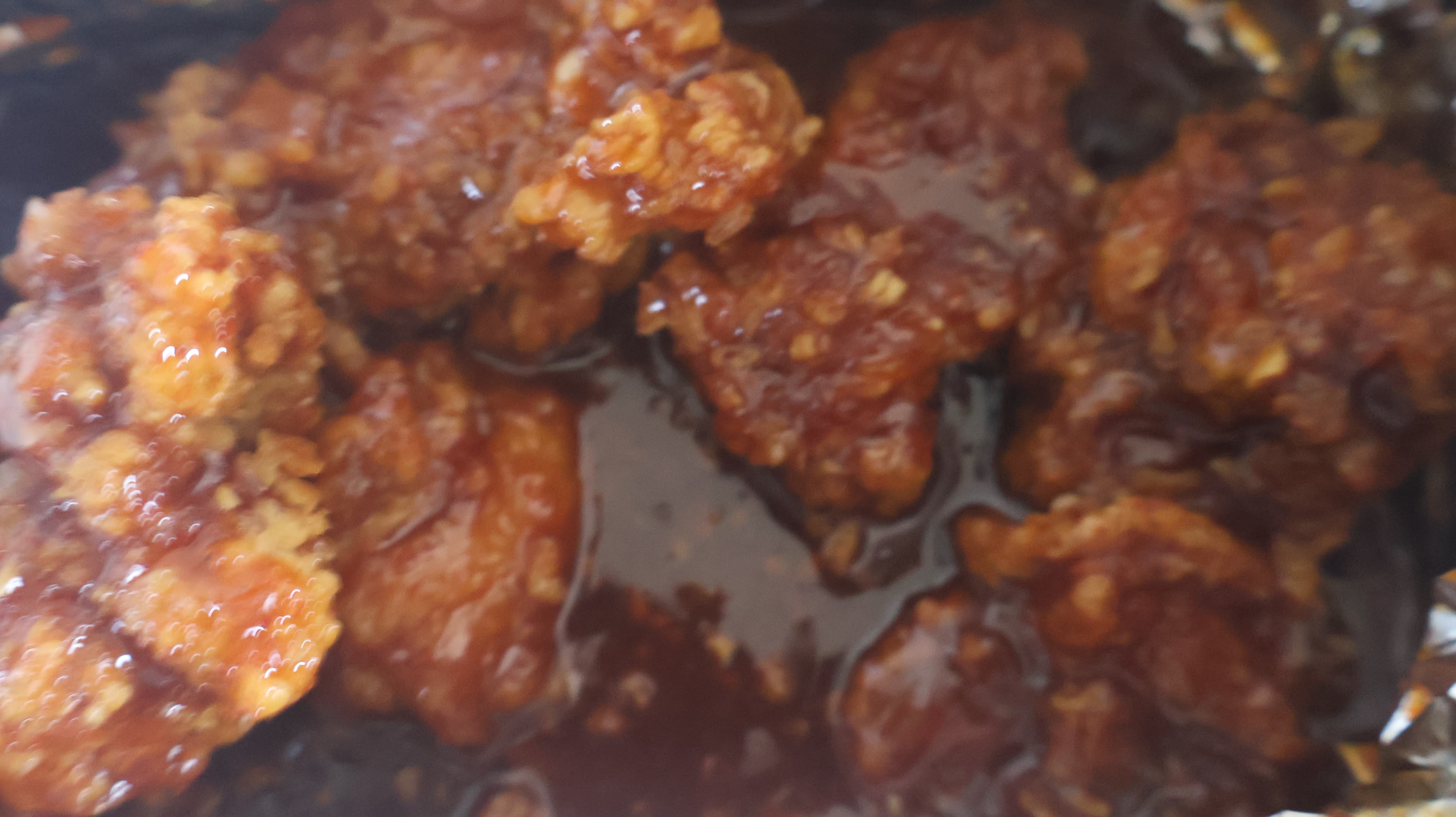
Crisp fried chicken and cold beer: how chimaek became a ritual of Korean sociability and a cultural export of the country.
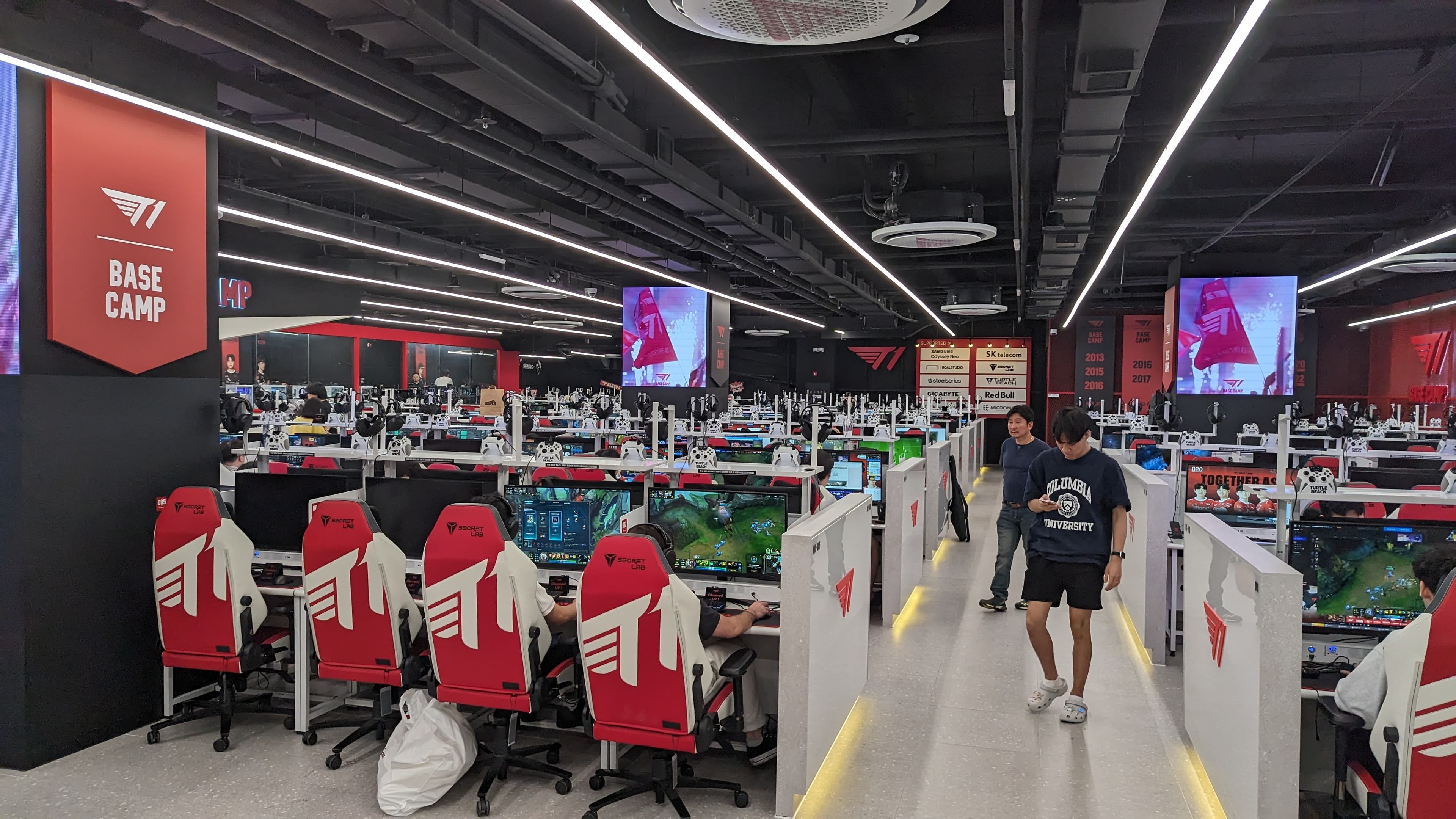
Born of the 1997 crisis and the StarCraft wave, Korea's PC bang industrialized a passion and invented modern e-sports.
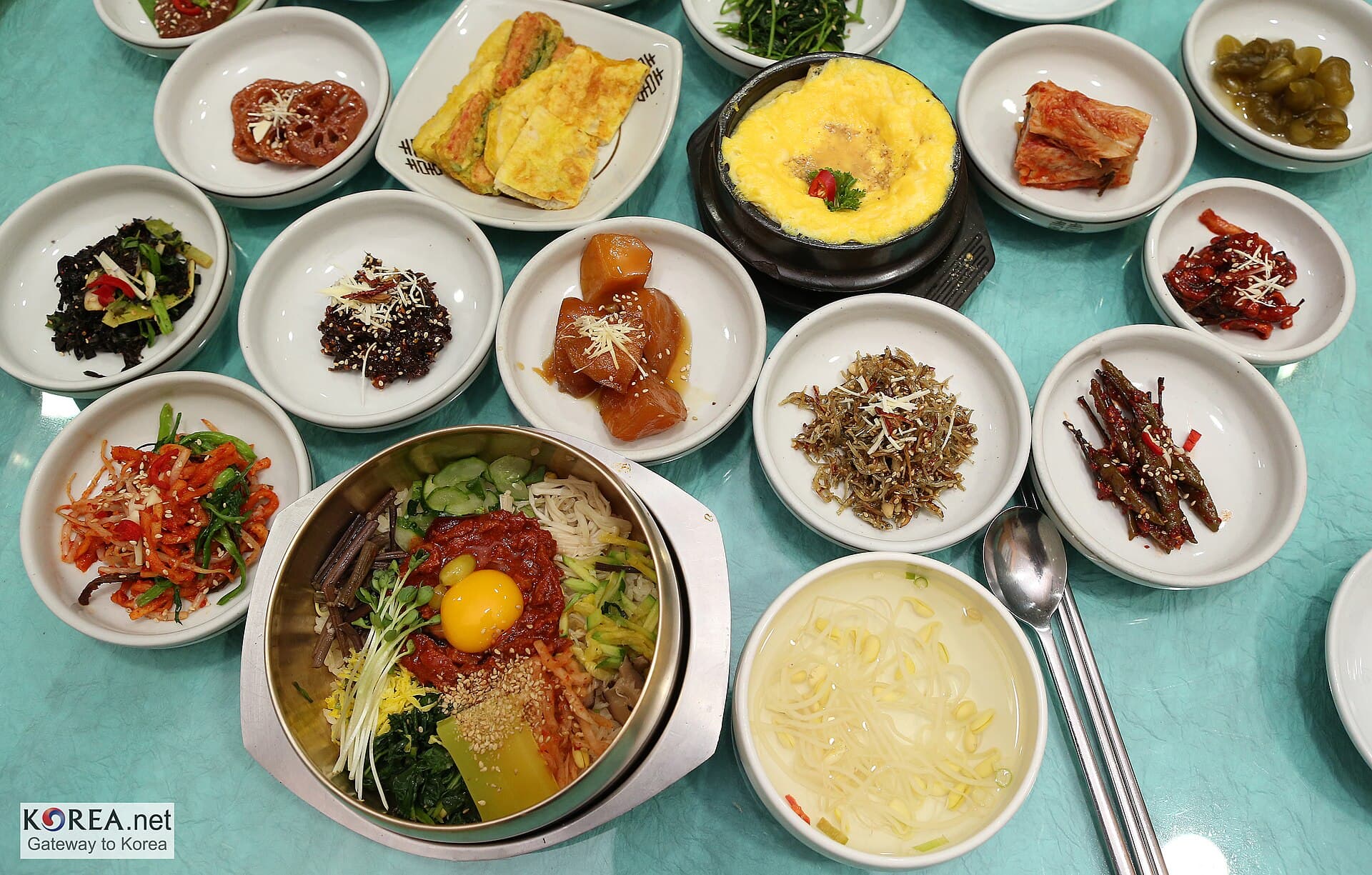
Jeong (정), the Korean affective bond said to be untranslatable: definition, miun jeong, uri and the culture of we. Understanding the feeling that weaves society.
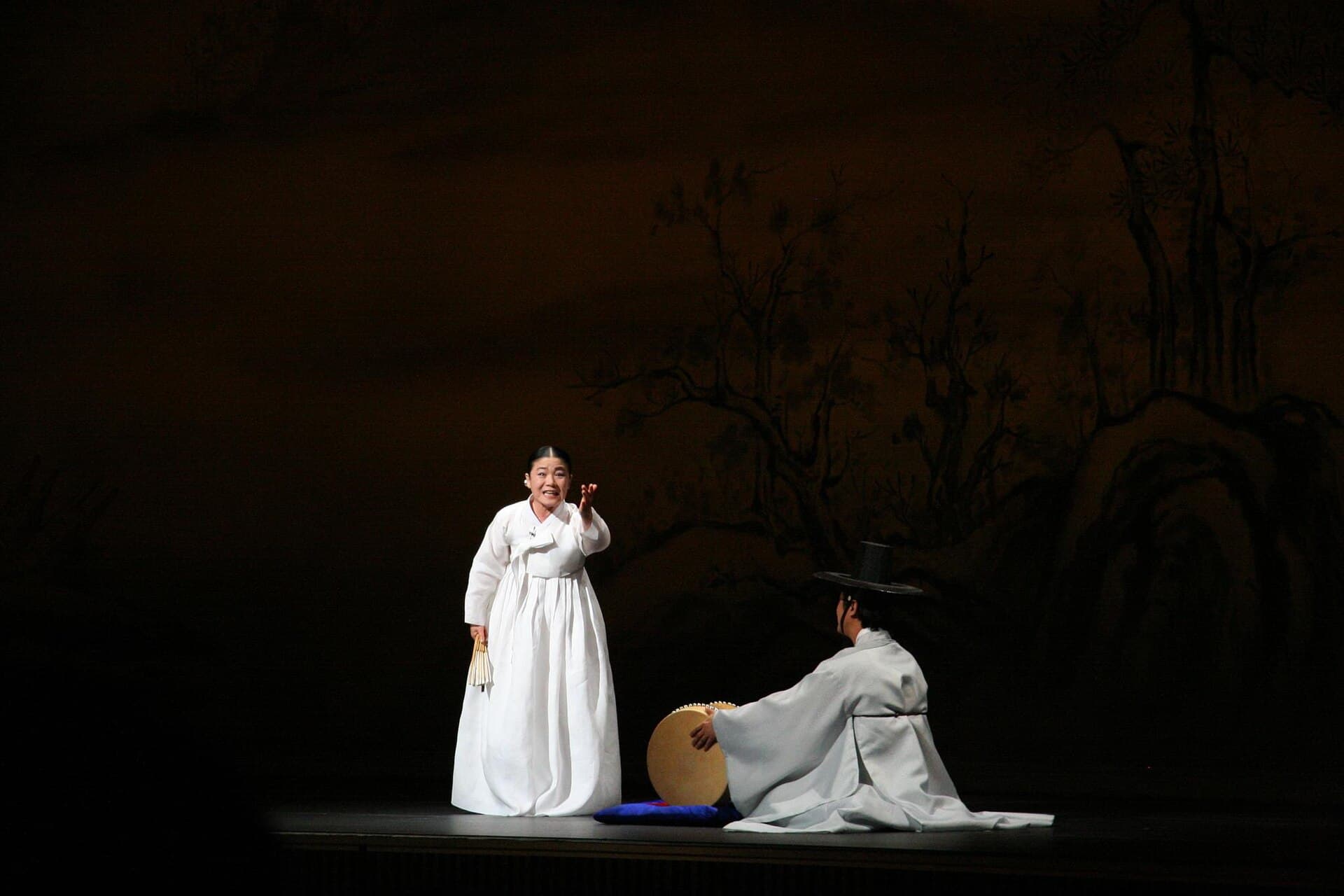
Han (한, 恨), that Korean sorrow made of swallowed resentment and endurance, is it an age-old essence or a colonial invention? An honest inquiry.
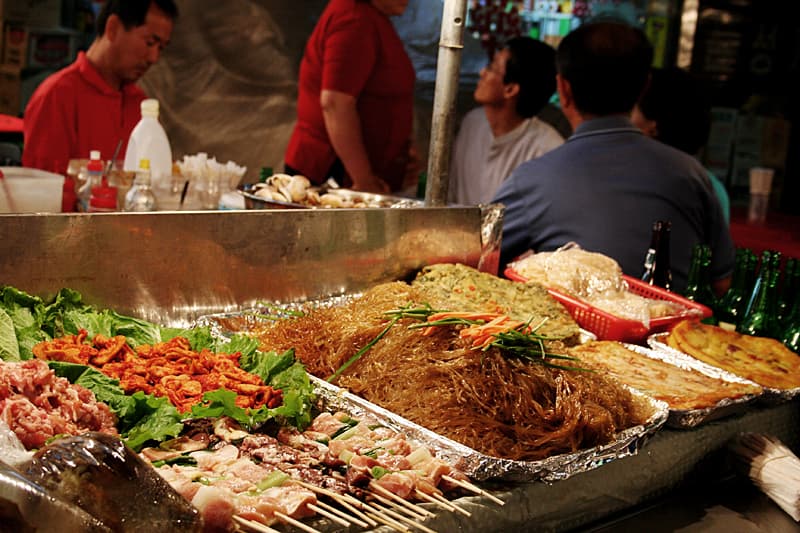
Discovering Korean pojangmacha: history, atmosphere, signature dishes (tteokbokki, odeng, somaek) and their place in popular culture and K-dramas.
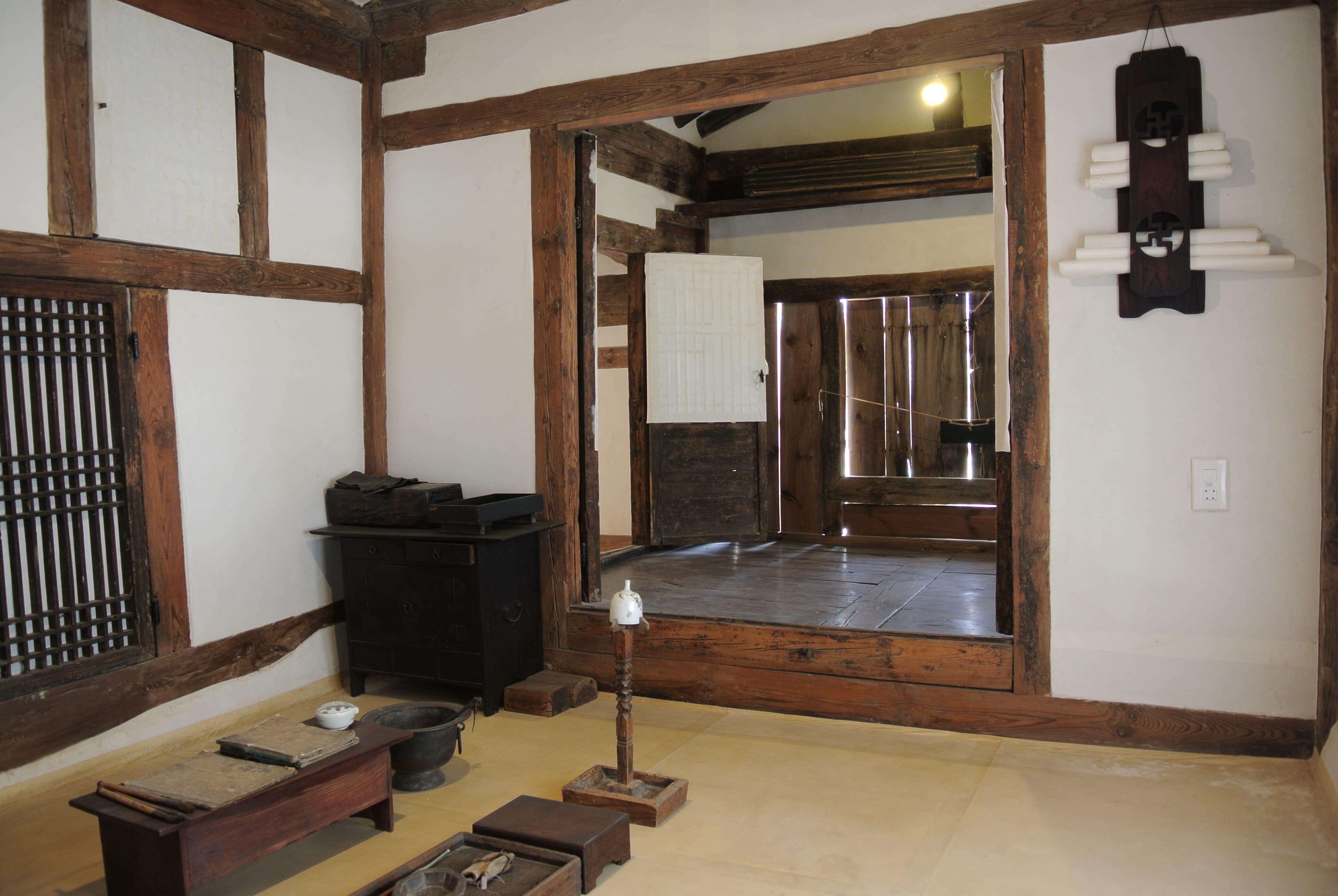
History and workings of Korean ondol: the underfloor heating that shaped architecture, sleeping habits, cuisine and daily life in Korea.
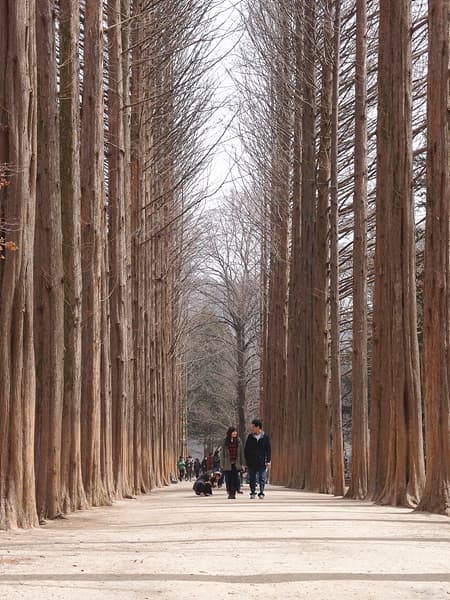
Discover Namiseom, Nami Island in Gapyeong: the legendary Winter Sonata filming location, metasequoia lanes, culture and tourism in South Korea.
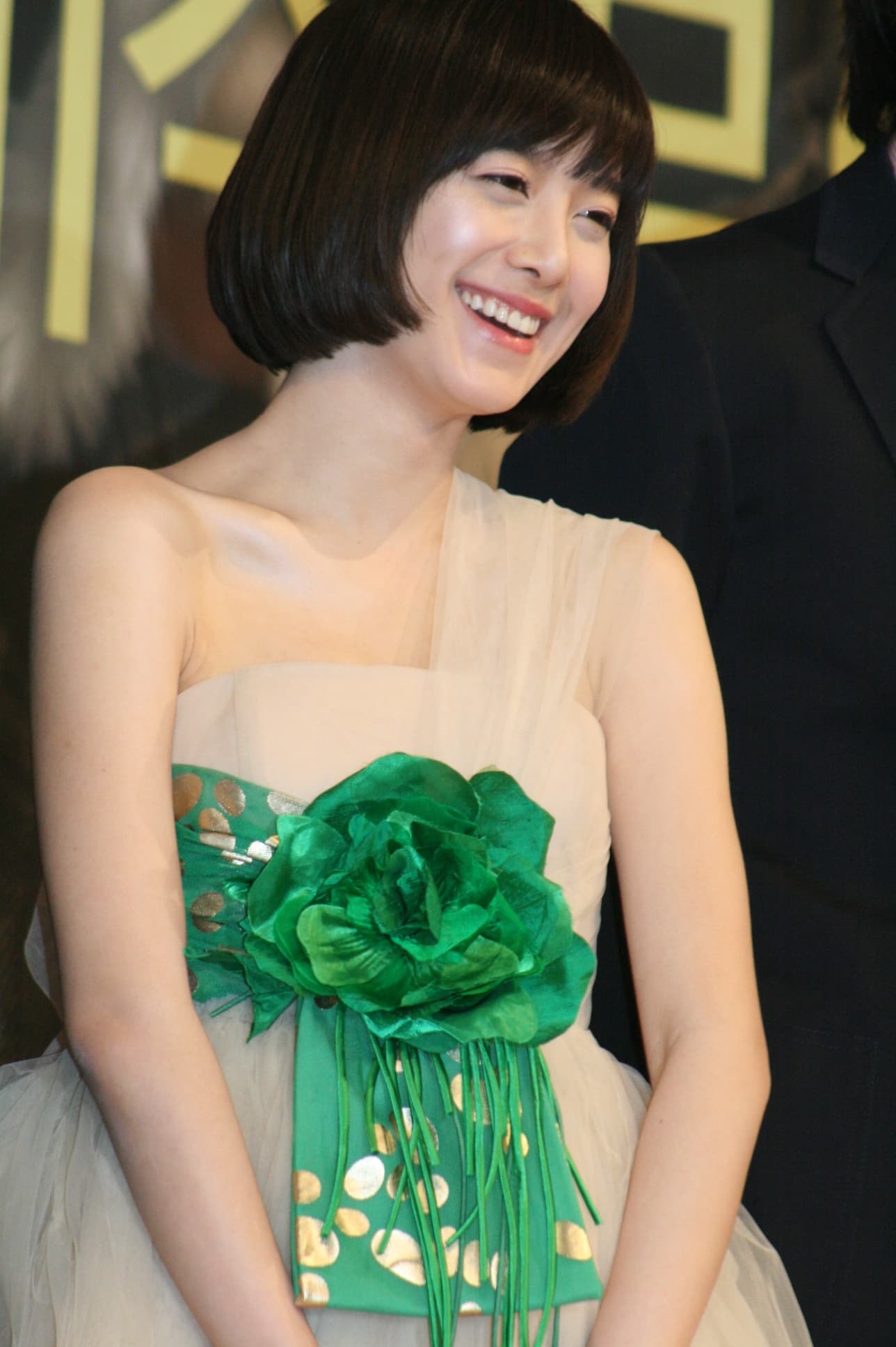
From Hana Yori Dango to Boys Over Flowers, a look back at the history of a franchise that crossed borders, languages, and screens, from shojo manga to the most widely exported K-drama of the 21st century.
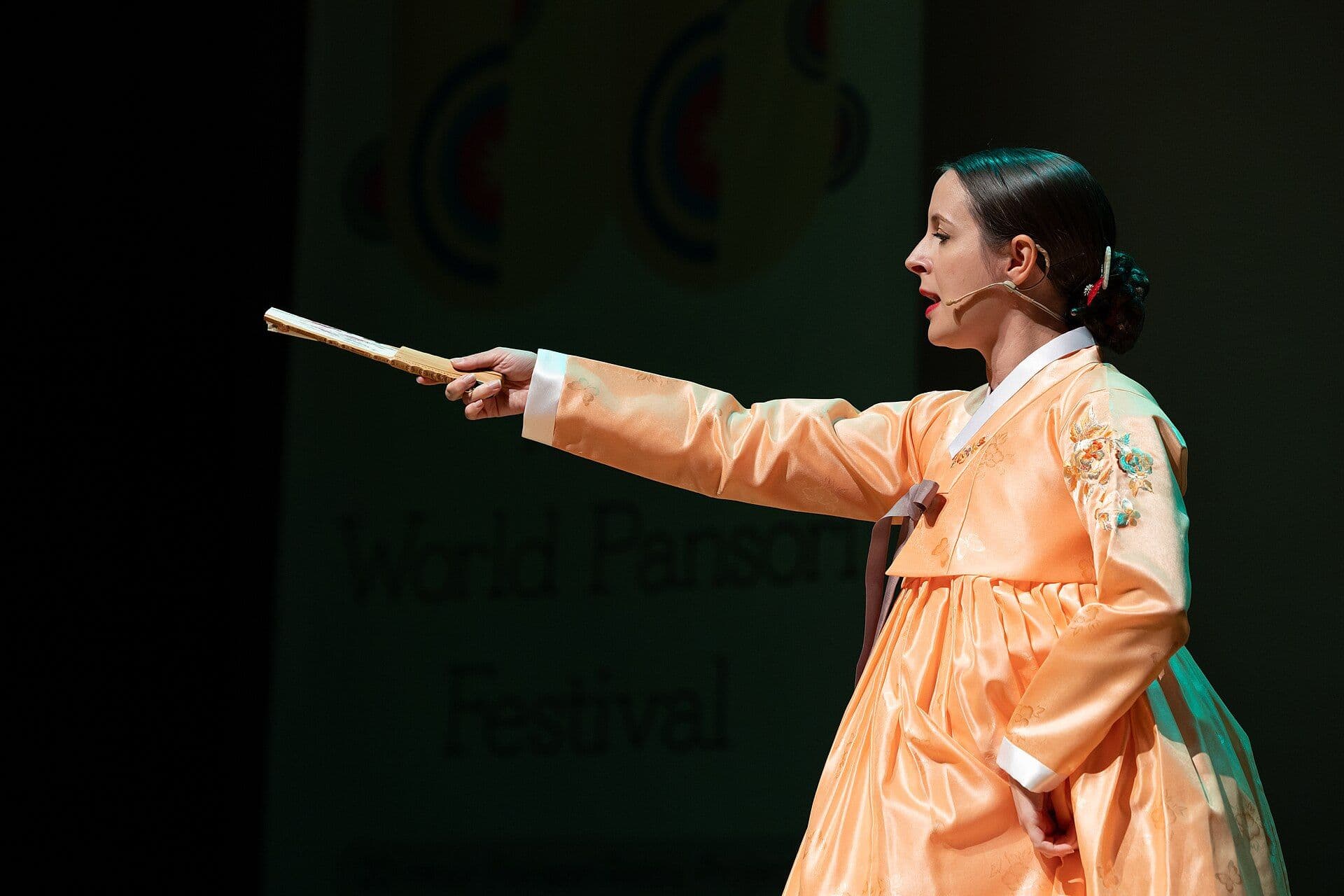
Discovering pansori, the Korean epic chant: the singer and his drum, han, the great tales, the UNESCO listing and its surprising revival.
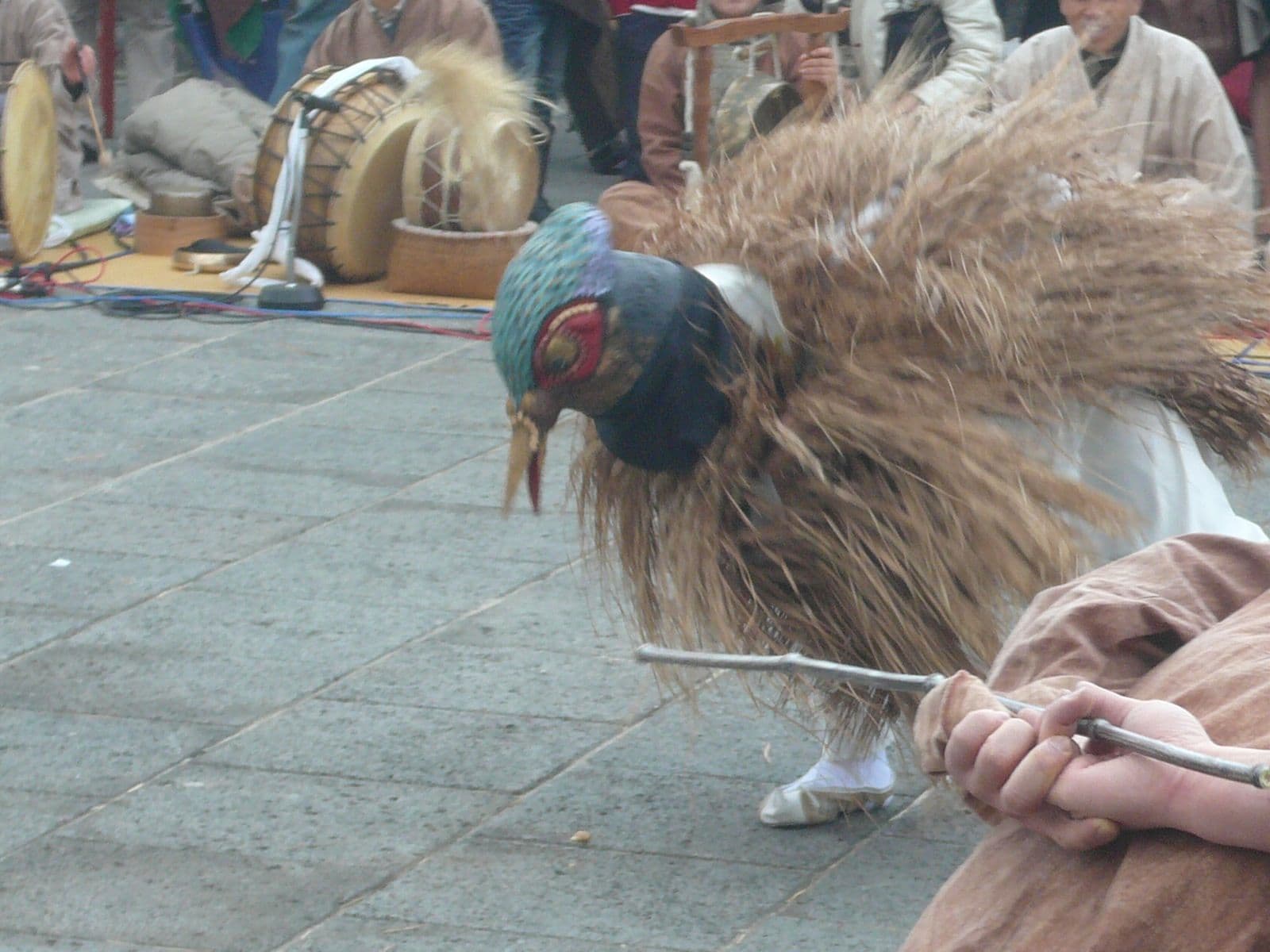
History and meaning of talchum, Korean masked dance theatre: tal masks, satire of the powerful, village rites, regional variants and UNESCO heritage status.
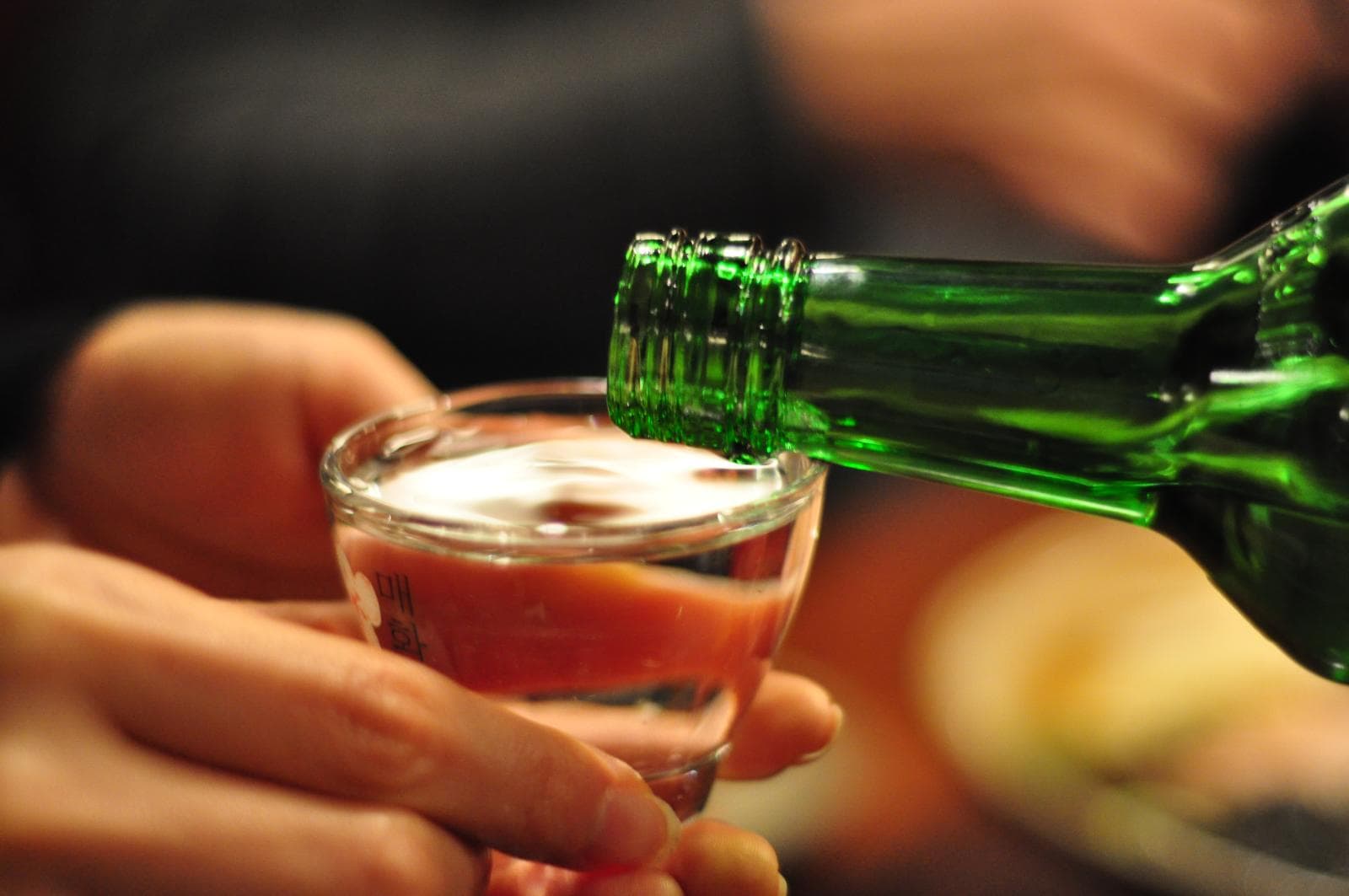
The history of soju, Korea's national spirit: its Mongol origins, the rice ban, the Jinro brand, the etiquette of the glass and soju's place in Korean culture.
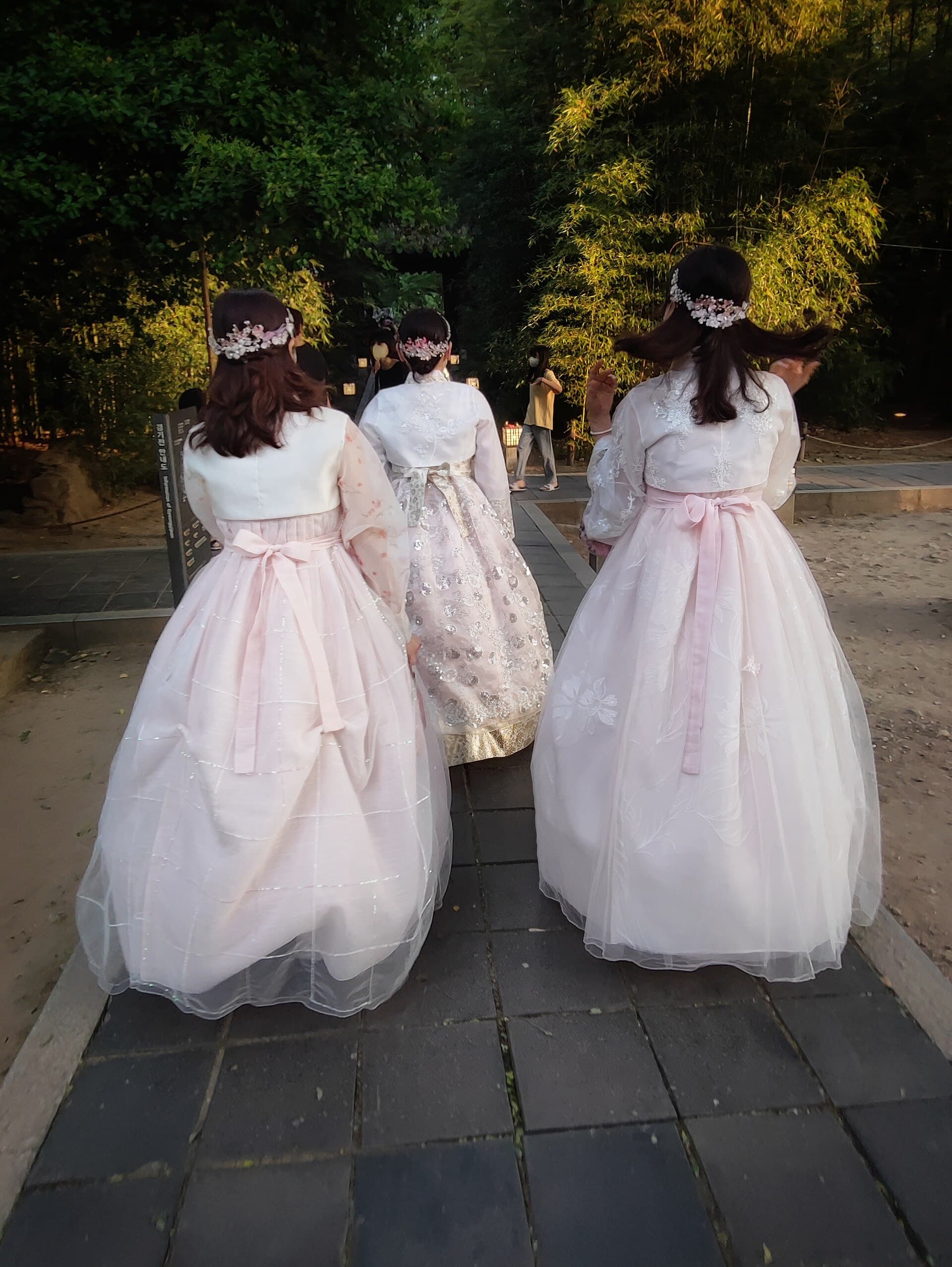
All about the hanbok, Korea's traditional dress: origins, jeogori and chima, obangsaek colors, etiquette, modern revival, and rental at Seoul's palaces.
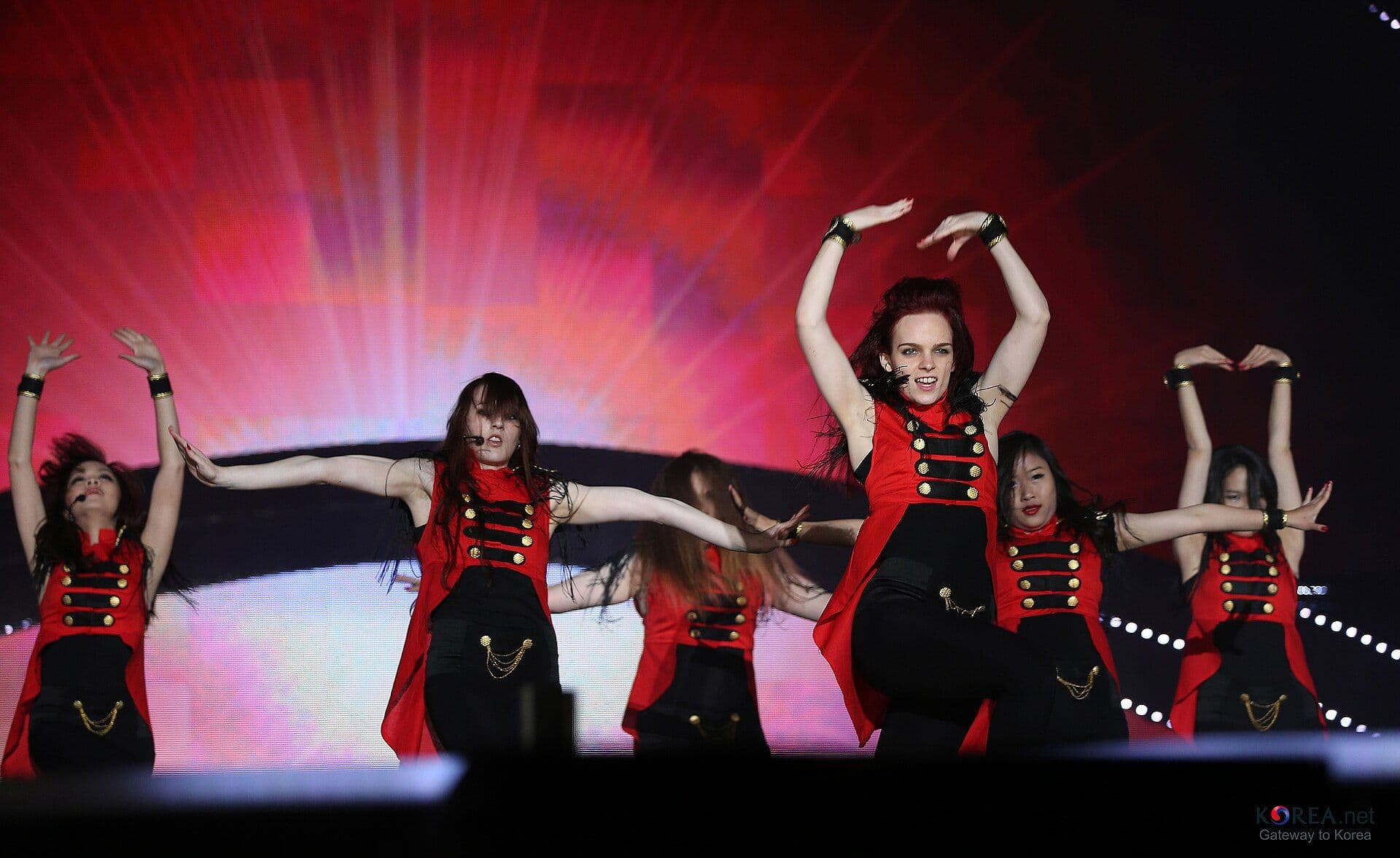
The history of hallyu, the Korean wave: the birth of the term, K-dramas, K-pop, Parasite and Squid Game, soft power and the state strategy behind a global phenomenon.
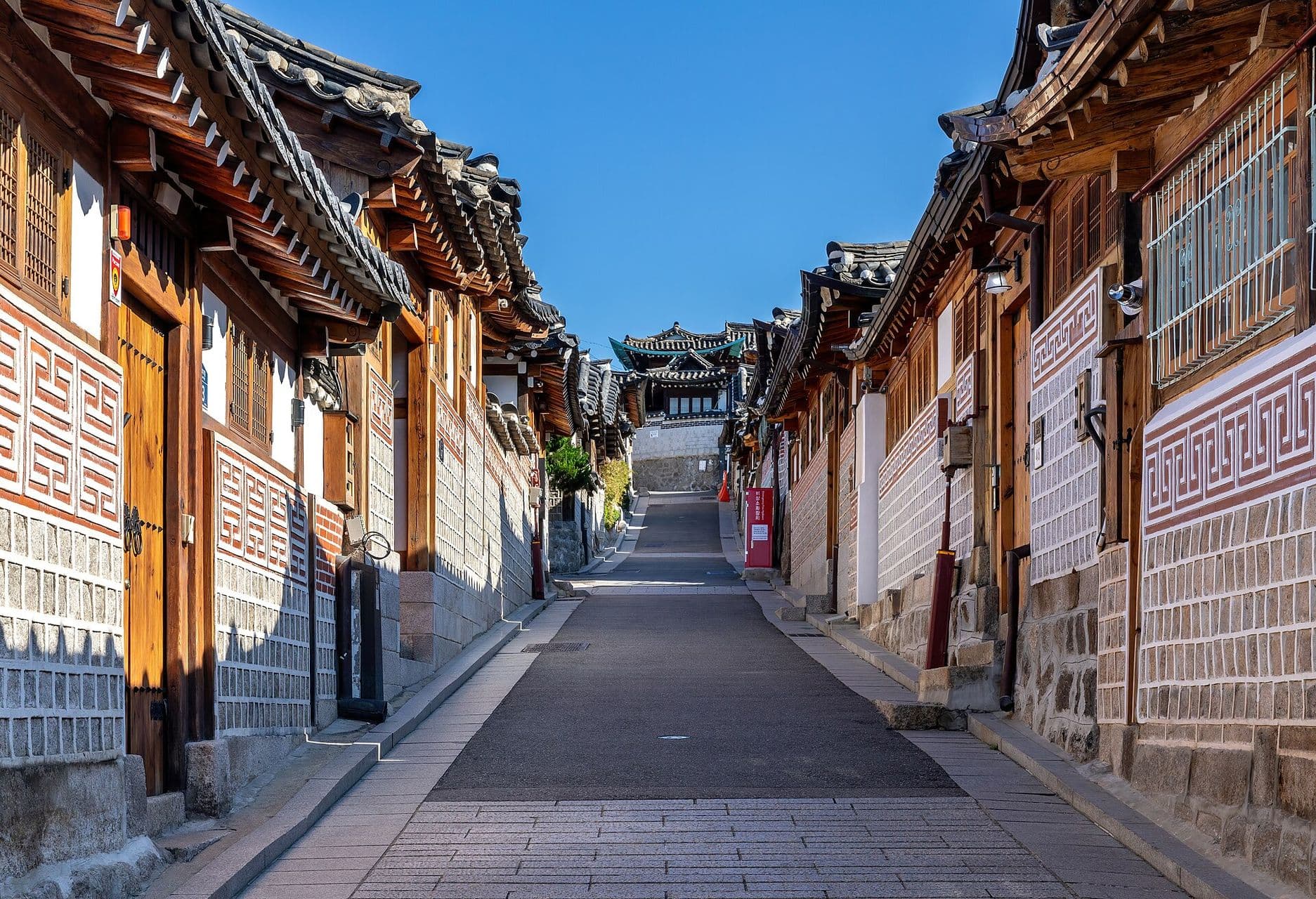
History and secrets of the hanok, the traditional Korean house: ondol underfloor heating, maru wooden floor, curved tiled roofs, hanji paper and harmony with nature.
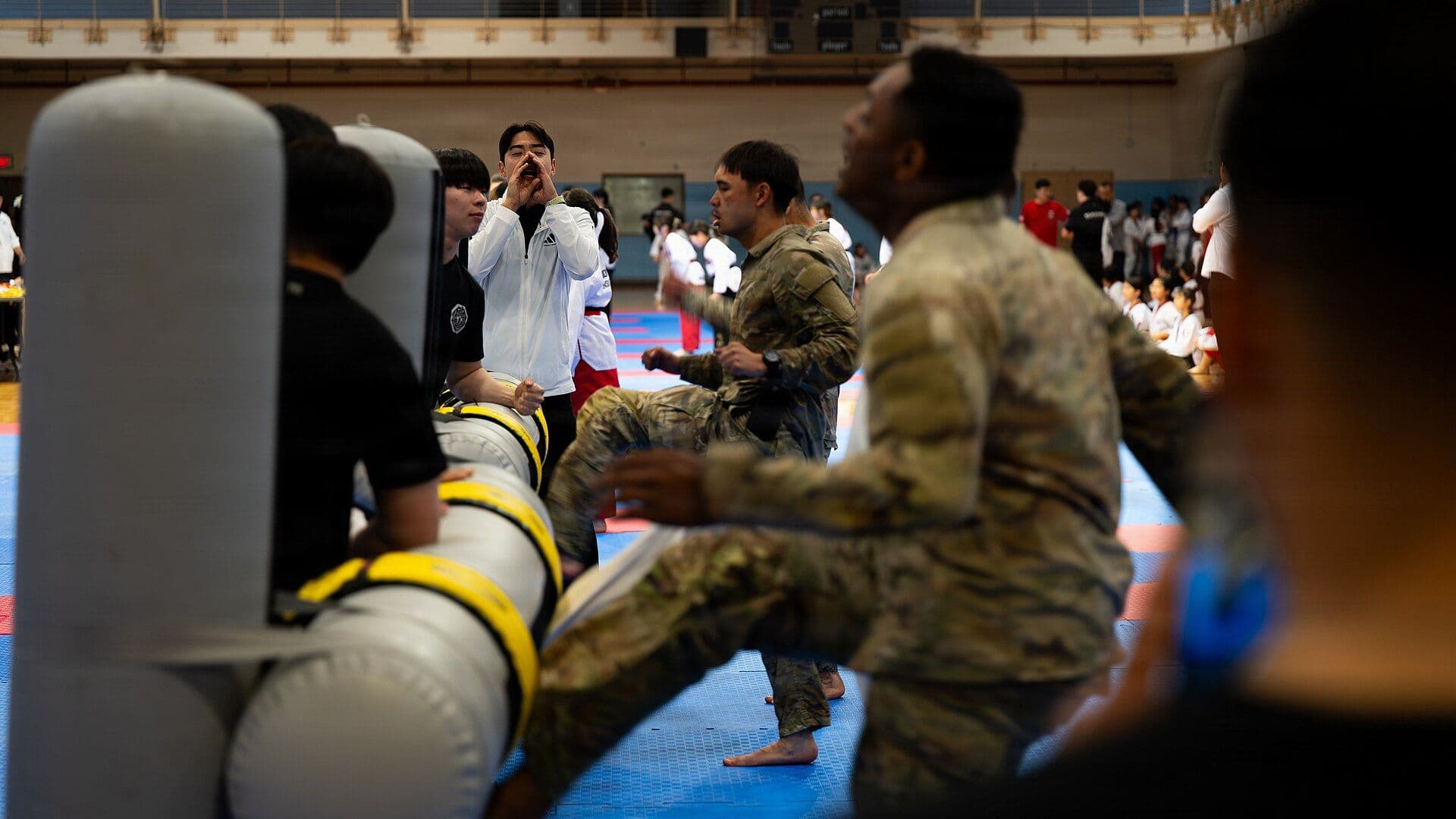
The history of taekwondo, the Korean martial art: its origins after 1945, the unification of the kwans, the ITF/WTF rift, the belts, the poomsae and the Olympic path.
Discovering the jjimjilbang, the 24-hour Korean public bathhouse: hot and cold baths, heat rooms, matching uniforms, baked eggs, body scrubs and the etiquette of nudity.
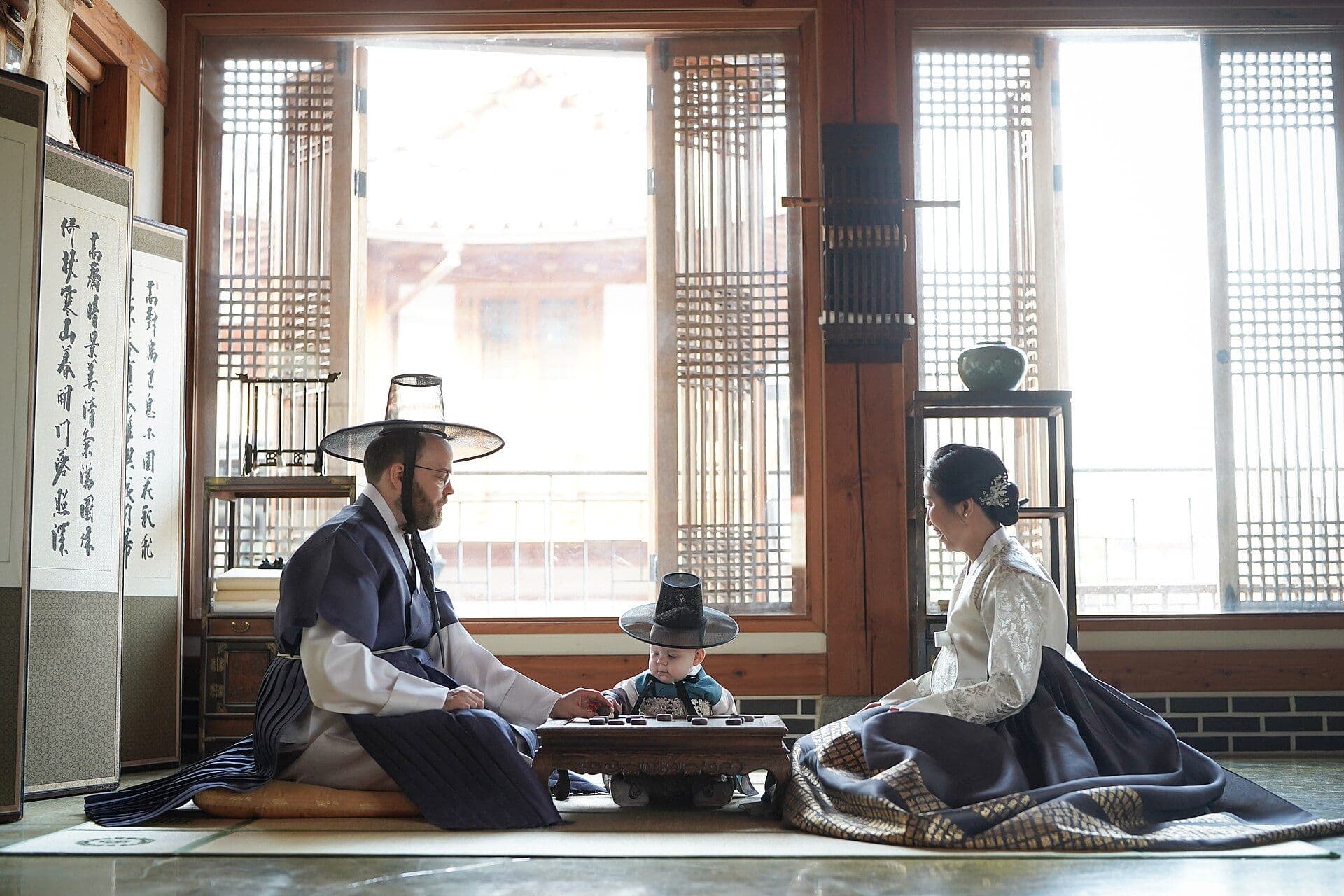
Understanding Korean age: born at one, aging on New Year's Day, the three coexisting systems and the 2023 reform that made a whole country younger.