Business & Tech6 min
K-pop for export: YouTube, song camps and cultural policy
Three concrete cogs behind K-pop's export: distribution through YouTube, the song camps where foreign writers build the hits, and state support.
Read
Editorial features on the cultures, history and languages of Asia. Filter by culture, by topic, or search for what inspires you.
Three concrete cogs behind K-pop's export: distribution through YouTube, the song camps where foreign writers build the hits, and state support.
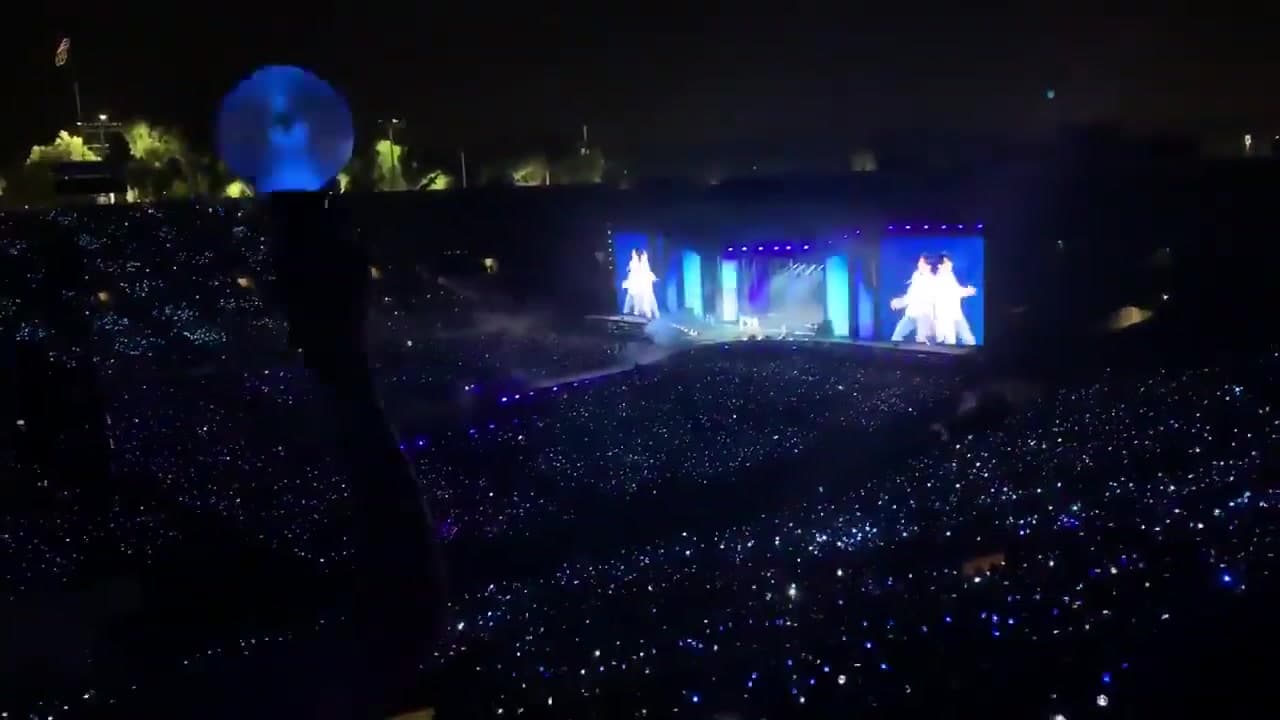
From the small Big Hit agency to stadiums and the United Nations: the story of BTS, the stages of its global breakthrough, the role of ARMY and what it changed for K-pop.

Hearts2Hearts, KiiiKiii, ALLDAY PROJECT, AHOF: what the 2025-2026 rookie class really says about K-pop's fifth generation and its new methods.
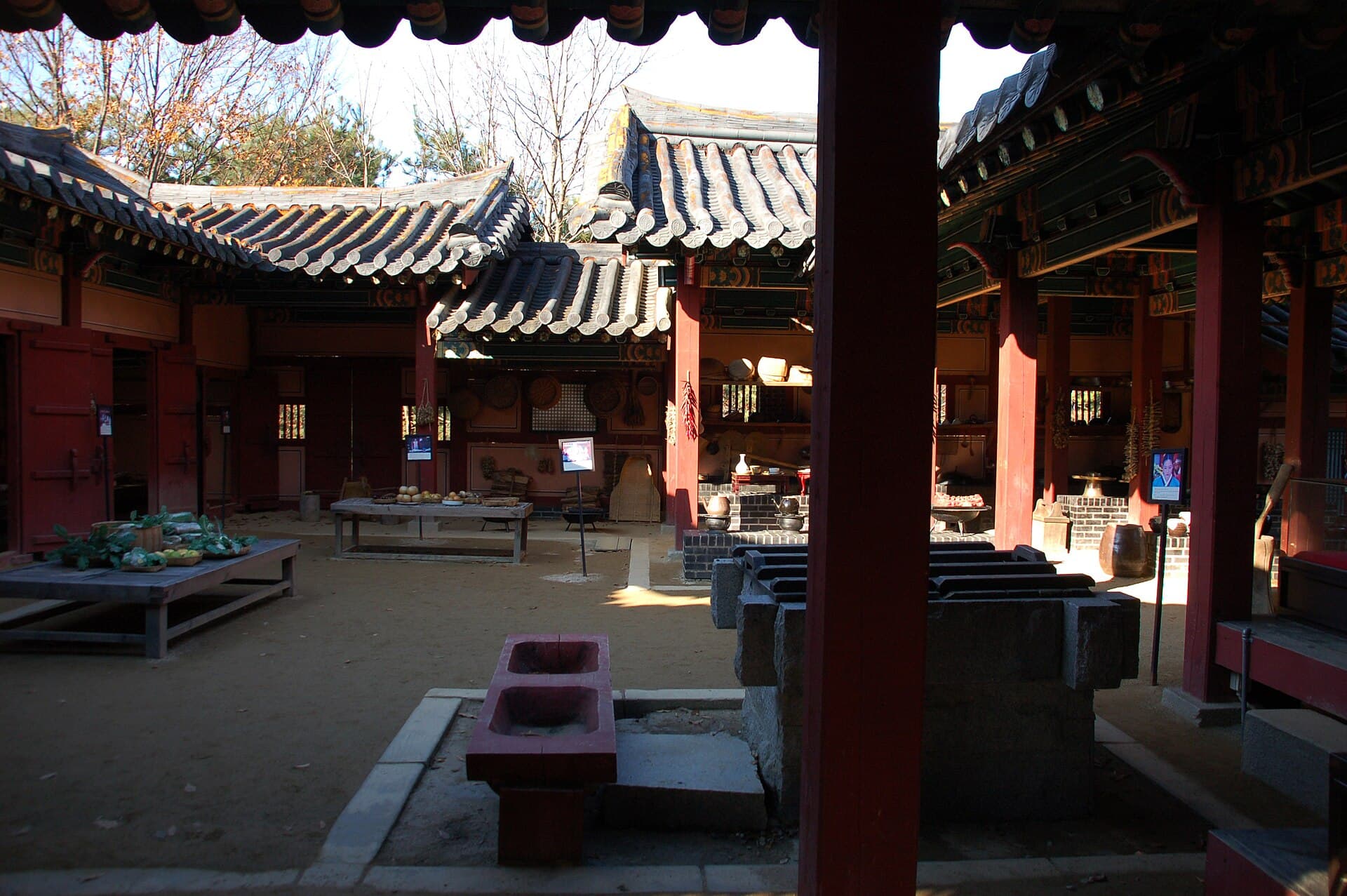
Thirty years in four waves, who broadcasts what, the narrative codes to see once, and the beginner mistakes that spoil your first series.

The K-pop comeback decoded: teaser schedules, multi-version albums, first-week sales, music shows, TikTok challenges and the human cost of the cycle.

Mukbang, those videos of people eating on camera, was born in South Korea around 2009. The story of a portmanteau, a shared distant meal and a worldwide hit.

Baby voice, finger heart, buing buing: aegyo is a Korean relational language. Origins, repertoire, the gender debate, and its Asian cousins decoded.

Crisp fried chicken and cold beer: how chimaek became a ritual of Korean sociability and a cultural export of the country.
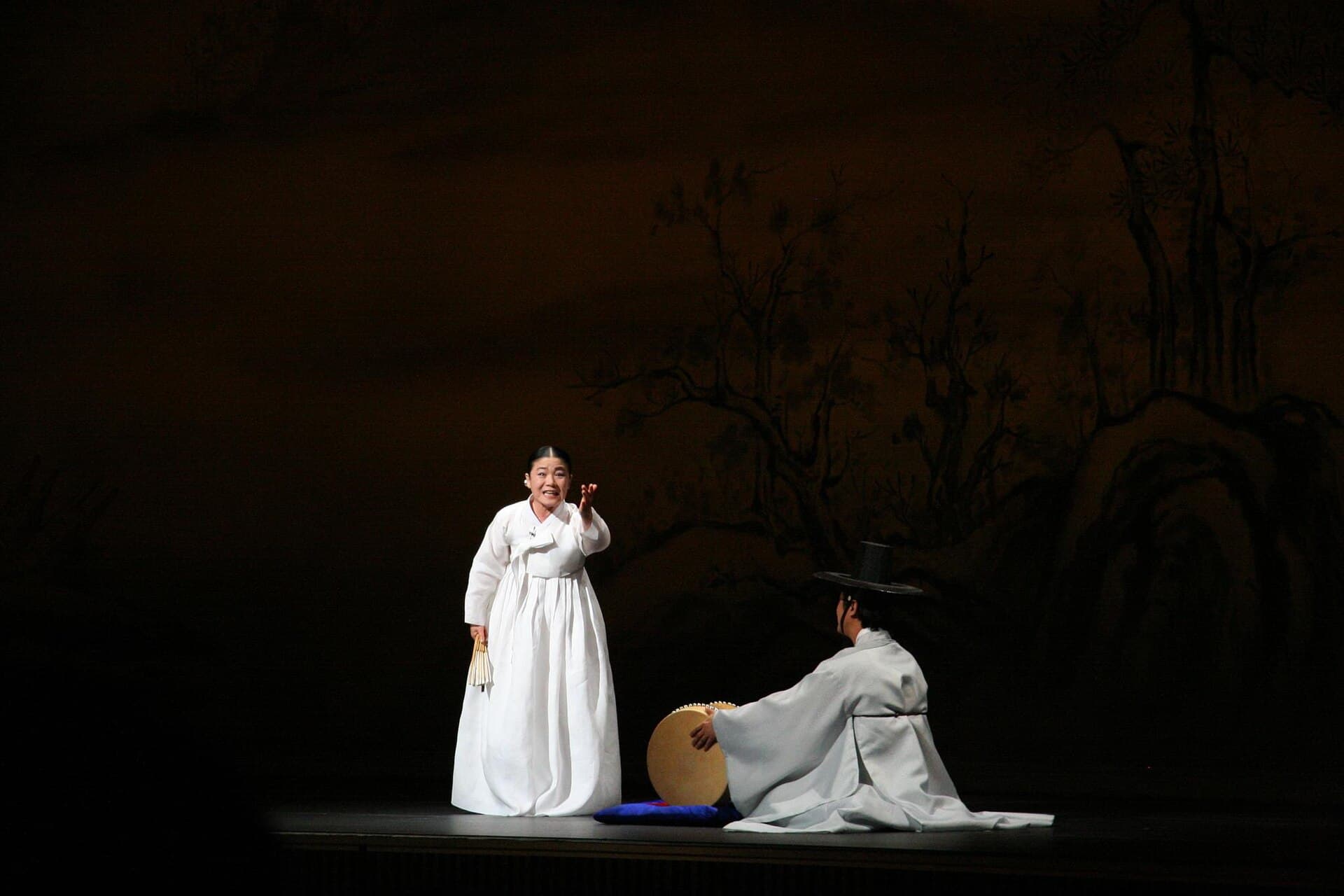
Han (한, 恨), that Korean sorrow made of swallowed resentment and endurance, is it an age-old essence or a colonial invention? An honest inquiry.

How the trainee system works in South Korea. Recruitment from age 10, 2-7 years of intensive training, Big 4 (HYBE, SM, JYP, YG), trainee debt and 2025 reforms.

Seo Taiji, TVXQ, BTS, NewJeans: what really separates K-pop's five generations, with dates, founding groups and shifts in the model.

From Hana Yori Dango to Boys Over Flowers, a look back at the history of a franchise that crossed borders, languages, and screens, from shojo manga to the most widely exported K-drama of the 21st century.

The history of hallyu, the Korean wave: the birth of the term, K-dramas, K-pop, Parasite and Squid Game, soft power and the state strategy behind a global phenomenon.