Traditions6 min
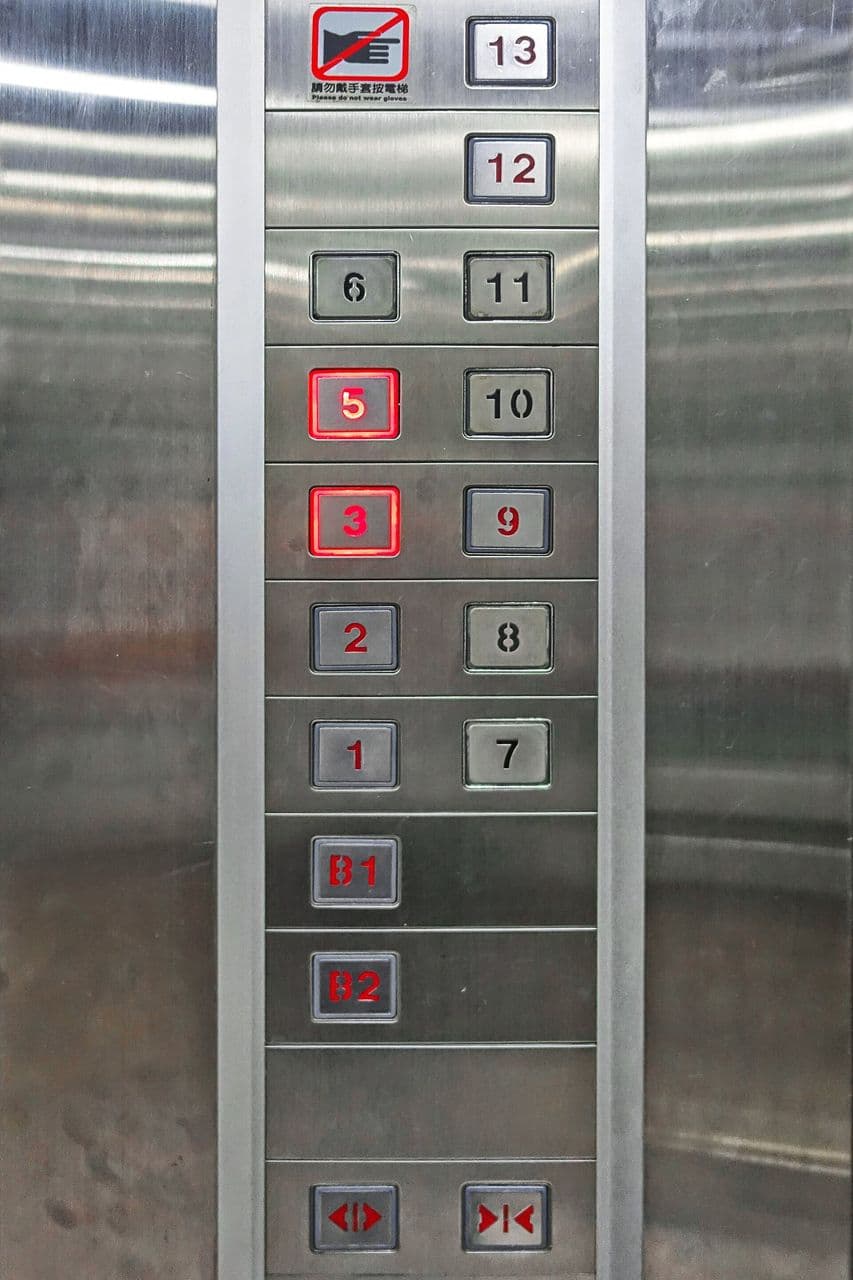
Chinese numbers: why 4 frightens and 8 sells
The 4 that sounds like death, the 8 that sounds like wealth: how homophony governs floors, licence plates, gifts and prices in China.
Read
Editorial features on the cultures, history and languages of Asia. Filter by culture, by topic, or search for what inspires you.
The 4 that sounds like death, the 8 that sounds like wealth: how homophony governs floors, licence plates, gifts and prices in China.
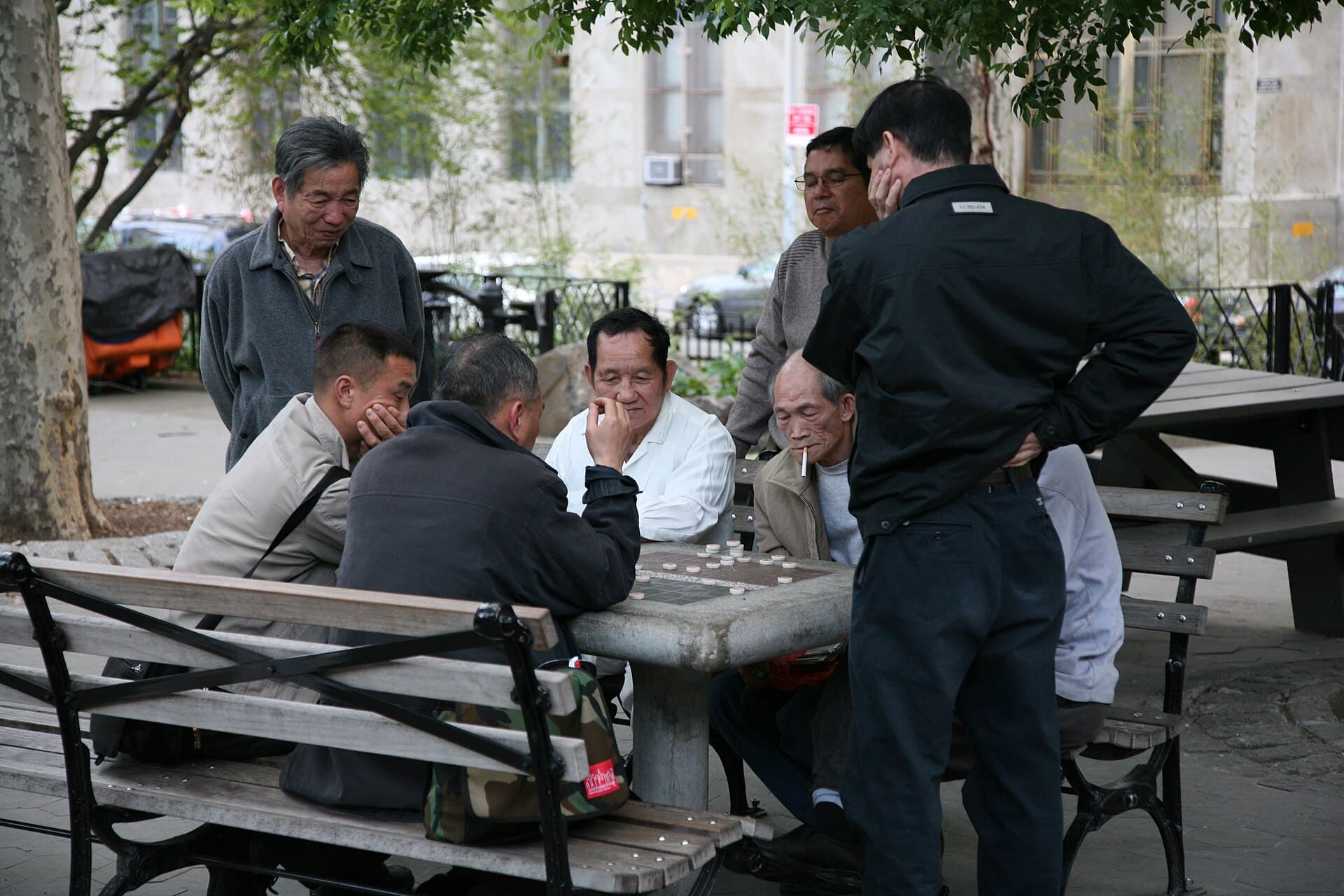
Rules, pieces, origins and scandals of xiangqi, Chinese chess: the river across the board, the cannon that needs a screen, and the lifetime bans of 2024.
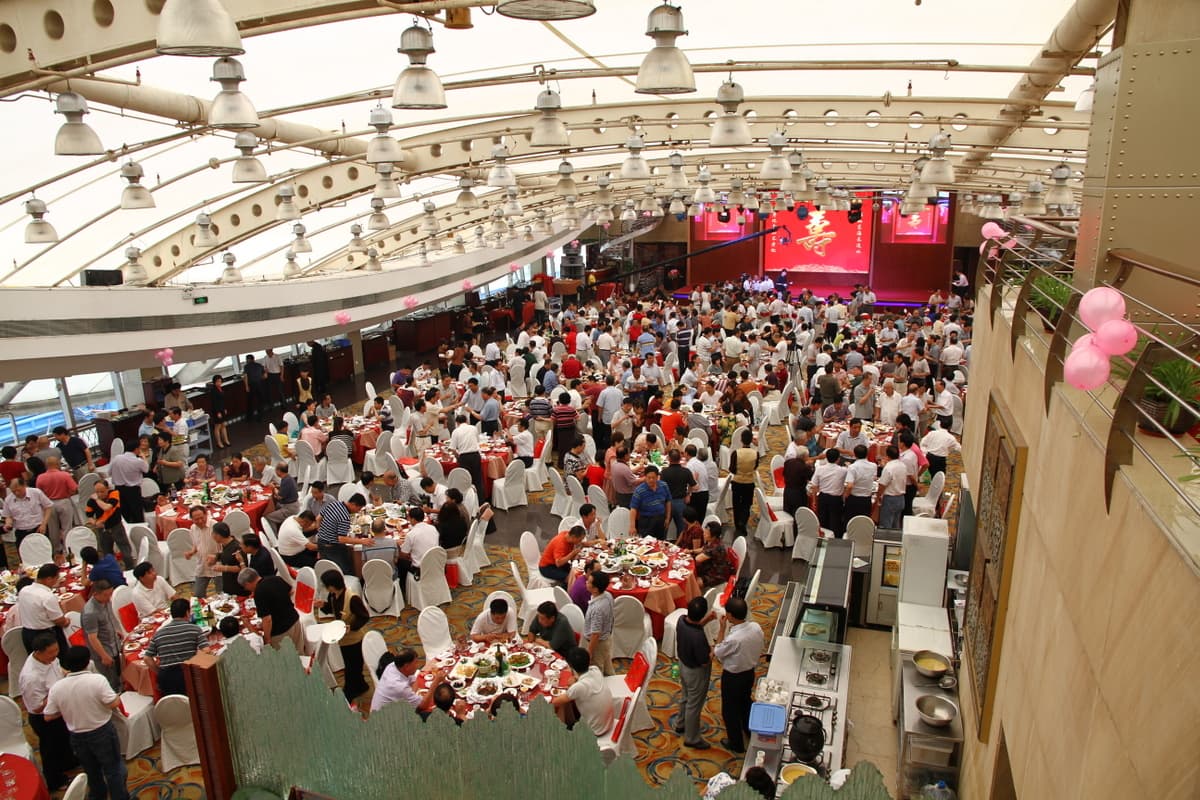
Renqing, mianzi, banquets, favour debts: what guanxi (关系) really covers, where the line with corruption runs, and what has changed since 2012.
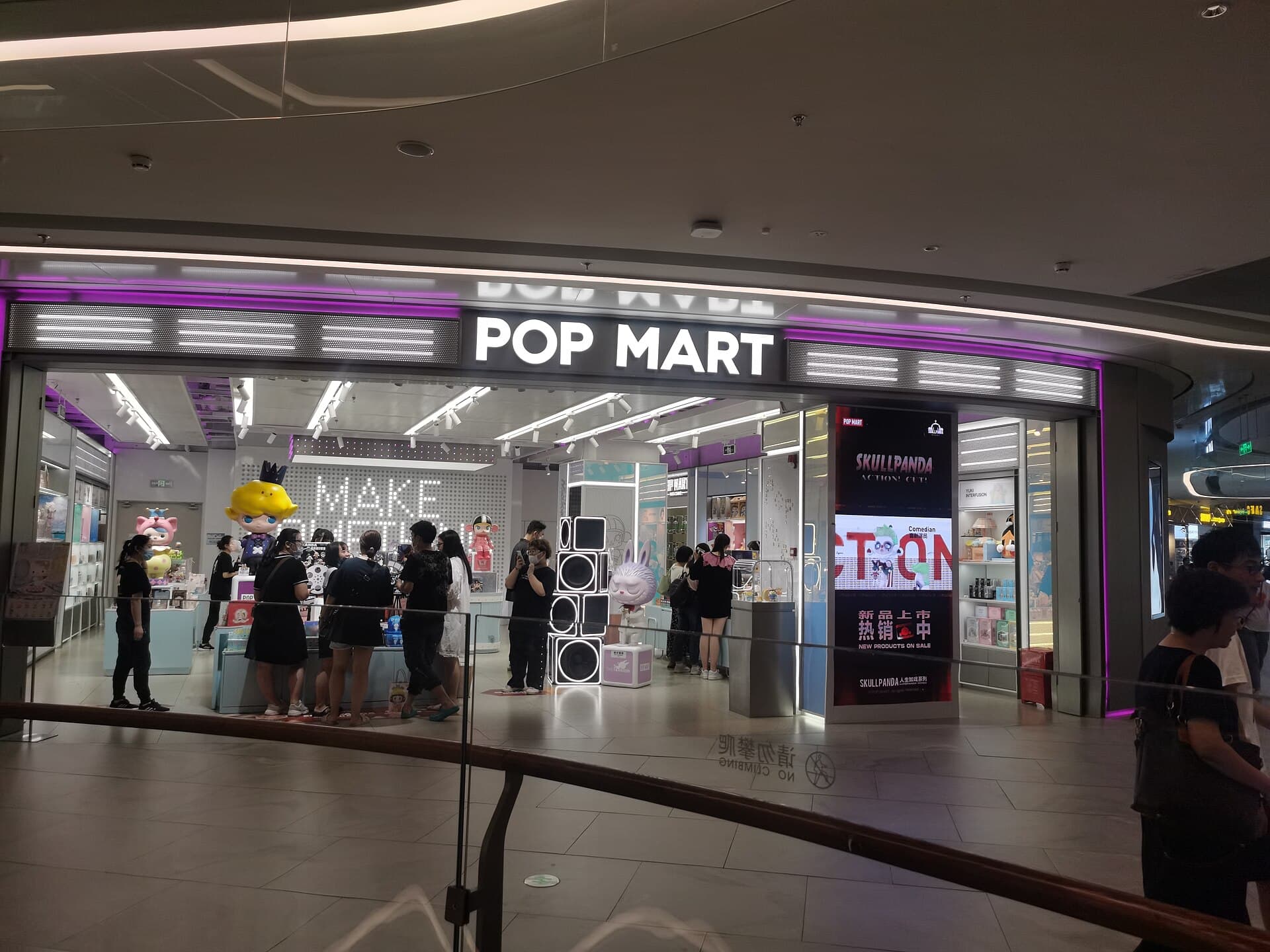
Crybaby, Skullpanda, Hirono: the characters Pop Mart is pushing so it no longer depends on Labubu, the artists behind them, and what this IP portfolio reveals.
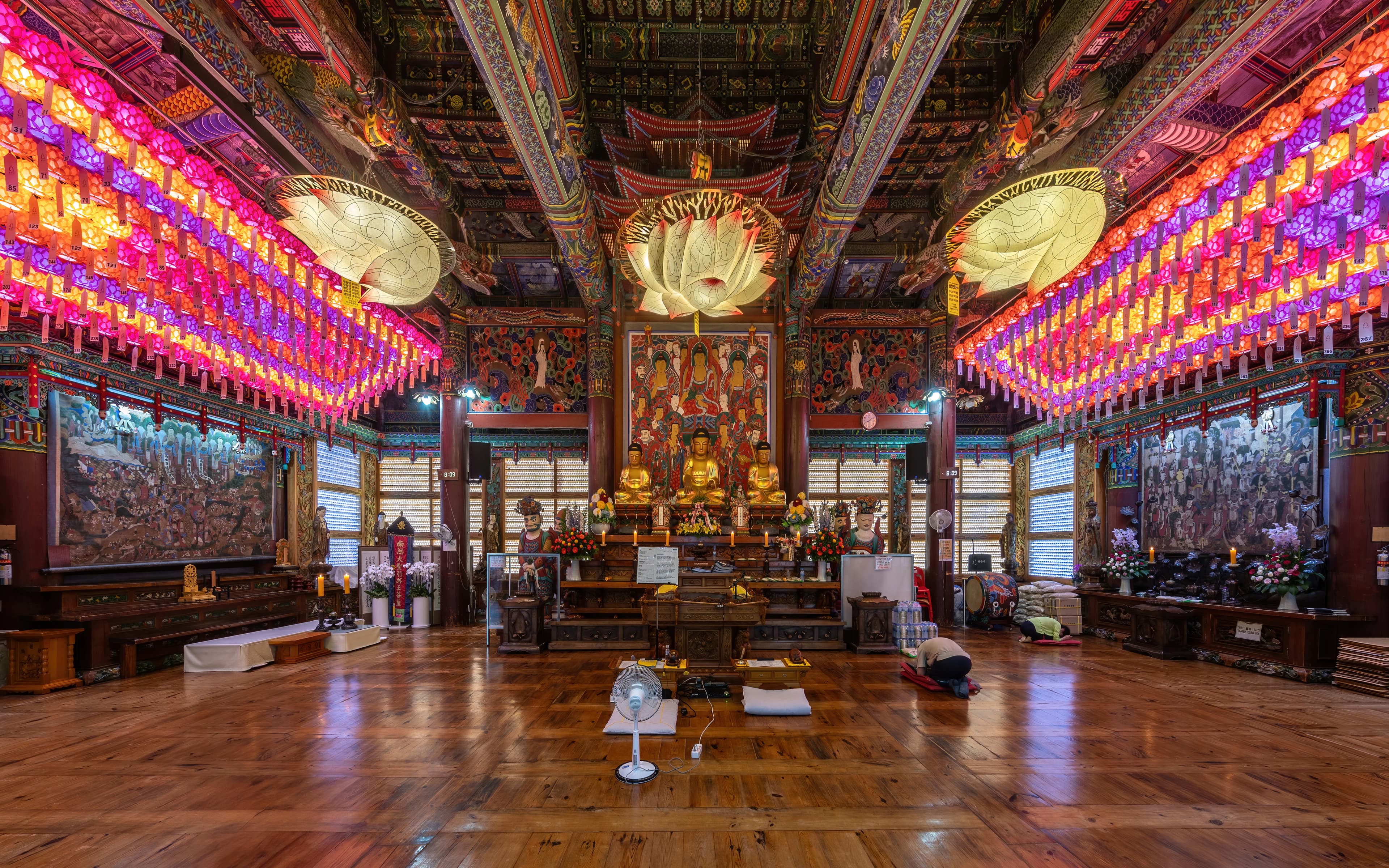
Red that repels evil and protects wood, the gold of the Buddha, the five colours of dancheong: what the colours of Japanese, Chinese and Korean shrines actually say.
Understand mianzi (面子), Chinese 'face': giving, losing, and saving face, and its ties to guanxi, renqing, and Confucianism in everyday life.
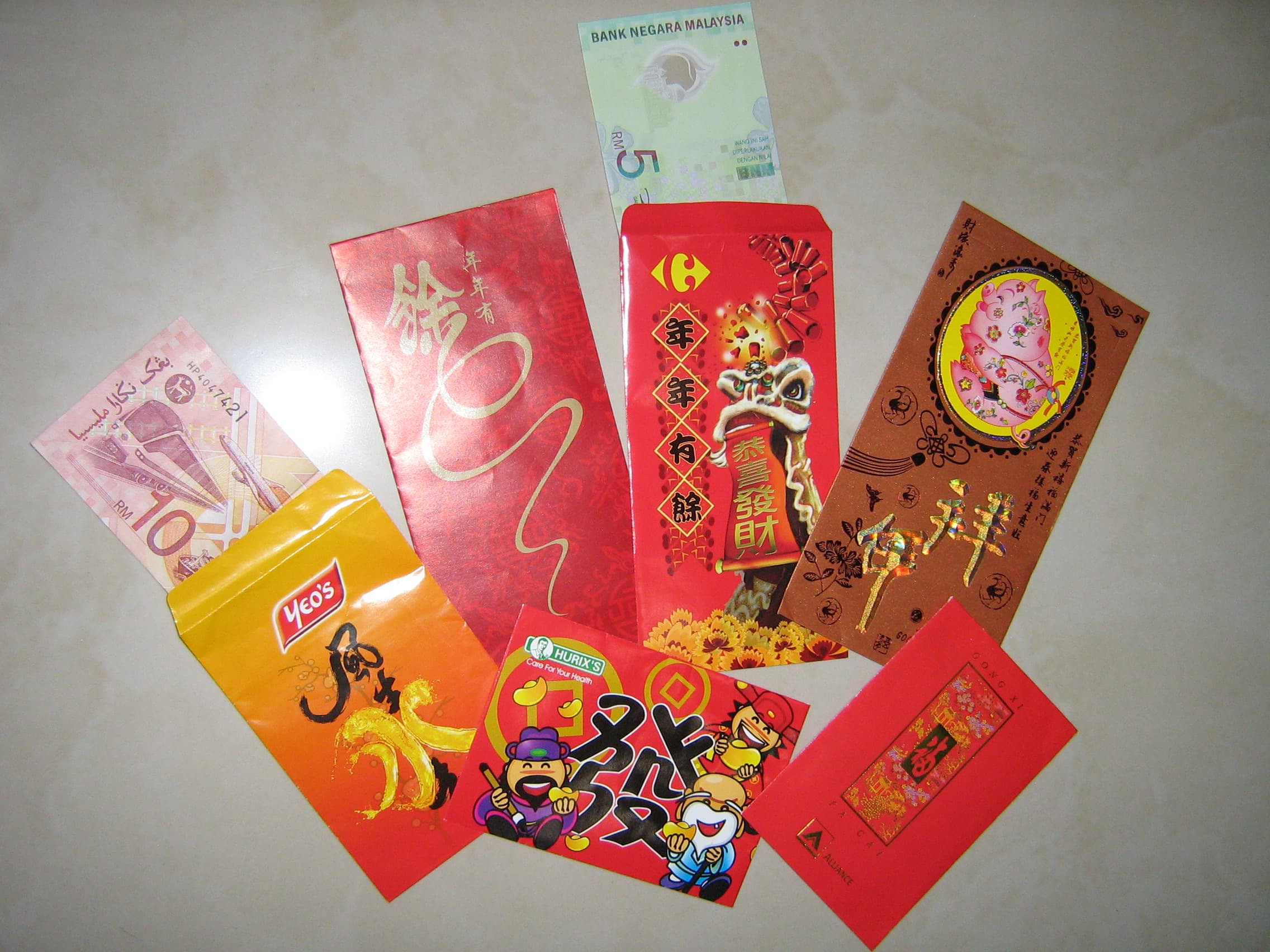
Everything about hongbao, the red envelopes of money given at Chinese New Year and other big occasions. Traditions, amounts, etiquette and the digital turn.
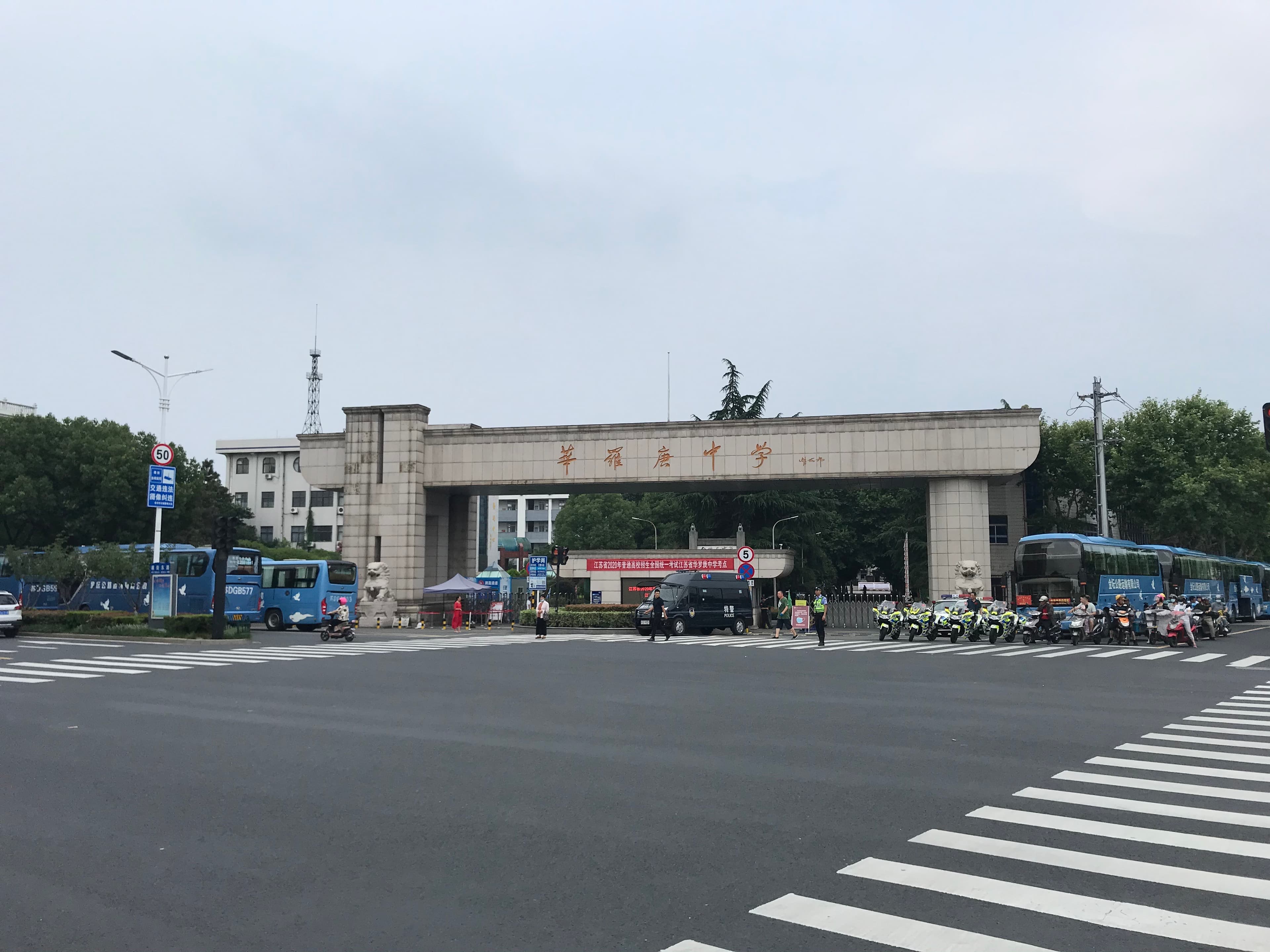
Everything you need to know about the Gaokao, China's national university entrance exam. History, social pressure, intensive preparation, and impact on Chinese society.
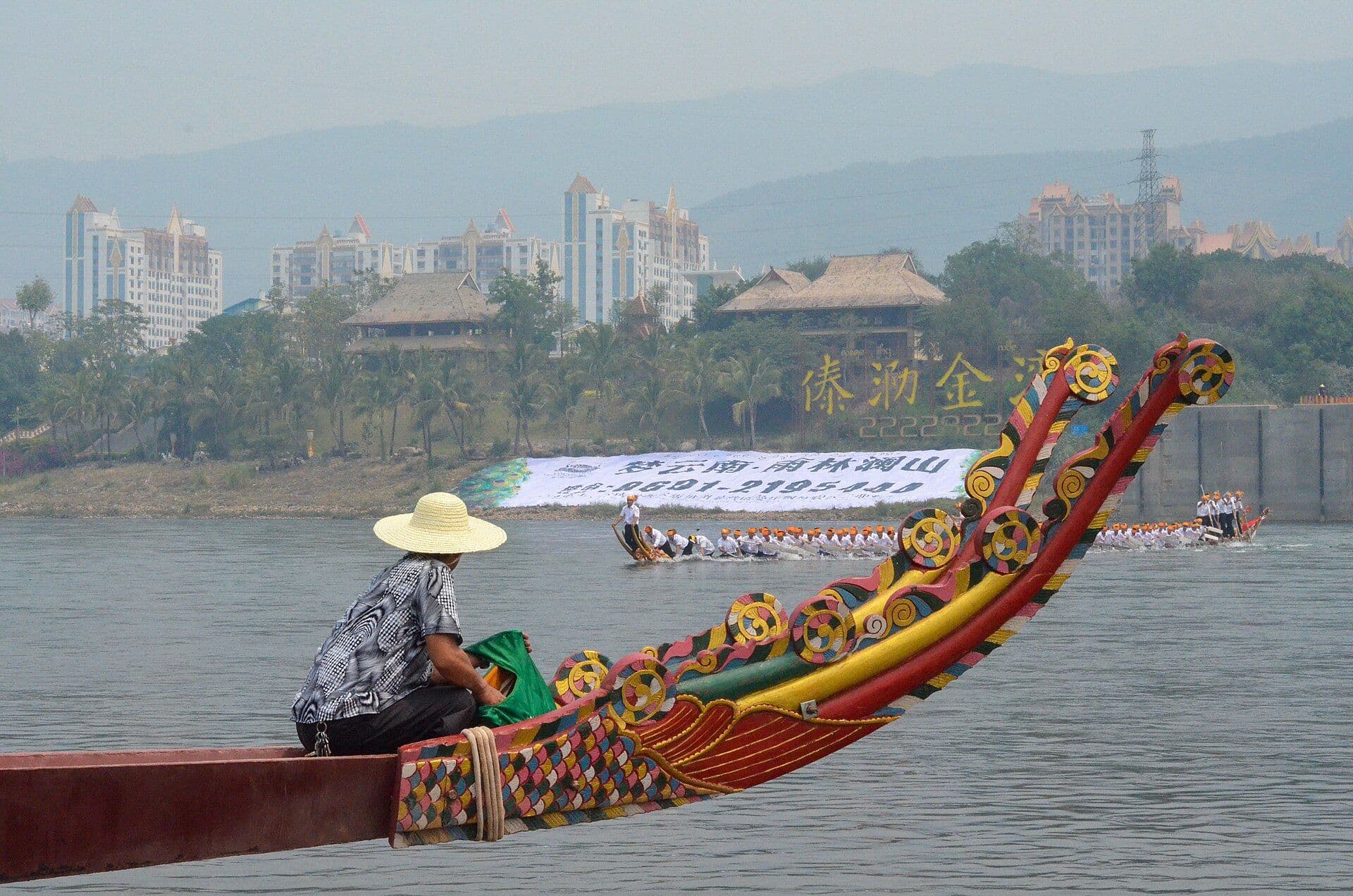
History and traditions of the Dragon Boat Festival (端午节 Duanwu) in China: dragon boat races, zongzi, Qu Yuan, and rituals of the fifth lunar month.
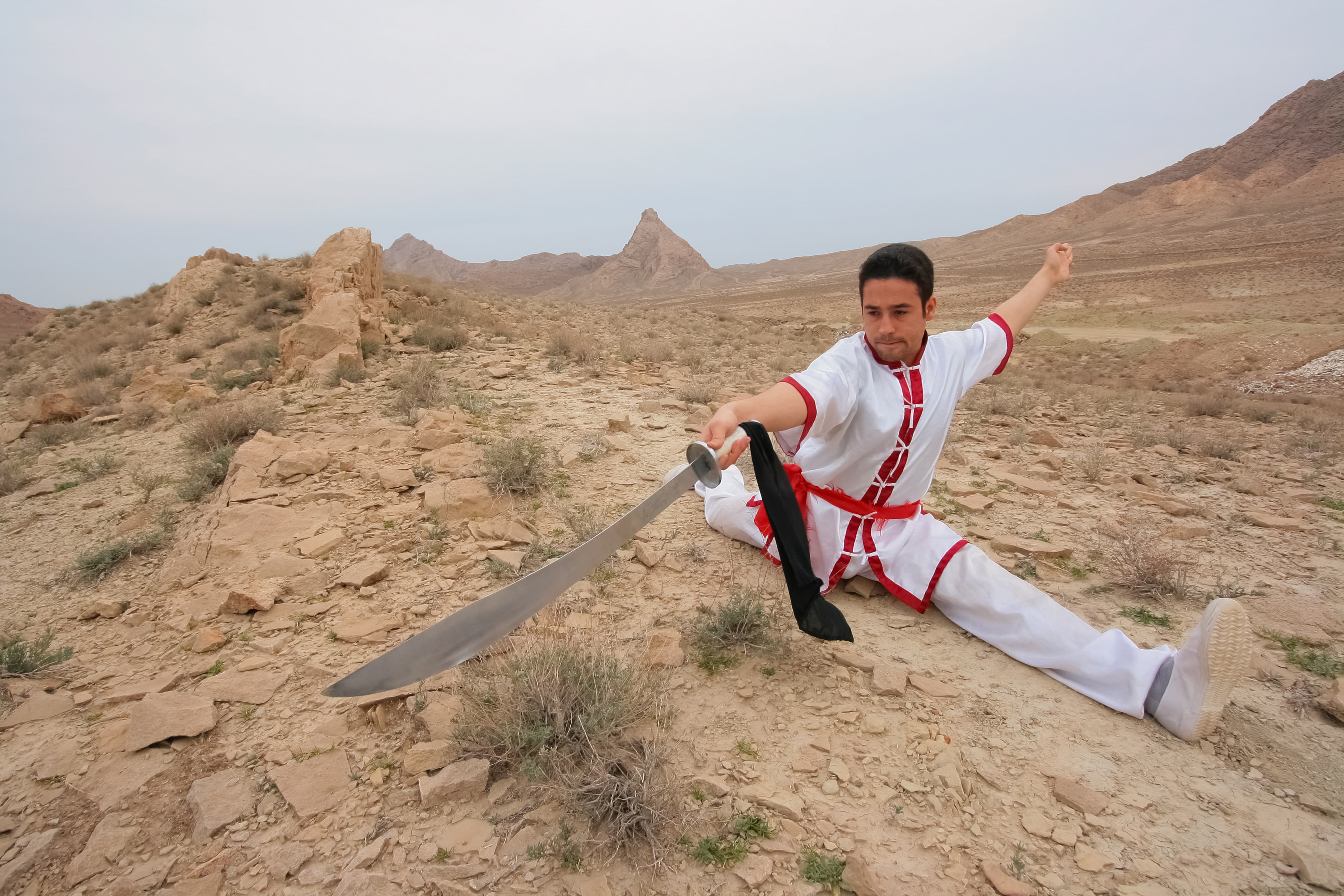
History of wushu and Chinese kung fu: from Shaolin to taiji quan, internal and external styles, traditional weapons and the legacy of martial arts in China.
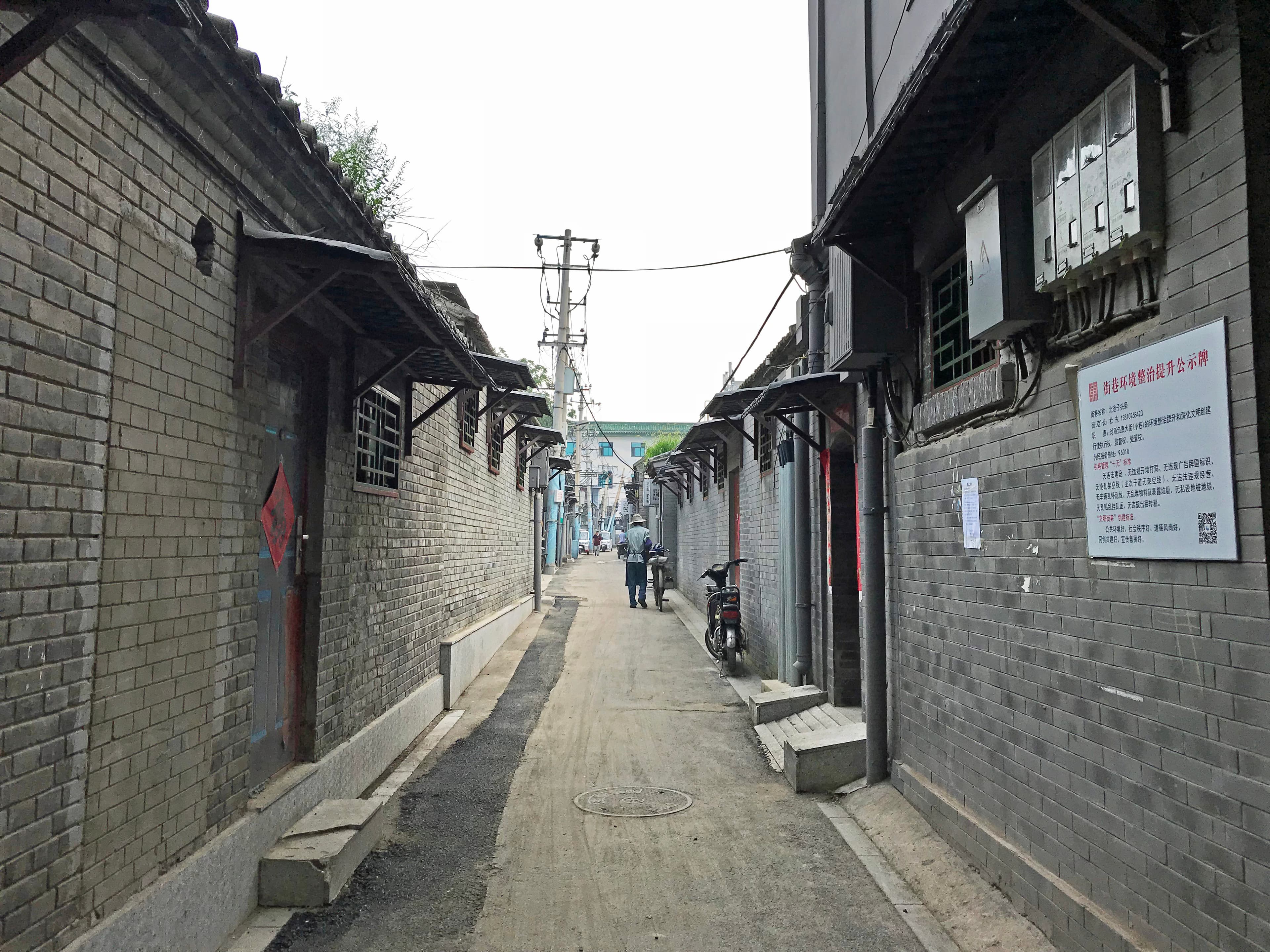
History and life of Beijing's hutong: siheyuan architecture, neighbourhood culture, demolitions and resistance. A journey through the traditional alleyways of Beijing.
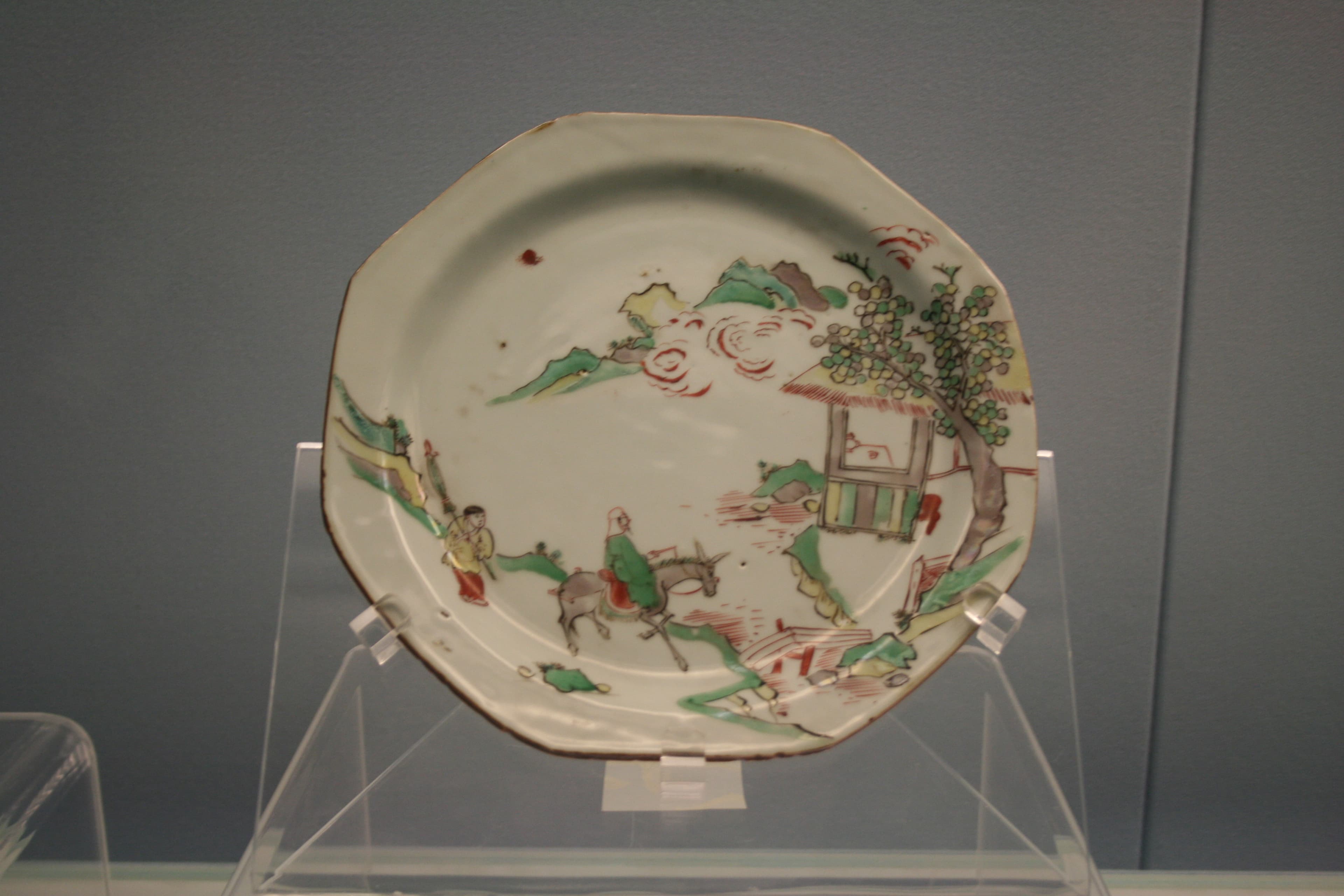
History of Chinese blue and white porcelain: Jingdezhen, cobalt, Yuan and Ming dynasties, kraak ware, export to Europe and a living legacy.
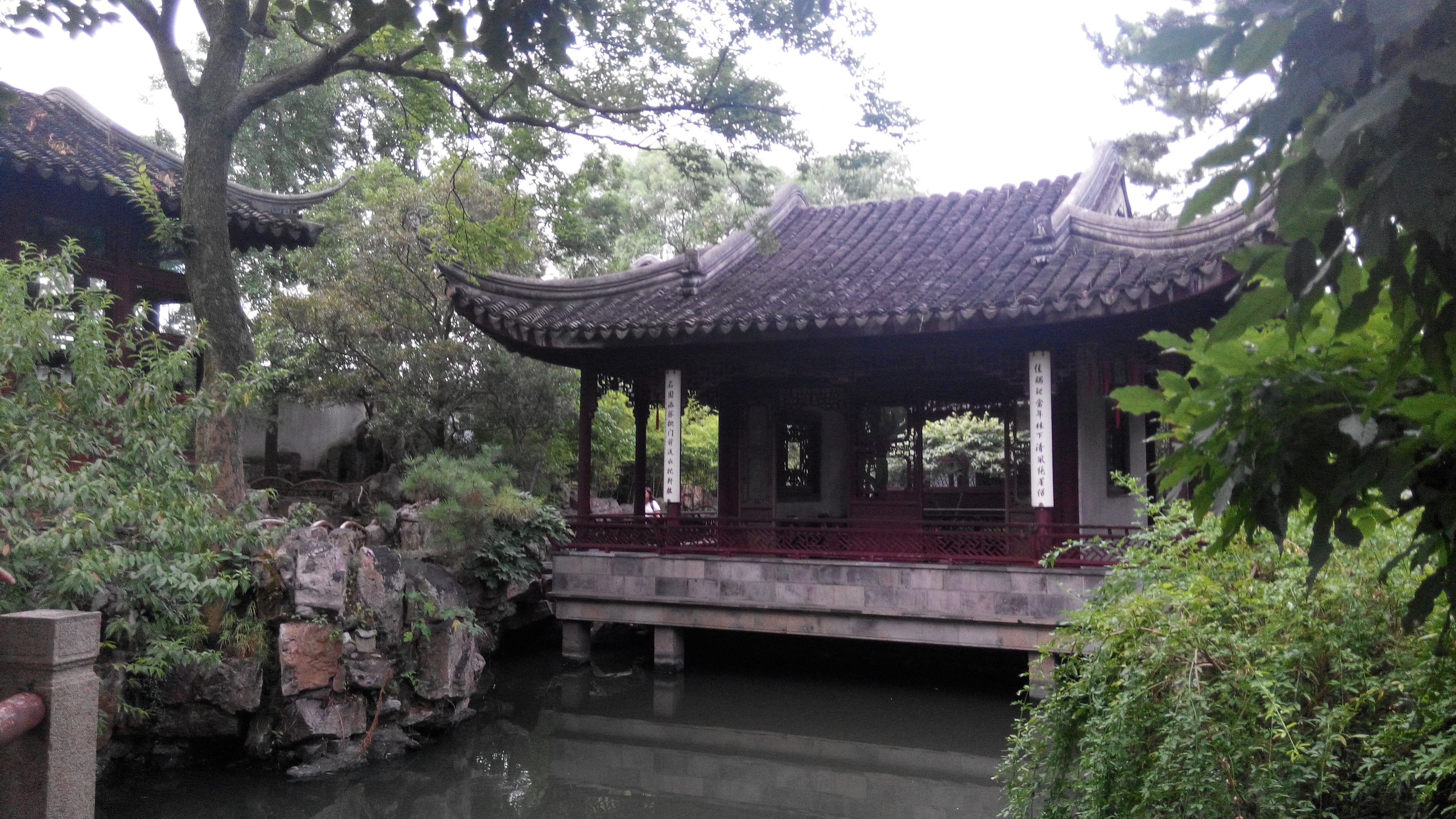
Discovering the classical Chinese gardens of Suzhou: the Master of the Nets, the Humble Administrator, rocks, water, philosophy and UNESCO heritage.
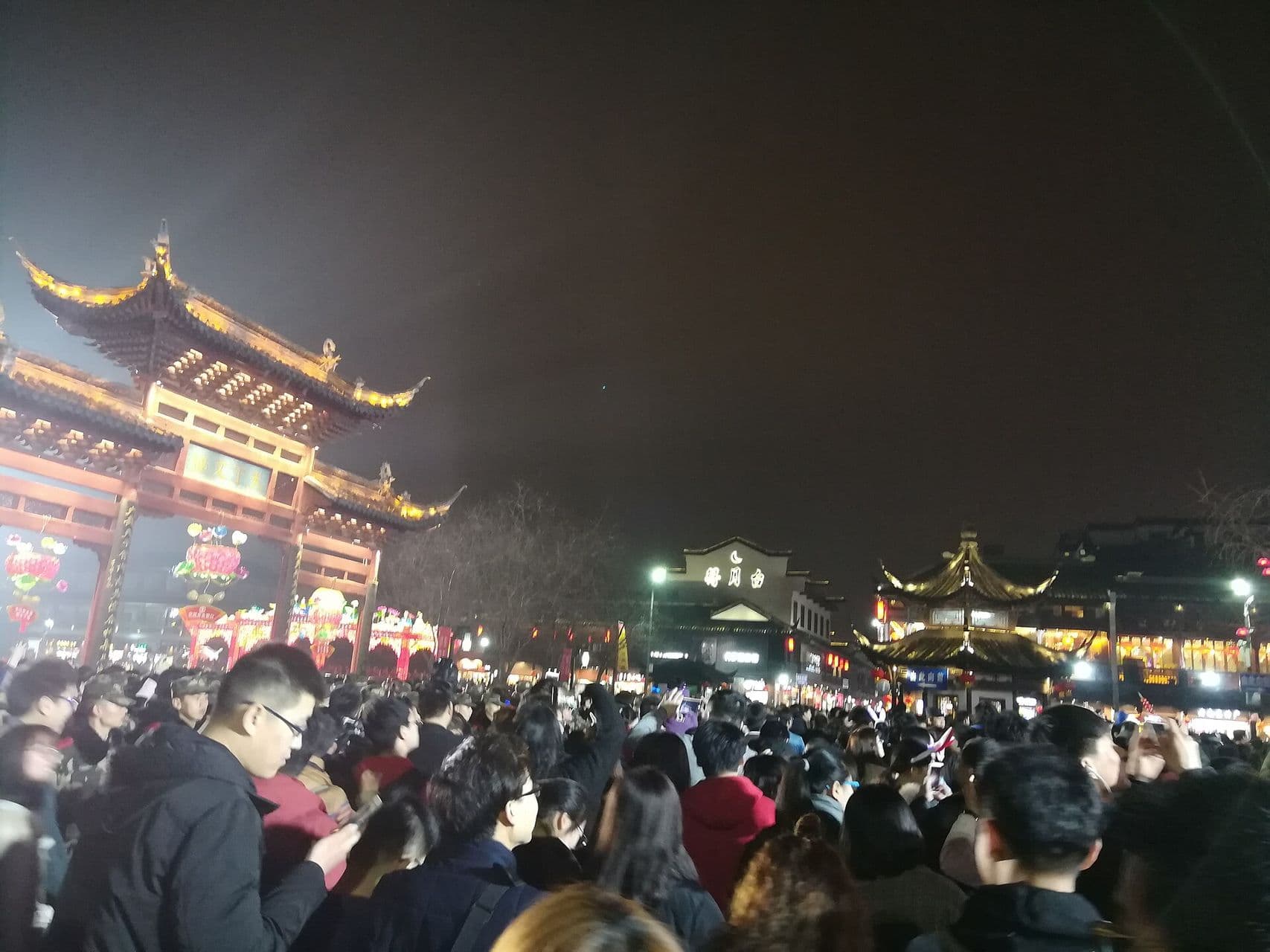
History and traditions of the Lantern Festival (元宵节) in China: lanterns, riddles, tangyuan, dragon and lion dances, the fifteenth night of the New Year.
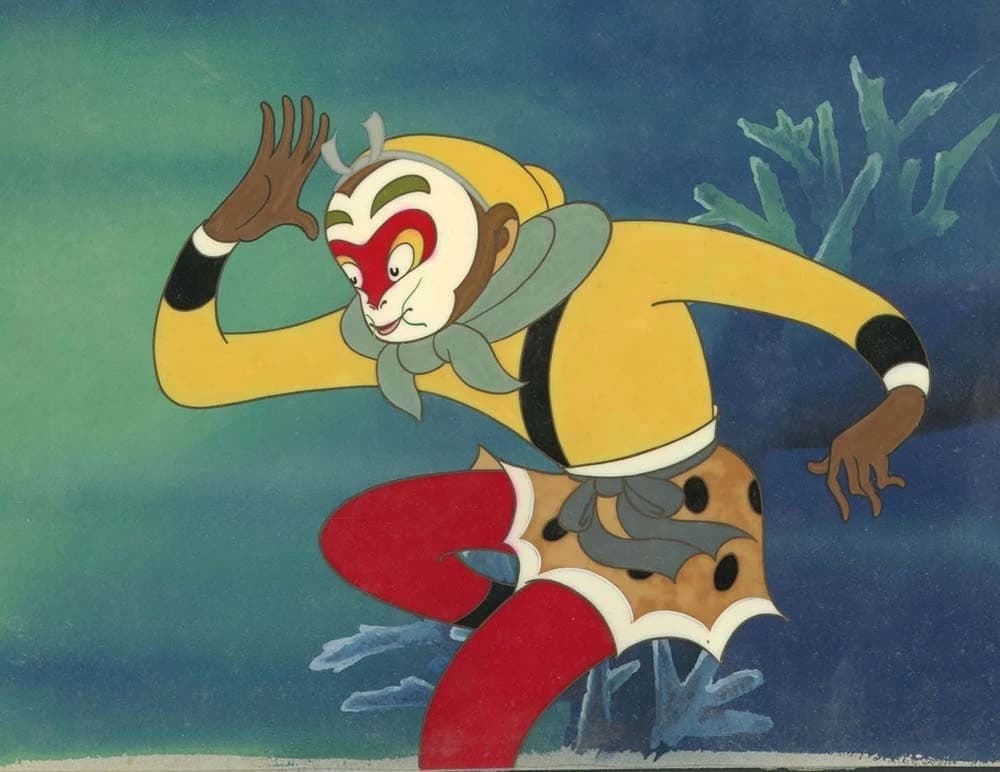
A complete guide to donghua (动画): from the Wan brothers to Bilibili studios, the overlooked history of Chinese animation, its masterpieces, and its meteoric international rise.
China, Japan, Korea: three languages, three sets of homophones, the same fourth floor missing from the lifts. A comparative table of the digits.
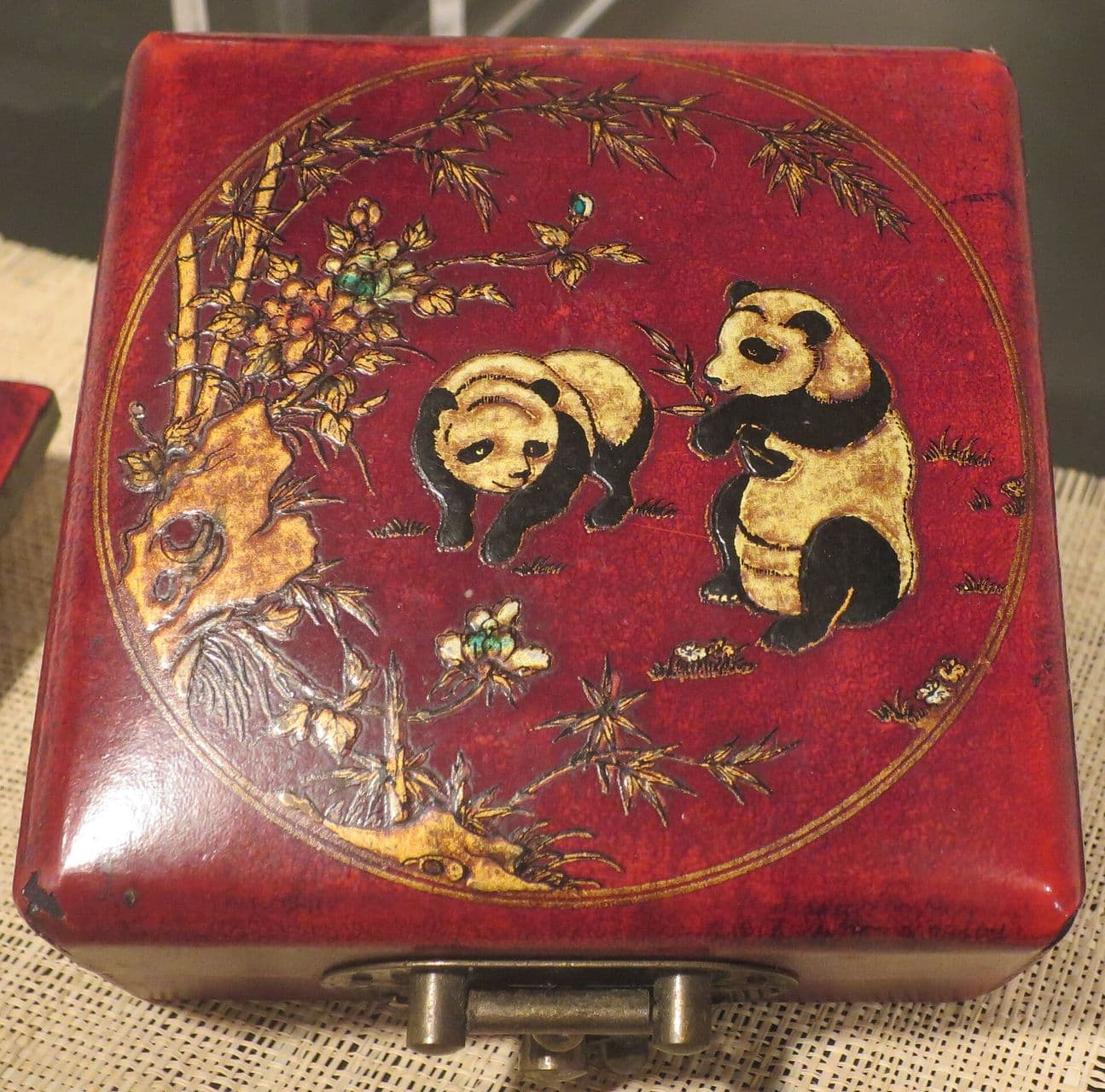
History and principles of feng shui, the Chinese art of harmony: qi, yin and yang, the five elements, the luopan compass, and the line between tradition and superstition.
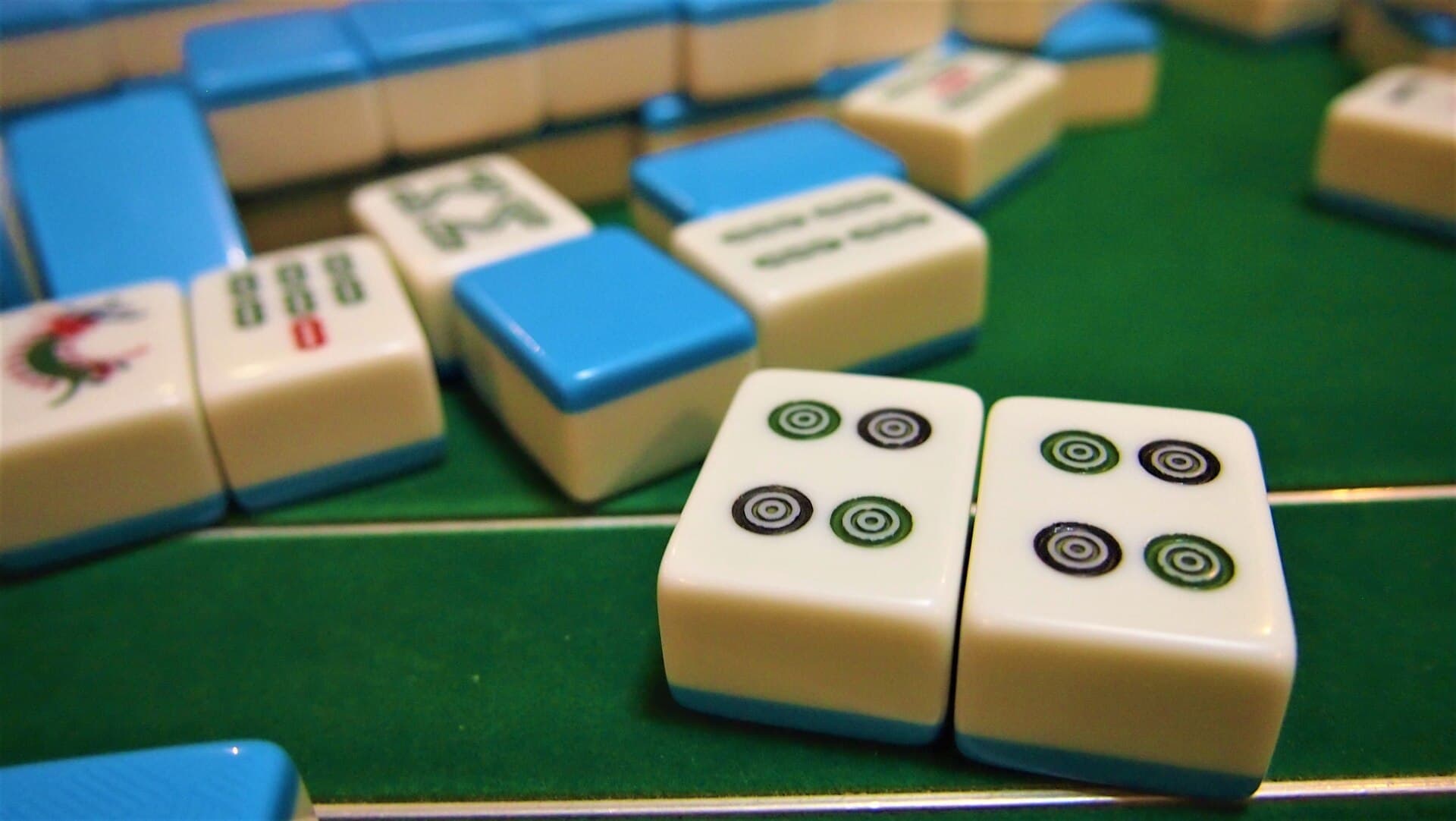
The history of mahjong, the Chinese tile game: Qing-era origins, the 144 tiles, the worldwide craze of the 1920s, and the Chinese, Japanese and American variants.
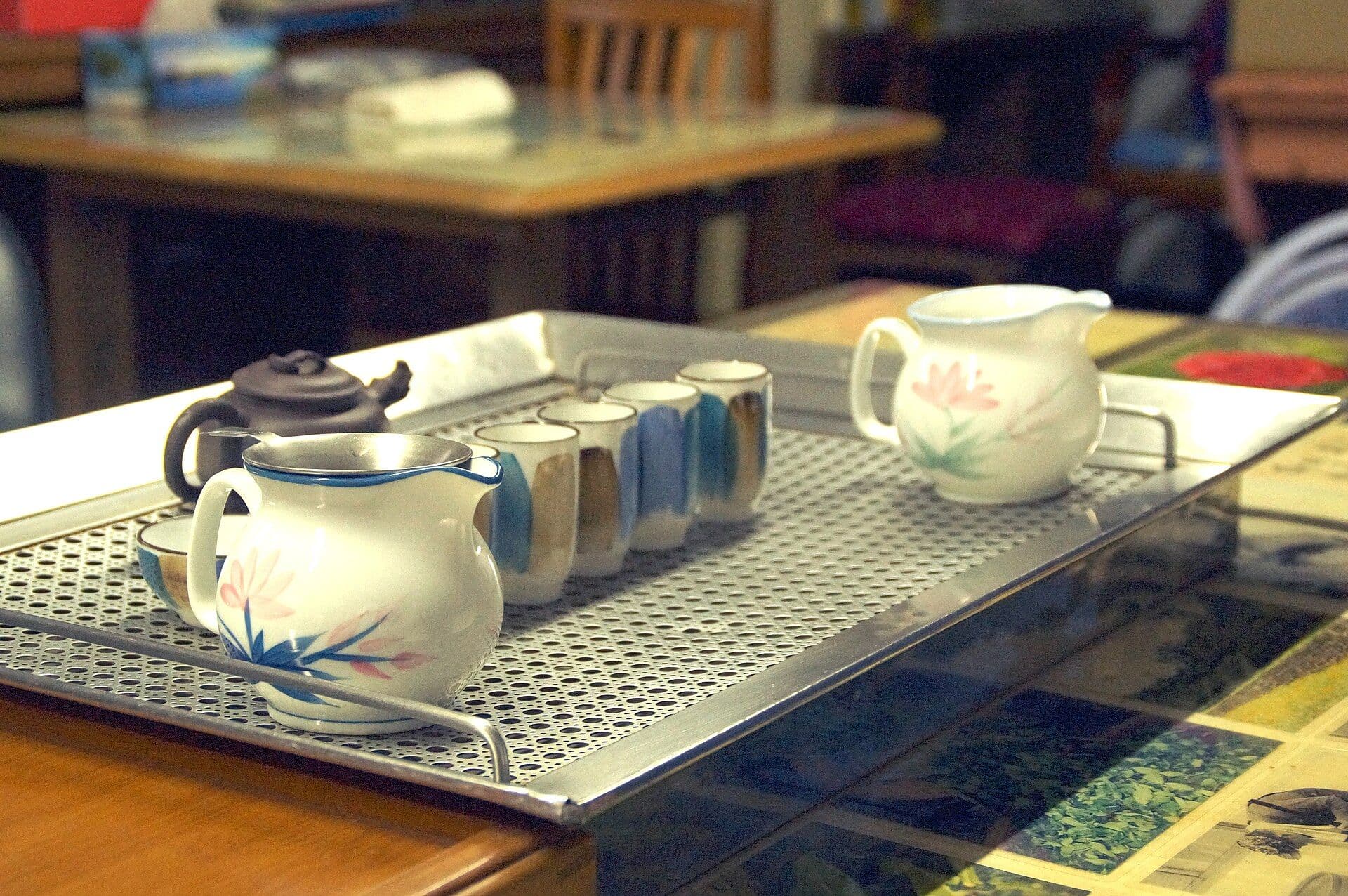
The history of Chinese tea and gongfu cha: the legend of Shennong, Lu Yu's Classic of Tea, the six great families, the Yixing teapot and the art of infusion.
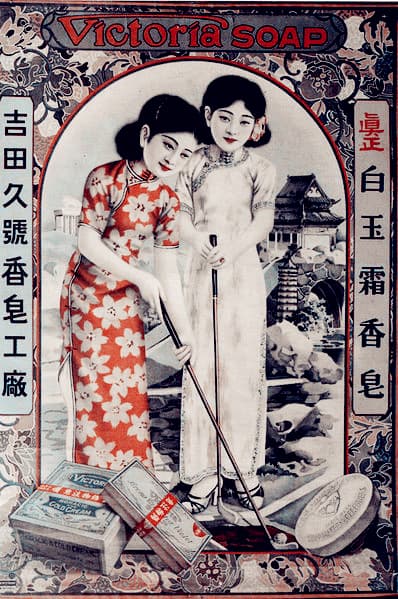
History of the qipao (cheongsam), the iconic Chinese dress: Manchu origins, the 1920s-30s Shanghai revolution, symbolism, decline and revival.
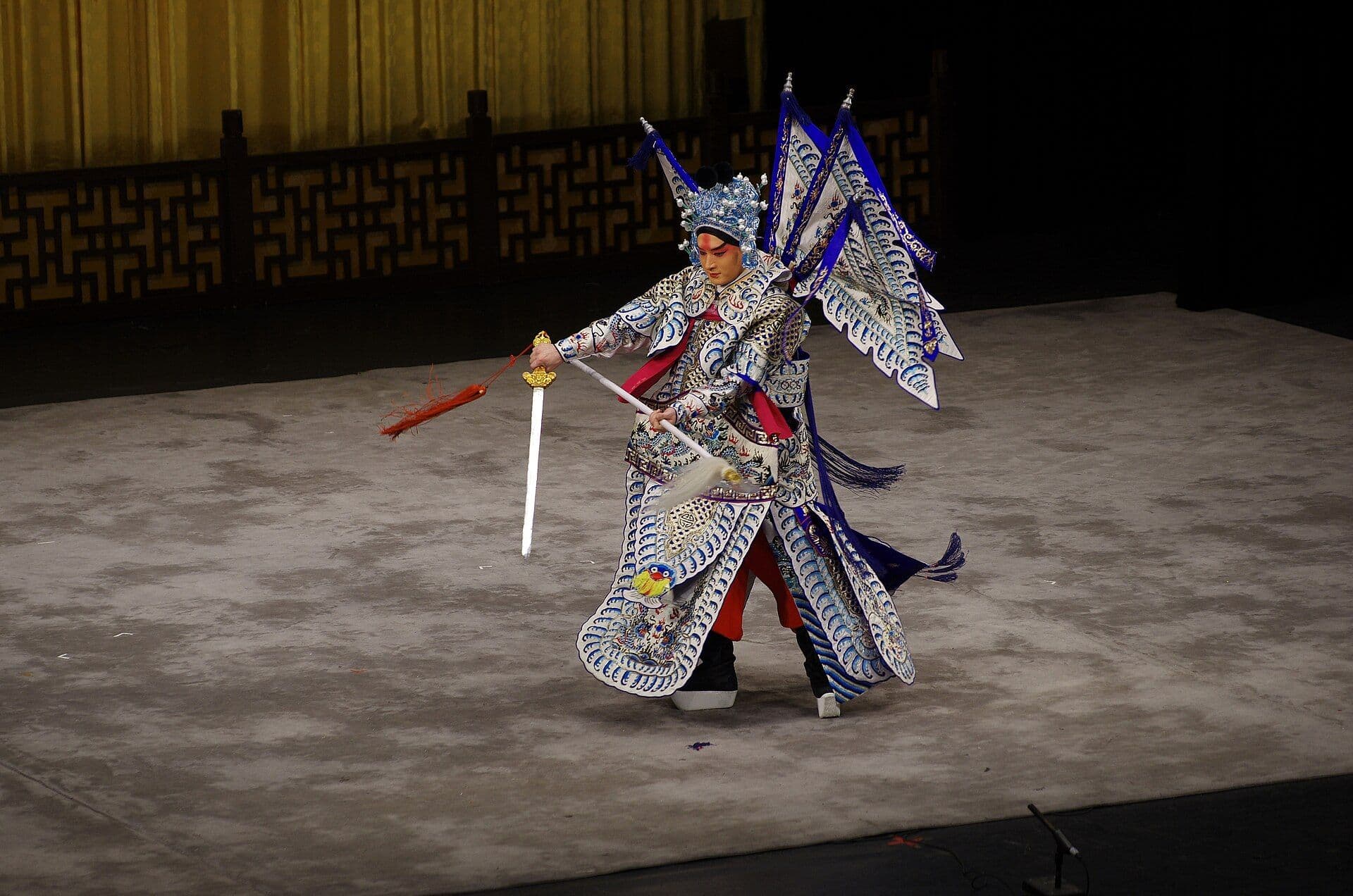
The history of Peking opera (jingju): its birth in the 18th century, the four roles, the lianpu painted faces and their colors, Mei Lanfang and the preservation of a total art.
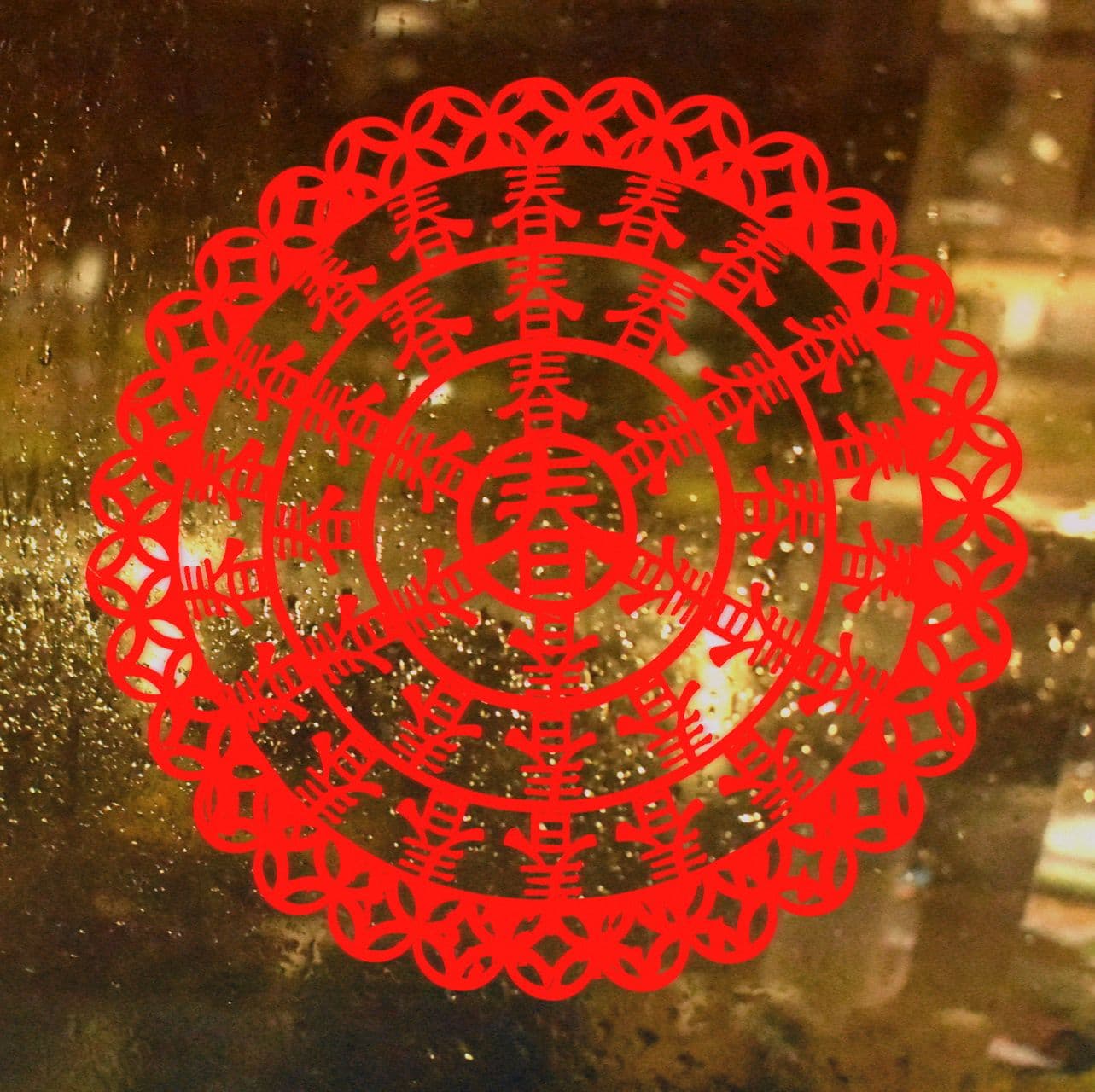
History and symbols of jianzhi, Chinese paper cutting: red motifs on New Year windows, double happiness, origins after the invention of paper, listed by UNESCO.
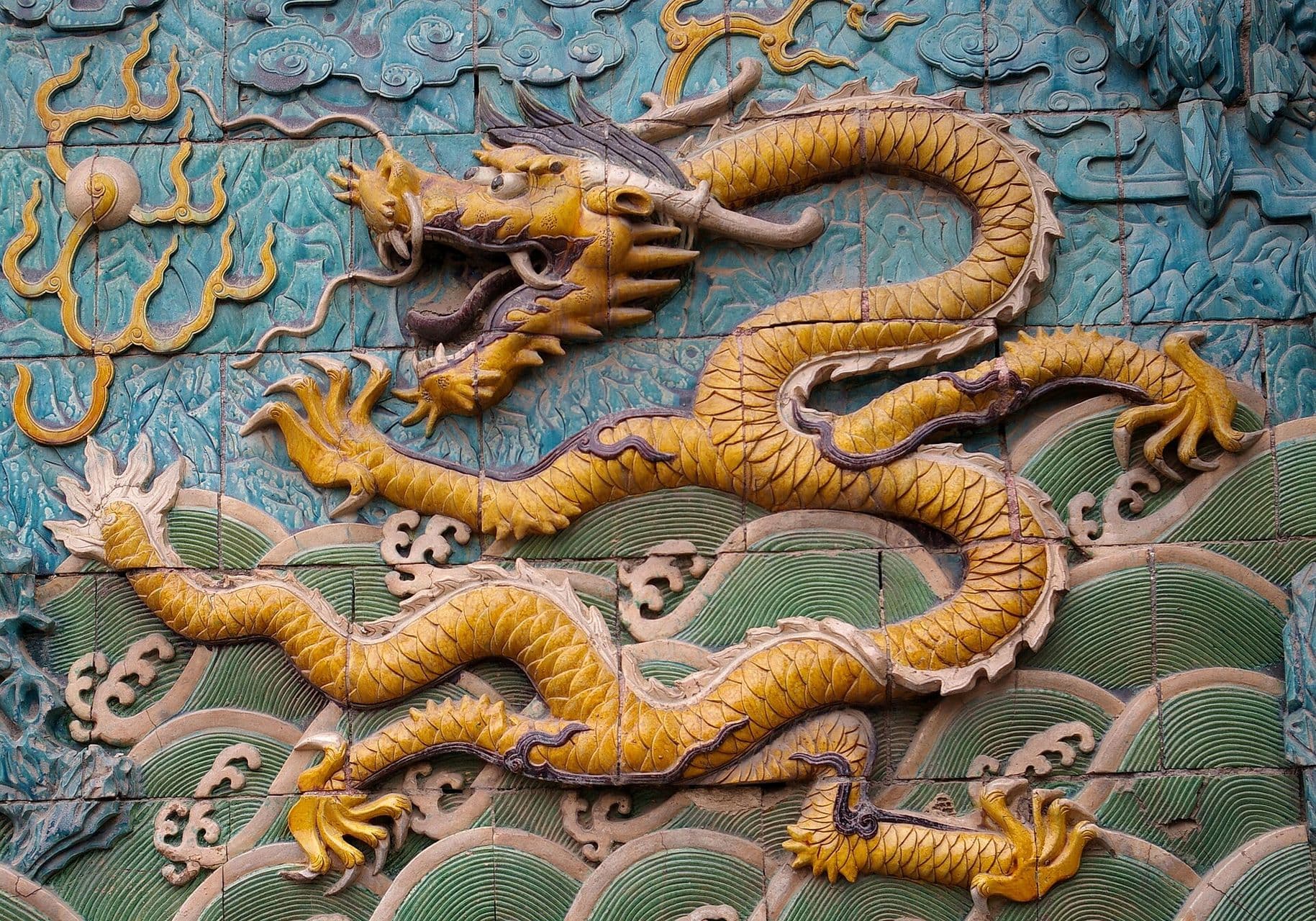
Symbolism of the Chinese dragon (long): benevolent creature of the waters, imperial five-clawed emblem, master of rain, and why the Chinese call themselves its descendants.

Understanding traditional Chinese medicine: qi, yin and yang, the five phases, acupuncture, herbal pharmacopoeia, its founding texts and today's scientific debate.