Society6 min
Honey skin: the vocabulary of Korean skin finishes
Honey skin, glass skin, cloud skin, jelly skin: what each Korean skin finish actually means, where the names come from, and how the routines differ.
Read
Editorial features on the cultures, history and languages of Asia. Filter by culture, by topic, or search for what inspires you.
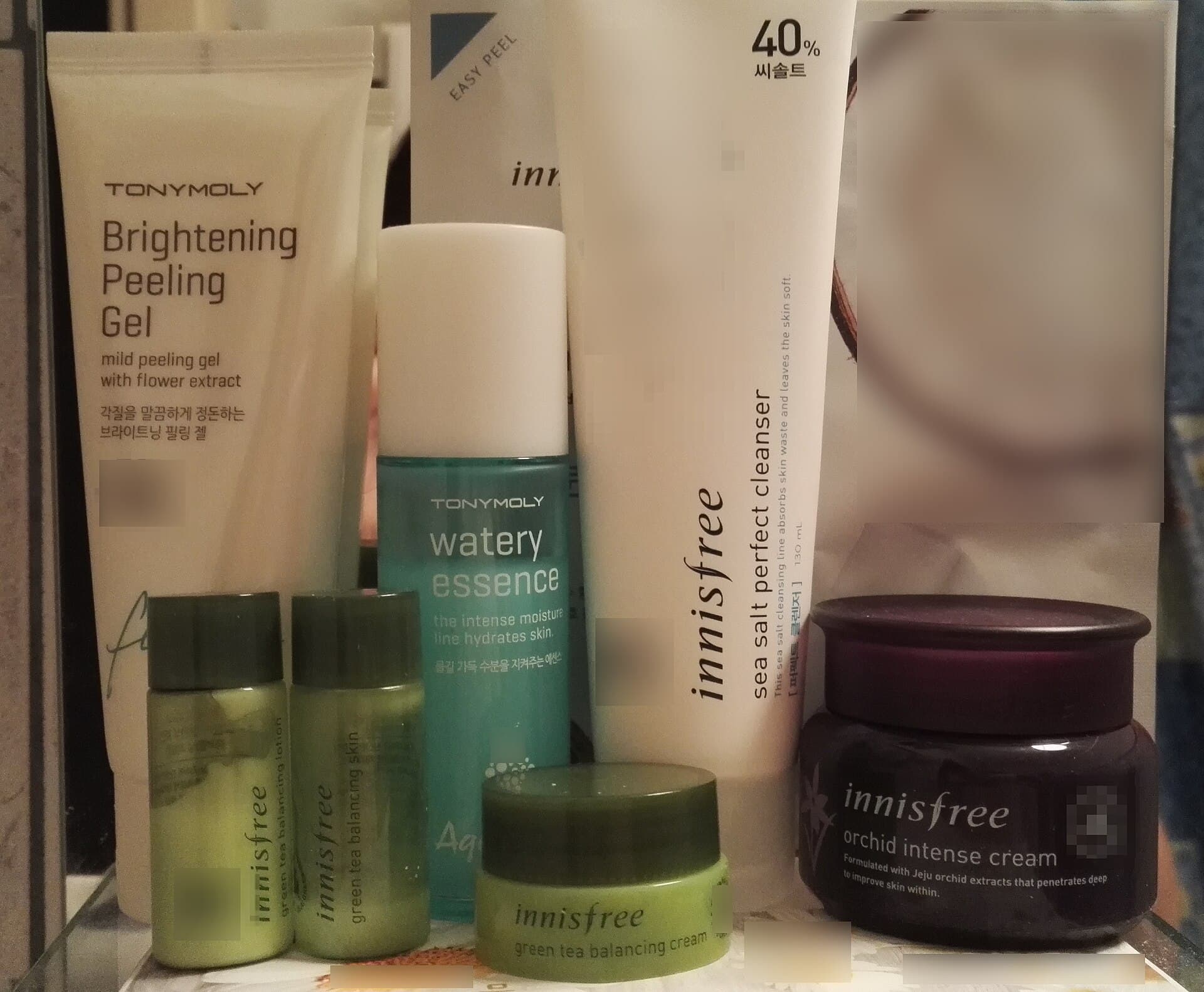
Honey skin, glass skin, cloud skin, jelly skin: what each Korean skin finish actually means, where the names come from, and how the routines differ.

Routines, hero products, ingredients and business models: what really separates Korean, Japanese and Chinese cosmetics, without the marketing shortcuts.
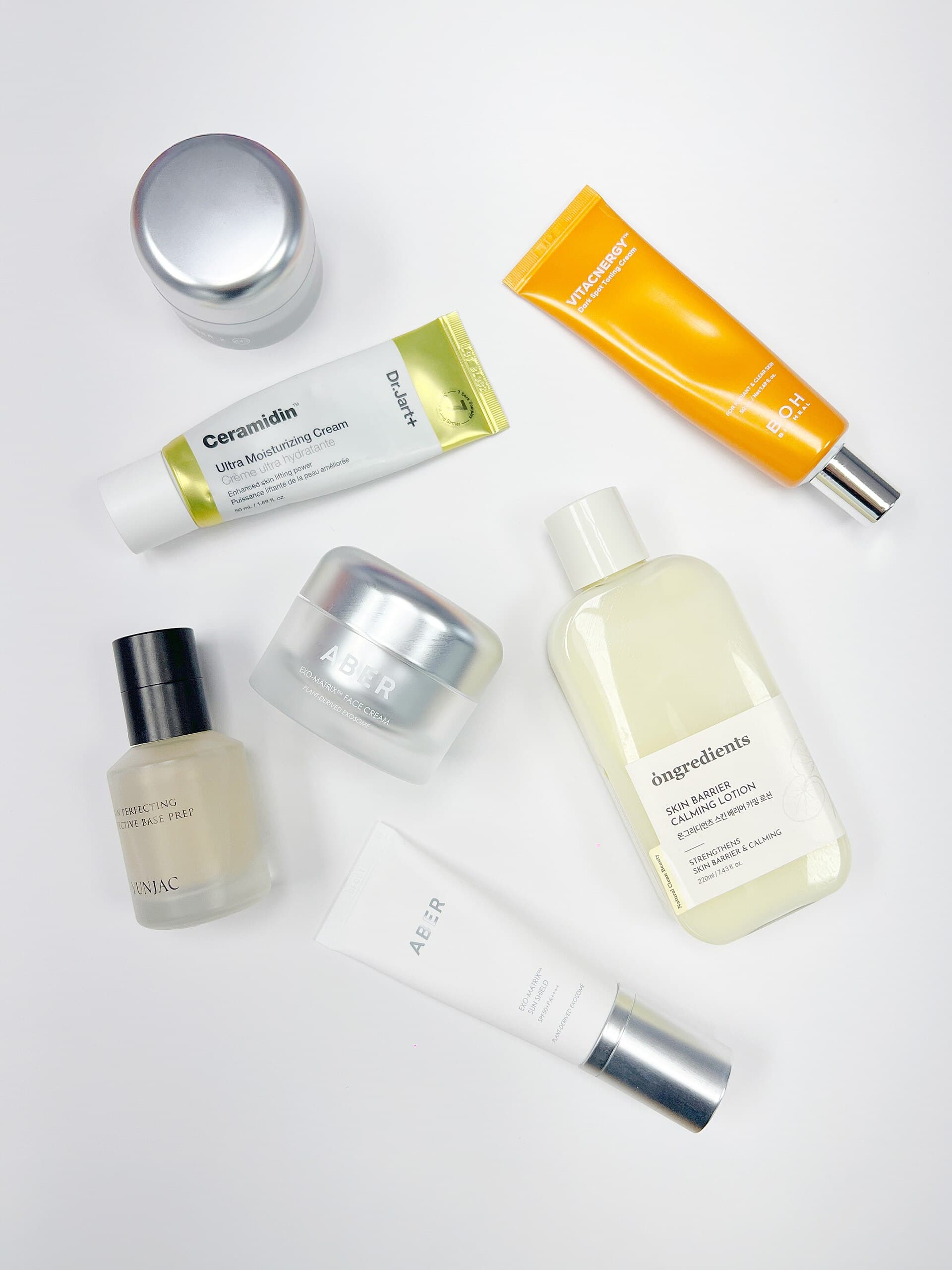
Skip-care versus the ten-step routine: what each camp removes, what it keeps, and how to choose according to your skin type.
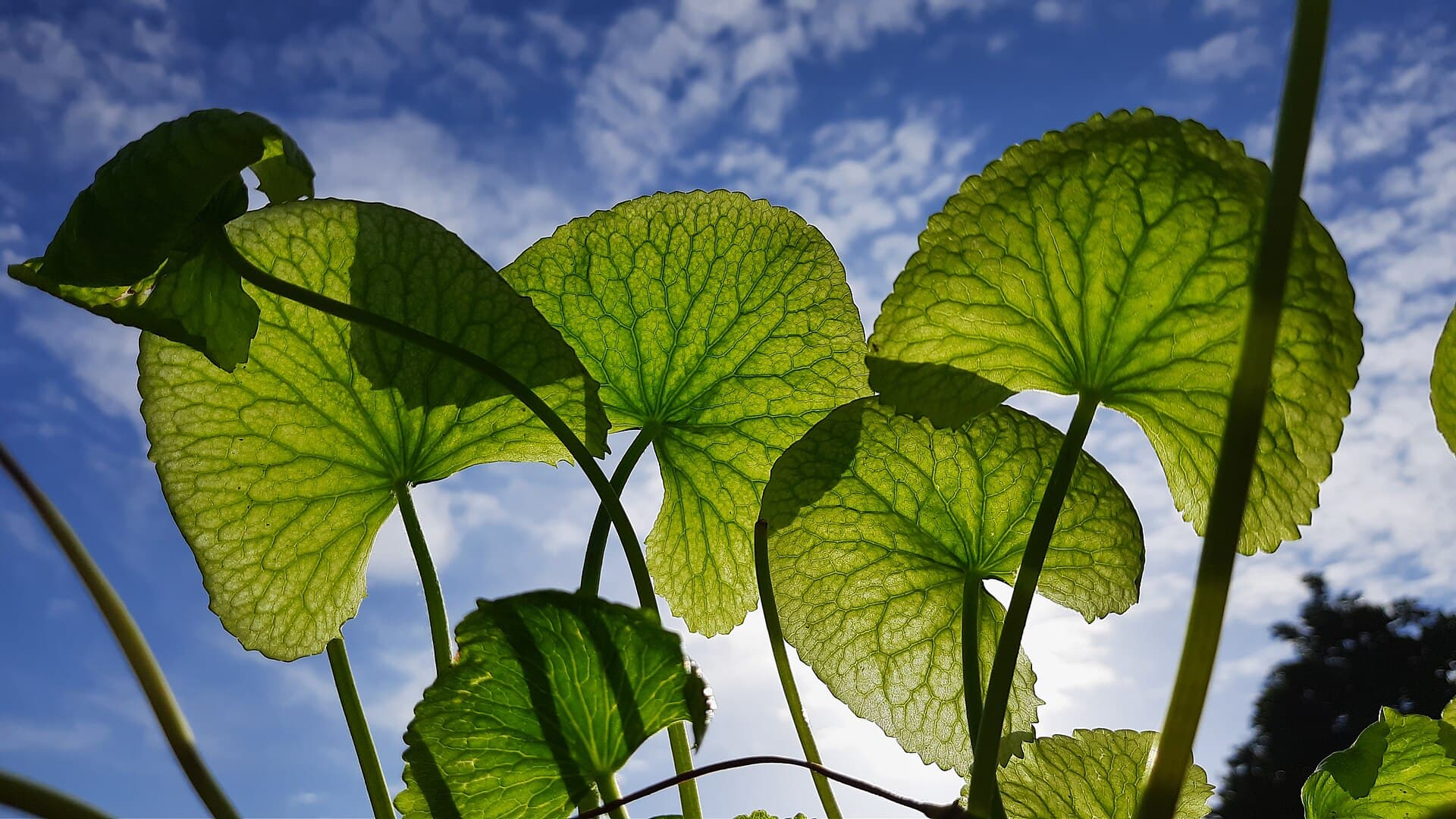
Snail mucin, propolis and centella asiatica: where these three Korean ingredients come from, what they actually contain, and how to read the percentages on the front.
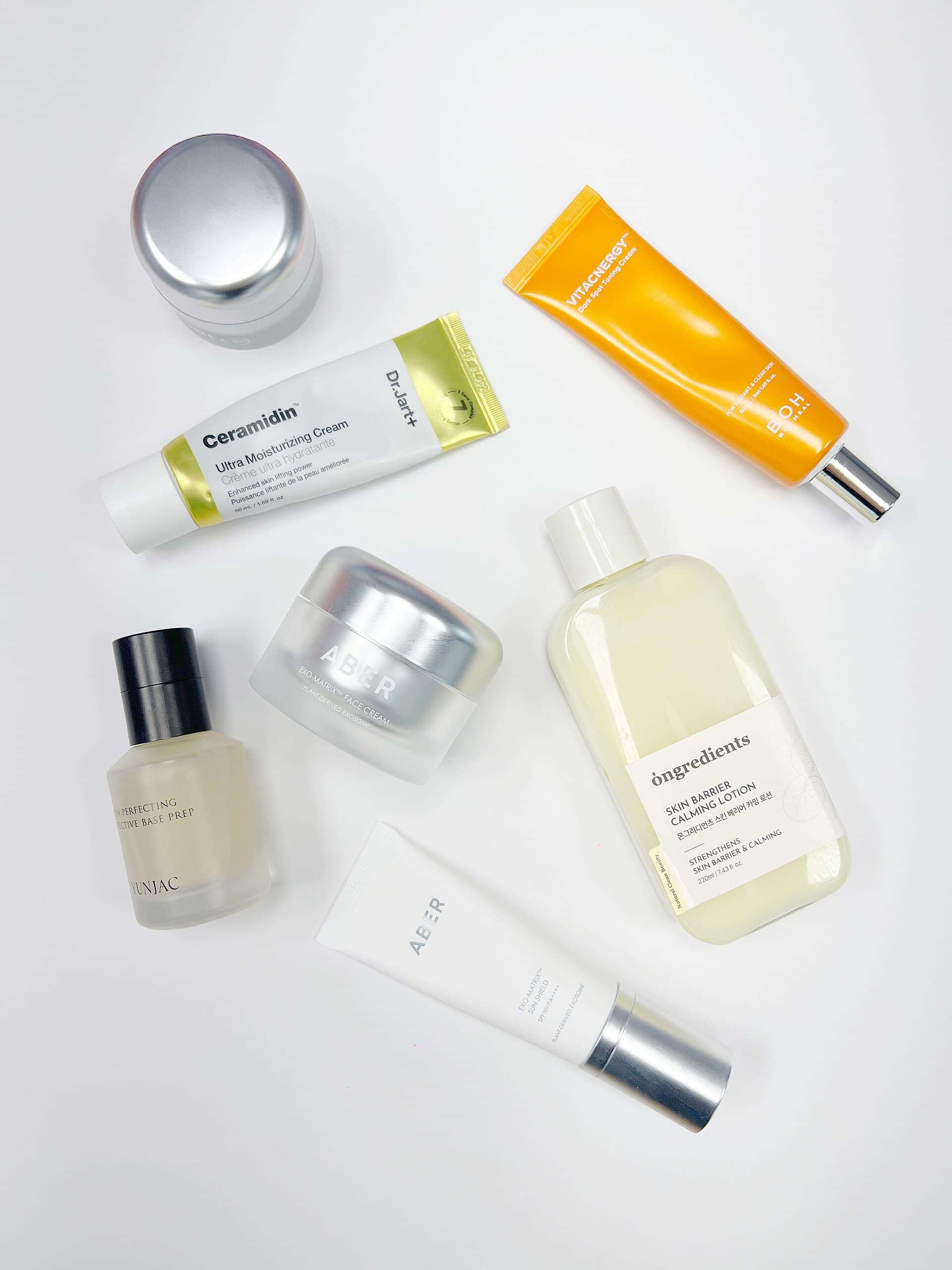
Salmon DNA, extracellular vesicles, fermentation filtrates: where the three actives shaping Korean skincare come from, and what they actually do.
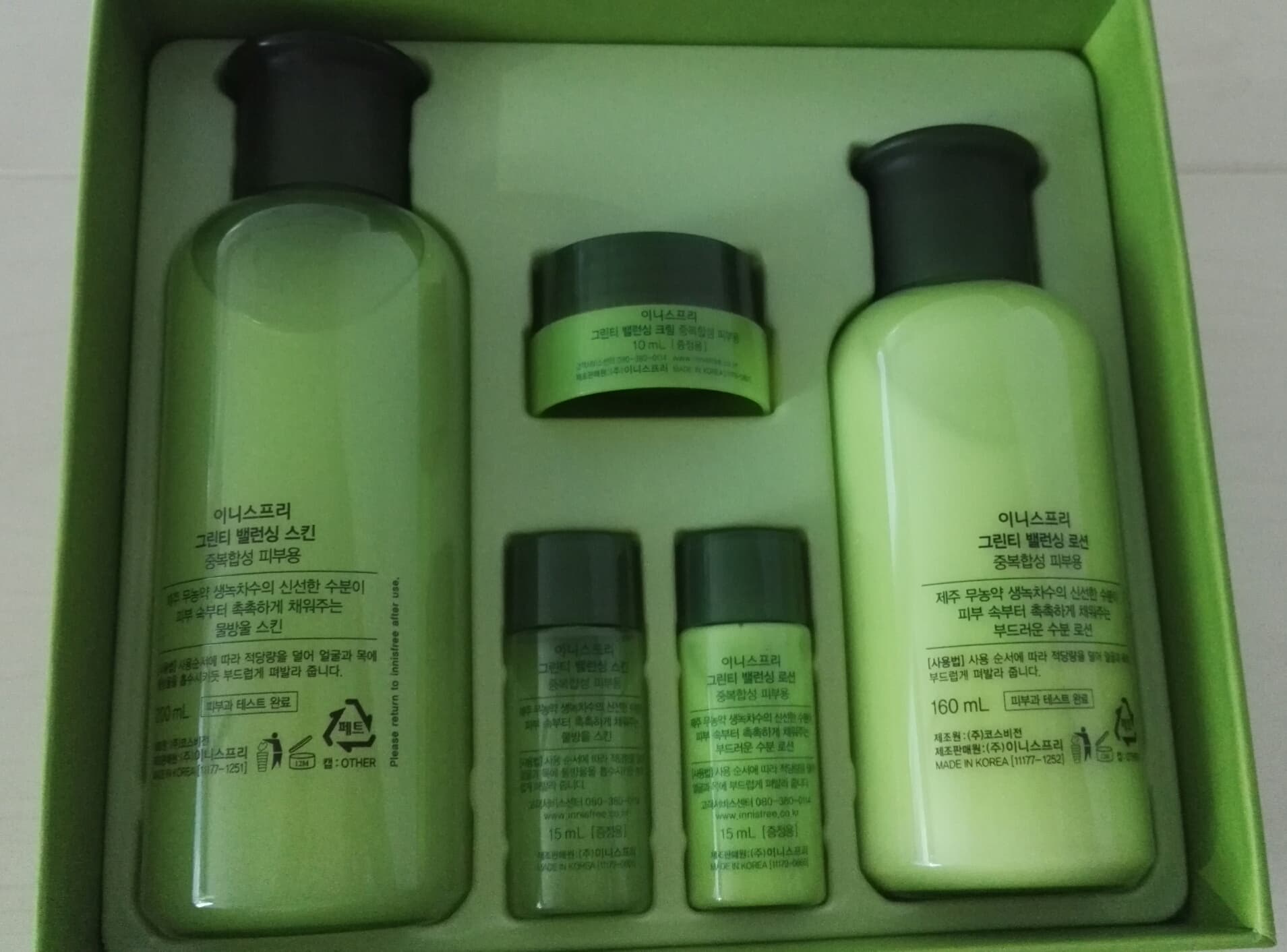
Where the term comes from, the real protocol, what Seoul clinics add and the traps to avoid: what Korean glass skin actually requires, without empty promises.

Hundreds of clinics in a few streets, double eyelid surgery as a graduation present, medical tourism, and the real figures of the Korean market.
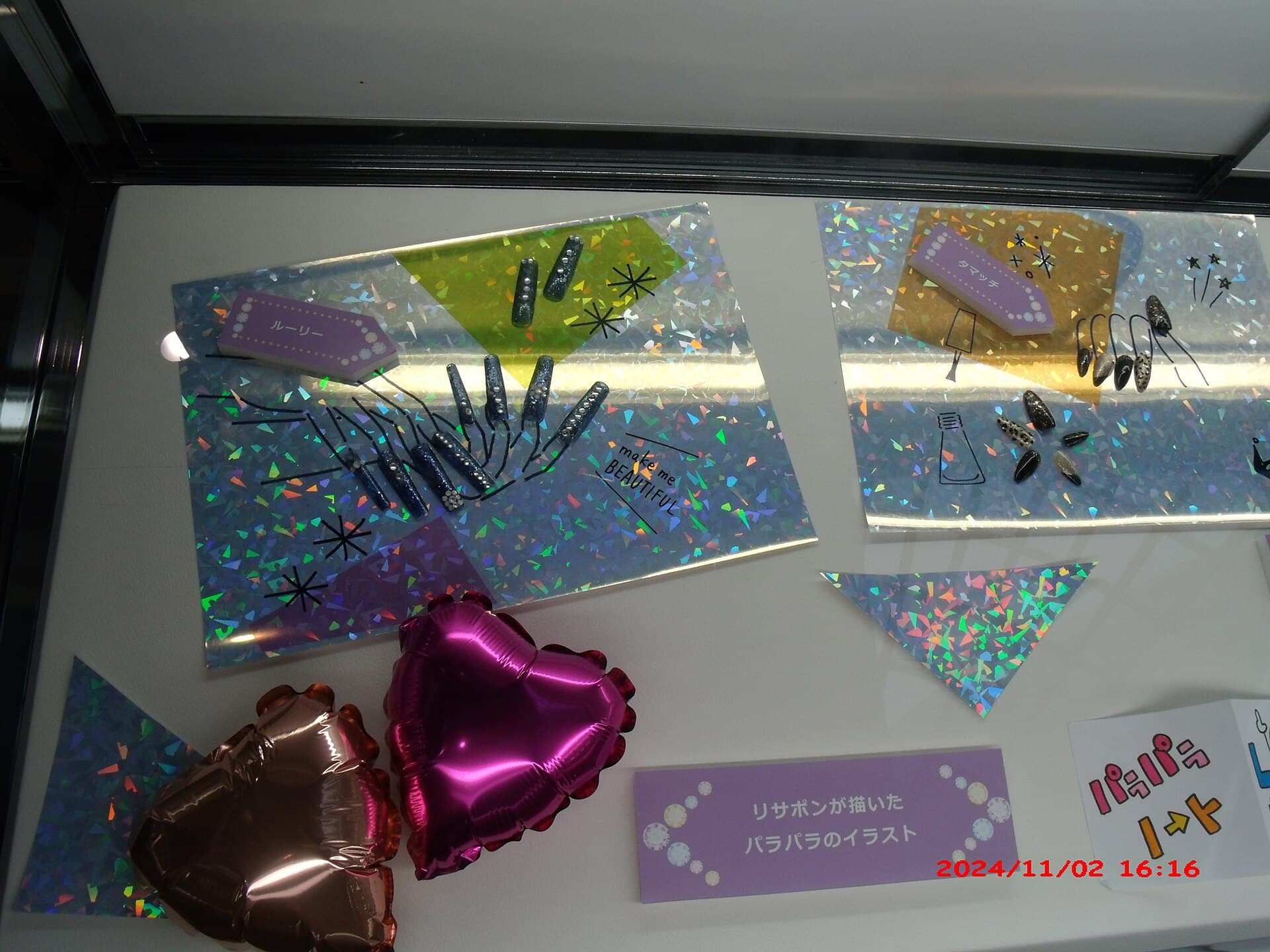
3D reliefs and jewels in Japan, minimalist jelly nails in Korea: a journey through Asian nail art, its techniques, its salons, and its global reach.