Japanese Tea: Sencha, Gyokuro, Hojicha, Genmaicha
Japanese tea is not just matcha: sencha, gyokuro, hojicha, genmaicha. Origins, terroirs, brewing temperatures and the vocabulary to understand it all.
La rédaction Kotoba Interactive
Studio éditorial
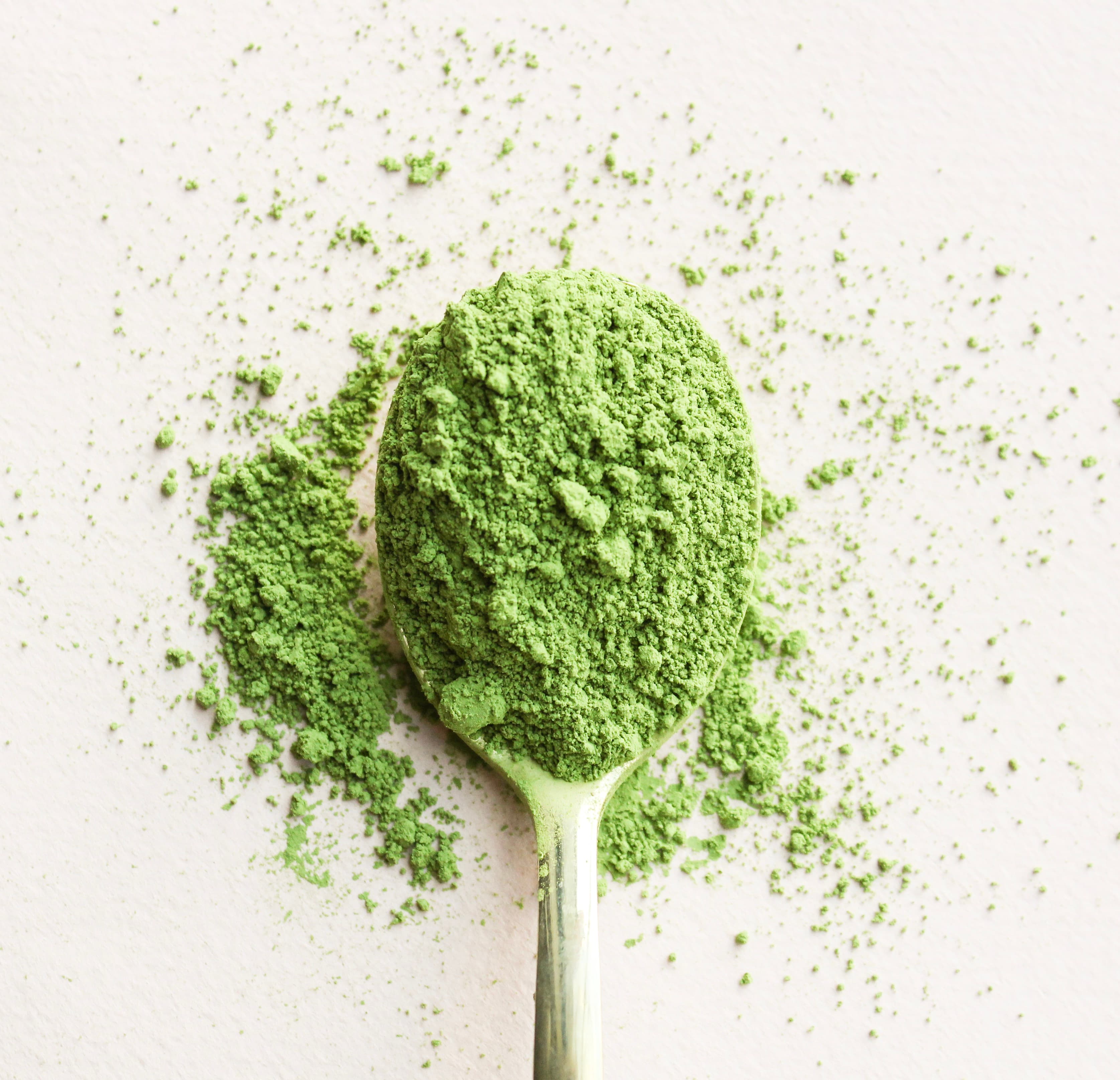
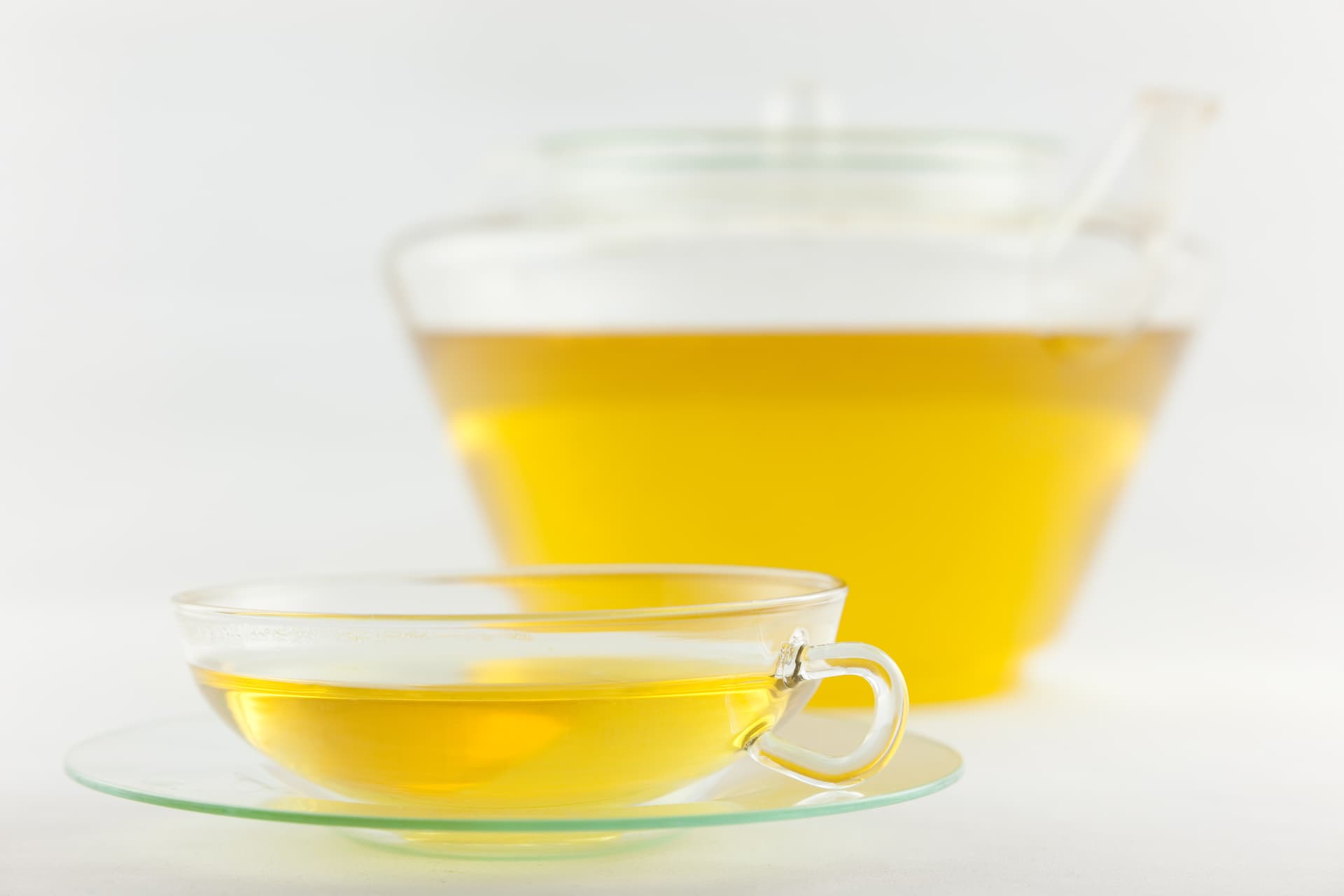
Say "Japanese green tea" and many people picture the emerald powder whisked into froth. That is a trick of the eye: matcha is only a sliver of what Japan actually drinks. In the that sits on almost every table, it is whole leaves, long and glossy, that unfurl in hot water and yield a yellow-green liquor. That tea is called , and it is drunk by the millions of cups every day, from breakfast to the sushi counter.
is a far broader and more everyday family than its ceremonial showcase. Sencha, gyokuro, hojicha, genmaicha, bancha, kukicha, shincha: all come from the same plant, Camellia sinensis, yet are shaped by choices of cultivation, harvest and processing that change everything. To understand these daily teas is to grasp what truly sets Japanese green tea apart from its Chinese cousin, and why a single leaf can travel from marine green to roasted brown.
Why Japanese green tea tastes marine#
Nearly all Japanese green tea is steamed, whereas Chinese green tea is dry-heated in a wok. That is the fundamental difference, and it explains all the rest. Right after picking, Japanese leaves spend a few dozen seconds in a steam tunnel, a step called : the moist heat deactivates the oxidation enzymes, fixes the green color and preserves the amino acids. Chinese tea, by contrast, is most often pan-fired (chǎoqīng, 炒青), which develops roasted, nutty and chestnut notes.
This steaming gives ryokucha its unmistakable profile: vegetal, grassy, almost marine, with that briny umami reminiscent of seaweed and young shoots. Depending on the length of the steam, one speaks of or : the longer the steam, the more the leaf breaks down, and the cloudier, fuller and more intensely green the liquor. A single sencha can thus offer two opposite characters depending on the maker's hand.
Chinese tea moves toward fire and hazelnut; Japanese tea moves toward steam and seaweed. Two separate paths from one leaf.
From Eisai's seeds to Nagatani's sencha#
The story of Japanese tea begins with a monk and a book. In 1191, the Zen monk , returning from a period of study in Song China, brought back tea seeds and the culture of whisked tea, which he recorded in his treatise Kissa Yōjōki (喫茶養生記, "A Treatise on Tea and Health"). The first plantations took root in Kyūshū, then in the region south of Kyōto, which would become the historic and spiritual heart of Japanese tea. For centuries, this tea was a powdered tea, the ancestor of matcha, reserved for temples, lords and masters of the way of tea.
Steeped-leaf tea, what we call sencha, is far more recent. It sprang from a dated invention: in 1738, at Uji, the producer developed the modern sencha process, known as . His method combined steaming, rolling and drying of fresh leaves to produce those dark-green needles that release a clear, fragrant liquor. It was a revolution: until then, Japanese leaf tea was often brownish and rustic. Nagatani gave Japan a quality green tea, easy to brew and affordable, that would conquer the country.
A century later came the summit of the hierarchy. Around 1835, the house of in Edo developed by pushing the idea of shading the tea bushes before harvest to its limit. The development is credited to . Gyokuro became Japan's most prestigious steeped tea, a concentrate of umami saved for special occasions. In less than a century, the country had built the whole range that still structures its tables: the everyday sencha, the luxury gyokuro.
means "jade dew" (gyoku, 玉, "jade, jewel"; ro, 露, "dew"). The name evokes both the deep green color of the liquor and the preciousness of this shade-grown tea, picked in small quantities.
The everyday teas, one by one#
Japanese tea reads like a family in which each member has a role, from the noblest to the most restorative. Three levers are enough to tell them apart: the light the plant receives (full sun or shade), the timing of the harvest (young spring shoot or late leaf), and the final processing (simple drying or roasting).
Sencha (煎茶): the tea for every day#
Sencha is the quintessential Japanese tea, the one that makes up around 80% of national production. Grown in full sun, picked in spring and summer, steamed and then rolled, it yields a yellow-green liquor with a perfect balance of umami, refreshing astringency and light bitterness. It is the tea poured without a second thought, at home and at the office, the one you re-steep over two or three successive infusions. A good sencha brews at about 70°C: too hot and it turns harsh; at the right temperature, it releases all its vegetal sweetness.
Gyokuro (玉露): pure umami#
Gyokuro is sencha pushed toward excellence by shading. About twenty days before harvest, the bushes are covered with cloths, a technique called , which deprives the leaf of light. As with matcha, this deprivation blocks the conversion of , the umami amino acid, into bitter catechins. The result is a tea of almost broth-like sweetness, laden with umami and barely astringent. It is deliberately brewed cool, between 50 and 60°C, to preserve that roundness: poured with boiling water, a gyokuro squanders its treasure. Its tiny, concentrated liquor is sipped in small mouthfuls, almost like a bouillon.
Kabusecha (かぶせ茶): the middle ground#
sits between sencha and gyokuro. The bushes are shaded only a few days to a week before picking, versus three weeks for gyokuro. The result is a tea softer and rounder than an ordinary sencha, with a marked touch of umami, but without the intensity or the price of gyokuro. It is the choice of drinkers who want the softness of shade every day.
Bancha (番茶): the late, generous leaf#
is the everyday green tea in its simplest and most economical form. Made from late harvests, often in summer and autumn, it uses larger, more mature and tougher leaves than sencha. Its liquor is paler, more rustic and lower in umami, but also lower in caffeine, which makes it a thirst-quenching tea drunk in large amounts, including late in the day. Bancha is also the raw material for two major transformations.
Hojicha (ほうじ茶): the evening's roasted bancha#
is born from roasting bancha (or sometimes sencha) in a heated drum, a step that turns the leaf from green to mahogany brown. This roasting completely transforms the profile: gone are the marine notes and the astringency; in their place a warm, comforting tea with aromas of caramel, wood and toasted hazelnut. Because roasting destroys much of the caffeine, hojicha is low in caffeine and is happily drunk in the evening, after meals, or by children and the elderly. It brews with very hot water, around 90 to 95°C, to reveal its roasted notes.
Genmaicha (玄米茶): the "popcorn tea"#
is a blend of sencha or bancha and . Some grains burst during roasting like popcorn, which earned genmaicha its nickname "popcorn tea." The pairing is a delicious given: the vegetal quality of the tea meets the warm, faintly sweet toastiness of the rice in a golden, round and satisfying liquor. Economical in its origins, since the rice replaced part of the tea, genmaicha has become a classic loved in its own right. It brews with hot water, around 90°C.
Kukicha (茎茶): the twig tea#
, also called when it comes from high-grade gyokuro or sencha, is made from the stems and stalks set aside when sorting sencha or gyokuro. Far from a waste product, this twig tea offers a very soft liquor, slightly sweet and woody, and remarkably low in astringency. Its caffeine content is low, since caffeine concentrates in the leaves more than in the stems. Karigane from gyokuro is among the most delicate everyday teas in Japan.
Shincha (新茶): the first flush of spring#
is not a distinct variety but the first sencha of the year, from the very first spring harvest around May. Sold fresh for a few weeks only, it is celebrated as a seasonal event, Japan's equivalent of beaujolais nouveau. Rich in umami and sweetness, low in bitterness, shincha carries all the vigor of the year's young shoots. Its fleeting freshness makes it a tea awaited and feted.
The vocabulary of Japanese tea is a fine gateway to the kanji: 茶 (cha, tea), 煎茶 (sencha, steeped tea), 玉露 (gyokuro, "jade dew") or 緑茶 (ryokucha, green tea). JapaneseSRS, our spaced-repetition app for reading Japanese, is coming soon: join the waitlist to learn these words in their original script, one cup at a time.
The Japanese green tea table#
One leaf, different paths: here is how the great everyday teas compare, from cultivation to cup.
| Tea | Processing | Brewing temperature | Profile / character | Caffeine |
|---|---|---|---|---|
| Full sun, steamed (mushi) and rolled | ~70°C | Balanced, vegetal, umami with fresh astringency | Medium | |
| Shaded ~20 days under kabuse, steamed | ~50 to 60°C | Intense umami, very sweet, barely astringent | High | |
| Late harvest, mature leaves, steamed | ~90 to 95°C | Rustic, pale, light, thirst-quenching | Low | |
| Drum-roasted bancha, brown leaf | ~90 to 95°C | Roasted, caramel, wood, hazelnut, comforting | Low | |
| Sencha or bancha blended with roasted brown rice | ~90°C | Golden, toasty, round, notes of puffed rice | Low | |
| Stems and stalks from sencha or gyokuro | ~70 to 80°C | Soft, woody, slightly sweet, low astringency | Low |
Terroirs: where Japanese tea grows#
Japanese tea is cultivated from southern Kyūshū to central Honshū, but a handful of regions concentrate the prestige and the volume. , in Kyōto prefecture, is the historic cradle: this is where Nagatani invented sencha and where the tradition of shade teas, gyokuro and matcha, was born. Small in area, Uji remains the benchmark for quality, its names ringing like those of the great wine estates.
, at the foot of Mount Fuji, is by far the leading region by volume, historically accounting for close to 40% of Japanese tea. Its hills and temperate climate make it the country's sencha granary. Further south, , at the tip of Kyūshū, is expanding dramatically thanks to a subtropical climate that allows early harvests, from April, and large-scale mechanized production; it now rivals Shizuoka. Finally, , in Fukuoka prefecture, has specialized in the very top of the range and produces some of Japan's most renowned gyokuro.
Water, temperature, time#
Each Japanese tea demands its own temperature, and it is the parameter that separates a fine cup from a bitter brew. The rule is easy to remember: the more a tea is rich in umami and delicate, the cooler the water must be. Gyokuro, brimming with amino acids, brews between 50 and 60°C, barely warm water that preserves its sweetness; boiling water would release bitter catechins and destroy the L-theanine. Sencha brews around 70°C, between sweetness and briskness.
Conversely, roasted or rustic teas are at their best in very hot water. Hojicha and genmaicha brew around 90 to 95°C, nearly boiling, because that heat reveals their roasted aromas and there is no fragile umami to protect. Steeping time is short, one minute to a minute and a half for a sencha, a little more for a bancha, and the leaves can be re-steeped two or three times, each pass revealing another face of the tea. Three molecules govern these balances: for umami and sweetness, for astringency, and for bitterness and the stimulant effect.
There is no bad Japanese tea, only water at the wrong temperature. The right gesture fits in a thermometer and a little patience.
Health, without exaggeration#
Japanese green tea has real virtues, provided you do not overstate them. Because it is steamed and not oxidized, ryokucha retains a high content of , especially EGCG (epigallocatechin gallate), an antioxidant studied for its effects on metabolism and cellular protection. It also provides L-theanine, the amino acid that fosters relaxed focus, and caffeine released more gradually than that of coffee, which softens its stimulant effect.
These properties are documented, but nuance is in order: green tea is not a medicine. Studies suggest associations, not miracle cures, and the benefits are measured within a balanced diet, not in an isolated cup. Note too that caffeine content varies widely from one tea to another: high in shade-grown gyokuro, medium in sencha, low in bancha, hojicha and kukicha, which lets you match your consumption to the time of day. An evening hojicha will keep no one up; a morning gyokuro will.
Japanese tea today#
Teapot-steeped tea is in retreat in Japan, but green tea itself has never been more present. The revolution came from the bottle: since the 1990s, chilled, unsweetened green tea sold in PET bottles, popularized by brands like Itō En, has become the default accompanying drink, in vending machines and at the alike. To drink green tea in Japan now means unscrewing a cap as often as filling a kyūsu.
Abroad, sencha is settling onto the menus of tea rooms the world over, while hojicha is enjoying an unexpected second life as a hojicha latte, its roasted, caramelized sweetness pairing with milk the way matcha does. Genmaicha wins people over with its accessible roundness, and Western drinkers are gradually discovering the whole range of ryokucha, long overshadowed by the green powder alone. From Nagatani's bowl to the konbini bottle, these everyday teas tell of a Japan vaster and more intimate than its ceremonial showcase: a nation that, every day and with every cup, drinks its own geography steeped.
Read alsoMatcha: History and Secrets of Japanese Green TeaMatcha, that whisked emerald powder, has its own story, distinct from the steeped teas: discover how it is made and its journey around the world.
Behind Japanese tea lies a ritual art too, the chanoyu: step into the tea ceremony, its gestures and its philosophy.
FAQ#
Is Japanese green tea the same as matcha? No. Matcha is a powder of shaded leaves, whisked into water. The vast majority of Japanese green tea is made of whole leaves brewed by steeping, such as sencha, which alone accounts for around 80% of production. Matcha is a category apart, a minority by volume.
What is the difference between sencha and gyokuro? Sencha grows in full sun, while gyokuro is shaded for about twenty days before harvest under cloths (kabuse). This shading blocks the conversion of L-theanine into bitter catechins, giving gyokuro intense umami and great sweetness. Gyokuro is brewed cool (50 to 60°C) and sencha hotter (around 70°C).
Which Japanese tea should I drink in the evening? Hojicha, a roasted bancha, is the classic evening choice: roasting sharply reduces its caffeine and gives it warm aromas of caramel and hazelnut. Bancha and kukicha, also low in caffeine, work well late in the day too.
Why does Japanese green tea taste of seaweed and grass? Because it is steamed (mushi) right after picking, rather than pan-fired like Chinese green tea. The steam deactivates oxidation and preserves the amino acids, which produces that vegetal, grassy and marine profile marked by umami.
What is genmaicha, the "popcorn tea"? It is a blend of sencha or bancha and roasted brown rice (genmai). Some grains burst during roasting like popcorn, hence the nickname. The result is a golden liquor with notes of puffed rice, round and comforting.
Photo credits: the images in this article come from Wikimedia Commons and are under a free license.
Matcha: History and Secrets of Japanese Green Tea
From the emerald powder of Zen monks to the global matcha latte, a deep dive into the history, production, and secrets of Japan's most iconic tea.
Cover image: André Helbig · André Helbig, via Wikimedia Commons · CC BY-SA 3.0