Guochao: the pride of Chinese brands
Guochao (国潮), the national wave pushing young Chinese consumers toward local brands. Origins, figures and the backstage of a cultural shift.
La rédaction Kotoba Interactive
Studio éditorial
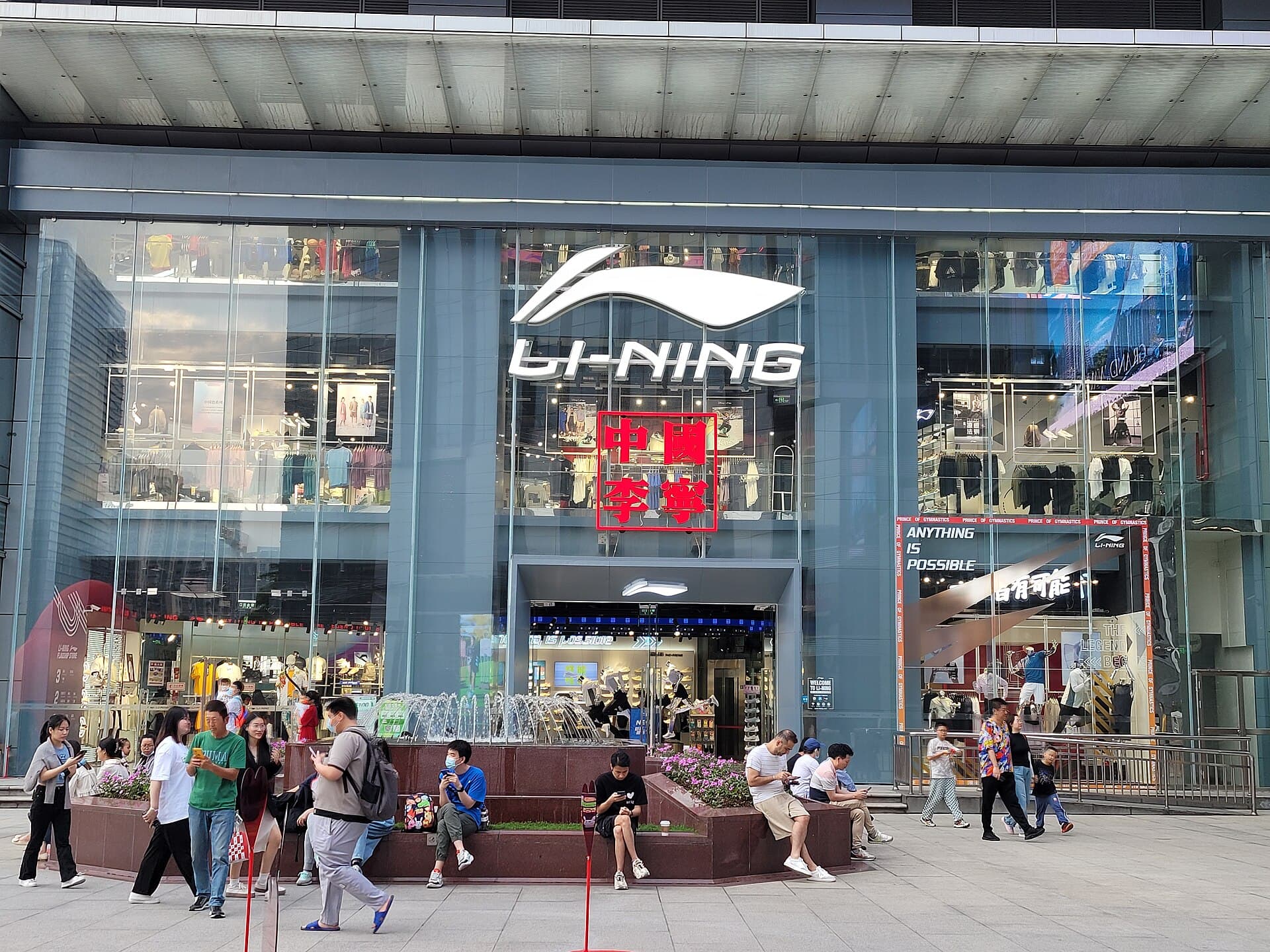
On February 7, 2018, on a New York Fashion Week runway, a Chinese sneaker brand printed two characters in large type across red and yellow sweatshirts: 中国李宁 (Zhongguo Li Ning), literally "China Li-Ning." The next day, the group's Hong Kong listed stock climbed, and the garments stamped with these characters sold out within hours on Tmall. A brand that young urbanites had shunned ten years earlier had, overnight, become an object of desire.
This shift has a name: guochao (国潮), the "national wave." It refers to the enthusiasm of Chinese consumers born after 1990 for domestic brands that own, claim and aestheticize their cultural roots. The phenomenon tells a far bigger story than a passing fad. It touches on a generation's renewed confidence in "made in China," on the reclaiming of a heritage long dismissed as unfashionable, and on an uncomfortable question: where does sincere taste end, and where does cash-register nationalism begin?
What the word guochao covers#
Guochao (国潮) is a portmanteau built from guo (国), the country, the nation, and chao (潮), the tide, the trend, that which is "in fashion." It is commonly translated as "national wave" or "national trend." The term took hold in Chinese commercial vocabulary around 2018, even though the cultural shift it describes went back a few years earlier.
Guochao (国潮) a contraction of guojia (国家, the country) and chaoliu (潮流, the current, the trend). The character 潮 originally evokes the rising tide: the image of a cultural groundswell surging up from Chinese soil toward its own consumers.
Guochao does not boil down to "buying Chinese." An American pair of jeans manufactured in Guangdong does not qualify. What defines the wave is the integration of an openly Chinese aesthetic and references into the product itself: calligraphy, porcelain patterns, mythological figures, imperial colors, classical poetry. The Daxue Consulting firm actually distinguishes several phases, a "guochao 1.0" centered on the simple revival of old national brands such as Li-Ning, Warrior or Pechoin around 2018, then a "guochao 2.0" around 2020 in which Western houses themselves begin to court this imagery.
The target audience is clearly identified. These are China's Millennials and above all its Generation Z, young people born into an already prosperous China, who never knew their parents' scarcity and for whom a foreign logo no longer works as a social passport. Sociology matters: they grew up with the smartphone, shop via livestream, and judge a brand by its ability to tell a story that looks like them.
This shift marks a sharp break with the preceding decades. In the 1990s and 2000s, the urban Chinese consumer's dream often came down to wearing Nike, Adidas or a European luxury bag, a mark of success and openness to the world. "Made in China" then carried a reputation for cheap subcontracting, including among Chinese people themselves. Guochao reverses that gaze: the dragon motif, the calligraphed character or the reference to a Tang poem become signs of distinction, no longer markers of provincialism.
The Li-Ning trigger and the mechanics of the shift#
The guochao jolt dates precisely to February 2018. Invited by the Council of Fashion Designers of America as part of the "Tmall China Day" launched by Alibaba, the brand of former gymnast Li Ning (李宁), a triple gold medalist at the 1984 Olympic Games, walked the runway in New York. The collection mixed streetwear silhouettes with a red-yellow-black palette inherited from official Chinese imagery. The "中国李宁" line that followed turned an aging brand into a generational banner.
The movement did not stop at sport. The Palace Museum in Beijing, the Gugong (故宫, the former Forbidden City), became an unlikely and central commercial player. As early as the mid-2010s, its online store was selling frowning imperial eyebrows on beauty masks, thermoses adorned with imperial guards and calligraphed notebooks. The museum claims hundreds of millions of yuan in annual revenue on these spin-off products, proof that a five-centuries-old heritage could become a merchandising engine.
Guochao turned an imperial museum into China's coolest brand, and a pair of sneakers into an identity manifesto.
Behind these figureheads, a wave of brands is rising. Anta (安踏), long a discreet subcontractor from Fujian, bought foreign labels including the Italian Fila for China and the Finnish Amer Sports, and now outsells Adidas in its home market. In cosmetics, two names sum up the acceleration. Perfect Diary, born in 2017, plays the card of tight prices and influencer marketing. Florasis, in Chinese Huaxizi (花西子), founded the same year, bets on affordable luxury with an entirely Chinese aesthetic: powders engraved lacquer-style, packaging inspired by ancient goldsmithing, campaigns built around "oriental style" beauty.
The wave's figureheads can be summed up like this:
| Brand | Sector | Defining moment |
|---|---|---|
| Li-Ning (李宁) | Sport | 2018 New York runway show, the "中国李宁" line |
| Anta (安踏) | Sport | Bought Fila for China and Amer Sports, outsells Adidas at home |
| Gugong (故宫) | Heritage | Hundreds of millions of yuan in annual spin-off products |
| Perfect Diary | Cosmetics | Tight prices and influencer marketing since 2017 |
| Florasis (花西子) | Cosmetics | Affordable luxury with an entirely Chinese aesthetic |
| Hongxing Erke (鸿星尔克) | Footwear | 50-million-yuan donation in 2021, "wild consumption" |
The wave can be read on the storefronts: 国潮 (guócháo, the national wave), 中国李宁 (Zhōngguó Lǐ Níng, "China Li-Ning") or 花西子 (Huāxīzǐ, Florasis). Learn hanzi and pinyin to decode these signs yourself with ChineseSRS, the spaced-repetition method dedicated to Mandarin.
The same cultural pride dresses the body: dive into the revival of the hanfu, the traditional garment that Chinese youth is bringing back into fashion.
Hongxing Erke, when buying becomes a patriotic gesture#
In July 2021, a nearly moribund sports brand saw its sales explode within forty-eight hours after a donation. Hongxing Erke (鸿星尔克), a financially struggling shoe manufacturer from Fujian, announced on July 22 on Weibo a donation of 50 million yuan, roughly 7.7 million dollars, in supplies for the victims of the catastrophic Henan floods, which would kill dozens of people around Zhengzhou.
The sum struck all the more because the company was losing money. Chinese internet users seized on the story: a small national brand, itself fragile, gave more than silent foreign giants. The phenomenon that followed earned a name on social media, "ye xiaofei" (野性消费), "wild consumption." Hongxing Erke stores were stormed, stocks liquidated, and according to the platform JD.com sales jumped several dozen times in a single day. Some buyers even refused their change or left without taking all their items, turning the act of buying into a disguised donation.
The episode reveals the emotional face of guochao. Consuming becomes a vote, a show of support, sometimes a response to a perceived affront from Western brands. A few months earlier, in March 2021, foreign labels such as H&M and Nike had been the target of massive boycotts after their statements on Xinjiang cotton, and several Chinese celebrity endorsers had broken their contracts. The national wave also feeds on these ruptures.
After the 2021 rush, Hongxing Erke's management had to publicly calm its own customers, urging them to "consume rationally." A sneaker maker begging people to buy fewer shoes: a scene only guochao could produce.
Sincere pride or consumer nationalism#
Guochao is rooted in a specific context: the upmarket move of "made in China" and a shift of cultural confidence after decades of fascination with the West. Young Chinese used to buy foreign brands for their status; they now buy Chinese brands for what they say about their identity. The 2020 pandemic accelerated the movement, cutting off access to foreign luxury boutiques and, in the public eye, boosting the national health response.
The figures reflect this shift. According to data relayed by the Daxue firm, the share of Chinese brands among the country's top twenty color cosmetics brands doubled, going from 14% in 2017 to 28% in 2022. On Alibaba's platforms, the support program for domestic products helped, as early as 2019, more than a hundred local brands cross the billion yuan mark in annual sales.
The nuance is necessary, and Chinese observers themselves raise it. Guochao swings between an authentic taste for a rehabilitated heritage and a consumer nationalism in which purchasing becomes a declaration of allegiance. The slide from the hanfu revival, museum collaborations and calligraphy toward boycotts and patriotic campaigns shows that the same energy can feed creativity as well as identity tension. The "guochao" label has moreover become such an overused marketing argument that some brands artificially slap it onto products with no real link to Chinese culture, at the risk of wearing out the word itself.
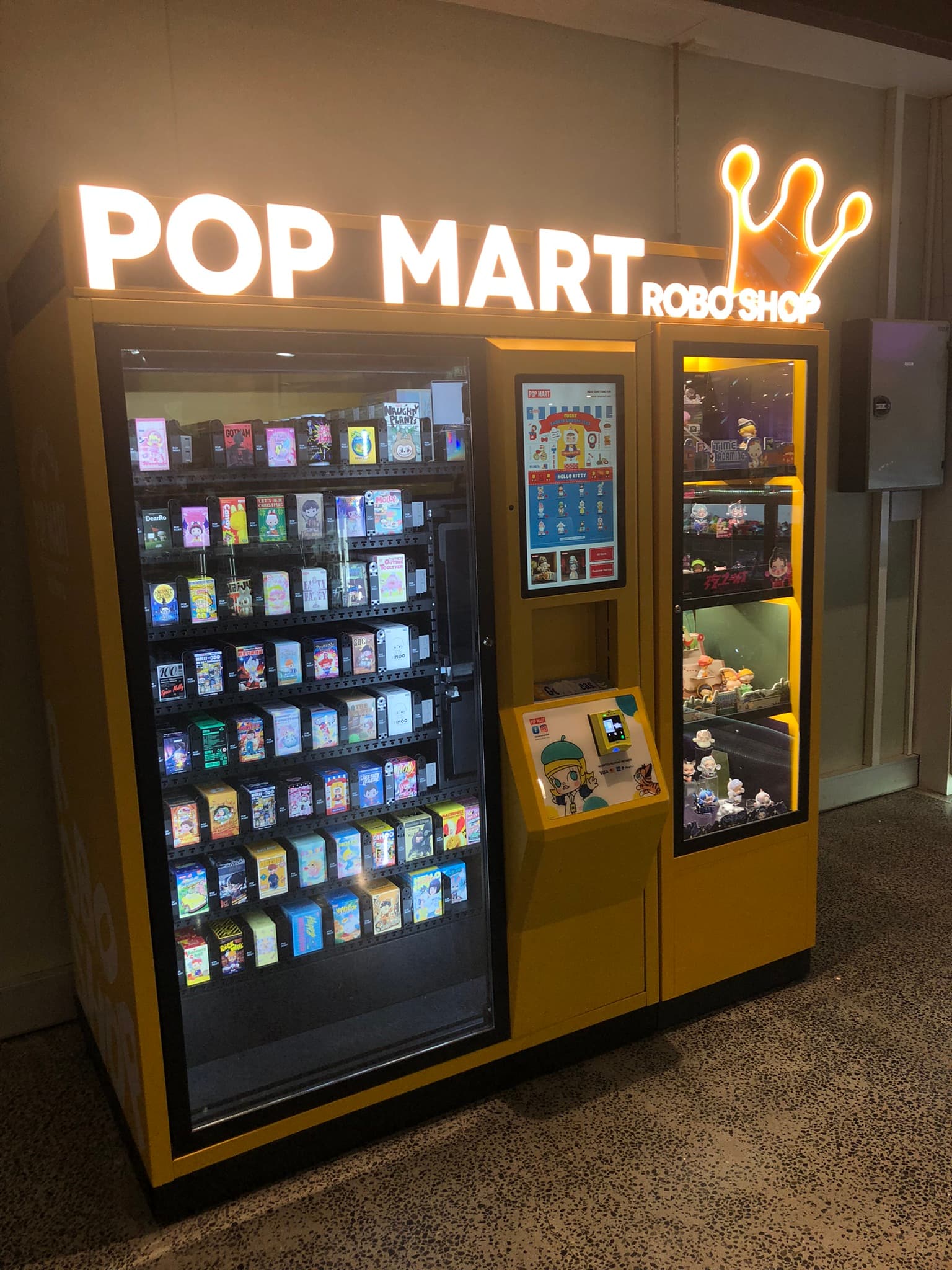
Read alsoPop Mart and Labubu: The Chinese Empire of Global CollectiblesFrom Li-Ning to Labubu: discover how Pop Mart built a collectible toy empire that also embodies the new power of Chinese brands.
"Wild consumption" happens above all through the screen: explore the world of livestreamers who sell millions of yuan in a single evening.
FAQ#
What exactly does the word guochao mean? Guochao (国潮) combines guo (国, the country) and chao (潮, the tide or the trend). It translates as "national wave." It refers to the appeal that domestic brands hold for young Chinese consumers when those brands openly integrate Chinese aesthetics and cultural references, from calligraphy to imperial motifs.
When did the guochao phenomenon really start? The public trigger dates to February 2018, when the Li-Ning brand (李宁) walked New York Fashion Week with its "中国李宁" line. The cultural shift had been under way since the mid-2010s, notably through the spin-off products of the Palace Museum in Beijing.
Which are the emblematic guochao brands? Li-Ning (李宁) and Anta (安踏) in sport, Florasis or Huaxizi (花西子) and Perfect Diary in cosmetics, Hongxing Erke (鸿星尔克) after its 2021 donation, and the Palace Museum, the Gugong (故宫), for its spin-off products inspired by the Forbidden City.
Is guochao a nationalist movement? It is ambivalent. It blends a sincere taste for a rehabilitated cultural heritage with a "consumer nationalism" in which buying Chinese becomes a political gesture. The boycotts of foreign brands in 2021 and the supportive "wild consumption" illustrate this more emotional and identity-driven face.
Why did the Henan floods boost Hongxing Erke? In July 2021, this struggling brand gave 50 million yuan to the Henan flood victims. Moved that a small, fragile company would give so much, internet users triggered a supportive "wild consumption," making its sales jump several dozen times in a single day.
Guochao will be remembered as the moment when China stopped looking at its own products over its shoulder. It remains to be seen whether a tide so charged with pride can keep, beneath the patriotic foam, the true taste of things.
Photo credits: images in this article come from Wikimedia Commons under free licenses.
K-beauty, J-beauty, C-beauty: three schools of skincare compared
Routines, hero products, ingredients and business models: what really separates Korean, Japanese and Chinese cosmetics, without the marketing shortcuts.
Cover image: X-SHLIED · X-SHLIED, via Wikimedia Commons · CC BY-SA 4.0