The Lantern Festival: when China lights up the night
History and traditions of the Lantern Festival (元宵节) in China: lanterns, riddles, tangyuan, dragon and lion dances, the fifteenth night of the New Year.
La rédaction Kotoba
Studio éditorial
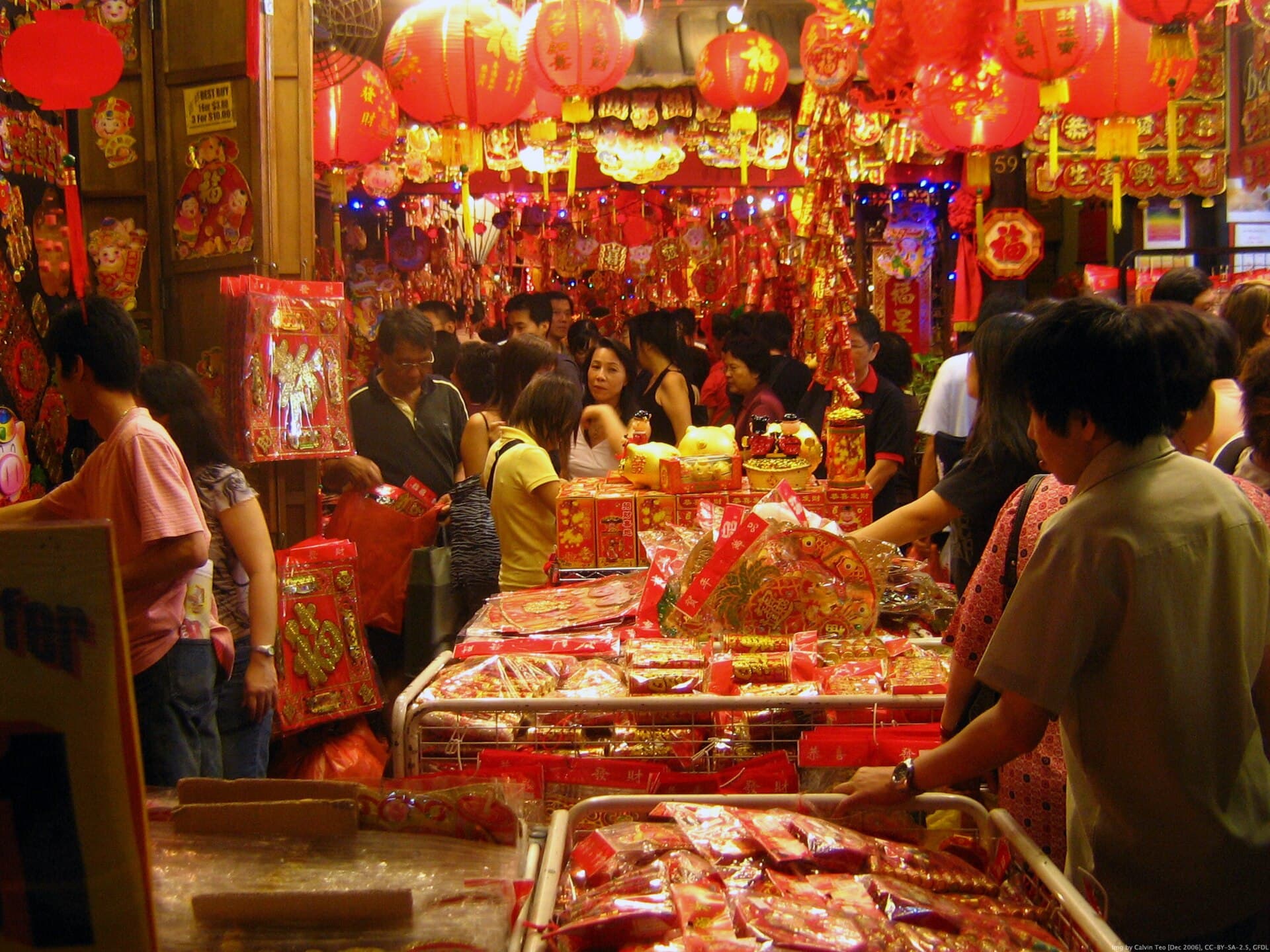
For fourteen nights, China has feasted, revelled and crackled with firecrackers. The streets have turned red with paper, tables have groaned under dumplings, families have reunited. Then comes the fifteenth night, the last, the one that closes the New Year festivities with a blaze of light: thousands of lanterns rise into the sky or sway above the streets, and the Chinese night burns without being consumed. This is the Lantern Festival.
The falls on the fifteenth day of the first lunar month, on the first full moon of the year. It marks the official end of the Chinese New Year celebrations and is one of the oldest and most spectacular festivals in China. To understand Yuanxiao is to understand how a people turns night into day and fire into poetry.
Origins: light and legend#
The origins of the Lantern Festival reach back more than two thousand years, to the Han dynasty (206 BCE - 220 CE). Several legends compete for the festival's paternity. One tells that Emperor Ming of the Han, a convert to Buddhism, ordered lanterns lit in temples and the palace on the fifteenth day of the first month, in tribute to the Buddha. The custom then spread to the common people.
Another, more dramatic legend features the Jade Emperor, furious with a town whose inhabitants had killed his favourite bird. He planned to set it ablaze on the fifteenth day. A compassionate fairy warned the villagers, who lit lanterns everywhere and set off firecrackers. Seen from the heavens, the Jade Emperor believed the town was already in flames and abandoned his vengeance. Since then, lanterns protect.
The Lantern Festival does not light the night to defeat it: it celebrates it. Light is beautiful precisely because it dances in the dark.
A thousand shapes of light#
are the heart of the festival. They take innumerable forms: classic red spheres, fish, dragons, lotus flowers, opera characters, and increasingly often monumental creations lit from within by LEDs. The most famous lantern festivals, such as that of in Sichuan, draw millions of visitors with installations that can exceed ten metres in height.
, paper balloons that rise into the sky carried by the heat of a flame, add an aerial dimension. Named after the strategist , known as Kongming, who is said to have used them as military signals, they have become wish-bearers: you write a wish on the paper before releasing the lantern, and the wind carries the prayer skyward.
combines yuán (元, "first, original") and xiāo (宵, "night"). The Lantern Festival is literally the festival of the "first night," the first full moon of the year, a moment when heaven and earth answer each other.
Lantern riddles#
The Lantern Festival is also a celebration of the mind. The tradition of involves hanging riddles beneath the lanterns. Passers-by stop, think, propose an answer to the lantern's owner, and receive a small prize if they solve it.
These riddles are often wordplay based on Chinese characters, homophones or double meanings, making them both playful and linguistic exercises. To solve a lantern riddle is to show one's culture as much as one's intelligence, and the tradition dates back to the Song dynasty (960-1279), when scholars turned it into a refined pastime.
Tangyuan: Yuanxiao's round sweetness#
The signature dish of the festival is , glutinous rice flour dumplings filled with black sesame paste, peanut, red bean or sugar, served in a sweet broth. Their round shape symbolises family reunion and wholeness, a visual echo of the full moon shining above the lanterns.
In northern China, are preferred, made differently: the filling is rolled in rice flour rather than wrapped in dough. The distinction between tangyuan (south) and yuanxiao (north) is a national culinary debate that each New Year revives with good humour.
Read alsoChinese New Year: the Spring Festival, the world's largest celebrationThe Lantern Festival is the grand finale of Chinese New Year. To understand the two weeks of festivities that precede it, explore the New Year.
Dragon and lion dances#
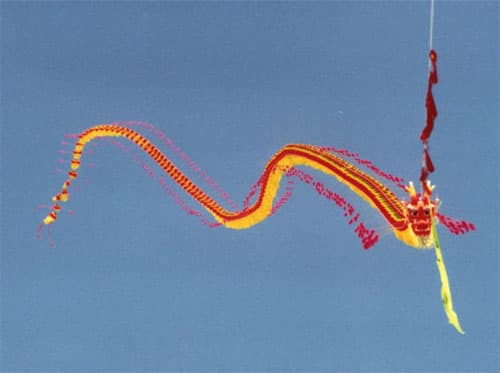
The Lantern Festival is also the stage for spectacular street performances. The sees a long articulated dragon, carried by dozens of dancers, undulate through the streets to the sound of drums and cymbals. The , in which two acrobats animate a lion of fabric and paper, blends strength, agility and humour.
These dances are not mere spectacle: the dragon brings luck and chases evil spirits, the lion protects shops and homes. Firecrackers explode beneath the lion's paws, children shriek with joy and fear, and the entire street vibrates with a collective energy that is the very signature of Chinese festivals.
A festival still alive#
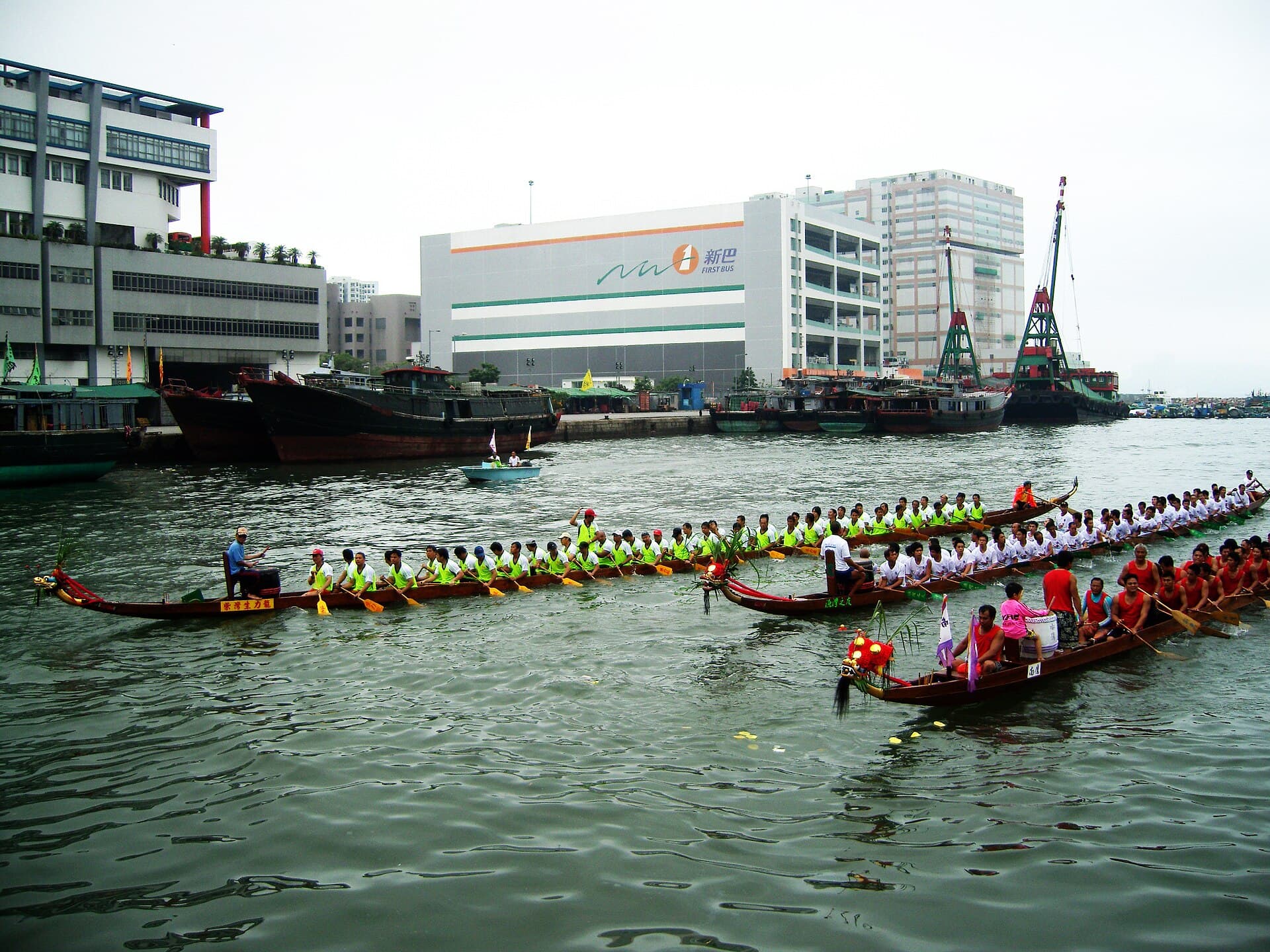
Today, the Lantern Festival remains one of China's most popular celebrations. Parks transform into oceans of light, shopping centres organise riddle contests, families gather around a bowl of tangyuan. In overseas Chinese communities, from San Francisco to Paris, the tradition lives on through parades and illuminated installations.
To discover the Lantern Festival is to understand that light, in China, is not decoration: it is a language, a wish, a prayer. To learn Chinese is also to grasp these words, dēnglong, tāngyuán, yuánxiāo, which say that a full-moon night can become the finest of spectacles when an entire people decides to illuminate it.
FAQ#
When does the Lantern Festival take place? On the fifteenth day of the first lunar month, the first full moon of the year. It usually falls between mid-February and early March in the Gregorian calendar.
What is tangyuan? Round glutinous rice flour dumplings filled with black sesame, peanut or red bean, served in a sweet broth. Their round shape symbolises family reunion and wholeness.
What are lantern riddles? Riddles hung beneath lanterns, often based on Chinese character wordplay or homophones. Passers-by try to solve them for a small prize. The tradition dates back to the Song dynasty.
Is the Lantern Festival part of Chinese New Year? Yes, it is the official closing. It marks the fifteenth and final day of the New Year festivities, after two weeks of celebrations.
Photo credits: the images used in this article come from Pexels and Unsplash and are royalty-free.
Chinese New Year: the Spring Festival, the world's largest celebration
Origins, legends and rituals of Chinese New Year: the Nian monster, the red envelopes, the reunion dinner, the lion dances and the Lantern Festival.